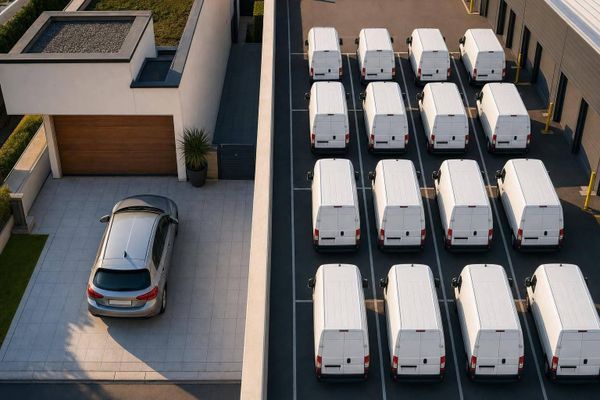
Personal vs Fleet Trackers: Key Differences
Compare personal GPS trackers and fleet telematics: features, alerts, reports, costs and when to upgrade for multi-vehicle management.

Compare personal GPS trackers and fleet telematics: features, alerts, reports, costs and when to upgrade for multi-vehicle management.
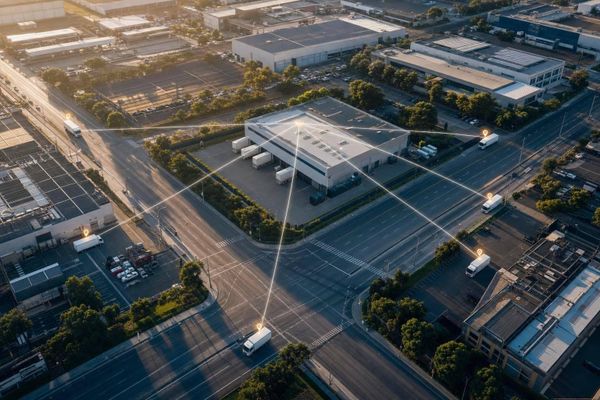
Align onboarding, access, alerts, live maps and reporting so fleet growth adds control — not admin, blind spots or noise.
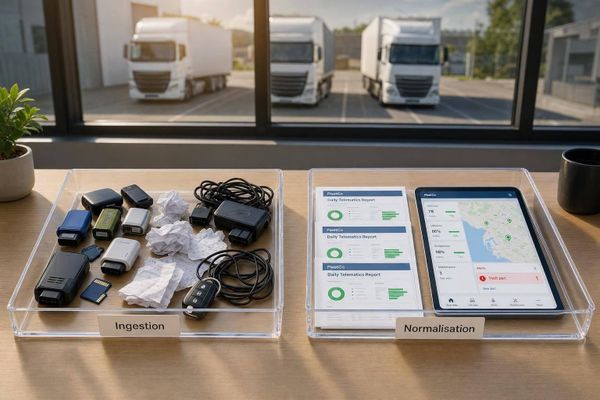
Why ingestion matters for timely telematics data and normalisation for consistent, usable reports, alerts and theft response.
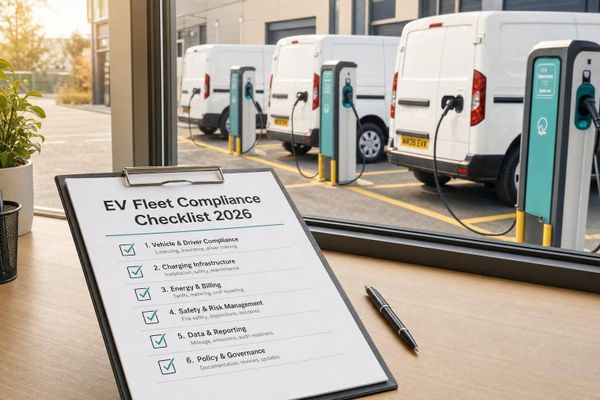
Six record sets, retention rules and practical steps to keep UK EV fleets audit-ready and compliant in 2026.
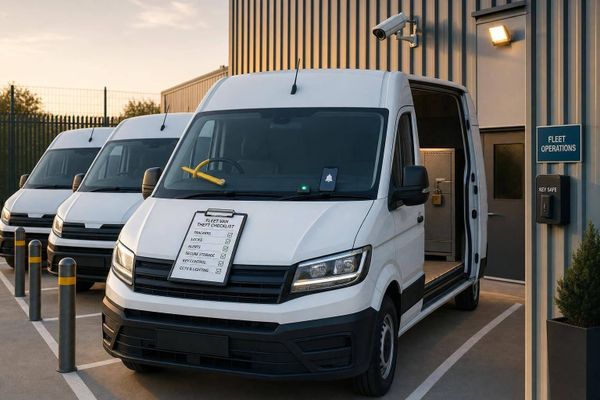
Daily van-security checklist for fleets covering trackers, locks, key control, parking, tool storage and incident logging to prevent theft.
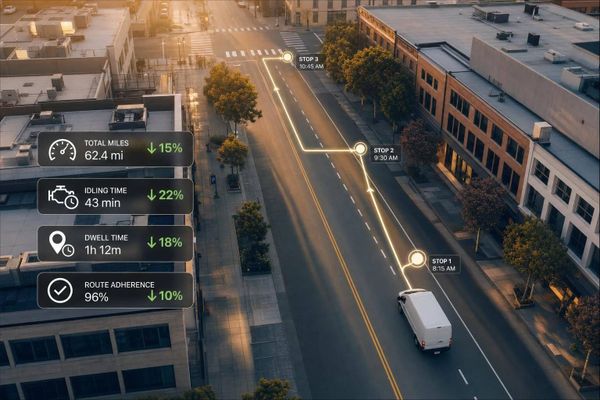
Use route metrics—miles, idling, dwell and adherence—to cut fuel, overtime and maintenance, often saving 10–30% in fleet costs.

Real-time video analytics with telematics cuts incidents, speeds claims and enables GDPR-compliant driver coaching.
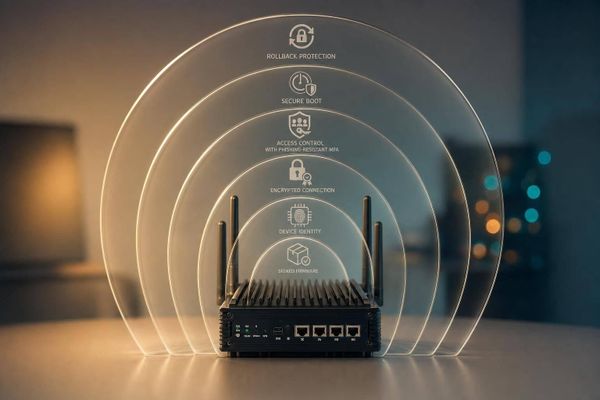
Secure fleet OTA updates: signed firmware, per-device identity, TLS, RBAC with phishing‑resistant MFA, secure boot and rollback protection.
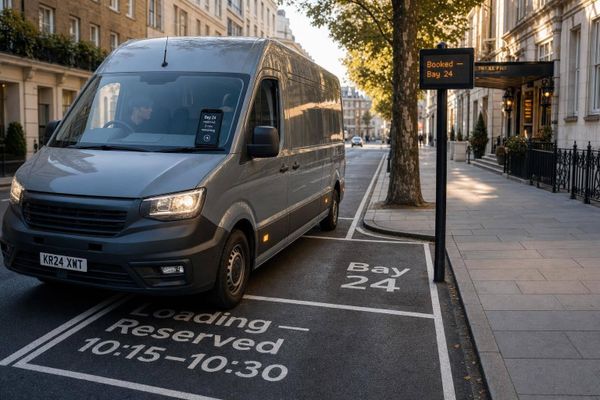
Live bay data, bookings and van tracking cut parking search time, fines and last‑mile delays for urban fleets.
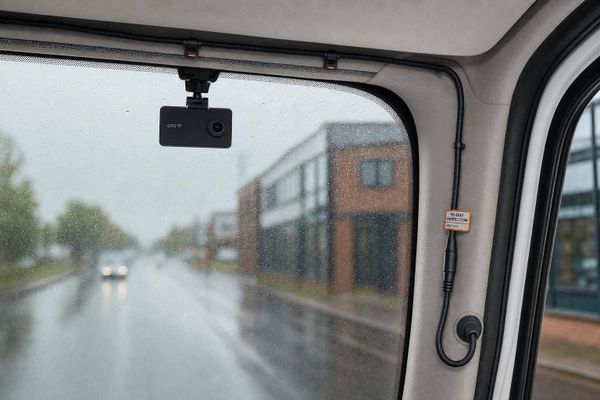
Standardise routing, sealed entries, protected joins, drip loops and 90‑day inspections to prevent water-related dash cam failures.
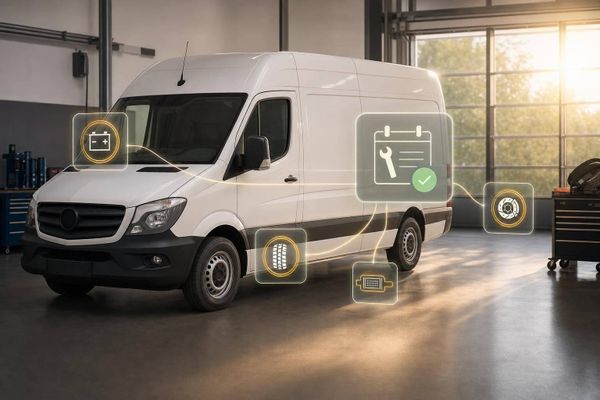
Spot battery, DPF, tyre and brake faults early with van telematics and turn alerts into planned repairs to cut downtime.
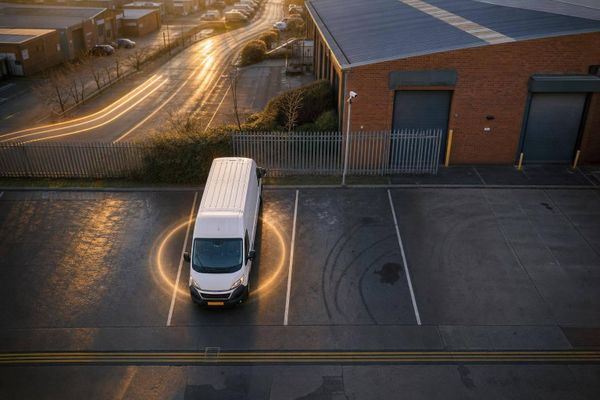
11,273 vans stolen in 2024; tracked vans recover 95–98% vs 39% untracked—prioritise trackers by model, area and use.