Van Trackers vs. Traditional Security Systems
Compare van trackers and traditional vehicle security for UK fleets — recovery vs deterrence, costs, ease of use and why combining both gives best protection.
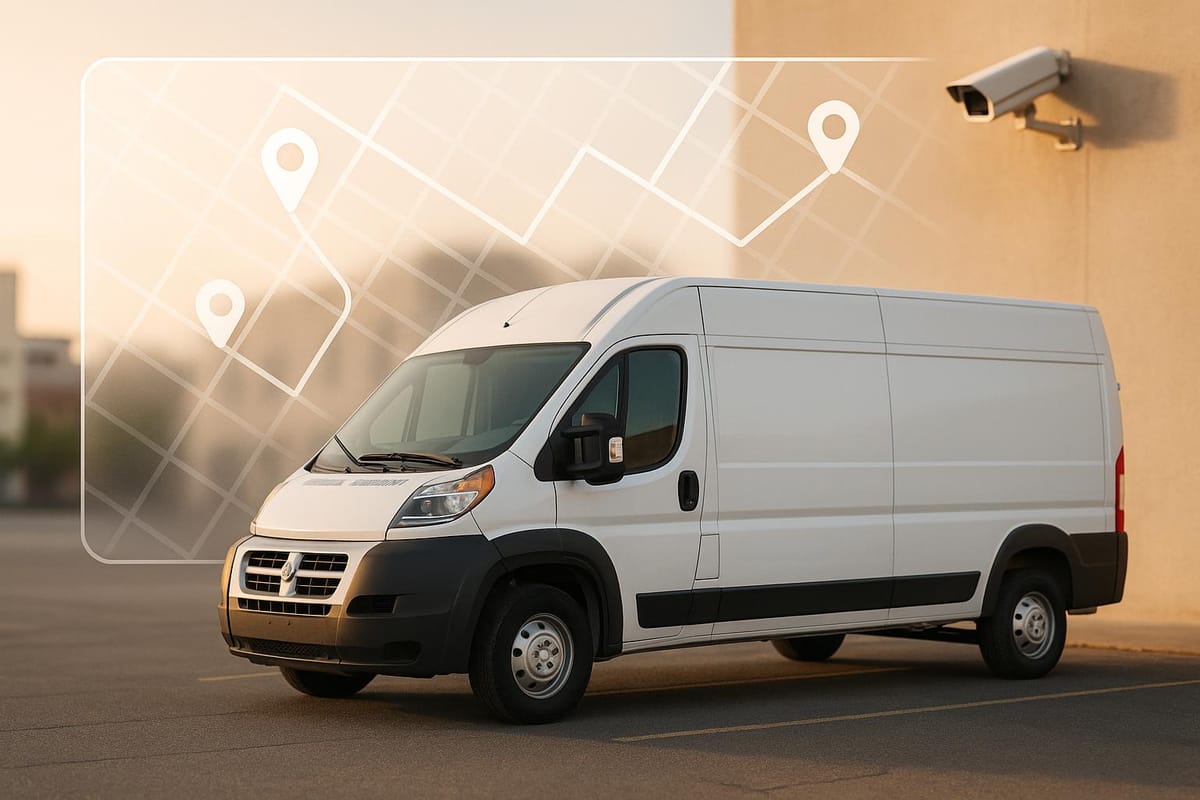
When it comes to securing vans in the UK, the choice often boils down to van trackers or traditional vehicle security systems. Both have their strengths, but they serve different purposes:
- Van trackers: Focus on locating and recovering stolen vehicles. They use GPS to provide real-time location data, theft alerts, and even features like remote immobilisation. They also help fleet managers optimise routes and monitor driver behaviour. However, they come with ongoing subscription fees.
- Traditional security systems: Aim to deter theft with physical barriers like steering locks, alarms, and immobilisers. These are often one-off purchases and require no ongoing costs. But they lack tracking capabilities, making recovery difficult if a van is stolen.
Key Takeaways:
- Effectiveness: Traditional systems deter theft; trackers enable recovery. Combining both offers the best protection.
- Cost: Traditional systems have a one-off cost (£300–£500). Trackers cost less upfront (£35–£99) but require a monthly fee (~£7.99/van).
- Ease of Use: Traditional systems are simple but manual. Trackers offer automated, centralised monitoring for fleets.
For the best results, use a layered approach - combine deterrents like locks and alarms with GPS trackers for recovery and fleet management. This ensures your vans are harder to steal and easier to recover if theft occurs.
Quick Comparison
| Feature | Van Trackers | Traditional Security Systems |
|---|---|---|
| Primary Role | Recovery and monitoring | Theft prevention |
| Theft Deterrence | Moderate (via alerts/stickers) | Strong (visible locks/alarms) |
| Recovery Capability | High (91%+ recovery rates) | Low (no tracking capability) |
| Cost | £35–£99 upfront + £7.99/month | £300–£500 one-off |
| Ease of Use | Automated, centralised monitoring | Manual (e.g., fitting/removing locks) |
Combining both systems provides the most secure and efficient solution for UK van operators.
Van Smart Alarm Theft Alert System - Ajax Alarms | Smart Security System for Smart Home

What Are Van Trackers?
A van tracker is a device installed in a vehicle that uses GPS technology and mobile networks to determine the van's location and send that data in real time to an online platform or mobile app. These devices are usually hardwired into the van's electrical system, ensuring they stay powered at all times. Fleet managers can monitor each van’s live location, speed, direction, and ignition status through these systems.
The technology behind van trackers combines three main components: a GPS receiver to determine the vehicle’s position using satellite signals, a mobile data module to transmit this information over 4G networks, and an onboard processor to manage sensors and alerts. Many systems also connect to the van's ignition and can integrate additional features, such as door sensors, panic buttons, or accelerometers.
In the UK, many business-grade trackers meet Thatcham-approved standards (typically Category S5 or S7), which ensure they meet strict security and reliability requirements. These systems often link with 24/7 monitoring centres, which can liaise directly with police in the event of a confirmed theft, often triggering a Level 1 police response to recover the stolen vehicle quickly.
Unlike traditional security measures like alarms or steering locks, which aim to deter theft, van trackers focus on detection and recovery. If a van is stolen, the tracker provides precise, real-time location data, enabling businesses or monitoring centres to guide the police straight to the vehicle. This approach significantly increases the chances of recovering the van quickly, helping minimise downtime and financial losses.
Key Features of Van Trackers
Modern van trackers offer a range of features that go beyond basic GPS tracking. These systems provide real-time location updates, allowing fleet managers to monitor vehicles on a digital map via a web dashboard or mobile app. This helps improve both security and operational efficiency.
Theft alerts are a key feature, providing instant notifications via SMS, email, or app when unauthorised activity is detected. For instance, alerts can be triggered if a van moves without the ignition being turned on, operates outside of working hours, or is driven without an authorised driver ID tag. Some advanced systems use Automatic Driver Recognition (ADR), where drivers carry a fob or tag. If the van moves without the fob, an alert is sent immediately.
Geofencing is another valuable tool, allowing businesses to create virtual boundaries around specific areas, such as depots or customer sites. If a van leaves or enters these zones without authorisation, managers are notified instantly. This feature helps control where vans operate and quickly identifies unauthorised route changes or stops.
Many Thatcham S5 and S5+ systems also include remote immobilisation. Once a theft is confirmed and the vehicle is safely stopped, authorised personnel or monitoring centres can disable the engine, preventing it from restarting. This makes recovery safer and more straightforward for the police.
Van trackers also provide useful operational insights. Features like trip history and playback allow managers to review routes, start and stop times, idle periods, and stop durations. This data helps identify inefficiencies, such as unnecessary detours or excessive waiting times, enabling businesses to optimise schedules and reduce fuel costs.
Driver behaviour monitoring tracks habits like harsh braking, speeding, and idling, using accelerometers and telematics data. Fleet managers receive detailed reports and scorecards, highlighting areas for improvement. Addressing these behaviours can improve road safety, lower fuel consumption, and reduce wear and tear on vehicles, cutting maintenance expenses over time.
Benefits of Van Trackers for UK Fleets
For UK businesses, van trackers offer benefits that go far beyond theft prevention. The most immediate advantage is a dramatic reduction in theft risk and higher recovery rates. Thatcham-approved systems with 24/7 monitoring boast recovery rates exceeding 90% when a theft is confirmed. Stolen vehicles equipped with trackers are often recovered within hours, minimising disruption and financial losses.
This quick recovery is particularly valuable in high-theft areas, especially in urban environments where vans carrying tools and equipment are frequent targets. While traditional security measures like alarms may be bypassed by determined thieves, trackers provide continuous location data, allowing swift action. Insurers often recognise this reduced risk, offering discounts of up to 20% on premiums for vehicles fitted with Thatcham-approved trackers.
Operationally, van trackers help businesses improve efficiency. Real-time tracking enables managers to dispatch the nearest van to a job, cutting response times and fuel use. In congested cities, monitoring routes helps avoid delays, ensuring better punctuality for customer appointments. Historical data on fleet usage can also guide decisions on fleet size and resource allocation.
Geofencing and trip history features help businesses verify arrival times, routes, and job durations, which can resolve disputes and support compliance. For delivery and service-based operations, this transparency strengthens customer trust.
Driver behaviour monitoring contributes to better safety and lower running costs. By addressing risky habits like speeding or harsh braking, businesses can reduce accidents, save on fuel, and extend vehicle lifespan. Safer driving profiles can also support negotiations with insurers for lower premiums.
Example: GRS Fleet Telematics

GRS Fleet Telematics offers van tracking solutions tailored for UK fleet management. Their system uses dual-tracker technology, combining a primary hardwired GPS tracker with a hidden Bluetooth backup tracker. This dual setup ensures continuous tracking, even if thieves try to disable the main device.
The company reports a 91% recovery rate for stolen vehicles using this dual-tracker system. In theft cases, their 24/7 monitoring team coordinates with law enforcement, enabling rapid recovery. This is particularly beneficial for businesses that cannot afford the financial and operational impact of losing a van.
GRS Fleet Telematics provides three hardware packages to suit different needs:
- Essential package (£35 excluding VAT): Includes a single wired tracker for cost-effective tracking.
- Enhanced package (£79 excluding VAT): Adds a secondary Bluetooth backup tracker for additional security.
- Ultimate package (£99 excluding VAT): Includes remote immobilisation for maximum theft protection.
Each package comes with a monthly subscription of £7.99 per vehicle (excluding VAT), covering SIM and data services, platform access, and account manager support. Installation is free when combined with fleet branding services offered by GRS Fleet Graphics, making the solution accessible for businesses of all sizes.
The system includes standard features like real-time GPS tracking, geofencing, theft alerts, route optimisation, and driver behaviour monitoring. This combination of security and operational tools highlights how van trackers have evolved into comprehensive fleet management solutions, offering much more than theft prevention alone.
What Are Traditional Vehicle Security Systems?
For decades, traditional vehicle security systems have been the go-to solution for protecting vehicles, long before GPS tracking became a common feature. These systems are designed to deter theft and stop unauthorised access, focusing on prevention rather than recovery. For van owners and fleet managers in the UK, traditional security measures often include alarms, immobilisers, and mechanical locks that make it harder for thieves to break in or drive off.
Unlike modern GPS tracking systems, which focus on recovering stolen vehicles, traditional systems aim to stop theft before it happens. The key difference lies in their purpose: traditional systems are all about prevention, while trackers are geared towards finding a stolen vehicle quickly.
Types of Traditional Security Systems
Traditional van security in the UK comes in various forms, each offering different layers of protection:
- Factory-installed alarms and immobilisers: These are standard in most new vans sold in the UK. Factory alarms monitor doors, the bonnet, and sometimes the interior, triggering an alarm or hazard lights if a breach is detected. Immobilisers ensure the engine won’t start without the correct key or transponder, making techniques like hot-wiring almost impossible. While effective, these systems can sometimes have limited sensor coverage and may be vulnerable to modern tactics like relay attacks.
- Aftermarket alarms: For older vans or those needing extra security, aftermarket alarms can add advanced features like shock or tilt sensors to detect impacts or towing attempts. They often come with louder sirens and integrate with the van’s central locking system, providing an additional layer of protection against opportunistic theft.
- Aftermarket immobilisers: As thieves develop more advanced methods, aftermarket immobilisers have gained popularity. Hidden PIN-based systems, for example, require drivers to input a PIN using the vehicle’s existing controls before the engine will start. This extra step can help counter threats like relay attacks and key theft.
-
Mechanical and physical locks: These visible security measures don’t rely on power or connectivity, making them a practical choice. Examples include:
- Steering wheel locks, which prevent the wheel from turning.
- Additional door locks and deadlocks, which reinforce entry points to resist forced access.
- Pedal boxes and gearshift locks, which secure controls like the brake or gear lever to stop the van from being driven.
- OBD port locks, which block or relocate the on-board diagnostics port, making it harder for thieves to use programming tools.
Advantages and Limitations
Traditional vehicle security systems come with their own set of strengths and weaknesses. On the plus side, they act as a strong first line of defence. Visible deterrents like steering wheel locks or alarm indicators often make thieves think twice and move on to easier targets. They’re also relatively simple and reliable, requiring minimal maintenance and no dependence on mobile signals, GPS satellites, or ongoing subscription fees. For many fleet operators, their one-time cost makes them an appealing option.
However, these systems aren’t without their drawbacks. Their biggest limitation is the lack of recovery options. If a van is stolen despite these measures, there’s usually no way to track its location unless it’s spotted by police or picked up by ANPR cameras. Additionally, skilled thieves can sometimes disable or bypass these defences - whether by cutting alarm wires, using signal jammers, or breaking mechanical locks with tools.
Because of these limitations, many UK security experts advocate for a layered approach. Combining traditional security measures with modern tracking technology enhances overall protection, addressing theft prevention, deterrence, and recovery all at once.
Van Trackers vs. Traditional Security Systems: Direct Comparison
When deciding between van trackers and traditional security systems, UK fleet operators should consider three key factors: how well each option protects vehicles, the long-term costs, and the ease of daily use. By understanding the strengths and limitations of each, you can create a layered security strategy that provides robust protection for your fleet.
The following sections break down security, cost, and usability to help you make an informed choice.
Security Effectiveness
The main question is straightforward: which option offers better protection for your vans? Traditional systems focus on preventing theft, while trackers excel in recovering stolen vehicles.
Traditional security systems are designed to stop theft before it happens. Alarms, steering wheel locks, and immobilisers act as visible and audible deterrents, discouraging opportunistic thieves. Immobilisers, in particular, are highly effective. Without the correct key or PIN sequence, the engine won’t start, making it nearly impossible to hot-wire the vehicle.
On the other hand, van trackers shine in post-theft recovery. With features like real-time GPS tracking, geofencing alerts, and instant notifications for unauthorised movement, trackers enable a swift response. Thatcham-approved models often achieve recovery rates exceeding 90%. For example, GRS Fleet Telematics reports a 91% recovery rate for stolen vehicles using their dual-tracker technology, which also supports Level 1 police responses during confirmed thefts.
Here’s a quick comparison of how each approach performs across key security factors:
| Security Factor | Van Trackers (GPS/Telematics) | Traditional Security Systems |
|---|---|---|
| Primary role | Recovery and real-time monitoring | Deterrence and theft prevention |
| Theft deterrence | Moderate (via stickers or awareness) | Strong – visible locks and alarms |
| Prevents vehicle being driven | Only with remote immobilisation (some models) | Yes – immobilisers and locks |
| Stolen vehicle recovery | High (over 90% with Thatcham-approved trackers) | Very low – no tracking capability |
| Fleet-wide visibility | Real-time maps, alerts, and reports | None – independent devices only |
| Insurance impact | Premium reductions up to 20% | May meet basic insurer requirements |
Traditional systems struggle to recover stolen vehicles once a thief bypasses their defences. Recovery often depends on police patrols or ANPR cameras, which can be slow and unreliable.
Trackers, however, cannot physically prevent theft. If a thief uses a cloned key fob or relay attack, they can still drive away. What trackers do offer is immediate alerts and precise location data, enabling a quick recovery. Some advanced models, like Thatcham Category S5+ trackers, even allow remote immobilisation, letting monitoring centres disable the van once it's located by police.
The best approach? Combine both systems. Use alarms, immobilisers, and visible locks to deter theft, and add a tracker for fast recovery if those defences are bypassed. This combination is especially effective for high-value vans or those carrying expensive tools, covering every stage of the theft lifecycle.
Cost Considerations
Comparing costs for these two options isn’t straightforward, as they have different pricing structures.
Traditional security systems usually involve a one-time purchase and installation fee, with no ongoing costs. A quality alarm or immobiliser might cost between £300–£500 per van, while mechanical options like steering wheel locks are cheaper and can often be self-installed. Once installed, these systems require minimal maintenance, apart from occasional battery replacements for alarms.
Van trackers, on the other hand, combine lower upfront hardware costs with ongoing subscription fees. For instance, GRS Fleet Telematics offers trackers starting at £35 (excluding VAT) for a basic wired model, rising to £99 for a dual-tracker package with immobilisation features. Subscriptions cost £7.99 per month per vehicle (excluding VAT), covering SIM cards, data, platform access, and account management. Installation may be free when bundled with fleet branding services, or priced separately.
Over three years, a tracker’s subscription adds up to around £287 per van, or £2,900 for a fleet of ten vehicles. In contrast, traditional systems cost £300–£500 per van upfront, with no recurring fees.
However, the financial picture changes when you factor in potential losses from theft. A stolen van in the UK can result in costs far beyond the vehicle itself, including stolen tools, missed jobs, customer penalties, and business downtime - easily exceeding £10,000 per incident. Trackers reduce this risk by enabling quick recovery, often returning the van and its contents within hours, minimising downtime and lost revenue.
Insurance savings can also offset tracker costs. Many insurers offer discounts of up to 20% for vans with Thatcham-approved trackers. For example, if a fleet pays £1,500 annually per van for insurance, a 15% discount saves £225 per year per vehicle - nearly covering the tracker’s subscription fees.
Trackers also provide operational benefits beyond security. Features like route optimisation, fuel monitoring, and driver behaviour insights can cut costs by reducing wasted mileage, improving fuel efficiency, and lowering wear and tear. For larger fleets, these savings often outweigh the subscription fees.
Traditional systems, while effective at preventing theft, don’t offer these additional operational benefits. For sole traders or small fleets, the lack of recurring costs makes them an attractive option. But for larger operations, the long-term savings and enhanced security offered by trackers may justify their ongoing expense.
Ease of Use
Daily usability is another critical factor, especially for fleet managers overseeing multiple vehicles.
Traditional security systems are relatively straightforward. Alarms arm and disarm automatically via key fobs, immobilisers may require entering a short PIN, and steering locks need to be manually fitted and removed. However, these systems lack centralised visibility. If you manage a ten-van fleet, you won’t know if alarms are functioning or if any vehicle has been tampered with until after an incident occurs.
Van trackers, by contrast, provide centralised control. Once professionally installed - essential for reliability and insurance compliance - they operate in the background. Drivers might need to carry an Automatic Driver Recognition (ADR) tag or use a mobile app, but daily interaction is minimal. Fleet managers benefit from a central dashboard offering live maps, trip history, geofencing alerts, and instant notifications for unauthorised movement or tampering.
This centralised system transforms security management. Instead of waiting for a theft report, you’ll receive alerts the moment a van moves outside permitted areas or hours. You can monitor all vehicles in real time, review security incidents, and respond immediately. For larger fleets, this visibility and control provide a significant operational advantage, enabling proactive measures instead of reactive responses.
While professional installation of trackers adds to the upfront cost, it ensures the device is tamper-resistant and compliant with insurer requirements. This is crucial for long-term reliability and peace of mind, even if it requires some scheduled downtime during setup.
Choosing the Right Security Approach for Your Fleet
When it comes to securing your fleet, it’s all about finding the right balance between your risk profile, operational needs, and budget.
For small fleets in low-risk areas, traditional security systems often get the job done without recurring costs. If your vans are of modest value, parked securely overnight at depots or private driveways, and you don’t require live tracking or driver analytics, a combination of a reliable alarm, immobiliser, and a visible steering lock can act as a solid deterrent. This setup is ideal for sole traders or small businesses that don’t rely on real-time location data, especially when insurance doesn’t demand a Thatcham-approved tracker.
On the other hand, fleets carrying high-value tools or equipment face a different level of threat. Construction and trade vans, often loaded with expensive gear, are prime targets for theft. Physical security measures like high-quality locks and alarms can only go so far. Determined thieves can bypass these defences, and once that happens, traditional systems provide no way to track or recover stolen assets. For businesses where a single theft could result in major financial setbacks - lost tools, missed jobs, and downtime - trackers become a critical addition for recovery.
For regional delivery and logistics operations, the use of telematics is often justified by the operational benefits it provides. Beyond security, rapid theft recovery combined with improved efficiency makes these systems a smart investment.
National contractors or fleets working in high-risk areas need to prioritise advanced security measures. Thatcham-approved trackers with features like 24/7 monitoring, dual-tracking, and anti-tamper capabilities should be paired with enhanced locks, alarms, and strict parking policies. When vehicles are essential for meeting service-level agreements, ensuring both uptime and asset protection becomes non-negotiable.
Insurance requirements also play a big role in shaping your security strategy. Many UK insurers mandate Thatcham-approved trackers for higher-value vans or those operating in high-risk postcodes. Not meeting these requirements can lead to denied claims or loss of coverage. Even when not mandatory, insurers often offer discounts - up to 20% - for using approved trackers, which can offset subscription costs.
Geography matters too. Vans parked overnight on streets or operating in high-crime urban areas like London, Birmingham, or Manchester face greater risks. In such cases, combining visible deterrents with active tracking provides a well-rounded defence.
By tailoring your approach to your specific needs, you can create a system that combines deterrents and active tracking for optimal protection.
Layered Security as Best Practice
Layered security works by addressing every stage of the theft process, combining visible deterrents, physical barriers, and active monitoring. This approach increases protection by making vehicles harder to steal and easier to recover.
No single measure can stop all theft attempts. Alarms can be disabled, immobilisers bypassed, and even mechanical locks defeated by skilled criminals. But stacking multiple layers of security increases the time, effort, and risk for thieves - often enough to make them look for an easier target.
A robust layered security setup includes:
- Visible deterrents like steering locks, deadlocks, and security stickers. These signal that the vehicle is well-protected and not worth the effort.
- Thatcham Category 1 alarms and immobilisers as a second line of defence. Alarms alert you to break-in attempts, while immobilisers prevent the engine from starting without the correct key or PIN.
- Thatcham-approved GPS trackers to complete the system. If physical security measures are bypassed, trackers enable quick detection and recovery. Advanced models with features like Automatic Driver Recognition (ADR) and 24/7 monitoring can even prompt Level 1 police responses, improving the chances of recovery significantly.
This multi-layered approach is especially effective for construction and trade fleets carrying high-value tools. Visible locks and alarms deter break-ins, while trackers ensure rapid recovery if a van is stolen. For courier and logistics operators, alarms and immobilisers help minimise disruptions from opportunistic theft, while trackers support live ETAs and efficient recovery - offering both security and operational advantages.
For high-value or prestige company vans, insurers often require both Thatcham Category 1 alarm/immobiliser systems and Category S5 trackers. Insurers understand that layered security reduces risk and frequently reward this with premium discounts.
Implementing layered security isn’t just about hardware; it also involves setting clear policies. Fleet managers should establish a baseline security package for all vehicles, including upgraded locks and alarms, and add Thatcham-approved trackers for high-risk or valuable vans. Trackers can be configured with geofences to monitor operating areas and send alerts for unauthorised movements. Remote immobilisation, where available, allows monitoring centres to disable stolen vehicles.
Driver behaviour plays a crucial role too. Policies should require drivers to use steering locks and alarms, park in well-lit or CCTV-monitored areas, and avoid leaving tools in vans overnight unless absolutely necessary. Regular training on using ADR tags, immobiliser PINs, and reporting procedures ensures systems are used correctly while minimising false alarms.
Fleet managers should also actively review tracking reports for unusual activity, route deviations, or tamper alerts. This data can be integrated into driver evaluations and disciplinary measures, turning security technology into a tool for enforcing best practices.
GRS Fleet Telematics offers real-time tracking solutions with dual-tracker technology, boasting a 91% recovery rate for stolen vehicles. Paired with free installation through GRS Fleet Graphics, this makes advanced security more accessible, even for smaller fleets.
Ultimately, the goal isn’t to choose between trackers and traditional security measures but to combine them effectively. By aligning your security setup with your specific risks, needs, and budget, you can build a system that protects your assets while enhancing fleet management efficiency. Each layer strengthens the overall defence, ensuring your fleet remains secure and operational.
Conclusion
Protecting UK fleets requires a combination of van trackers and traditional security systems to ensure both theft prevention and vehicle recovery.
Traditional measures like alarms, immobilisers, and steering locks remain essential as visible deterrents. They act as the first line of defence, discouraging opportunistic thieves before they even attempt a break-in. However, these systems fall short when it comes to locating a vehicle once it’s been stolen.
This is where van trackers change the game. With real-time GPS tracking, geofencing alerts, and 24/7 monitoring, they provide the critical ability to recover stolen vehicles quickly. High-quality tracking systems boast impressive recovery rates and significantly reduce the time it takes to locate a stolen van. For example, when a tracker triggers a Level 1 police response, the alert is treated as a high-priority case, greatly increasing the likelihood of swift recovery.
Take GRS Fleet Telematics as an example. Their dual-tracker technology continues to monitor even if tampered with, achieving an impressive 91% recovery rate. Combined with round-the-clock coordination with law enforcement, this system delivers what traditional security alone cannot: the return of your van, often within hours.
Trackers offer more than just recovery benefits - they also enhance fleet operations. Features like real-time location tracking, route history, driver behaviour analysis, fuel usage data, and maintenance alerts turn a security tool into a powerful fleet management system. These insights help businesses optimise routes, reduce fuel costs, improve driver safety, and cut down on idle time, making the tracker’s monthly fee a worthwhile investment.
For UK fleet managers, the best strategy is clear: layered security. Combine high-quality alarms and immobilisers to deter theft with a Thatcham-approved tracker to ensure recovery if prevention fails. This approach not only addresses every stage of the theft process but also provides valuable data to improve fleet efficiency.
Security measures should match the specific needs of your fleet. High-value vans carrying tools in urban areas demand comprehensive protection, while smaller fleets in less risky locations might prioritise a tracker for both security and operational benefits. Opting for a UK-based provider ensures compliance with local insurance standards, Thatcham approval, and accessible support when it matters most.
Van trackers do more than safeguard your assets - they transform fleet security and operations. While traditional systems are vital for deterrence, only trackers can ensure a successful recovery and help streamline your day-to-day operations. It’s a smart investment for any UK fleet.
FAQs
What are the benefits of using van trackers alongside traditional security systems for fleet management?
Combining van trackers with traditional vehicle security systems is a smart way to boost protection and improve fleet management. Van trackers let you keep tabs on your vehicles in real-time, giving you constant visibility, while traditional security tools like alarms and immobilisers help deter theft.
This pairing doesn’t just increase the likelihood of recovering stolen vehicles - especially with features like dual-tracker technology - it also provides a budget-friendly and dependable way to safeguard your fleet. With van trackers available from as little as £7.99 per month, it’s an affordable step towards enhancing both safety and efficiency.
How can van trackers help UK fleet operators lower their insurance premiums?
Van trackers, like those from GRS Fleet Telematics, offer a smart way for fleet operators to cut down on insurance costs. By providing real-time location tracking and robust security features, these devices help reduce theft risks and improve the chances of recovering stolen vehicles. Insurers often acknowledge this added security with lower premiums.
On top of that, van trackers make it easier to monitor driver behaviour and optimise routes. This can lead to safer driving practices, fewer accidents, and ultimately fewer claims - translating into even more savings. Starting at just £7.99 per month, these trackers are a budget-friendly solution to boost security and reduce overall operational costs.
What features should I look for in a van tracker to ensure it complies with Thatcham-approved standards?
To ensure a van tracker aligns with Thatcham-approved standards, focus on essential features like dual-tracker technology. This combines GPS and GSM systems, offering stronger security and more dependable tracking. Look for capabilities such as real-time location updates, tamper alerts, and round-the-clock monitoring to protect your vehicle from theft effectively.
It's also important to confirm the tracker boasts a high recovery rate for stolen vehicles and supports professional installation to meet Thatcham's strict criteria. These features not only bolster security but also provide reassurance for both businesses and individual vehicle owners.