Top 7 Van Tracker Security Features
Layered tracking tech—GPS, geofencing, backup trackers and immobilisers—is essential to prevent van theft and ensure rapid recovery.
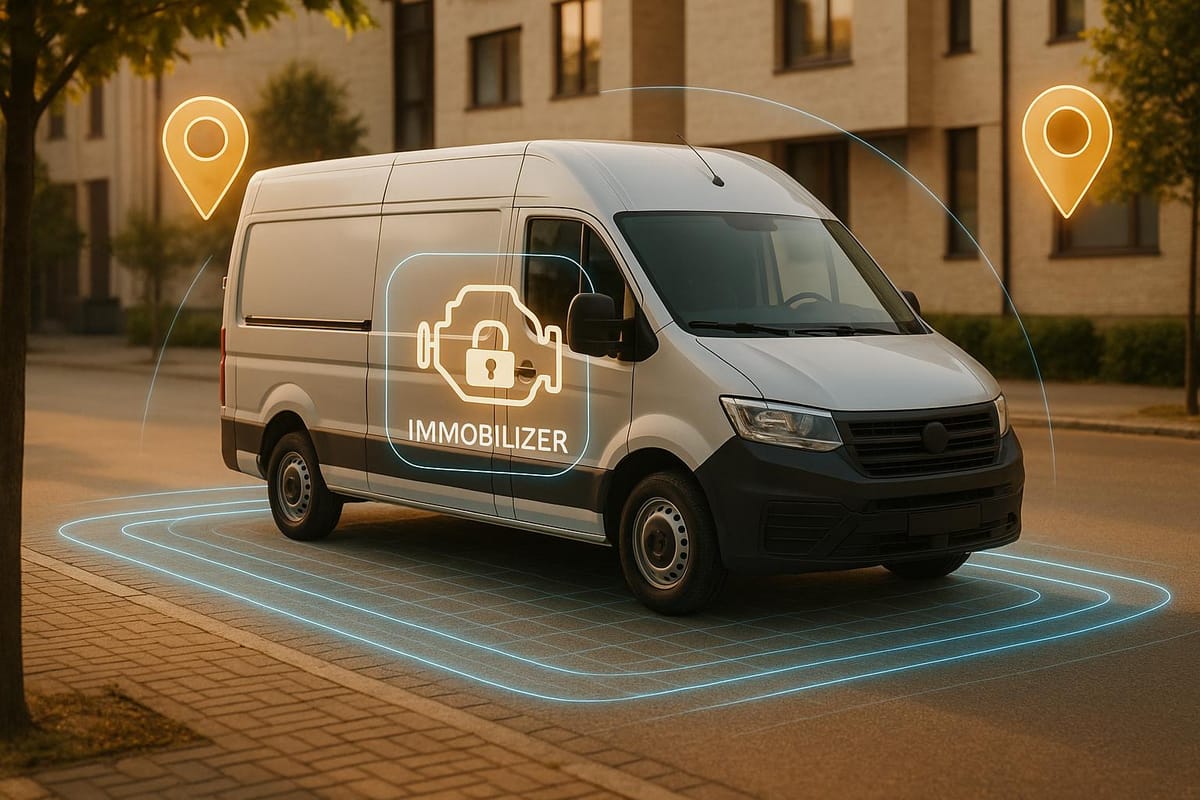
Van theft is a serious problem in the UK, with financial losses often extending beyond the cost of the vehicle itself. Modern van trackers now offer advanced tools to prevent theft and recover stolen vehicles. Here are the 7 key features every van owner or fleet manager should know about:
- Real-Time GPS Tracking: Constant updates on your van's location to deter theft and assist in recovery.
- Geofencing: Set virtual boundaries and receive alerts if the van moves outside designated areas.
- Dual-Tracker Technology: A backup tracker ensures continuous monitoring even if the primary tracker is tampered with.
- Anti-Jamming Capabilities: Protects against GPS signal interference using alternative technologies like VHF.
- Motion Sensors & Tamper Alerts: Detects unauthorised movement or attempts to disable the tracker.
- Remote Immobilisation: Stops the engine from starting if theft is detected.
- Police Integration: Works with UK law enforcement for fast recovery, supported by 24/7 monitoring centres.
These features work together to provide layered protection, reducing theft risks and improving recovery rates. Systems like those from GRS Fleet Telematics boast a 91% recovery rate for stolen vehicles, starting at £7.99/month. Whether for a single van or an entire fleet, these tools can safeguard your assets and lower insurance costs.
Top 4 Best GPS Trackers (2025) | Features & Installation
1. Real-Time GPS Tracking
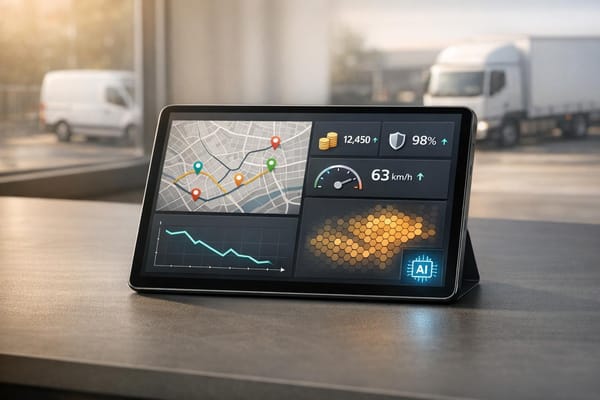
Real-time GPS tracking is at the heart of modern van security systems. By leveraging GPS satellites, this technology pinpoints a vehicle’s exact location and sends that data to a central monitoring centre. Unlike older systems that only updated location data at intervals, real-time tracking provides continuous, live updates on your van’s position, speed, and status. This uninterrupted stream of information not only enhances security but also serves as a foundation for additional protective features.
The constant visibility of your van’s location acts as a strong deterrent against theft. Knowing that a vehicle is being monitored in real time discourages potential criminals from targeting it. If a theft does occur, the live data feed enables quick action by recovery teams and law enforcement, significantly increasing the likelihood of retrieving the vehicle.
How It Prevents Theft
Real-time tracking is highly effective at preventing theft. Instant alerts via mobile notifications or email ensure that any suspicious activity is flagged immediately. This allows for rapid intervention, either stopping a theft in progress or enabling authorities to recover the van before it’s too late. The combination of continuous monitoring and swift response capabilities makes this technology a key tool in van security.
Dependable Technology
The reliability of real-time tracking systems is critical. These systems are designed to deliver consistent, accurate data, ensuring that alerts and location updates are always available when needed. This dependability is especially important when coordinating with recovery services in the UK.
Collaboration with UK Recovery Services
In the event of a theft, authorised recovery agents and police can access real-time tracking data through secure channels. This integration allows law enforcement to act quickly, using precise location information to recover the stolen vehicle efficiently. By turning live tracking data into actionable insights, these systems help streamline the recovery process.
Benefits for Fleet Management
Beyond security, real-time GPS tracking offers valuable features for fleet management. It provides detailed journey histories and geofencing alerts, helping businesses monitor their vehicles’ movements without compromising overall security. This dual functionality makes real-time tracking an essential tool for both safety and operational efficiency.
2. Geofencing and Boundary Alerts
Geofencing sets up virtual boundaries around specific areas where your vans operate. These digital perimeters can be placed around depots, job sites, or customer locations. If a vehicle crosses these boundaries without permission, the system immediately sends alerts to your mobile phone via push notifications or email.
This technology is a game-changer for theft prevention, as it detects unauthorised movement the moment it occurs. For example, if a van leaves the depot outside working hours, you'll receive an instant alert. This allows you to act quickly - whether that means contacting the police or recovery services - while the vehicle is still nearby, significantly boosting the chances of recovery.
Fleet managers can set up multiple geofenced zones to suit their business needs. A plumbing contractor, for instance, might create boundaries around key client locations, receiving automatic notifications when vans arrive or leave. Construction firms can monitor vehicles loaded with equipment at various project sites, with alerts triggered if a van moves during non-working hours. Delivery companies can establish perimeters around depots to ensure vans only leave during scheduled delivery times.
Theft Prevention Effectiveness
The real strength of geofencing lies in its alert system, which enables quick intervention. When a boundary is breached, you can immediately verify the situation - whether by contacting the driver to confirm authorised movement or reporting a theft to the police. This rapid response is a key factor in achieving high recovery rates. Additionally, geofencing helps deter unauthorised use by employees, as any movement outside designated zones triggers a notification, safeguarding assets and reducing potential insurance issues.
Time-based settings add another layer of security. Alerts can be configured to activate only during non-working hours, cutting down on false alarms during normal operations while keeping a close watch when vehicles should be stationary. This tailored approach ensures you're notified only when it matters most.
Technology Reliability
The effectiveness of geofencing depends on reliable GPS and GSM systems. While standard GPS trackers can be jammed, dual-tracker setups - combining wired GPS with hidden Bluetooth backups - ensure continuous monitoring. Additional safeguards, like movement and battery tamper alerts, notify managers immediately if someone tries to disable or remove the tracker.
Integration with UK Recovery Systems
Geofencing alerts provide the crucial first step in involving law enforcement. When a vehicle breaches a boundary, you can instantly contact local police with precise location data. Professional recovery teams, often available around the clock, work closely with the police to track and recover stolen vehicles. By reporting a geofence alert, these teams use real-time location updates to provide actionable information, streamlining the recovery process. This combination of instant alerts and established police partnerships creates a coordinated response that greatly improves recovery rates.
Application in Fleet Management
Geofencing isn’t just about security - it also boosts operational efficiency. The technology supports route planning and keeps a record of vehicle movements, which is especially useful for meeting regulatory requirements like mileage claims under HMRC guidelines.
It also ties into driver behaviour monitoring, offering insights like speed alerts within specific zones and eco-driving analytics. Fleet managers can access secure online accounts to review up to a year of location history, replay routes, and spot trends in vehicle use. This detailed reporting helps in making cost-saving decisions, such as reducing fuel consumption and improving overall efficiency.
Additionally, geofencing ensures compliance with site-specific safety rules. For example, construction sites often have speed limits, and geofencing can automatically track adherence to these restrictions. This not only improves safety but also ensures your fleet meets site requirements seamlessly.
3. Dual-Tracker Technology
Dual-tracker technology combines a hardwired GPS tracker with a hidden Bluetooth backup, ensuring uninterrupted location tracking even if one device is compromised. The primary tracker connects to the vehicle's power supply, while the backup remains discreetly hidden in an unexpected spot. This layered approach makes it significantly harder for thieves, as they would need to disable two independent systems - an effort that increases their chances of being caught.
This dual-layered system not only strengthens theft prevention but also works seamlessly with recovery operations.
Theft Prevention Effectiveness
The numbers speak for themselves: GRS Fleet Telematics reports a 91% recovery rate for stolen vehicles equipped with their dual-tracker system. This high success rate highlights the power of redundancy. If a thief disables or jams the primary GPS tracker, the Bluetooth backup steps in as the critical link for recovery. Since the backup operates independently of the vehicle's electrical system, it remains functional even if the van's battery is disconnected or its wiring is tampered with.
This technology is particularly effective against modern theft tactics. Thieves often target single trackers first, using GPS jammers or signal blockers. However, the dual-tracker system creates an alternative pathway for location data. If interference is detected, the backup activates immediately, ensuring continuous tracking and leaving no room for gaps in coverage.
Technology Reliability
What sets dual-tracker systems apart is their true redundancy. It's not just about having two devices - it’s about having two devices that work differently. The primary tracker delivers accurate location data under normal conditions, while the Bluetooth backup takes over in situations where GPS signals are blocked or jammed. This ensures that fleet managers receive consistent and reliable updates, regardless of environmental challenges or deliberate attempts to interfere with tracking.
The backup tracker, with its own power source, keeps transmitting even if the primary system is disabled. This reliability is particularly critical when coordinating with recovery teams in the UK.
Integration with UK Recovery Systems
Dual-tracker technology is designed to integrate smoothly with UK police recovery networks through established partnerships and 24/7 monitoring centres. When a vehicle equipped with this technology is reported stolen, GRS Fleet Telematics' recovery team works directly with law enforcement and professional recovery agents. Using data from both trackers, they can pinpoint the vehicle’s location quickly and accurately.
This collaboration ensures a fast, effective response. Instead of relying on a single tracking signal that could be compromised, recovery teams have access to multiple data sources. This means police can act with confidence, knowing the information they’re using is both current and precise.
Application in Fleet Management
Beyond theft prevention, dual-tracker technology offers continuous vehicle visibility, which is invaluable for fleet management. This uninterrupted tracking supports route planning, driver behaviour monitoring, and overall operational efficiency.
The system also integrates with immobilisation features to enhance security. If unauthorised movement is detected by both trackers, the immobilisation function can prevent the engine from restarting, enabling swift recovery.
For fleet operators managing multiple vehicles, this technology provides peace of mind at an affordable cost. With solutions from GRS Fleet Telematics starting at just £7.99 per month, the investment is far less than the potential costs of vehicle replacement, higher insurance premiums, and operational disruptions caused by theft.
Additionally, dual-tracker systems help with compliance and reporting. The continuous data stream ensures fleet managers have access to complete historical records, free from gaps caused by tampering or interference. This makes it easier to meet reporting requirements while maintaining confidence in the accuracy of their tracking data.
4. Anti-Jamming Capabilities
Signal jamming is a tactic often used by thieves to disable van trackers. By deploying portable GPS and GSM jammers, criminals can block the signals trackers rely on to transmit location data. Without strong anti-jamming measures, a van can essentially "disappear", making theft much easier. Anti-jamming technology is designed to keep trackers functional even when standard GPS and GSM signals are deliberately disrupted. Advanced systems take this further by employing multiple strategies to ensure signal integrity.
Technology Reliability
One effective solution to combat jamming is the use of VHF (Very High Frequency) technology. Operating on a different frequency band from standard GPS and GSM systems, VHF can track vehicles even in tricky environments like underground car parks, steel containers, or secure lock-ups where satellite signals often fail. Since most jamming devices target GPS and GSM frequencies, VHF signals usually remain unaffected. Additionally, VHF technology integrates with detection systems at major UK sea ports, boosting recovery efforts.
Another approach is redundancy. While dual-tracker systems were discussed earlier, their importance in anti-jamming technology cannot be overstated. If a GPS tracker is jammed, a secondary device ensures continuous monitoring. Hidden, self-powered trackers add another layer of security by staying operational even if the vehicle's battery is disconnected or its wiring is tampered with.
Advanced anti-jamming systems also provide real-time alerts, notifying fleet managers the moment a jamming attempt is detected. This immediate warning allows for a quick response - whether that’s contacting the police, activating immobilisation features, or dispatching a recovery team before the situation escalates.
Integration with UK Recovery Systems
Anti-jamming technology doesn’t just ensure tracking functionality; it also plays a critical role in recovery operations. Reliable anti-jamming systems are key to effective collaboration with police forces. For example, VHF detection systems are installed in over 1,700 police vehicles and across the national fleet of police helicopters in the UK. This extensive network ensures that recovery teams have uninterrupted access to tracking data, even when signal interference occurs.
At GRS Fleet Telematics, our 24/7 coordination between dedicated recovery teams and UK police forces relies heavily on the redundancy offered by our dual-tracker systems. This is particularly crucial during the first few hours after a theft, when the chances of recovery are highest.
Application in Fleet Management
For fleet managers, anti-jamming capabilities are a vital component of operational security. Keeping vehicles traceable under all circumstances not only helps deter theft but also supports other essential tasks like route planning, driver monitoring, and compliance reporting. This is especially valuable for businesses in high-theft urban areas or those managing vans carrying expensive equipment. Continuous tracking ensures a complete location history, no matter how frequently the vehicle stops or where it’s parked.
Anti-jamming technology also helps reduce insurance challenges, offering peace of mind that high-value assets are protected against sophisticated theft attempts. And with GRS Fleet Telematics, advanced anti-jamming protection is available for just £7.99 per month.
When combined with other security features - such as motion sensors, tamper alerts, and remote immobilisation - anti-jamming technology becomes part of a robust, multi-layered defence system. This makes vehicles harder to steal and significantly improves the chances of a quick recovery.
5. Motion Sensors and Tamper Alerts
Motion sensors and tamper alerts play a critical role in detecting theft attempts early on. Motion sensors identify unauthorised vehicle movement, while tamper alerts notify fleet managers if someone tries to interfere with, disable, or remove the tracking device. These instant notifications enable swift action when needed.
Theft Prevention Effectiveness
What makes these systems so effective is their ability to send alerts within seconds of detecting unauthorised activity. If a van moves without permission or someone tampers with the tracker, fleet managers receive instant notifications via app or email. For example, battery tamper alerts signal attempts to disconnect or interfere with the tracker's power source, while movement tamper alerts detect unexpected vehicle motion or physical removal of the tracker. Together, these features create a strong line of defence against theft, ensuring quick detection leads to faster responses.
Technology Reliability
Modern sensors and alerts are built with advanced redundancies to counter even sophisticated theft methods. For instance, dual-tracker setups ensure that tampering with one device doesn’t compromise the monitoring system.
Integration with UK Recovery Systems
These systems also integrate seamlessly with UK police networks, enabling a quicker response when theft occurs. Once an alert is triggered, fleet managers are immediately notified, allowing them to involve the police without delay. GRS Fleet Telematics collaborates closely with recovery agents and local police, supported by a 24/7 team that has achieved an impressive 91% recovery rate for stolen vehicles. This streamlined process reduces response times and significantly improves the chances of recovering stolen vehicles.
Application in Fleet Management
Beyond theft prevention, motion sensors and tamper alerts provide valuable insights for fleet management. They help monitor unauthorised vehicle use, detect idling, and flag unexpected movements during non-operational hours. This ensures fleet managers can address issues like vehicles being used outside designated hours or in restricted areas. Additionally, tracking driver behaviours - such as harsh braking, rapid acceleration, or speeding - enables managers to identify training opportunities, optimise routes, and even negotiate lower insurance premiums. With GRS Fleet Telematics, these features are available from just £7.99 per month, offering professional-grade protection and peace of mind for fleets of all sizes.
6. Remote Immobilisation
Remote immobilisation is a feature that prevents a van's engine from starting by cutting off its ignition system. If unauthorised movement is detected, fleet managers can immediately disable the vehicle. This quick action strengthens overall security by connecting detection with an instant response.
Theft Prevention Effectiveness
Remote immobilisation is highly effective at stopping theft before it escalates. When combined with instant alerts sent to fleet managers' mobile devices, it allows for a rapid response that often catches intruders by surprise. These alerts enable managers to immobilise the vehicle quickly, preventing it from being driven away.
This technology has also proven its worth in recovering stolen vehicles. It ensures that unauthorised users are unable to operate the van, offering reactive protection. Furthermore, driver recognition systems add an extra level of security by allowing only authorised individuals to start the vehicle.
Technology Reliability
The reliability of remote immobilisation is enhanced through dual-tracker redundancy, ensuring continuous protection even if one system fails.
Integration with UK Recovery Systems
Remote immobilisation works seamlessly with the UK's police recovery protocols. If a vehicle is reported stolen, the system can be activated at the request of the police to prevent the van from being moved during recovery operations. This coordination ensures that recovery efforts are efficient and prioritise the safety of officers. Additionally, systems certified by Thatcham meet UK insurance standards and are widely recognised by law enforcement, simplifying the recovery process.
Application in Fleet Management
Remote immobilisation isn't just about theft prevention; it’s also a valuable tool for managing fleets. Fleet managers can enforce geofencing boundaries - if a van leaves its designated area without permission, the system can disable further movement. It also integrates with driver behaviour monitoring systems, allowing real-time responses to policy violations. For example, if a vehicle operates outside approved routes or during unauthorised hours, it can be remotely disabled. This ensures that only qualified and insured personnel operate company vehicles, reducing liability and lowering insurance claims.
GRS Fleet Telematics provides customised packages that include remote immobilisation, helping businesses enhance security while addressing their unique operational requirements.
7. Police Integration and Recovery Support
When it comes to van trackers, integrating with police systems transforms them into powerful recovery tools. If a vehicle is stolen, having the ability to work closely with law enforcement can make all the difference between recovering the vehicle quickly and losing it entirely. Many tracking systems in the UK establish formal partnerships with police forces, creating efficient communication channels that enable faster responses.
Integration with UK Recovery Systems
Building on the advanced detection and alert features already discussed, police integration takes protection a step further by ensuring law enforcement can act swiftly. Some tracking systems rely on informal reporting methods, while others have formal partnerships with police agencies. Often, 24/7 monitoring centres act as the vital connection between tracking technology and police action, immediately detecting suspicious activity and alerting both fleet managers and law enforcement.
These monitoring teams work closely with recovery agents and police to locate and retrieve stolen vehicles efficiently. Real-time location data allows officers to intercept vans while they’re still in motion. For example, tracking systems are installed in over 1,700 police vehicles and across the national fleet of police helicopters, providing additional opportunities for recovery during routine patrols or operations.
Theft Prevention Effectiveness
Police integration complements features like remote immobilisation, enabling quicker and more effective intervention. Instant alerts ensure that the police receive precise location data as soon as suspicious activity is detected. Even if criminals attempt to disable the primary tracker, the hidden Bluetooth backup ensures continuous location tracking.
Remote immobilisation also plays a key role in recovery. If a stolen van is located, officers can request it be immobilised remotely, preventing suspects from escaping and improving safety for everyone involved, including the public.
Technology Reliability
Thatcham-certified devices meet strict UK insurance industry standards, ensuring both security and reliability. These certifications make Thatcham-approved trackers more likely to be recognised and supported by police forces, as they adhere to nationally agreed security protocols. This standardisation simplifies collaboration between tracking companies, insurers, and law enforcement, ultimately leading to better recovery outcomes.
The combination of a hardwired GPS tracker and a hidden Bluetooth backup ensures that law enforcement always has access to critical location data during recovery operations. This robust setup not only aids in theft recovery but also strengthens overall fleet security.
Application in Fleet Management
Fleet management platforms offer more than just operational efficiency - they also enhance police recovery efforts. Tools like real-time monitoring, journey history, and route planning generate detailed records of vehicle movements, which can serve as crucial evidence during theft investigations. This historical data helps police identify patterns and suspects when suspicious activity is flagged.
For businesses, police integration means their vehicles are safeguarded by systems actively supported by law enforcement. Detailed location data and journey history can play a pivotal role in successful prosecutions, offering the dual advantage of increased security and streamlined operations.
GRS Fleet Telematics provides tailored packages that include 24/7 recovery support, working directly with recovery agents and police. This focused approach ensures businesses benefit from cutting-edge tracking technology combined with strong partnerships with law enforcement.
Feature Comparison Table
Choosing the right van tracker depends on balancing your needs with your budget. Whether you're prioritising theft prevention, reliability, or cost, this comparison table provides a quick overview to help you decide. It summarises key features and their ideal applications, followed by a closer look at how each feature benefits both individual van owners and fleet operators.
| Feature | Theft Prevention Effectiveness | Technology Reliability | Cost Level | Ideal For |
|---|---|---|---|---|
| Real-Time GPS Tracking | High | High | From £7.99/month | All users – essential baseline |
| Geofencing & Boundary Alerts | Medium | High | Usually included | Managers monitoring multiple routes |
| Dual-Tracker Technology | Very High | Very High | Premium (from £79 hardware) | High-value vans and high-risk locations |
| Anti-Jamming Capabilities | Very High | Very High | Premium tier | Vehicles in challenging signal environments |
| Motion Sensors & Tamper Alerts | High | High | Usually included | All users – early warning system |
| Remote Immobilisation | Very High | High | Premium (from £99 hardware) | Fleet systems in high-theft areas |
| Police Integration & Recovery | Very High | Very High | Included with monitoring | All users – crucial for recovery |
Here’s a closer look at some of the standout features and their practical benefits:
Dual-tracker technology pairs a hardwired GPS tracker with a hidden Bluetooth backup. This ensures location tracking continues even if the main device is disrupted, making it a solid investment for those protecting high-value vans or operating in high-risk areas.
Anti-jamming capabilities rely on VHF technology to combat GPS/GSM signal interference. This feature is indispensable in environments where signals are often blocked, like underground car parks or metal storage units.
Remote immobilisation takes theft prevention a step further by disabling the engine when unauthorised activity is detected. Combined with police integration, it allows law enforcement to track and recover the vehicle while keeping it immobilised. Though it requires professional installation and comes with a higher cost, it’s particularly appealing to fleet operators managing multiple vehicles in high-theft zones.
For individual van owners, a practical and affordable option includes real-time GPS tracking, motion sensors, and police integration. For example, GRS Fleet Telematics offers this package starting at £7.99 a month, with essential hardware costing just £35. Motion sensors alert owners to unauthorised movement, while police integration ensures quick recovery in case of theft.
For fleet operators, a more extensive system is often worth the investment. Features like geofencing, driver behaviour monitoring, and remote immobilisation provide greater control and security. Geofencing, for instance, notifies managers if a vehicle leaves a designated area, helping to prevent unauthorised use. As fleets grow, these advanced features can reduce insurance premiums and recovery expenses.
The best security setup layers multiple features for maximum effectiveness. Real-time GPS tracking forms the foundation, while motion sensors and tamper alerts offer immediate warnings. Dual-tracker technology adds redundancy, police integration speeds up recovery, remote immobilisation halts theft, and anti-jamming capabilities protect against sophisticated interference. For those new to van tracking, starting with core features provides a solid base, with the flexibility to expand as needs evolve.
Conclusion
Securing your vans effectively means adopting a multi-layered system that works together to safeguard your vehicles. The seven features discussed in this guide combine to create a strong defence against theft while also aiding in recovery.
Here’s how these features work together: real-time tracking keeps you updated on your fleet’s location, geofencing sets up virtual boundaries that trigger alerts, dual trackers ensure location data even if one fails, anti-jamming technology thwarts signal blockers, motion sensors and tamper alerts detect unauthorised activity early, remote immobilisation disables vehicles when needed, and police integration facilitates quick intervention. This combination not only helps prevent theft but makes recovering stolen vehicles far more efficient.
The results speak for themselves. Systems that integrate these features, like GRS Fleet Telematics, boast impressive recovery rates - 91% of stolen vehicles are successfully retrieved with their technology.
When considering van tracker solutions, it’s about more than just individual features. The real power lies in how these elements interact. A basic GPS tracker may leave gaps in your security, but adding layers like motion sensors, remote immobilisation, and police integration creates a system with built-in redundancies and robust protection.
GRS Fleet Telematics provides this comprehensive security at a cost-effective price, with packages starting as low as £7.99 per month. This makes advanced van security accessible for businesses both large and small.
Whether you’re responsible for a single vehicle or an entire fleet, adopting a layered security approach not only improves recovery rates but can also lower insurance costs and deter potential thieves. Together, these features ensure your vans - and your business - are protected 24/7.
FAQs
How does dual-tracker technology help recover stolen vans more effectively?
Dual-tracker technology boosts the odds of recovering stolen vans by using two tracking methods: GPS and radio frequency. This two-pronged system means that even if one signal is jammed or interfered with, the other can still pinpoint the van's location.
With an impressive 91% recovery rate, these systems provide strong protection and reassurance, making them a crucial security measure for van owners and businesses across the UK.
What should I do if my van leaves a geofenced area outside of working hours?
If your van moves beyond a geofenced boundary outside working hours, you'll usually get an instant alert about the breach. This gives you the chance to act quickly - whether that's contacting the police or checking the van's live location using your tracking system.
Geofencing works by setting up virtual boundaries around designated areas, adding an extra layer of security. If the vehicle is moved without permission, it helps you respond promptly and reduce risks like theft or improper use.
What are anti-jamming capabilities, and how do they keep my van tracker working reliably?
Anti-jamming features are specialised tools that protect your van tracker from deliberate attempts to block or disrupt its GPS signals. These systems are designed to detect interference caused by jamming devices and take action to minimise their impact, ensuring your tracker continues to send accurate location data, even under challenging conditions.
This technology is particularly important in preventing theft. By maintaining real-time tracking, it increases the chances of recovering your vehicle if it’s stolen. With anti-jamming in place, your van tracker remains dependable, offering consistent performance to help safeguard your assets effectively.