Ultimate Guide to IoT Fleet Diagnostics
How connected OBD-II devices, GPS and AI enable real-time monitoring, predictive maintenance and theft prevention to cut costs and downtime for UK fleets.

IoT fleet diagnostics simplifies fleet management by using connected devices and sensors to monitor vehicle health, driver behaviour, and performance. These systems collect data from sources like GPS, engine sensors, and OBD-II ports, providing real-time insights to reduce costs, improve safety, and prevent breakdowns. Key benefits include:
- Real-Time Monitoring: Track vehicle location, speed, and fuel usage.
- Predictive Maintenance: Spot potential issues early to cut downtime and repair costs.
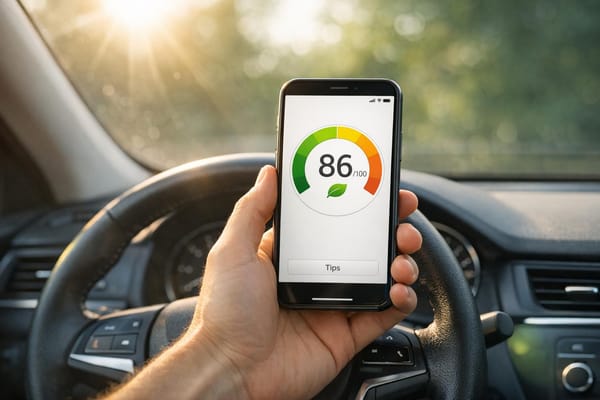
- Driver Behaviour Tracking: Identify risky driving habits to enhance safety and lower insurance premiums.
- Theft Prevention: Dual-tracker systems achieve up to 91% recovery rates.
By integrating IoT diagnostics with existing systems, fleet managers can automate maintenance schedules, optimise routes, and save money. For example, businesses have reported annual savings of £660 per vehicle, with fuel efficiency improvements of 13–18% and reduced accident-related costs. GRS Fleet Telematics offers affordable solutions, starting at £7.99 per month, with hardware priced between £35 and £99.
This guide explains how to implement IoT diagnostics, integrate them with your systems, and calculate ROI, helping UK businesses transition to smarter fleet management.
IoT Fleet Management Explained | DeepSea Developments
Core Components of IoT Diagnostics Systems
An IoT fleet diagnostics system hinges on three key hardware elements: telematics devices with OBD-II integration, engine health sensors, and GPS with driver behaviour monitoring. Together, these components gather, analyse, and transmit data, giving fleet managers a clear picture of vehicle performance and driver behaviour.
OBD-II devices are the starting point. These plug directly into the standardised 16-pin diagnostic port, a requirement in Europe since 2001. Once connected, they tap into the vehicle’s Engine Control Unit (ECU), pulling over 300 data points such as diagnostic trouble codes (DTCs), fuel usage, emissions levels, battery voltage, coolant temperature, engine RPM, and throttle position. Using 4G LTE and 5G networks, these devices send the data to cloud dashboards. 5G-enabled models offer lightning-fast speeds with latency under 10 milliseconds, ensuring real-time diagnostics for instant insights into vehicle health.
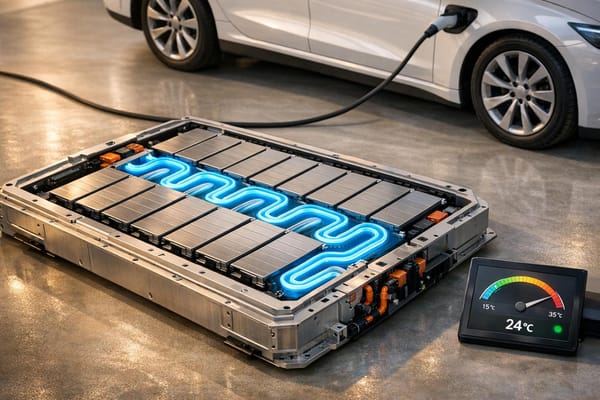
Next are engine health and predictive sensors, which are essential for spotting potential issues before they escalate. Advanced telematics devices equipped with edge computing process diagnostic data locally, identifying faults and predicting component wear without needing to send everything to the cloud first. This allows for automated preventive maintenance and the creation of digital Driver Vehicle Inspection Reports (DVIR) based on live odometer readings and engine health metrics.
"The OBD II device opens up a multitude of interesting possibilities... An X-ray vision into your fleet ensures vehicle uptime".
Finally, GPS and driver behaviour sensors monitor location, speed, and driving habits like harsh braking, rapid acceleration, and sharp turns. Security sensors add another layer of protection, with features like jamming detection, collision impact alerts, and battery disconnect sensors to deter theft. On top of this, dashboard-mounted coaching devices provide real-time feedback to drivers, helping them address safety violations or inefficient driving patterns immediately.
The integration of 5G technology and AI-powered dash cams is also transforming fleet management. These cameras work alongside OBD-II diagnostics to detect distracted driving and potential collision risks. This innovation has helped drive the global fleet telematics market to an estimated £73.1 billion by 2025, with an annual growth rate of 8.7%. For UK fleet managers, GRS Fleet Telematics offers solutions ranging from basic wired trackers priced at £35 (75% recovery rate) to premium dual-tracker systems at £99, achieving a 91% recovery rate with full immobilisation features.
This solid hardware framework sets the stage for the data-driven maintenance strategies that will be explored in the following sections.
How to Implement IoT Diagnostics in Your Fleet
Step-by-Step Deployment Process
To roll out IoT diagnostics effectively, start by choosing the right hardware for your fleet's specific needs. For operations where compliance is critical, opt for hardwired, tamper-resistant devices that require professional installation. For fleets with a high turnover of vehicles, self-install OBD-II trackers are ideal - they're simple to plug in and don’t need expert setup. If you're monitoring non-powered assets like trailers or containers, battery-powered sensors are a practical choice, offering durability and long battery life. Adding AI-enabled dash cams can further boost safety by providing real-time alerts for issues like distracted driving or other safety breaches.
Professional installation by certified technicians is key to avoiding malfunctions and protecting your warranties. GRS Fleet Telematics offers a range of hardware solutions, from the Essential tracker priced at £35 (with a 75% recovery rate) to the Ultimate dual-tracker system at £99, which includes GPS, Bluetooth backup, and remote immobilisation features.
Before committing to a full-scale deployment, run a pilot programme with 10–20% of your vehicles for 2–4 weeks. This trial period allows you to verify data accuracy, assess system reliability, and address any integration challenges early on. Start with basic alerts to avoid overwhelming your team, and gradually expand to more advanced analytics. Highlighting benefits like enhanced safety and reduced paperwork can help secure driver acceptance.
Once the hardware is in place, the next step is integrating the diagnostics into your existing systems to streamline operations.
Integration with Existing Fleet Systems
After deploying the hardware, focus on connecting your IoT diagnostics to your current enterprise systems. Use REST APIs to link vehicle tracking hardware with tools like CRM, ERP, billing, payroll, or inventory management. This integration eliminates manual data entry, creating a seamless flow of information. Open-platform telematics ensures the system works with different vehicle brands, avoiding vendor lock-in. For example, in 2023, Beacon Mobility used advanced telematics APIs to unify data from various maintenance platforms, cutting vehicle downtime by 18% and improving compliance reporting accuracy by 22% within six months. Similarly, Actavo Group, which oversees 2,000 vehicles across 29 airports, leveraged API integration to reduce fuel consumption by 60% while significantly lowering operational costs.
Security should be a top priority. Ensure all API connections are encrypted with TLS/SSL and use role-based access controls to safeguard sensitive information. It’s also crucial to verify that your system processes UK-specific formats correctly, such as GBP currency, DD/MM/YYYY date formats, and metric units, to maintain compliance and accuracy. Opting for providers that offer Over-the-Air (OTA) updates can make it easier to manage firmware and carrier profiles remotely.
With these integrations in place, you can unlock the full potential of your system through remote monitoring.
Remote Monitoring and Real-Time Alerts
Once your IoT diagnostics system is fully operational, remote monitoring becomes a game-changer for fleet management. Real-time dashboards pull data from OBD-II ports, engine sensors, and GPS trackers, giving you instant insights into vehicle performance, driver behaviour, and location. Automated alerts notify you immediately of critical issues like diagnostic trouble codes, unusual fuel consumption, or overdue maintenance.
GRS Fleet Telematics' dual-tracker systems combine GPS with Bluetooth backup, ensuring uninterrupted monitoring even if the primary system fails. This setup achieves a 91% recovery rate for stolen vehicles. Predictive maintenance alerts, triggered by live diagnostics, can reduce vehicle downtime by up to 25%, keeping your fleet running smoothly and profitably.
"By integrating GPS fleet tracking, businesses can improve not only their security but also their operational efficiency." – Fleetsmart
To manage alerts effectively, focus on critical issues first - such as engine faults, theft attempts, and safety violations - while less urgent notifications can be summarised in daily or weekly reports. This approach prevents alert fatigue and ensures your team can respond promptly to the most pressing concerns.
Data Analysis and Predictive Maintenance Benefits
Real-Time Dashboards for Fleet Performance
Real-time dashboards take raw IoT data and turn it into practical insights, making fleet management much easier. They combine information from various sources - like OBD-II diagnostics, GPS trackers, fuel sensors, and driver behaviour monitors - into one simple, user-friendly interface. This allows you to track fuel usage, identify driving trends, and monitor engine health all in one place. With this level of visibility, you can tackle inefficiencies before they spiral into expensive problems.
Take The Bradfords Group as an example. In January 2023, they introduced a custom "Magnificent Seven" scorecard through integrated fleet management tools. This system tracked seven critical driving behaviours and helped cut operational costs by 2–4%. It also provided the evidence needed to counter a false incident claim. By measuring metrics like fuel consumption, maintenance expenses, and accident rates before implementing such tools, you can clearly show improvements and prove ROI to stakeholders.
To prevent notification overload, consider a tiered alert system. Critical events - like theft attempts or accidents - should trigger immediate SMS alerts, while routine updates, such as maintenance reminders or weekly summaries, can be grouped into periodic reports. Validating telematics data regularly by comparing it with physical odometer readings and fuel records is another way to ensure the accuracy needed for confident decision-making.
These dashboards don’t just highlight current performance; they also pave the way for predictive maintenance, helping you take timely action to avoid costly breakdowns.
Predictive Maintenance and Cost Savings
Using real-time insights, fleets can shift from reactive fixes to proactive, condition-based maintenance. IoT diagnostics constantly track factors like engine health, brake wear, transmission performance, and battery condition. When an issue begins to surface, the system notifies you, allowing for early intervention. This approach not only reduces emergency repair costs but also extends the lifespan of your vehicles.
Condition-based servicing focuses on actual usage - such as mileage, engine hours, or component wear - so you can avoid unnecessary maintenance while preventing major delays. For instance, if brake pads wear out faster due to urban driving conditions, the system can notify you to replace them in time, lowering safety risks and repair expenses.
The financial upside is clear. Research shows that 79% of businesses experience a positive ROI within the first year of adopting real-time GPS tracking. Early issue detection keeps repair costs down, prolongs vehicle life, and reduces the need for emergency callouts. A good starting point is to set up basic alerts first, then gradually incorporate more advanced AI-driven analytics as your team gains confidence with the system.
Calculating ROI from IoT Fleet Diagnostics
Fuel Efficiency and Operating Cost Savings
Fuel expenses make up a significant chunk of operating costs, ranging from 30% to 60%. To understand the impact of IoT diagnostics, start by recording baseline metrics such as fuel usage per mile, monthly fuel expenditure, and idle times before deployment.
IoT diagnostics can help identify where fuel is being wasted. For instance, excessive idling burns around 0.5 gallons (2.3 litres) of fuel per hour, and aggressive driving can increase fuel consumption by as much as 40%. Even minor speed violations have an impact - driving just 5 mph over a 50 mph limit can add approximately £0.14 per gallon (around £0.03 per litre) to fuel costs. By implementing real-time alerts for behaviours like idling and harsh driving, inefficiencies can be significantly reduced.
A real-world example: in 2025, Hill Country Construction integrated fuel management systems across its 180-vehicle fleet. This resulted in a 13% drop in fuel consumption, a 10% reduction in mileage through optimised routing, and an 80% decrease in maintenance costs via predictive scheduling - saving the company £650,000 annually. Similarly, a logistics company in Ashford achieved an 18% reduction in annual fuel expenses in the same year by adopting smarter routing and driver training programmes.
On average, fleet tracking saves businesses £660 per vehicle annually, with £240 of that directly attributed to fuel savings. To calculate your return on investment (ROI), use this formula:
ROI = (Financial Gains – System Costs) / System Costs.
With subscription costs starting at £7.99 per vehicle per month and hardware priced between £35 and £99, many fleets see a positive ROI within the first year.
But fuel savings are just one part of the equation - reducing downtime and preventing theft can further amplify your returns.
Downtime Reduction and Theft Prevention Metrics
Minimising downtime and preventing theft are critical for improving fleet efficiency. When a vehicle is out of action for repairs or stolen, the costs go beyond the asset itself. Lost revenue, replacement transport expenses, and potential insurance premium hikes all add up.
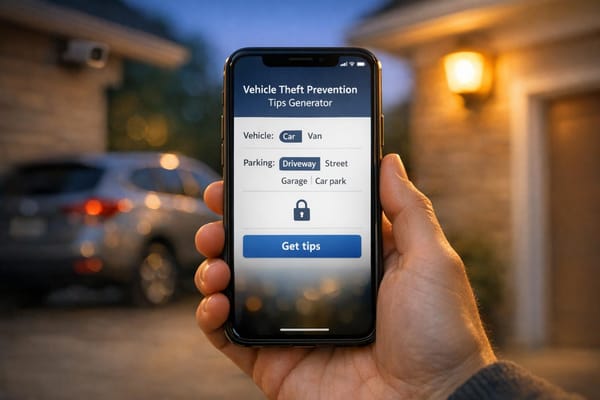
Advanced theft prevention tools can significantly reduce financial losses. For example, dual-tracker systems improve recovery rates, cutting potential losses from a stolen £25,000 van to just £2,250. Monitoring driver behaviour also has a direct impact, reducing accident-related costs by 22%. In 2025, a courier service in Canterbury implemented real-time tracking and driver monitoring, leading to a 35% reduction in vehicle accidents within the first year.
To maximise these benefits, use tiered alerts. Immediate SMS notifications should be triggered for critical events like theft attempts or accidents, while less urgent reminders, such as routine maintenance, can be summarised weekly to prevent alert fatigue.
ROI Comparison Table
The following table highlights key metrics and savings achieved after IoT deployment:
| Metric | Before IoT | After IoT | Annual Saving (per vehicle) |
|---|---|---|---|
| Fuel consumption | Baseline | 13–18% reduction | £240 |
| Maintenance costs | Reactive scheduling | Predictive scheduling | £300 |
| Theft recovery rate | 40–50% | 91% | £2,250 (per incident) |
| Accident-related costs | Baseline | 22% reduction | £120 |
| Total Average Saving | - | - | £660+ |
For example, a logistics firm in Manchester reported saving £100,000 annually by using telematics for route optimisation and fuel management. Additionally, 79% of businesses achieve a positive ROI within the first year of implementing real-time GPS tracking. By establishing your baseline metrics before deploying IoT solutions and then tracking improvements in areas like fuel efficiency, maintenance, theft prevention, and accident reduction, you can clearly demonstrate the financial gains.
GRS Fleet Telematics: IoT Diagnostics for UK Businesses
GRS Fleet Telematics Pricing Packages Comparison
GRS Fleet Telematics stands out as a solution for businesses looking to enhance fleet performance and security. This cloud-based platform delivers real-time vehicle monitoring, offering updates every 60 seconds, while integrating robust security features to safeguard assets. Whether you're a small business with a single vehicle or managing a large fleet, the system adapts to your needs, storing up to 365 days of journey data. Users have reported average annual savings of £14,694.25 per fleet through improved efficiency.
Dual-Tracker Technology and Theft Recovery
Security is a core aspect of GRS Fleet Telematics, with its dual-tracker technology at the forefront. This system combines a primary GPS tracker with a hidden Bluetooth backup unit, ensuring vehicles remain traceable even if the main tracker is disabled or jammed. While single-tracker systems typically recover 75% of stolen vehicles, the dual-tracker setup increases recovery rates to 91%. Additional features like geofencing alerts and optional remote engine immobilisation provide an extra layer of security, notifying users of unauthorised movements or allowing them to disable vehicles remotely.
| Technology Component | Function | Key Security Advantage |
|---|---|---|
| GPS/GSM Tracker | Real-time location tracking | Accurate positioning and status updates |
| VHF/Bluetooth Backup | Secondary radio frequency tracking | Works underground; resistant to jamming |
| Immobilisation | Remote engine cutoff | Prevents unauthorised vehicle movement |
| Geofencing | Virtual boundary monitoring | Instant alerts for boundary breaches |
Flexible Pricing Plans
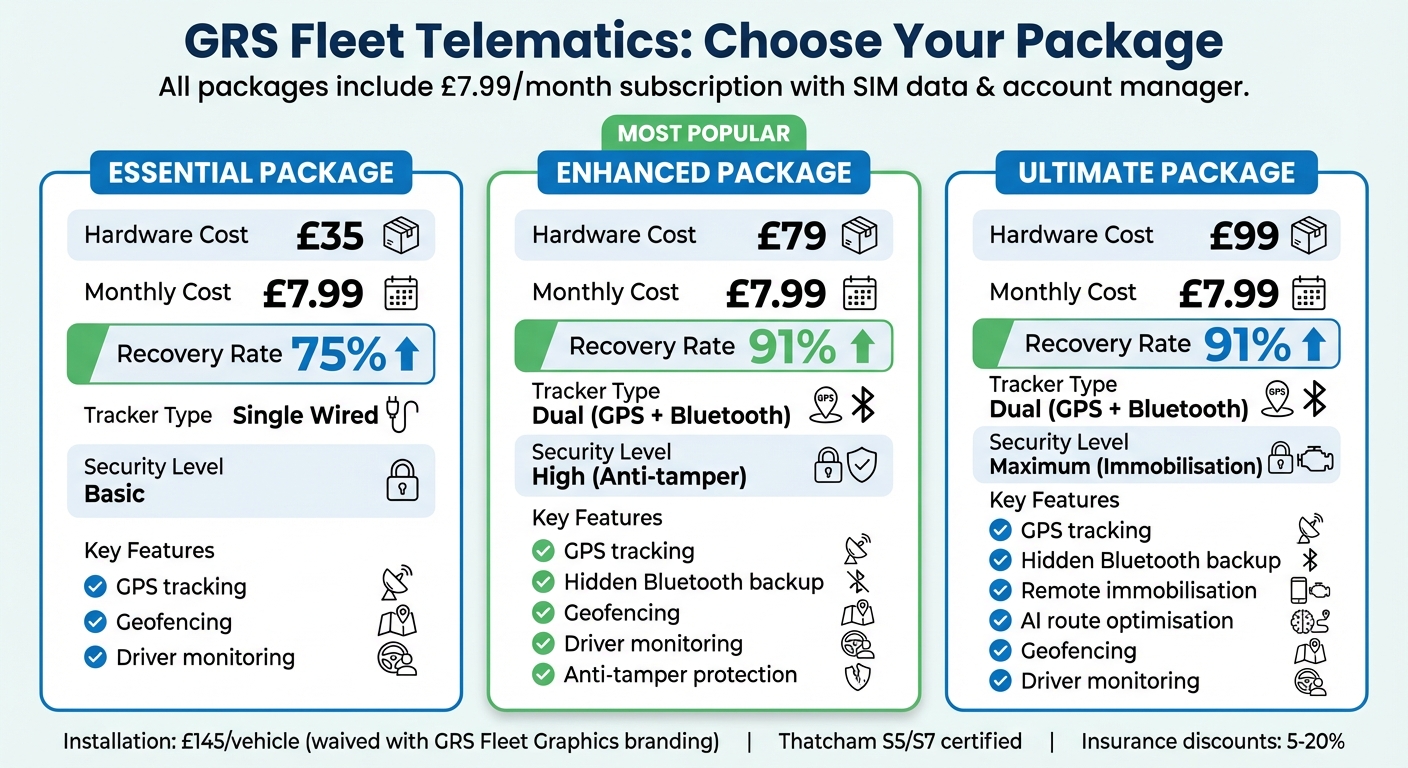
GRS Fleet Telematics offers three hardware packages to suit different needs, all paired with a £7.99 monthly subscription per vehicle. This subscription includes SIM data, access to the platform, and a dedicated account manager.
- Essential Package (£35 upfront): A single wired tracker for basic real-time tracking, offering a 75% recovery rate.
- Enhanced Package (£79 upfront): Adds a hidden Bluetooth backup tracker, boosting recovery rates to 91% and providing anti-tamper protection.
- Ultimate Package (£99 upfront): Includes both trackers, remote engine immobilisation, and AI route optimisation for maximum security.
| Feature | Essential Package | Enhanced Package | Ultimate Package |
|---|---|---|---|
| Hardware Cost | £35 | £79 | £99 |
| Monthly Cost | £7.99 | £7.99 | £7.99 |
| Recovery Rate | 75% | 91% | 91% |
| Tracker Type | Single Wired | Dual (GPS + Bluetooth) | Dual (GPS + Bluetooth) |
| Security Level | Basic | High (Anti-tamper) | Maximum (Immobilisation) |
| Key Features | GPS, Geofencing, Driver Monitoring | Hidden Backup Tracker | Remote Immobilisation, AI Route Optimisation |
Installation costs £145 per vehicle, but this fee is waived when bundled with GRS Fleet Graphics branding. Additionally, the hardware is Thatcham S5/S7 certified, which may qualify fleets for insurance discounts of 5% to 20%, depending on the insurer.
Additional Features and Benefits
Beyond theft prevention, GRS Fleet Telematics includes tools for fleet optimisation. Features like driver safety monitoring track behaviours such as speeding and harsh braking, while eco-driving analytics help reduce fuel costs. Geofencing can set virtual boundaries around job sites or restricted areas, triggering instant alerts when these zones are entered or exited. For added convenience, the system offers 24/7 recovery support on a pay-per-recovery basis, eliminating upfront recovery fees.
The hardware itself is compact (approximately 80 mm × 50 mm × 20 mm), allowing for discreet installation and reducing the risk of detection by thieves. For businesses looking to maintain consistent branding, a white-label option is also available, enabling the platform to be customised for internal use or resale.
Conclusion
The insights in this guide highlight how IoT fleet diagnostics have become a cornerstone for UK commercial fleets. With the global IoT fleet management market expected to grow from £8.3 billion in 2026 to £13.6 billion by 2030, advancements like real-time tracking, predictive maintenance, and integrated analytics are driving this expansion. For UK fleet managers, faced with a 21% increase in light commercial vehicle registrations - including over 20,000 new battery electric vans in 2023 - IoT diagnostics offer the tools needed to streamline operations and cut costs by up to 15%.
Key benefits include predictive maintenance that reduces breakdown risks and real-time dashboards that convert data on fuel usage, driver behaviour, and vehicle health into actionable strategies. Advanced telematics can enhance operational efficiency by 15–25%, potentially saving over £2,000 per vehicle each year. On the security front, features like dual-tracker technology significantly lower theft risks, achieving a 91% recovery rate. These advantages make IoT diagnostics a practical and impactful solution for UK fleets.
For businesses looking to adopt this technology, GRS Fleet Telematics offers an affordable starting point, with prices beginning at £7.99 per month. The platform delivers a comprehensive suite of tools, including dual-tracker technology, geofencing alerts, and driver safety monitoring, tackling challenges like theft prevention and compliance management.
To maximise these benefits, start by piloting IoT diagnostics on high-value vehicles, setting clear metrics for fuel efficiency and downtime, and integrating IoT data into existing systems. The technology is most effective when used strategically - monitoring key metrics, automating alerts for anomalies, and leveraging driver scorecards to enhance safety and efficiency over time. With careful planning and the right platform, IoT diagnostics shift fleet management from a reactive approach to proactive optimisation.
FAQs
Which tracker type is best for my fleet?
When choosing a tracker, it all comes down to what your fleet requires. Wired trackers are a solid choice for larger fleets or operations that demand high security. They provide real-time tracking and anti-tampering features but do need professional installation. On the other hand, Bluetooth trackers are portable, easy to set up, and budget-friendly, making them ideal for smaller or seasonal fleets. However, they have a shorter range and only basic tamper alerts. If security is your top priority, wired trackers are the way to go. But if you need something flexible and affordable, Bluetooth trackers are a smart option.
How do I integrate IoT diagnostics with our systems?
To set up IoT diagnostics for your fleet, the first step is connecting your vehicle tracking hardware - such as GPS trackers - to your fleet management software through APIs. This connection allows for a smooth flow of real-time data and automation.
Begin by outlining your objectives, ensuring your systems are compatible, and drafting a clear implementation plan. Next, install the necessary hardware, integrate it using APIs, and confirm that your setup complies with UK GDPR regulations. This approach will enable effective diagnostics, better vehicle monitoring, and streamlined operations.
What’s the quickest way to prove ROI?
The quickest way to demonstrate ROI in IoT fleet diagnostics is by highlighting immediate cost savings through predictive maintenance and real-time data monitoring. Predictive maintenance can slash unplanned downtime by up to 2.5 times and lower maintenance costs by as much as 36%. Meanwhile, real-time monitoring can help fleets save up to 20% on repair and fuel expenses. These measurable benefits offer clear and quick returns.