Ultimate Guide to Heavy Vehicle Tracking Systems
Explore essential features and benefits of heavy vehicle tracking systems to enhance fleet efficiency, security, and compliance in the UK.
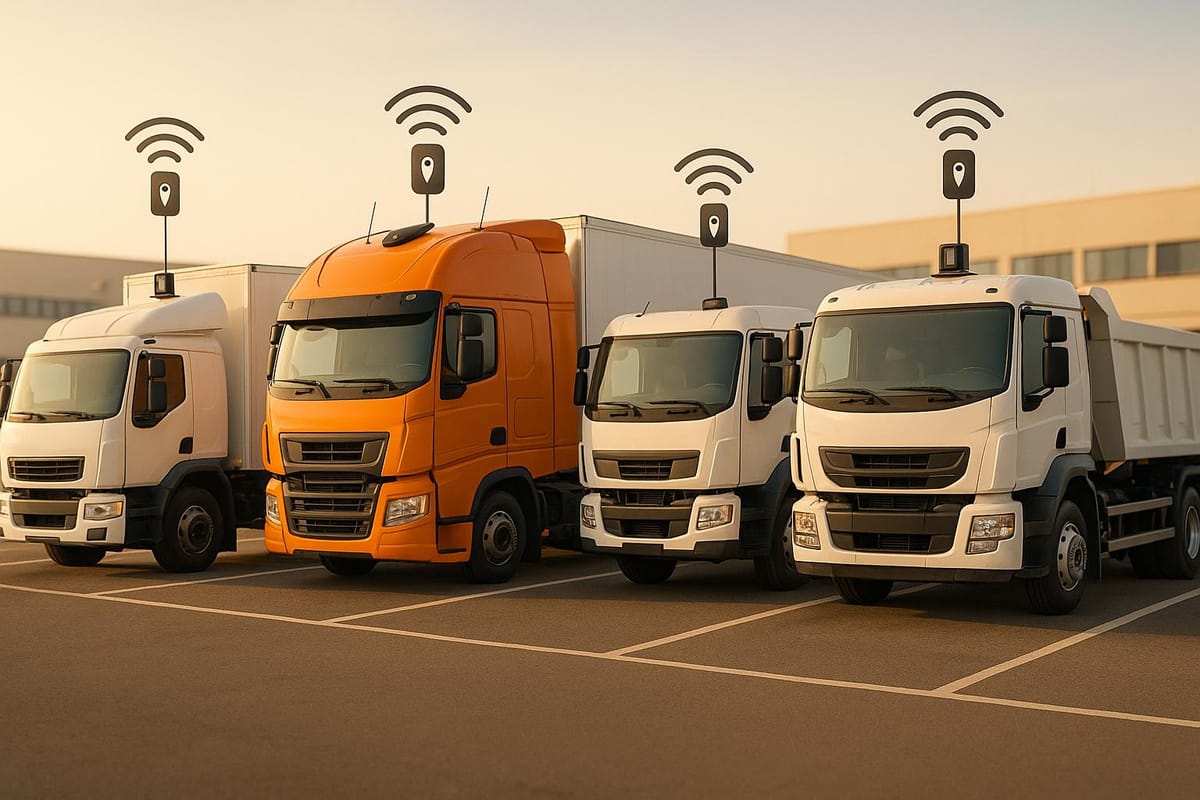
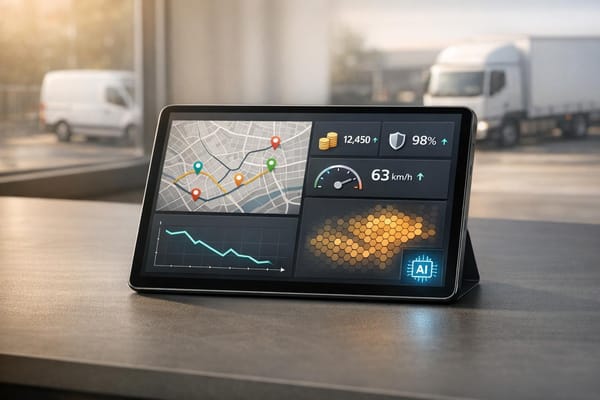
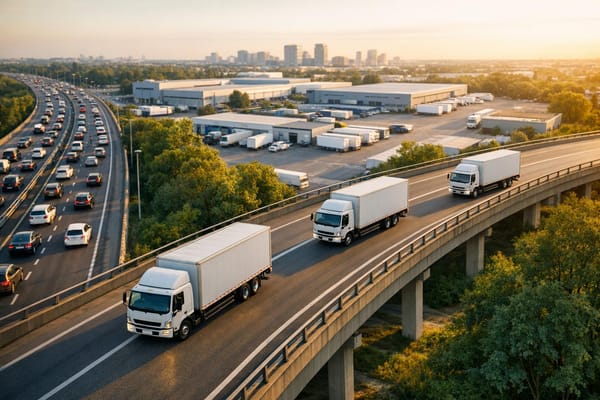
Heavy vehicle tracking systems are essential tools for managing fleets of lorries, HGVs, and plant machinery in the UK. These systems use GPS and telematics to provide real-time location data, monitor vehicle performance, and improve fleet security. Here's what you need to know:
- Key Features: Real-time tracking, geo-fencing, driver behaviour monitoring, route optimisation, and integration with vehicle diagnostics for maintenance and fuel tracking.
- Benefits: Reduced fuel costs, improved compliance with UK regulations, enhanced theft prevention, and streamlined fleet management.
- Security: Dual-tracker setups, remote immobilisation, and 24/7 recovery support significantly reduce theft risks, with recovery rates of stolen vehicles reaching up to 91%.
- Compliance: Systems help with GDPR adherence, driver hour tracking, and automated reminders for MOTs and insurance renewals.
- Costs: Basic systems start at £7.99/month, with hardware ranging from £35 to £99, and installation costs varying based on the setup.
Fleet managers can use these systems to improve efficiency, reduce costs, and meet legal requirements while ensuring vehicle security. The right system combines durable hardware with user-friendly software, tailored to your fleet's needs.
How to Install a GPS Tracker for Heavy Equipment | Service Call Series
Core Components and Technologies
Heavy vehicle tracking systems are built on two essential pillars: durable hardware designed to endure tough conditions and advanced software that turns raw data into actionable insights. Understanding these components is key for fleet managers looking to select the right system for their operations.
Hardware for Heavy Vehicles
At the heart of any tracking system lies its hardware, crafted to handle the rigours of commercial vehicle use. Hardwired trackers are a reliable choice for heavy vehicles, connecting directly to the vehicle's electrical system. This setup ensures uninterrupted tracking, removes concerns about battery life, and provides tamper-resistant installation to deter theft.
For vehicles operating in harsh environments, rugged devices with IP67 ratings offer protection against dust, water, and extreme conditions. These devices often provide second-by-second location updates and detailed engine data, making them ideal for fleets in construction or logistics that need precise monitoring.
Battery-powered trackers are also an option, particularly for trailers or equipment without a constant power source. Modern units can function for up to two years, making them suitable for assets that are stationary for long periods.
When choosing hardware, UK fleets should look for features like 4G LTE connectivity for consistent data transmission, strong battery backups to maintain tracking during power outages, and tamper alerts to detect unauthorised interference. Additionally, integration with vehicle diagnostics via CAN bus connections allows for detailed monitoring of engine health, fuel usage, and maintenance needs.
But hardware is only part of the equation - software is equally crucial for turning data into insights.
Software Features for Tracking
While hardware collects data, advanced software makes sense of it, offering fleet managers the tools they need for effective decision-making. Real-time tracking is a fundamental feature, providing live updates on vehicle locations, speed, and status through web dashboards or mobile apps. Geofencing technology adds another layer, allowing managers to set virtual boundaries and receive alerts when vehicles enter or leave specific areas.
Driver behaviour monitoring is another key feature, capturing data on speeding, harsh braking, and sharp cornering. This information supports driver training programmes and can even help lower insurance premiums by demonstrating improved safety practices. Some platforms also provide live tracking of driver behaviour, enabling immediate action when unsafe patterns are detected.
Route optimisation tools are invaluable for analysing traffic, delivery schedules, and vehicle capabilities to suggest the most efficient paths. This can lead to significant savings by cutting fuel costs and reducing delivery times.
Maintenance scheduling features integrate with vehicle diagnostics to predict service needs and avoid breakdowns. Advanced systems can turn engine data into reports and alerts, helping managers enhance performance and stay compliant with regulations.
Finally, reporting tools provide detailed analytics on fuel consumption, vehicle usage, and overall efficiency. These insights not only support compliance but also help identify ways to cut costs and improve operations.
UK Compliance and Legal Requirements
In addition to operational features, tracking systems in the UK must comply with legal and data protection standards. This includes adhering to the General Data Protection Regulation (GDPR) and the Data Protection Act. Fleet managers must clearly communicate with employees about the purpose of tracking and obtain explicit consent before installation.
Employee privacy is a critical consideration. Companies need clear policies explaining how tracking data will be used, ensuring it serves legitimate business purposes rather than intrusive monitoring. Data must also be stored securely, with defined retention periods, and processed transparently. Failing to meet these standards can result in hefty fines.
To simplify compliance, many modern tracking systems offer automated features that track MOTs, insurance renewals, and driver licence checks, sending reminders to keep fleets audit-ready and reduce administrative workload.
Regular audits are essential to ensure systems remain compliant with evolving regulations. Fleet managers should routinely check that hardware is secure, software is updated, and data protection measures are robust enough to meet current legal standards. This proactive approach helps avoid penalties and ensures smooth operations.
Installation and Setup
Installing a heavy vehicle tracking system takes careful planning and precision. The process varies depending on the type of device you select, and following best practices can help minimise disruptions to your fleet while ensuring the system operates at its best. These steps build on the core functions of the system discussed earlier.
How to Install Tracking Devices
The installation method depends on whether you choose hardwired trackers or battery-powered units. For heavy-duty vehicles operating in challenging conditions, hardwired systems are often the go-to choice because they offer reliability and uninterrupted operation.
Professional Installation for Hardwired Systems
Hardwired trackers connect directly to your vehicle's electrical system. Installation involves mounting the GPS device and linking it to the OBDII port to access diagnostic data. This setup ensures continuous tracking without worrying about battery life and provides a tamper-resistant solution.
Some providers, such as GRS Fleet Telematics, even use a dual-tracker system for added security. Professional installers usually arrange their visits to fit your fleet's schedule, helping to minimise downtime.
Self-Installation Options
For a simpler alternative, battery-powered trackers are a practical choice. Modern options can last up to two years before requiring maintenance. These are especially useful for trailers or equipment that lack a constant power source. Installing these devices is straightforward, often involving magnetic mounts or basic wiring. However, they may not offer the advanced diagnostics or tamper resistance of hardwired systems.
Proper installation is crucial for improving fleet security and meeting compliance standards.
Pre-Installation Planning
Before starting, conduct a detailed audit of your fleet to ensure the devices are compatible with all vehicles. For larger fleets, plan installation schedules well in advance to minimise operational disruptions.
Training and System Setup
Once the devices are installed, fine-tuning the system settings and training your team are essential to maximise its potential. Even the most advanced tracking system won't deliver results without properly trained users.
Fleet Manager Training
Fleet managers should receive thorough training on using the system, including navigating the interface, interpreting data, and managing alerts. Training often covers tasks like setting up geofences, configuring maintenance reminders, and integrating the system with existing management software. For example, GRS Fleet Telematics provides UK-specific features like compliance monitoring and security alerts. Hands-on training, such as responding to unauthorised vehicle movements or investigating unusual fuel usage, can significantly improve efficiency.
Driver Education and Engagement
Educating drivers is just as important. Focus on the benefits of the system, such as enhancing safety, providing assistance during breakdowns, and potentially reducing insurance costs. Addressing privacy concerns by explaining the system's purpose can help foster a positive attitude. Drivers should also be briefed on alert triggers, route planning features, and how to handle unexpected system issues.
System Configuration Best Practices
After installation, tailor the software settings to fit your operations. Set up geofences around key locations like depots or restricted zones, and configure alerts for issues such as unauthorised use, speeding, or prolonged idling. Customise reporting settings to match your management style, ensuring you get useful insights without being overwhelmed by data.
Ongoing Support and Optimisation
To keep your system running smoothly, schedule regular reviews to evaluate alert thresholds, reporting accuracy, and overall performance. Providers like GRS Fleet Telematics often offer ongoing support and software updates, ensuring the system evolves alongside your needs.
The installation and setup process is a critical first step in achieving long-term success with your tracking system. It lays the groundwork for better efficiency, stronger security, and improved compliance across your fleet.
Security Features and Fleet Optimisation
Once installed and set up, heavy vehicle tracking systems offer more than just location tracking. They combine robust security measures with advanced data analytics to protect assets and improve operational efficiency.
Security Features for Theft Prevention
Heavy vehicle theft is a serious issue for UK fleets, but tracking systems provide multiple layers of protection to deter theft and enable quick recovery.
Dual-Tracker Technology
One of the most effective methods for theft prevention is dual-tracker technology. This system uses two separate tracking devices: a primary GPS tracker wired into the vehicle's electrical system and a secondary Bluetooth tracker hidden within the vehicle. The backup tracker ensures monitoring continues even if the main device is tampered with. GRS Fleet Telematics employs this technology, achieving a 91% recovery rate for stolen vehicles in the UK.
Immobilisation Capabilities
Remote immobilisation is another powerful feature. Fleet managers can disable a vehicle's engine remotely through the tracking system’s software, effectively stopping a theft in progress. Combined with real-time alerts, this capability allows managers to act quickly when suspicious activity is detected, preventing theft before it escalates.
Real-Time Alerts and Geofencing
Real-time alerts and geofencing add an extra layer of security. These features notify fleet managers immediately if a vehicle moves outside predefined boundaries or enters restricted zones without authorisation. This instant feedback enhances theft prevention and enables rapid responses.
24/7 Recovery Support
In the event of a theft, 24/7 recovery support becomes invaluable. Professional teams work directly with law enforcement, using data from both tracking devices to locate and recover stolen vehicles quickly. GRS Fleet Telematics offers a round-the-clock recovery service, collaborating with police forces across the UK to maximise recovery success.
While these security features protect assets, the data collected also plays a crucial role in improving fleet performance.
Using Analytics for Fleet Optimisation
Beyond security, tracking systems generate valuable data that can transform fleet operations. These insights help reduce costs, improve safety, and enhance overall efficiency.
Driver Behaviour Analytics
Tracking systems monitor key driving behaviours, such as speeding, harsh braking, and sharp cornering. This data allows fleet managers to identify risky habits, offer targeted training, and reward safe driving. Over time, this improves safety and reduces the likelihood of accidents.
Eco-Driving Analytics
Eco-driving analytics focus on fuel efficiency by analysing factors like idling, rapid acceleration, and maintaining optimal speeds. Many systems provide driver scorecards to encourage fuel-efficient driving habits, helping to cut fuel costs and reduce environmental impact.
Route Optimisation and Efficiency
Inefficient routes and unnecessary detours can increase fuel consumption and lower productivity. By evaluating historical journey data alongside real-time traffic updates, tracking systems suggest more efficient routes and schedules. This helps fleet managers reduce mileage, save on fuel, and improve delivery accuracy.
Maintenance and Compliance Analytics
Tracking systems also monitor vehicle health and usage patterns, predicting maintenance needs before breakdowns occur. Automated records track service schedules, driver hours, and compliance with UK MOT and safety regulations. This ensures fleets remain operational while avoiding fines and legal issues.
How to Choose the Right Tracking Device
Selecting the right tracking device for your fleet involves more than picking a gadget off the shelf - it’s about aligning your operational needs with compliance requirements and cost considerations. With so many options available, understanding what to look for and comparing features will help you make a choice that balances performance and value.
Key Factors to Consider
When it comes to heavy vehicles, there are several essential aspects to evaluate before making a decision.
Hardware Durability and Compatibility
For heavy vehicles, you need hardware that’s tough enough to handle demanding environments. Look for devices built specifically for HGVs, lorries, and plant machinery. These should connect directly to the vehicle’s battery and OBD-II diagnostic port, ensuring constant power and access to critical engine data. If your fleet operates in harsh conditions, opt for GPS trackers with IP67-rated waterproofing to withstand extreme weather and heavy-duty use.
Precision and Real-Time Tracking
Accurate, real-time data is a must for modern fleet management. Devices that offer second-by-second tracking with up to 5-metre accuracy allow you to monitor vehicle locations, optimise routes, and analyse stops. This is particularly useful for urban deliveries and construction site operations where precision matters.
Security Features
Heavy vehicle theft is a real concern in the UK, so prioritise devices with advanced security measures. Geo-fencing, remote immobilisation, and dual-tracker setups provide added layers of protection, helping to safeguard your fleet.
Integration and Compliance
Choose devices that integrate seamlessly with your existing systems and comply with UK GDPR and operational standards. Features like Hours of Service tracking and CAN bus connectivity for engine diagnostics are especially valuable for monitoring vehicle health and ensuring compliance.
Cost and Return on Investment
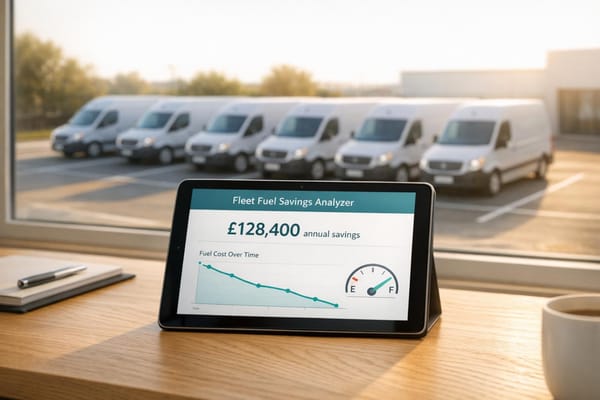
Beyond the upfront cost, consider the total expense, including installation and subscription fees. Installation can range from £50 to £200 per vehicle, while monthly subscriptions start at around £7.99 for basic tracking and go up to over £20 for full fleet management. Keep in mind that many insurers offer discounts of 5–15% for tracked fleets, and optimised routing can reduce fuel costs by a similar margin.
With these criteria in mind, compare available devices to find the best fit for your fleet’s requirements.
Comparing Device Options and Costs
Here’s a quick breakdown of some popular tracking device options:
| Device Type | Key Features | Monthly Cost | Installation | Best Use Case |
|---|---|---|---|---|
| GRS Fleet Telematics Essential | Single wired tracker, real-time GPS, basic security | From £7.99 | Professional (free with branding) | Affordable fleet tracking |
| GRS Fleet Telematics Enhanced | Dual-tracker technology, 91% vehicle recovery rate, advanced security | From £7.99 | Professional (free with branding) | Enhanced security for fleets |
| GRS Fleet Telematics Ultimate | Dual-tracker with immobilisation for maximum security | From £7.99 | Professional (free with branding) | Premium theft protection |
Upfront Hardware Costs
GRS Fleet Telematics offers three tiers of devices: Essential (£35) for simple tracking, Enhanced (£79) with dual-tracker capabilities, and Ultimate (£99) featuring immobilisation for added security. Weigh these costs against potential savings and the value of preventing theft.
Subscription Fees
Subscription fees typically cover SIM and data usage, platform access, and support. GRS Fleet Telematics charges £7.99 per vehicle monthly, which includes account management and full platform access. Higher-tier services may offer extras like advanced analytics and integration support.
Installation and Support
Professional installation is crucial for hardwired solutions, ensuring proper placement and integration with CAN bus systems. GRS Fleet Telematics offers free professional installation when you use their fleet branding services, reducing your overall costs. While self-installation might work for simpler setups, it’s not ideal for heavy-duty vehicles.
Maximising Value
The best tracking devices strike a balance between initial investment and long-term benefits. For example, GRS Fleet Telematics boasts a 91% recovery rate for stolen vehicles, which can significantly reduce asset losses. Additionally, features like advanced analytics and fuel optimisation often deliver savings that outweigh subscription costs. Look for scalable solutions that can grow with your fleet’s needs.
UK Legal and Operational Requirements
Managing tracking systems for heavy vehicles in the UK comes with a set of strict legal and compliance requirements. These rules are not just about avoiding penalties - they also foster trust with drivers and ensure the systems deliver their full potential. Let’s break down how these legal obligations translate into practical benefits for fleet management.
Data Protection and Privacy Laws
In the UK, heavy vehicle tracking systems must align with the Data Protection Act 2018 and UK GDPR. These laws treat location data, driving habits, and vehicle usage as personal data, requiring careful handling in terms of collection, storage, and usage.
To comply, you need to inform drivers in writing about the purpose of the tracking system. Clearly outline what data will be collected, why it’s being gathered, and how it will be used. While explicit consent may not always be necessary, maintaining transparency is key.
Data retention is another critical area. Tracking data should only be kept for as long as needed - typically a few months to a year. Access to this data must be tightly controlled using measures like multi-factor authentication and role-based permissions.
Modern tracking systems often include privacy features, such as privacy masking, which allows drivers to temporarily hide their location during personal use. Conducting Data Protection Impact Assessments (DPIAs) is another good practice, helping to identify potential privacy risks and proving that data protection has been considered from the outset.
Insurance and Risk Reduction Benefits
Complying with legal requirements is just one side of the coin - tracking systems also bring financial and operational perks. Many UK insurers offer premium discounts, usually ranging from 5–15%, for fleets equipped with approved tracking systems. For high-value vehicles, some insurers even make these systems a requirement.
Thatcham‐approved trackers, which meet stringent standards, can unlock these discounts. For example, GRS Fleet Telematics reports a 91% recovery rate for stolen vehicles using dual‐tracker technology. This not only lowers insurance premiums but also speeds up claims processing.
Tracking systems also play a vital role in reducing operational risks. Real-time monitoring can flag unauthorised use, unsafe driving behaviours, or overdue maintenance, enabling swift action. Alerts for incidents like speeding, harsh braking, or route deviations further enhance fleet safety.
Additionally, modern platforms simplify compliance with MOT, insurance, and driver licence reminders, cutting down on administrative tasks.
In case of an incident, detailed tracking data - such as exact location, speed, and driving behaviour - can streamline insurance claims and aid in resolving disputes. Some systems even collaborate directly with UK police for quicker theft recovery.
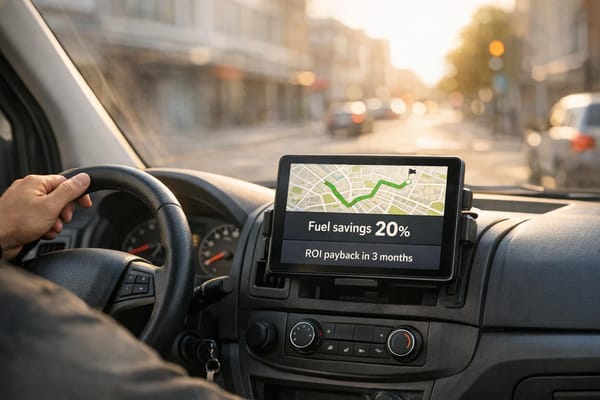
From an operational perspective, fleet analytics can slash costs by up to 20% through better route planning, fuel efficiency, and reduced downtime. When combined with insurance savings and enhanced security features, these systems often pay for themselves within a matter of months.
Getting the Most from Your Tracking System
Beyond installation and security, a well-utilised tracking system can significantly enhance how your fleet operates. When used effectively, heavy vehicle tracking systems can improve efficiency and security, offering noticeable returns for your business.
Key Benefits Summary
Modern tracking solutions bring a range of financial and operational advantages to UK fleet management. For instance, fleet analytics can help reduce operational costs by up to 20% through smarter route planning. Automated maintenance alerts further improve efficiency, cutting vehicle downtime by as much as 30%. This proactive approach helps avoid costly breakdowns and keeps vehicles on the road.
Security is another strong point. Advanced dual-tracker systems, particularly those approved by Thatcham, are often required for high-value vehicles. They not only improve security but can also lead to more favourable insurance terms. Meanwhile, real-time tracking provides instant updates on vehicle locations, driver behaviour, and route performance, enabling quick responses to delays or emergencies.
In the UK, where compliance with regulations like driver hours and MOT requirements is essential, automated reporting tools simplify these processes. This reduces admin workloads and minimises the risk of fines or penalties. To get the most from these features, it’s important to focus on continuous system improvement.
Tips for Ongoing Optimisation
- Review tracking data regularly: Analyse trends in areas like driver behaviour, fuel consumption, and route efficiency at least quarterly. This helps identify areas for improvement and can inform training programmes.
- Keep software updated: Ensure your system software is always up to date. Updates often include new compliance tools, security enhancements, and improved analytics, helping you stay aligned with UK regulations and technological advancements.
- Set meaningful alerts: Configure alerts for critical events like unauthorised vehicle use, maintenance needs, or geofencing violations. Avoid overloading your team with unnecessary notifications by focusing on actionable events.
- Engage your drivers: Share performance scorecards and provide constructive feedback. This not only encourages safer and more efficient driving but also makes drivers active participants in improving overall fleet performance.
- Prioritise data privacy: Regularly review your privacy policies to ensure compliance with the Data Protection Act. Transparency and justified use of tracking data are key to maintaining trust.
- Benchmark against industry standards: Compare your fleet’s performance metrics - such as fuel efficiency, safety records, and operational costs - with similar operations. This helps pinpoint areas for improvement and confirms your tracking system is delivering value.
- Integrate tracking data with other systems: Linking your tracking data to payroll, maintenance scheduling, and customer communications creates smoother workflows. This transforms your tracking system into a powerful fleet management tool, improving operations across the board.
FAQs
What should I consider when choosing a heavy vehicle tracking system for my UK fleet?
When selecting a heavy vehicle tracking system in the UK, prioritise features that boost security, streamline operations, and improve fleet management. Key elements to consider include dual-tracker technology for enhanced vehicle protection, real-time tracking to keep tabs on your fleet, and driver performance monitoring to maximise operational efficiency. Additionally, fleet analytics can offer actionable insights to help increase productivity and cut down on costs.
GRS Fleet Telematics provides tailored solutions for UK businesses, boasting an impressive 91% recovery rate for stolen vehicles. With pricing starting at just £7.99 per month, their systems are designed to deliver both security and efficiency without breaking the bank.
How do heavy vehicle tracking systems support compliance with UK regulations and data protection laws?
Heavy vehicle tracking systems, like those offered by GRS Fleet Telematics, play a key role in helping businesses comply with UK regulations. One of their standout features is driver behaviour monitoring, which ensures drivers stick to legal working hours and follow road safety standards. This not only supports compliance but also promotes safer driving practices. Additionally, these systems provide detailed reports on vehicle performance, making it simpler for businesses to meet regulatory obligations.
Other valuable tools include real-time GPS tracking and geofencing, which bolster data security by safeguarding sensitive location details and ensuring vehicles remain within approved zones. These features don’t just help with compliance - they also give businesses greater confidence in managing their fleets effectively.
What are the costs and potential savings of using a heavy vehicle tracking system?
A heavy vehicle tracking system offers an affordable solution to boost the efficiency and security of your fleet. Starting at just £7.99 per month per vehicle, it’s a manageable investment for businesses, regardless of their size.
The potential savings are impressive. By optimising routes, you can cut down on fuel costs. Proactive monitoring helps reduce maintenance expenses, and theft-related losses can be minimised with advanced tracking and recovery tools. Over time, these advantages not only save money but also streamline your operations.