How to Reduce Fleet Downtime with Telematics
Telematics turns reactive fleet maintenance into proactive care: real-time diagnostics, smarter routes, driver scoring and fast recovery to cut downtime.
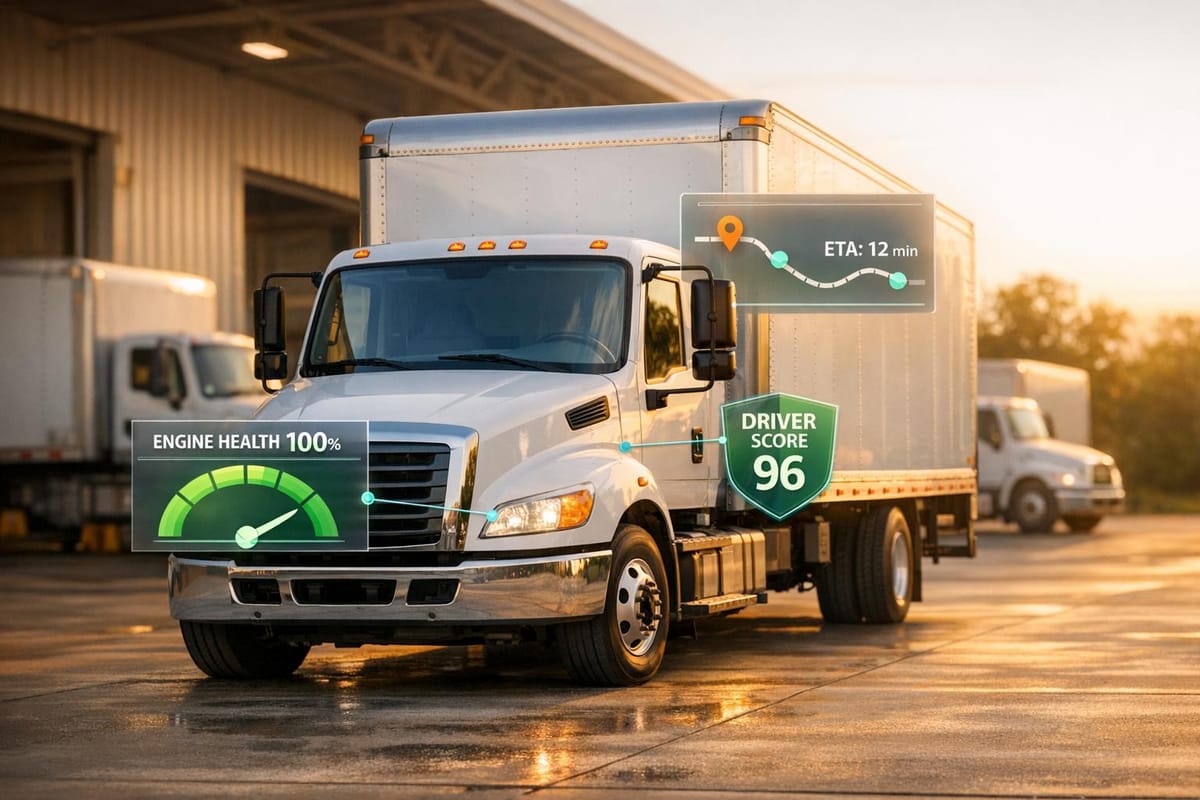
Fleet downtime can drain your business, costing up to £760 per vehicle, per day. The main culprits? Ageing vehicles, poor maintenance planning, parts shortages, and driver habits. Using telematics, you can shift from fixing problems after they occur to preventing them altogether. Here's how:
- Preventive Maintenance: Monitor vehicle health in real-time with diagnostic tools, reducing repair costs by 15%. Schedule services based on actual usage, not fixed intervals.
- Improved Operations: Live tracking helps optimise routes, save fuel, and reduce wear and tear. Monitoring driver behaviour promotes safer driving, cutting breakdown risks.
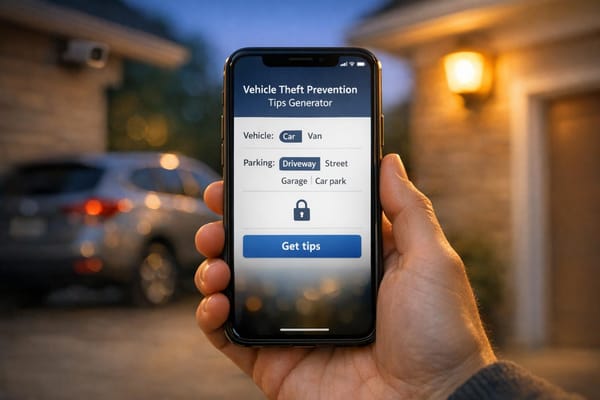
- Theft Prevention: Dual-trackers, geofencing, and immobilisation features reduce theft and speed up vehicle recovery, with a 91% success rate.
Telematics minimises disruptions, protects assets, and keeps your fleet productive. With rising repair costs and supply chain delays, it's a smart way to reduce downtime and save money.
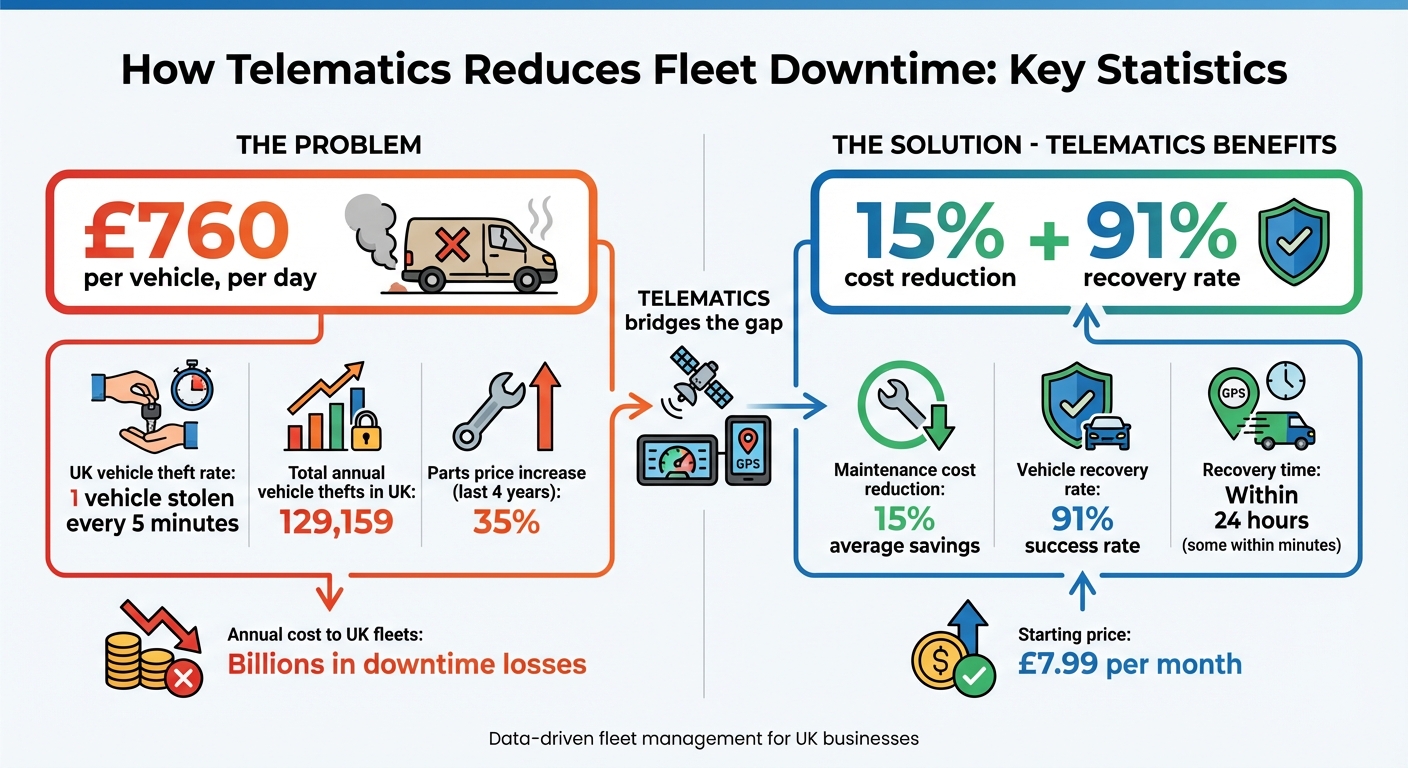
Fleet Downtime Costs and Telematics Benefits Statistics
How predictive maintenance helps fleets save thousands
What Fleet Downtime Is and Why It Matters
Fleet downtime refers to the periods when your vehicles are out of action due to issues like mechanical breakdowns, safety incidents, delayed inspections, or administrative setbacks. During these times, revenue-generating vehicles sit idle, leading to mounting costs. Unplanned downtime, in particular, can cost fleets up to £760 per vehicle, per day. This figure accounts not just for repair bills but also for lost productivity, such as paying drivers while vehicles are off the road, missed delivery schedules, disrupted supply chains, fewer backhaul opportunities, and scheduling headaches. Beyond the financial impact, frequent delays can damage customer relationships, jeopardise long-term contracts, and even lead to compliance problems such as inspection failures, fines, or out-of-service orders.
Planned vs Unplanned Downtime
It's important to distinguish between planned and unplanned downtime. Planned downtime involves scheduling maintenance during quieter periods, allowing you to arrange workshop visits, order parts at standard prices, and minimise disruptions. On the other hand, unplanned downtime is unpredictable. It often comes with added expenses like emergency towing, overtime labour, and rush shipping for parts. This reactive approach not only increases costs but also disrupts your operations, leaving vehicles idle and schedules in disarray.
Main Causes of Fleet Downtime
Fortunately, many causes of downtime can be avoided. Poor maintenance scheduling is a common culprit, as it allows small issues to snowball into major problems, especially when real-time diagnostics aren't used to monitor wear and tear, or other van tracking solutions aren't in place. Compliance issues, such as incomplete inspection records, can also take vehicles off the road unexpectedly. Additionally, manual administrative processes can create delays, stretching downtime even further. The root problem in many cases? A lack of clear visibility into the health and maintenance needs of your fleet. This is where telematics can step in to enable proactive maintenance and reduce downtime.
Using Telematics for Preventive Maintenance
Stop problems in their tracks before they escalate. Telematics allows you to tackle potential vehicle issues while they're still operational. Fleets using telematics can cut maintenance costs by an average of 15% - a significant saving for any operation.
Maintenance Insights from Vehicle Data
Telematics systems connect directly to the vehicle’s Engine Control Module (ECM) to gather critical performance data. When something goes wrong, the system logs Diagnostic Trouble Codes (DTCs) and sends alerts to your dashboard. This means you can monitor key health metrics - like oxygen sensor readings, battery voltage, or coolant temperature spikes - and decide whether immediate action is needed or if the issue can wait for the next scheduled service.
With remote diagnostics, you can assess problems without sending out a mechanic. For instance, keeping an eye on battery voltage remotely can help you avoid "no-start" situations that would otherwise require costly roadside assistance. Similarly, tracking fuel consumption trends can highlight engine inefficiencies or potential fuel leaks long before a dashboard warning light appears. By addressing these minor issues early, you can prevent them from snowballing into major repairs. On top of that, telematics fine-tunes maintenance schedules to align with how vehicles are actually being used.
Maintenance Schedules Based on Actual Usage
Move beyond rigid service intervals and keep your fleet running smoothly. Traditional maintenance schedules often rely on fixed timeframes - like servicing every six months - regardless of how much a vehicle has been driven. Telematics replaces this outdated approach with usage-based scheduling, triggering maintenance based on real wear and tear. By automatically tracking odometer readings and engine hours, telematics ensures maintenance happens right when it’s needed.
This is particularly important for vehicles with high idle times. For example, a delivery van stuck in traffic for hours may experience significant engine wear that mileage alone won’t capture. Automated tracking also removes the need for manual record-keeping. Telematics platforms can generate digital work orders as soon as maintenance triggers are met, speeding up the process from detection to repair and minimising downtime.
Improving Fleet Operations with Telematics
Telematics helps streamline daily operations, keeping vehicles on the road and reducing the chances of unexpected downtime.
Real-Time Tracking and Smarter Routes
Beyond proactive maintenance, telematics takes fleet operations to the next level. With live vehicle tracking, you gain a detailed, real-time view of where every vehicle is. This visibility allows you to adapt quickly when plans shift - reroute a driver to avoid traffic, assign the closest van to an urgent job, or provide customers with accurate arrival updates. Dynamic routing adjusts to changing conditions, saving fuel and cutting mileage. Less time on the road also means less wear on tyres, brakes, and engines, which helps prevent breakdowns and keeps repair costs in check. Fixed routes, on the other hand, rely on outdated information and miss opportunities for real-time optimisation. Telematics gives you the flexibility to make smarter, on-the-fly decisions that keep your fleet running efficiently while reducing mechanical stress and the likelihood of breakdowns.
While route optimisation helps minimise wear and tear, tracking driver behaviour tackles the root causes of unnecessary vehicle strain.
Monitoring Driver Behaviour to Minimise Vehicle Wear
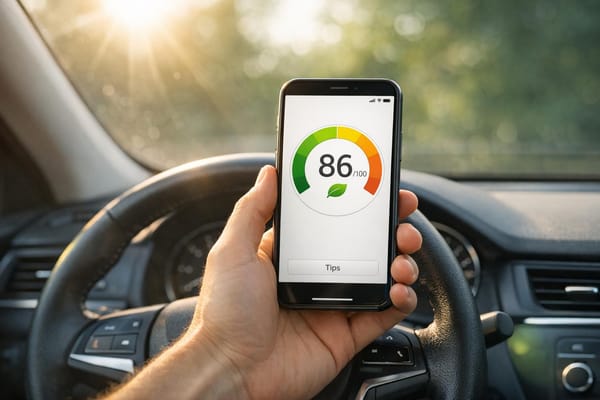
The way your drivers operate vehicles significantly affects maintenance demands. Telematics systems monitor actions like harsh braking, rapid acceleration, sharp cornering, and idling for long periods. These behaviours trigger immediate alerts in the cab and use a clear scoring system (green, yellow, red) to encourage safer driving habits. By linking driver behaviour data with maintenance records, you can identify whether issues like accelerated tyre wear are due to driving habits rather than mechanical faults. Introducing structured coaching sessions and gamification, such as league tables, motivates drivers to adopt safer practices. This not only reduces accidents and emergency repairs but also lowers the risk of unexpected breakdowns, keeping your fleet in better condition for longer.
How Telematics Prevents Theft and Speeds Recovery
Vehicle theft is a serious issue, causing financial losses and disrupting operations. In the UK, a vehicle is stolen every five minutes, totalling about 129,159 thefts each year. When a van is stolen, businesses face lost revenue, replacement costs, and service delays. Telematics systems tackle this problem by making vehicles harder to steal and ensuring faster recovery when theft happens. These systems combine theft prevention with advanced recovery tools to protect your assets.
Security Features That Prevent Theft
Telematics systems use multiple layers of security to deter theft. One standout feature is dual-tracker technology, which pairs a primary hardwired GPS/GSM tracker with a hidden backup. This backup remains operational even if the main tracker is tampered with. For instance, GRS Fleet Telematics offers an Enhanced package (£79) with dual-layer protection, while their Ultimate package (£99) adds remote immobilisation. This feature lets you disable the engine when the vehicle is stationary, stopping thieves from driving it away.
Another key tool is geofencing, which sets virtual boundaries around specific locations like depots or approved work areas. If a vehicle exits these zones during unauthorised times, you'll receive an instant alert. In one case from March 2019, UK police recovered a stolen Chausson 620 Moho motorhome within 24 hours. Thanks to dual-tracker technology that resisted signal interference, the vehicle was located just seven miles away in a pub car park. Additionally, all GRS devices meet Thatcham Security Certification standards, which are updated every two years to stay ahead of evolving theft tactics.
How Better Security Reduces Downtime
Enhanced security not only prevents theft but also ensures vehicles are recovered quickly, cutting down on downtime and associated costs. Telematics systems boast recovery rates exceeding 90%. For example, STL Design and Build successfully recovered a stolen vehicle within minutes using GPS tracking, highlighting how telematics can keep disruptions to a minimum. GRS also offers 24/7 recovery support, with a dedicated team working directly with law enforcement to speed up retrieval. Their efforts result in a 91% recovery rate.
Fast recovery also reduces the overall cost of theft-related issues. Quick vehicle retrieval means you avoid long-term hire costs, honour customer commitments, and minimise insurance claims. Having a clear response plan in place - such as training staff on who to contact and what information to provide to authorities - ensures a swift and effective reaction when theft alerts are triggered.
Conclusion
Fleets across the UK are grappling with increasing downtime, which is costing businesses billions each year. Telematics offers a way to shift from reactive to predictive strategies, helping to streamline maintenance, improve routing, enhance driver behaviour, and bolster security. By tapping into real-time data, fleets can transform setbacks into opportunities for greater efficiency.
GRS Fleet Telematics provides these solutions at an accessible price, starting from just £7.99 per month. With a 91% recovery rate for stolen vehicles, its advanced features - such as dual-tracker technology and immobilisation - offer robust protection against theft and ensure quick recovery when incidents occur. Whether you're overseeing a small van fleet or managing a larger operation, telematics gives you the tools to extend vehicle uptime and turn downtime into a manageable challenge.
As parts prices in the UK have surged by 35% over the past four years, and supply chain issues persist, data-driven fleet management has become essential. Telematics enables you to minimise disruptions, reduce costs, and make better use of your assets - allowing you to work smarter, not harder.
FAQs
What data do I need to start preventive maintenance with telematics?
To get started with preventive maintenance using telematics, you’ll need access to key vehicle data like engine performance, mileage, engine hours, and diagnostic trouble codes (DTCs). Keeping an eye on these metrics in real time helps spot early signs of wear or potential issues before they escalate. Additionally, by tracking usage details such as mileage and engine hours, you can plan maintenance at the best possible times, cutting down on downtime and avoiding expensive breakdowns.
How do I use engine hours and idling to plan servicing properly?
Telematics systems make it possible to track engine hours and idling data in real-time. Why does this matter? Engine hours give you a more accurate picture of a vehicle's usage, helping you plan maintenance based on actual workload rather than just mileage or time intervals. On the other hand, keeping an eye on idling data can reveal unnecessary engine wear, giving you a chance to adjust service schedules and reduce avoidable strain on the engine. By setting up automated alerts for these metrics, you can stay on top of maintenance tasks, cut down on unexpected downtime, and help your vehicles last longer.
What should my theft-response process be after a tracking alert?
When a tracking alert indicates a vehicle theft, swift action is crucial to minimise losses and recover the vehicle. Start by confirming the vehicle's location through telematics data. Once verified, provide this information to the police to assist in their efforts.
Tools like geo-fencing can be highly effective in preventing theft by creating virtual boundaries that trigger alerts if crossed. Additionally, work closely with recovery teams to streamline the retrieval process.
Make sure to document every step taken during the incident. This record will not only support any insurance claims but also help refine theft-prevention strategies for the future.