Real-Time Tracking vs. Traditional GPS Systems
Compare real-time tracking and traditional GPS for fleets: updates, accuracy, costs, theft prevention and best use cases.
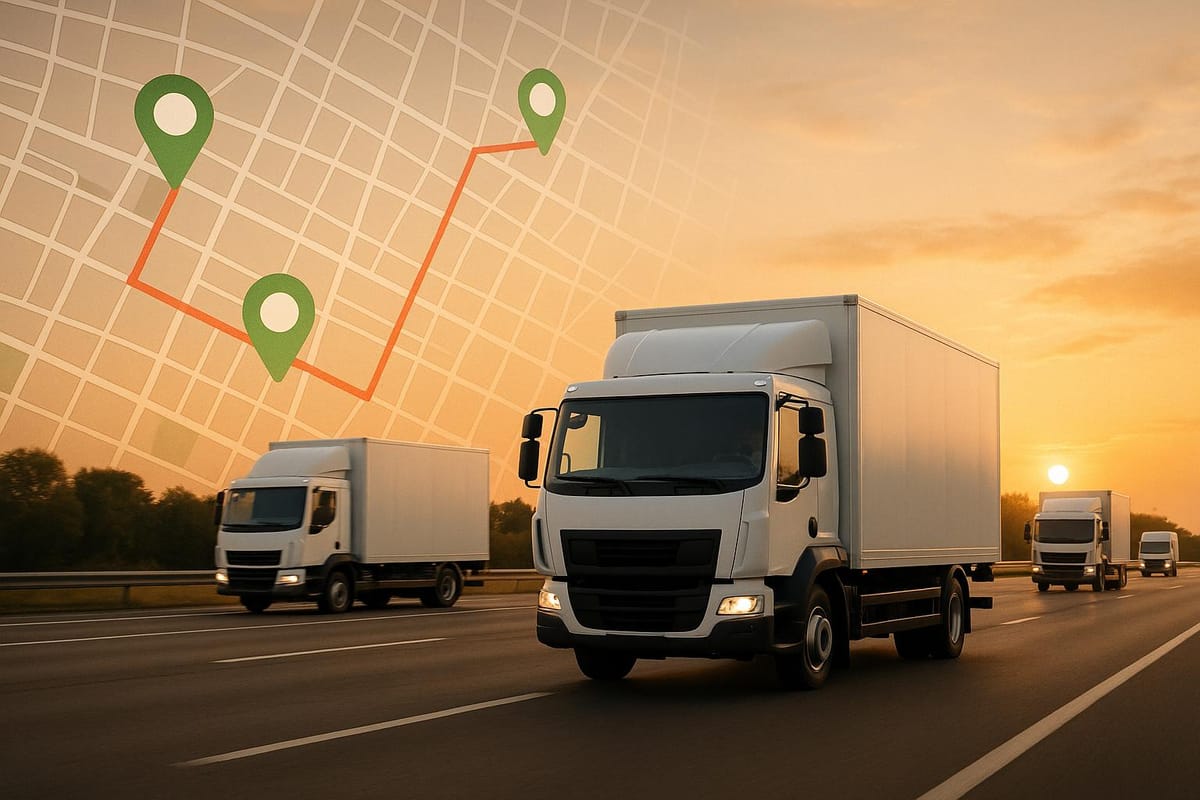
Real-time tracking systems are redefining how fleets operate, offering instant location updates, better accuracy (1–2 metres), and advanced features like geofencing and route adjustments. This makes them ideal for businesses needing constant visibility and faster decisions. In contrast, older GPS systems rely on stored data, provide delayed updates, and are better suited for budget-conscious operations or areas with limited connectivity.
Key Takeaways:
- Real-time tracking: Updates every 10–15 seconds, uses cellular networks, includes theft alerts, route optimisation, and AI-driven maintenance predictions. Costs include subscriptions starting at £7.99/month.
- Older GPS systems: Offline, stores data for later use, works well in remote areas, and is a lower-cost option for retrospective analysis.
Quick Comparison:
| Feature | Real-Time Tracking | Older GPS Systems |
|---|---|---|
| Updates | Every 10–15 seconds | Delayed, post-journey |
| Connectivity | Cellular + satellite | Satellite only |
| Theft Alerts | Instant | After the fact |
| Cost | Subscription-based | One-off or minimal |
| Best Use | Time-sensitive operations | Budget or offline needs |
Choosing the right system depends on your fleet size, budget, and operational needs. Real-time tracking suits businesses prioritising efficiency and security, while older GPS is a cost-effective choice for simpler requirements.
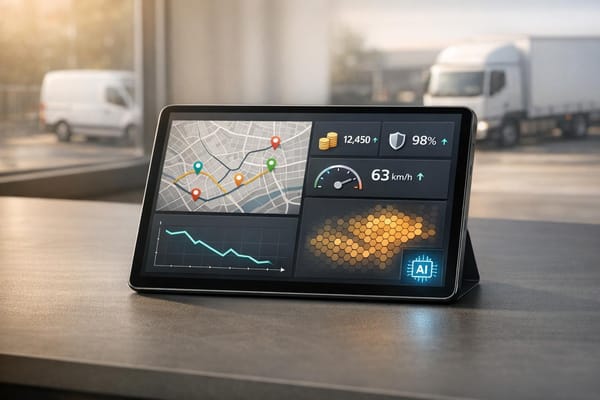
Real time fleet management and tracking system for deliveries 🚚
How Real-Time Tracking Systems Work
Real-time tracking systems combine satellite technology with cellular networks to provide instant location updates. At the heart of these systems are GNSS (Global Navigation Satellite System) devices, which calculate a vehicle's position by receiving signals from at least four satellites. This process, called trilateration, determines precise coordinates by measuring distances from multiple satellites rather than relying on angle measurements.
Once the device determines its location, it sends this data through cellular networks. Unlike older GPS systems that saved location data for later use, modern real-time trackers transmit information immediately over 4G or LTE networks to a central platform. This dual system - satellite positioning paired with cellular transmission - ensures fleet operators get updates with minimal delay.
The accuracy of these systems is impressive, with standard devices offering precision within 3 to 5 metres and high-end models narrowing this to 1 to 2 metres under ideal conditions. Open areas with clear skies provide the best results, but urban landscapes with tall buildings or dense forests can slightly impact accuracy. Factors like weather and satellite positioning also play a role, though modern systems are designed to adapt effectively to these challenges.
Live Data Transmission and Connectivity
Data flows seamlessly from the vehicle to the operator’s dashboard, thanks to robust cellular networks. Real-time tracking systems rely on 4G and LTE networks to maintain constant communication between devices and servers, and the arrival of 5G technology is already boosting performance with faster speeds and lower latency.
Whether navigating London’s busy streets or cruising along motorways, tracking devices continuously update positions and send information through cellular networks. Operators can customise update intervals, typically ranging from 10 to 60 seconds, depending on their needs. Faster updates provide smoother tracking, while longer intervals help conserve battery life. Fleet managers can view live vehicle locations on interactive maps via mobile apps or web dashboards, turning raw satellite data into practical insights.
This constant stream of updates forms the backbone of advanced telematics platforms.
Integration with Telematics Platforms
Real-time tracking systems go beyond basic location updates when integrated with telematics platforms, unlocking a range of tools to improve fleet management and security.
One standout feature is geofencing, which allows operators to set virtual boundaries around specific areas. Alerts are triggered whenever a vehicle enters or leaves these zones, making it easier to monitor route compliance or detect unauthorised movements.
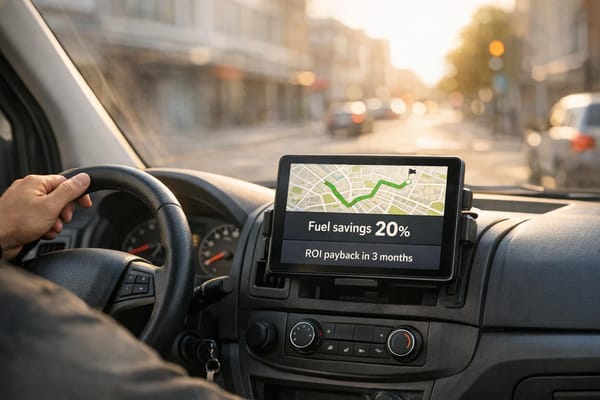
Route optimisation is another game-changer. By combining GPS data with live traffic updates, these platforms can dynamically adjust routes to avoid congestion, save fuel, and improve delivery times. Leading platforms update vehicle locations every 10 to 15 seconds and offer driver apps for instant two-way communication, enabling managers to relay route changes on the fly. This capability can cut fuel costs by 15 to 20% through AI-powered route adjustments and predictive maintenance alerts.
Driver performance monitoring is also enhanced. Telematics systems track behaviours like speeding, harsh braking, and rapid acceleration, providing detailed insights that help improve safety standards, identify training needs, and reduce insurance costs by lowering risk profiles. Managers can access reports on driving patterns, working hours, and overall performance to make informed decisions about coaching and compliance.
Security is another key advantage. Advanced telematics systems offer real-time theft alerts and engine immobilisation to prevent unauthorised starts. Providers like GRS Fleet Telematics even include dual-tracker setups, with a hardwired primary device and a hidden Bluetooth backup. This ensures uninterrupted tracking, even if the main device is tampered with, and contributes to impressive recovery rates - GRS reports a 91% recovery rate for stolen vehicles, with solutions starting at £7.99 per month.
Telematics platforms also provide comprehensive fleet analytics. They combine real-time location data with engine diagnostics, maintenance schedules, fuel consumption, and performance metrics. This holistic approach helps fleet managers identify inefficiencies, schedule preventive maintenance, and make strategic decisions about fleet expansion or vehicle replacement. With mobile access, managers can monitor their fleet in real time and receive alerts directly on their smartphones or tablets, no matter where they are.
How Traditional GPS Systems Work
Traditional GPS systems provide a reliable and budget-friendly option for applications where real-time tracking isn't essential. These systems operate offline, relying solely on satellite networks to pinpoint a vehicle's location. Because they don't require continuous updates, they are particularly useful in remote areas or for tasks that don't demand instant connectivity. Instead of transmitting data in real time, these devices collect and store location information for later review, offering a distinct alternative to real-time GPS tracking.
Satellite-Based Data Collection
The core of traditional GPS systems lies in their ability to determine a vehicle's location by receiving signals from satellites orbiting the Earth. To calculate a precise 3D position, the GPS receiver needs signals from at least four satellites, typically achieving an accuracy of 5 to 10 metres. This satellite-only operation means there's no reliance on mobile networks or internet access, making these systems especially effective in areas with poor mobile coverage - like the Scottish Highlands or rural parts of Wales.
Hardwired GPS trackers are often installed directly into a vehicle's electrical system. This setup ensures a constant power supply, allowing the device to operate indefinitely without worrying about battery life. By storing data locally rather than transmitting it continuously, these systems not only conserve power but also avoid the connectivity issues that can affect real-time trackers.
Historical Data Storage
One of the defining features of traditional GPS systems is how they manage data. These systems, often referred to as passive trackers, don't transmit location data immediately. Instead, they store detailed journey records internally, including timestamps and stop durations. Fleet managers can later retrieve this data - usually via USB or wireless connection - for analysis. While this approach doesn't allow for real-time monitoring, it provides valuable information for post-route evaluations, making it ideal for documenting journeys, ensuring compliance, and planning future routes.
Industries like construction and agriculture, which often require extended tracking over long periods, benefit greatly from these systems. Hardwired trackers are particularly advantageous for such use cases, offering reliable performance without the need for ongoing connectivity costs. For organisations operating on tight budgets or in offline environments, traditional GPS systems present a practical solution. However, their delayed data access makes them less suitable for situations requiring immediate responses, such as emergency services or time-sensitive deliveries.
Despite this limitation, the stored data can be a goldmine for analysing routes, evaluating driver behaviour, and refining fleet management strategies. This makes traditional GPS systems a strong choice for businesses focused on retrospective analysis and cost-effective operations.
Real-Time Tracking vs. Traditional GPS: Key Differences
Understanding the differences between real-time tracking and traditional GPS is essential when selecting the right fleet management solution. Real-time tracking systems combine cellular networks with satellite signals to provide immediate location updates, allowing for continuous monitoring and instant notifications. On the other hand, traditional GPS systems rely solely on satellite data, which is stored for later retrieval.
Real-time tracking utilises LTE/4G networks to deliver constant updates, making it ideal for time-sensitive operations where every second matters. Traditional GPS, however, is better suited for scenarios where historical data is sufficient, such as analysing routes for compliance or reviewing long-term driver behaviour.
Comparison Table: Features and Differences
Key distinctions between these systems lie in update frequency, connectivity, and functionality. Here's how they compare across various operational factors:
| Feature | Real-Time Tracking | Traditional GPS |
|---|---|---|
| Location Updates | Instant (10–15 seconds) | Delayed (retrieved later) |
| Connectivity Required | Yes (cellular/satellite) | No (data stored internally) |
| Data Access | Live via apps/dashboards | Via USB or wireless download |
| Accuracy | 3–5 metres (standard); 1–2 metres (high-end) | 3–5 metres (standard) |
| Alerts & Notifications | Immediate | Not available |
| Theft Prevention | Effective (instant alerts) | Limited (delayed detection) |
| Battery Consumption | Higher | Lower |
| Cost Structure | Subscription-based | Lower (one-off or minimal) |
| Implementation | More complex | Simpler |
| Best Use Cases | Emergency services, logistics, fleet management | Budget operations, periodic monitoring |
Real-time systems update vehicle locations every 10–15 seconds, while traditional GPS may take hours or even days before data is accessed. These differences highlight how each system impacts fleet management strategies.
Business Impact of Each System
Choosing between real-time tracking and traditional GPS has a direct impact on how businesses safeguard assets, manage drivers, and streamline operations. Real-time tracking stands out with its ability to send instant alerts for unauthorised movements, helping prevent theft in ways traditional systems cannot. For example, when a vehicle exits a designated area or operates outside permitted hours, fleet managers are immediately notified, enabling quick action.
This capability offers tangible financial benefits. GRS Fleet Telematics, for instance, reports a 91% recovery rate for stolen vehicles using dual-tracker technology, with plans starting at £7.99 per month. In contrast, traditional GPS systems only reveal theft after the fact, often when the vehicle has travelled significant distances.
Real-time tracking also brings operational advantages, such as AI-driven route optimisation. By dynamically adjusting routes to avoid traffic, prioritise urgent deliveries, and provide accurate arrival times, businesses can cut fuel costs by 15–20%. Traditional GPS, meanwhile, is better suited for cost-sensitive operations that focus on retrospective analysis, such as reviewing past routes and monitoring driver behaviour.
Industries with tight schedules - like delivery services, emergency response, and field operations - benefit significantly from real-time tracking. Features like dispatching the nearest vehicle, live updates, and immediate responses to disruptions enhance both efficiency and customer satisfaction.
With advancements in 5G technology, real-time tracking systems are becoming even faster and more reliable. Machine learning algorithms now predict movement patterns and optimise routes, offering nearly instantaneous location updates and further improving operational precision.
Choosing the Right Solution for Your Fleet
Deciding between real-time tracking and traditional GPS boils down to finding the system that aligns with your fleet's size, operating conditions, and budget. These factors are key in determining which option delivers the best results for your business.
Evaluating Fleet Requirements
Fleet size plays a major role in selecting the most efficient tracking method. For smaller fleets (fewer than 10 vehicles), traditional GPS often suffices. It offers basic route tracking and compliance monitoring at a lower cost, making it ideal for businesses where every pound counts. On the other hand, medium-sized fleets (10–50 vehicles) often reach a point where real-time tracking's benefits - like improved efficiency - justify the subscription fees. For fleets with over 50 vehicles, real-time systems almost always prove worthwhile, as savings on fuel and reduced theft quickly offset the monthly costs.
Operating environment is equally important. Real-time tracking is particularly useful in urban areas where cellular backup ensures uninterrupted monitoring, even when satellite signals are weak. However, in remote areas with limited or no cellular coverage, traditional GPS is often the better choice due to its reliance on satellite signals. Fleets that operate in cities benefit significantly from real-time systems, while those in open or rural areas may find traditional GPS more reliable.
Theft prevention is another critical factor. High-value vehicles or those carrying expensive cargo are better protected with real-time tracking, which provides instant alerts in case of theft. Traditional GPS, on the other hand, only reveals information after the fact, making it less effective for theft prevention.
Battery consumption also varies between the two systems. Real-time trackers transmit data continuously, which uses more power but offers immediate updates. Traditional GPS devices, by contrast, transmit less frequently, conserving battery life. Hardwired systems, which connect directly to a vehicle's power, eliminate battery concerns altogether.
For mixed fleets, consider hybrid approaches. Use real-time tracking for high-priority vehicles like delivery vans, emergency response units, or those carrying valuable equipment. Traditional GPS can handle secondary vehicles that only need occasional monitoring. This strategy balances cost and functionality without sacrificing security where it matters most.
For example, GRS Fleet Telematics offers a dual-tracker setup that ensures uninterrupted monitoring, even if the main device is tampered with. This system has contributed to their impressive 91% recovery rate for stolen vehicles.
Once you've clearly outlined your operational needs, the next step is to evaluate the costs and potential returns of each system.
Cost and ROI Considerations
After identifying your fleet's needs, it’s essential to weigh the costs and benefits of each tracking system. The total cost of ownership includes more than just the upfront price. Real-time systems come with subscription, installation, and maintenance expenses, while traditional GPS has lower initial costs but fewer advanced features.
GRS Fleet Telematics offers pricing tailored to different security requirements. Their Essential package starts at £35 (excluding VAT) for a single wired tracker, providing affordable real-time tracking. The Enhanced option at £79 adds a secondary Bluetooth backup for extra theft protection, while the Ultimate package at £99 includes immobilisation capabilities for maximum security. Monthly fees are £7.99 per vehicle (excluding VAT), covering SIM data, account management, and platform access.
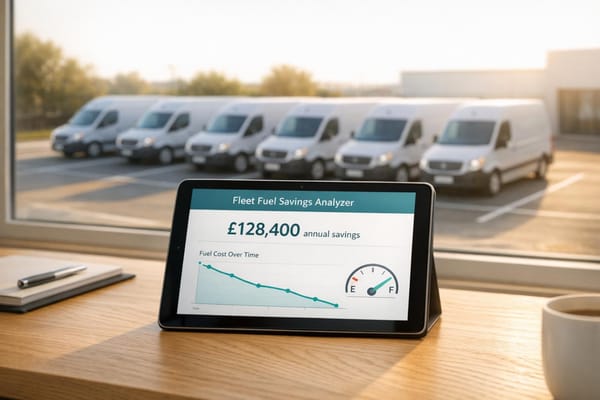
ROI can be calculated by combining operational savings with theft prevention. Real-time tracking can cut fuel costs by 15–20% through AI-powered route optimisation. For a fleet of 20 vehicles averaging 20,000 miles per year, this could save thousands of pounds annually at current UK fuel prices. Additional savings come from lower insurance premiums, fewer accidents due to improved driver behaviour, and increased productivity through efficient dispatching.
Theft prevention also offers measurable financial benefits. Consider the costs of a single vehicle theft - replacement expenses, lost cargo, operational delays, and insurance excesses - against the annual subscription fee. Systems with strong recovery rates often pay for themselves with just one successful recovery.
For businesses with limited IT resources, cloud-based real-time solutions are an attractive option. These systems reduce the burden of maintenance, as providers handle updates, security, and technical support. In contrast, self-hosted systems eliminate recurring fees but require in-house expertise for upkeep, making them less practical for many UK businesses.
Ease of implementation is another consideration. Traditional GPS systems are quick and simple to install, making them ideal for businesses seeking immediate deployment. Real-time systems, however, require more involved installation - connecting to vehicle electrical systems, setting up cellular connectivity, and integrating with telematics platforms. While this process takes more time, it delivers far greater functionality once in place.
GRS Fleet Telematics makes the transition easier by offering free installation when paired with fleet branding through GRS Fleet Graphics, eliminating a significant upfront cost for businesses exploring real-time solutions.
Update frequency should also match your operational needs. Systems that update every 10–15 seconds are ideal for logistics operations requiring real-time decision-making. For less time-sensitive tasks, updates every 2 minutes are often sufficient. Keep in mind that more frequent updates consume additional battery power and cellular data, so balance immediacy with practical requirements.
Ultimately, the best tracking solution depends on your business's specific needs. Real-time tracking is a natural fit for time-sensitive industries like delivery services, emergency response teams, and operations with tight schedules. For businesses focused on compliance and retrospective analysis, traditional GPS may work just fine. Evaluate your priorities, calculate potential savings, and choose technology that supports your goals rather than simply following trends.
Conclusion
Choosing between real-time tracking and traditional GPS ultimately comes down to your fleet's specific needs. Traditional GPS offers basic location tracking and offline data storage, making it a practical option for businesses primarily focused on analysing past routes. On the other hand, real-time tracking provides instant visibility into vehicle movements, allowing for quicker decisions that can cut costs and boost efficiency.
The benefits of real-time tracking are hard to ignore. With updates every 10–15 seconds, these systems offer the accuracy required for dynamic routing. Additionally, instant alerts for unauthorised movements or geofence breaches help safeguard valuable assets.
Security is another area where real-time tracking stands out. While traditional systems often detect theft only after it has occurred, real-time solutions allow for immediate action. For example, GRS Fleet Telematics uses a dual-tracker setup - combining a primary hardwired tracker with a hidden Bluetooth backup - which has achieved an impressive 91% vehicle recovery rate. This level of security often justifies the subscription costs.
Modern advancements like AI-driven route optimisation and 5G connectivity further enhance the capabilities of real-time systems. These technologies enable faster route predictions and make real-time tracking particularly valuable for industries where timing is critical, such as logistics, emergency services, and field maintenance.
For fleet managers in the UK looking to upgrade, GRS Fleet Telematics offers hardware starting at £35 and monthly fees as low as £7.99 per vehicle. They even include free installation when combined with fleet branding, making it an accessible option for businesses of all sizes.
The move towards real-time tracking mirrors the industry's broader technological evolution. With the continued rollout of 5G across the UK and the growing application of AI, the advantages of real-time systems are only set to increase. Fleet managers who embrace these innovations today are better positioned to stay ahead, while those clinging to outdated systems risk falling behind.
Whether your fleet consists of 10 vehicles or 100, the ideal tracking solution should match your operational goals, budget, and future plans. By combining accurate data with immediate responsiveness, real-time tracking offers a modern approach to telematics. For those aiming to cut costs, improve safety, and protect their assets, it turns data into actionable insights that can make all the difference.
FAQs
What should I consider when choosing between real-time tracking and traditional GPS systems for my fleet?
When deciding between real-time tracking and traditional GPS systems, it's essential to weigh their features, accuracy, and practical advantages for your needs. Real-time tracking stands out with its ability to deliver live updates on vehicle locations, advanced geofencing options, and tools like route optimisation. These features can boost both operational efficiency and security, making it a strong choice for businesses aiming to streamline their processes.
On the other hand, traditional GPS systems are reliable for basic navigation but often lack the advanced capabilities of real-time tracking. For businesses managing fleets, real-time tracking offers a clear edge. It not only improves operational oversight but also helps cut costs by providing detailed insights into vehicle usage and performance.
How do AI and 5G technology improve the performance of real-time tracking systems?
AI and 5G technology are transforming real-time tracking systems, making them faster, more precise, and more effective. AI brings advanced data analysis into the mix, helping systems identify trends, optimise routes, and deliver actionable insights. For businesses, this translates to smarter decision-making and improved efficiency.
At the same time, 5G technology provides lightning-fast data transmission and ultra-low latency. This ensures near-instant updates, which is a game-changer for companies managing fleets or assets that depend on accurate, real-time tracking. Together, AI and 5G form a powerful duo, pushing tracking systems to new heights in reliability and performance.
Are real-time tracking systems reliable in remote areas with limited mobile network coverage?
Real-time tracking systems are built to function effectively, even in remote areas with limited mobile connectivity. Advanced solutions, like those from GRS Fleet Telematics, utilise dual-tracker technology that integrates GPS with alternative communication methods. This ensures uninterrupted tracking by storing location data when offline and transmitting it as soon as the connection is restored.
These features make such systems a dependable option for businesses operating in rural or hard-to-reach areas, ensuring consistent visibility and security for vehicles and assets.