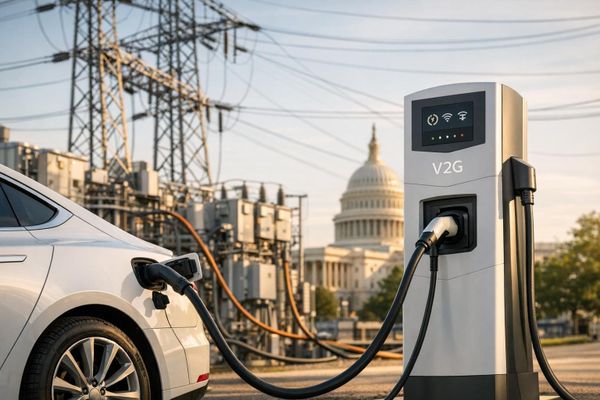
Regulatory Barriers to V2G Adoption
How inconsistent grid rules, high standing charges and hardware incompatibility in the UK, EU and North America slow V2G adoption and what policy changes are needed.

How inconsistent grid rules, high standing charges and hardware incompatibility in the UK, EU and North America slow V2G adoption and what policy changes are needed.
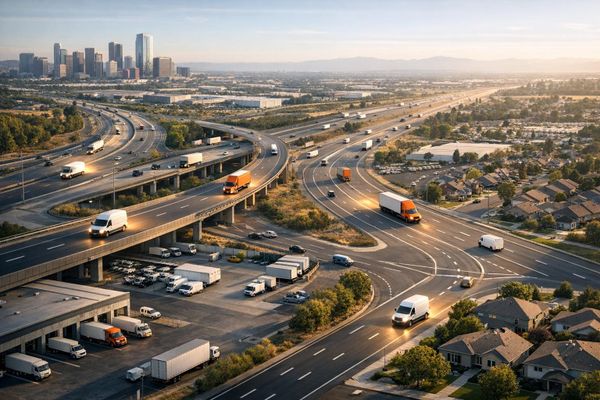
AI-driven routing and telematics reduce delivery times, cut fuel and maintenance costs, and improve on-time performance for multi-region fleets.
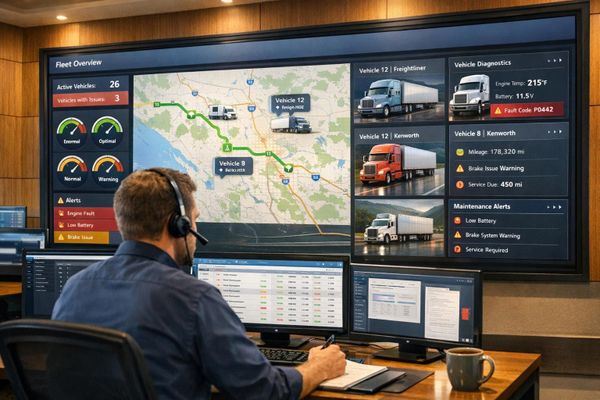
Real-time remote diagnostics using telematics, IoT and AI can reduce unplanned fleet downtime up to 20%, lower maintenance costs and speed repairs.
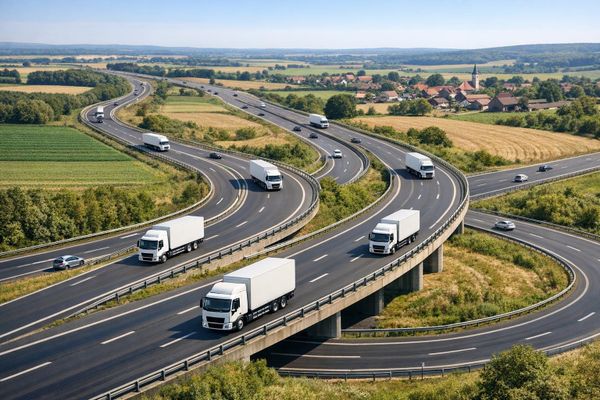
AI-powered route planning that cuts fuel and maintenance costs, speeds deliveries, boosts vehicle utilisation and ensures UK compliance.
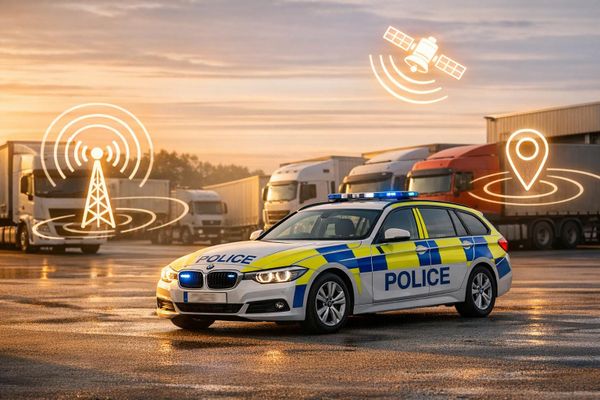
UK police and telematics providers use VHF, GPS, GSM and mesh tracking to recover stolen fleet vehicles fast, cutting downtime and costs.

Plan virtual boundaries for your fleet with our Geofence Setup Planner. Easily define zones, calculate areas, and get tailored alert settings!

Calculate your eco-driving score! See how your habits impact fuel efficiency and the environment, plus get tips to drive greener.
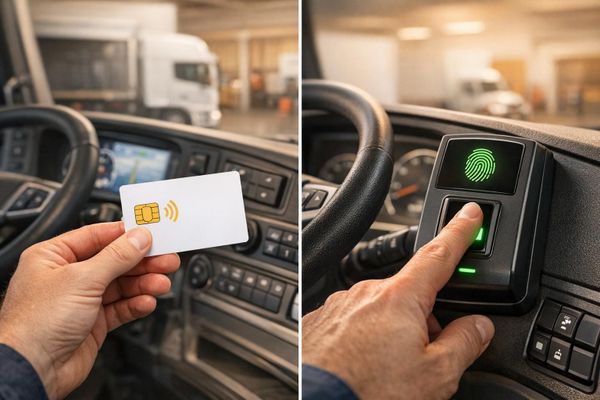
Biometric vs RFID for fleet driver authentication — compare security, cost, reliability, GDPR implications and when a hybrid solution makes sense.
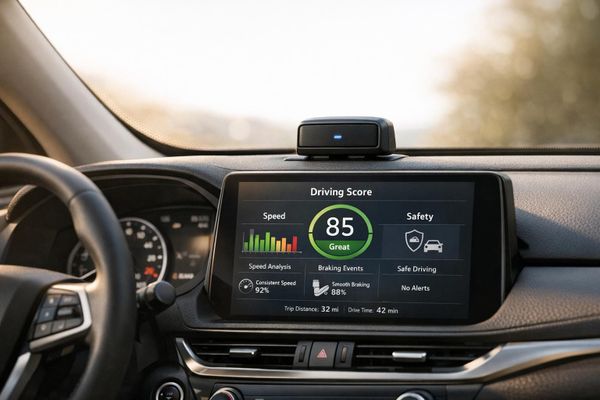
Explains how telematics devices collect driving data, how insurers score behaviour, and how drivers and fleets can cut premiums and improve safety.
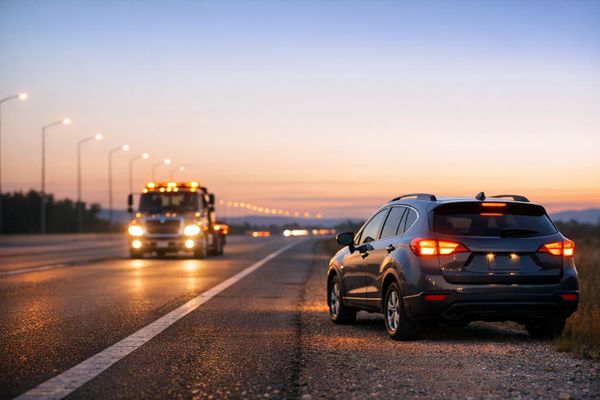
Stranded? Use our Vehicle Recovery Time Estimator to get a rough idea of how long help might take to reach you. Simple, fast, and free!

UK fleet managers' guide to safe drone and autonomous vehicle integration—BVLOS, UTM, telematics, SORA, layered cybersecurity and real-time tracking.
Five key UK fleet planning compliance challenges — changing rules, emissions, driver hours, roadworthiness and data — and how telematics helps simplify them.