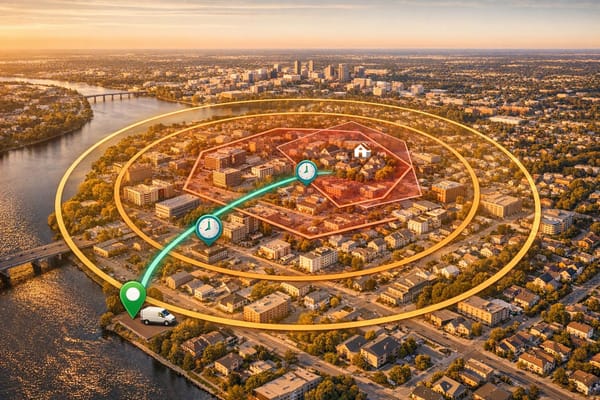
Geofence Distance Converter
Calculate geofence distances, areas, and travel times with ease. Perfect for logistics managers planning delivery zones or monitoring boundaries!

Calculate geofence distances, areas, and travel times with ease. Perfect for logistics managers planning delivery zones or monitoring boundaries!
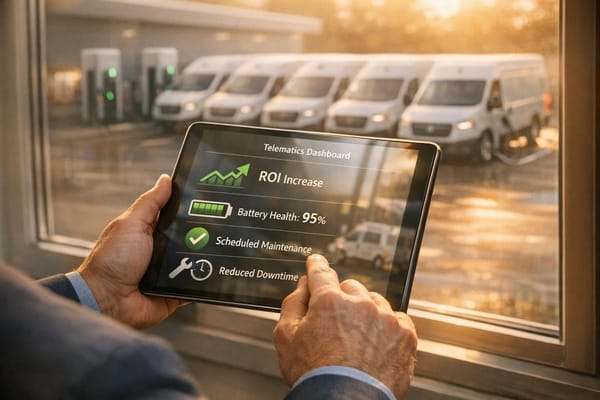
Telematics-driven predictive maintenance reduces EV downtime and maintenance costs, extends battery life and delivers rapid payback with high ROI.
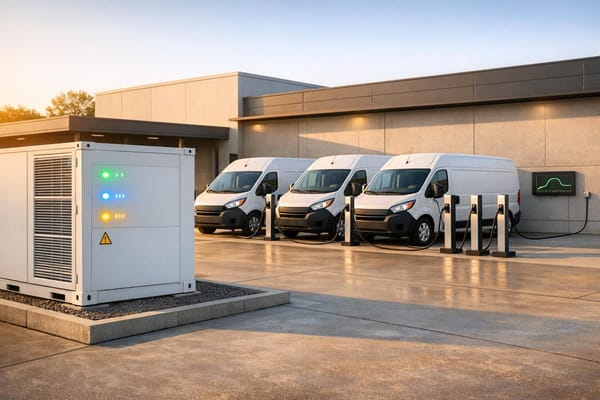
Manage EV fleet charging with on-site battery storage and telematics to shave peaks, cut energy costs and avoid costly grid upgrades.
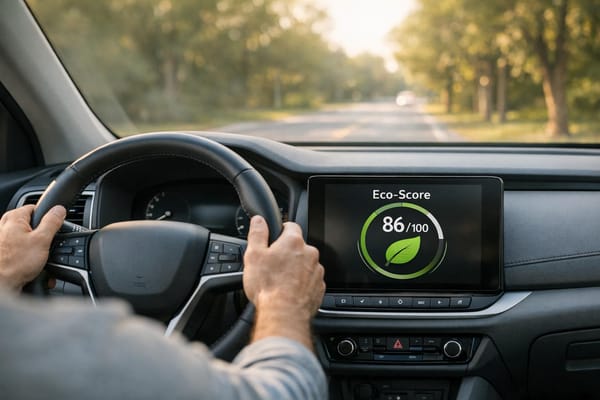
Curious about your driving’s environmental impact? Use our free Driver Eco-Score Generator to get a score out of 100 and tips to drive greener!
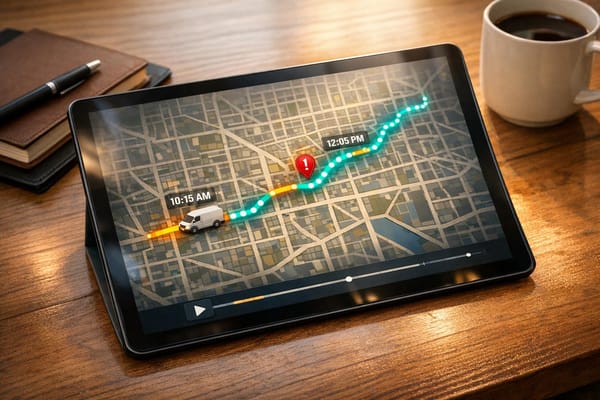
Replay vehicle journeys on interactive maps to analyse routes, driver behaviour, idle time and incidents for improved efficiency, security and theft recovery.
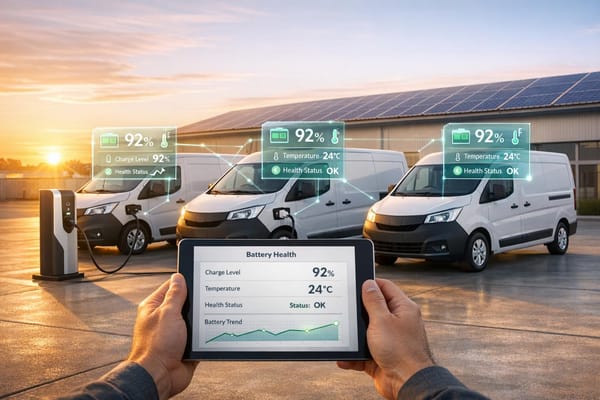
Practical guide for fleet managers to monitor EV battery health—key metrics, BMS & telematics, charging best practices, predictive maintenance and ROI.
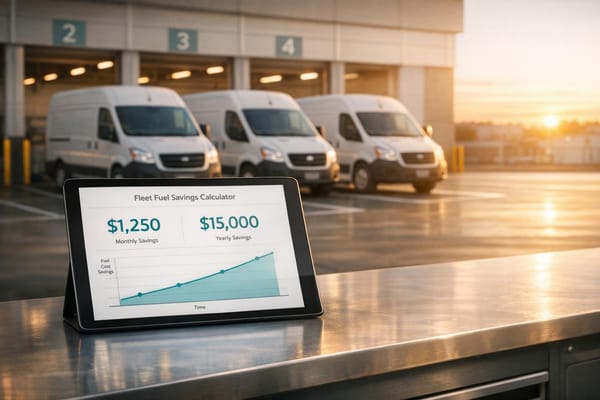
Estimate fuel savings for your fleet with our free calculator. Input vehicle data and see monthly and yearly savings instantly. Try it now!
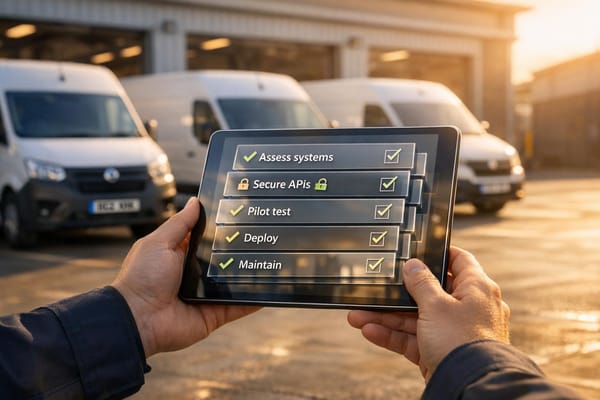
Step-by-step checklist for integrating scalable, secure fleet software in the UK — assess systems, pick secure APIs, pilot test, deploy and maintain.
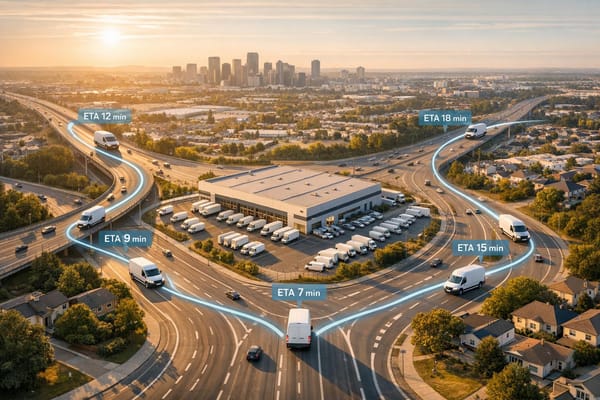
AI delivery updates use real-time tracking and predictive analytics to improve ETAs, cut fuel costs, reduce complaints and boost fleet efficiency.
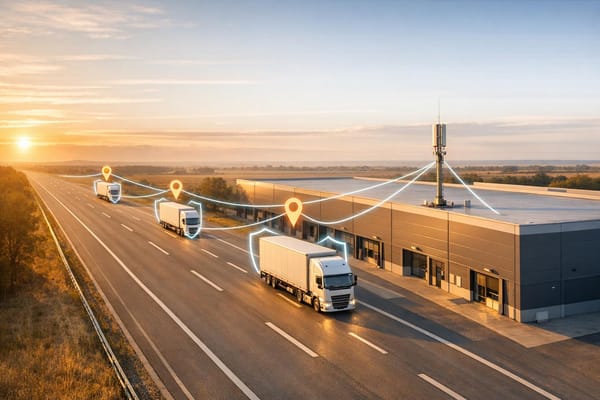
Explains MQTT, CoAP, HTTPS and LoRaWAN and how they enable real‑time tracking, low‑power long‑range monitoring, predictive maintenance and secure fleet data.
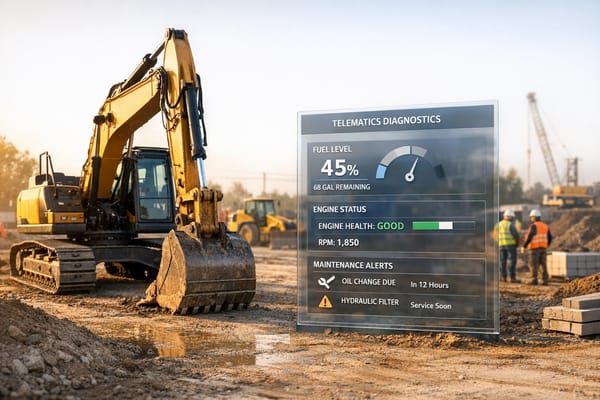
Telematics remote diagnostics monitor machine health in real time to cut downtime, reduce fuel waste and enable predictive maintenance for construction fleets.
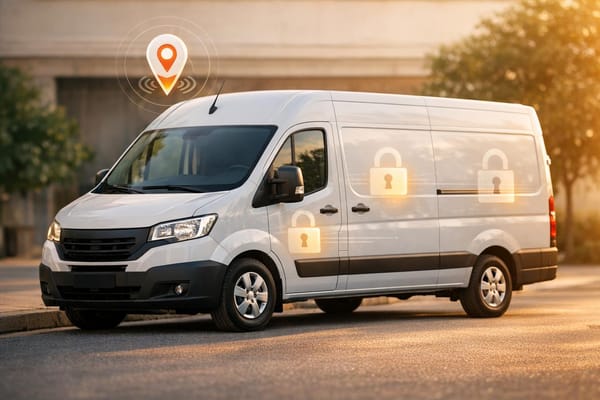
Check your van's security with our free tool! Get a personalised score and tips to keep your vehicle safe from theft. Try it now!