IoT Predictive Maintenance for Fleets
IoT sensors and machine learning predict vehicle faults to reduce downtime, cut maintenance costs and ensure UK fleet compliance.

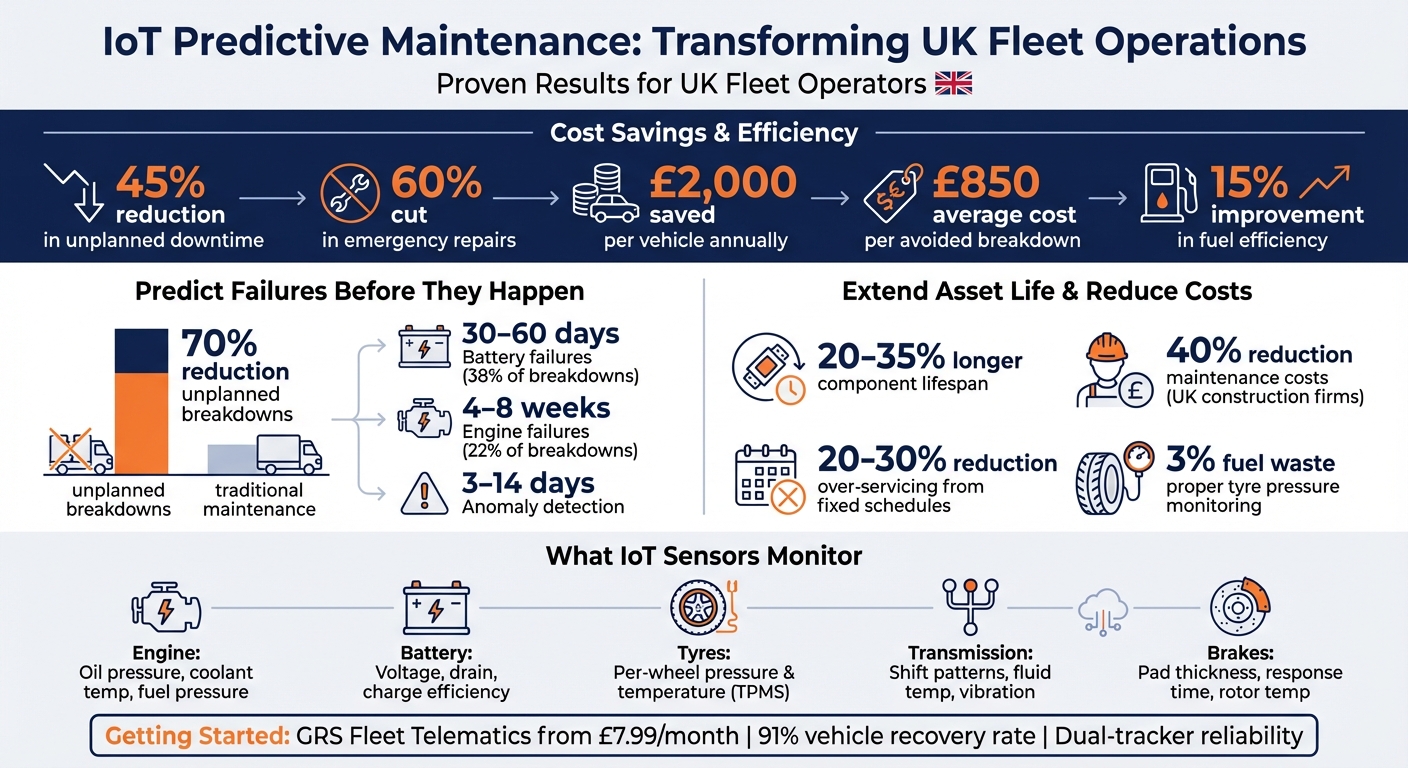
Fleet maintenance doesn’t have to be reactive or wasteful. IoT predictive maintenance uses real-time sensor data to predict vehicle issues weeks in advance, saving time, money, and resources. UK fleet operators can reduce unplanned downtime by 45%, cut emergency repairs by 60%, and save up to £2,000 per vehicle annually. This approach improves safety, extends vehicle lifespan, and ensures compliance with UK regulations like MOT and emissions standards. By installing IoT tracking sensors, leveraging machine learning, and scheduling maintenance based on actual conditions, fleets can operate more efficiently and avoid costly breakdowns. Here’s how it works and how to get started.
IoT Predictive Maintenance Benefits and Cost Savings for UK Fleets
How predictive maintenance helps fleets save thousands
How IoT Predictive Maintenance Works
IoT predictive maintenance takes raw data from sensors and turns it into actionable maintenance plans through three key steps: continuous data collection, smart analysis, and automated scheduling. By monitoring hundreds of data points every hour, IoT sensors provide real-time insights into the condition of vehicles.
Data Collection via IoT Sensors
IoT sensors focus on specific systems within a vehicle. For example:
- Engine diagnostics track oil pressure, coolant temperature, and fuel rail pressure.
- Battery monitors measure voltage, parasitic drain, and charge efficiency.
- Tyre pressure monitoring systems (TPMS) record per-wheel pressure and temperature.
- Transmission sensors monitor shift hesitation, fluid temperature, and vibration.
- Brake sensors measure pad thickness, response time, and rotor temperature.
Vehicles made after 2015 often come with factory-installed telematics, allowing them to send CAN-bus data straight to cloud APIs from brands like Ford, Freightliner, and Volvo. For older vehicles, aftermarket van tracker systems using OBD-II dongles (priced between £50 and £150) can capture and transmit similar data. This ensures that fleets with vehicles of varying ages can still operate under one unified monitoring system.
This robust data collection forms the foundation for the predictive algorithms used in the next stage.
Machine Learning and Predictive Analytics
Once the data is gathered, machine learning algorithms take over. These systems analyse information from ECUs, OBD-II, and CAN-bus systems to identify patterns that signal potential problems. For instance, they can detect unusual temperature spikes, abnormal vibration patterns, or recurring fault codes - issues that might go unnoticed by human operators.
Consider this: battery failures are responsible for 38% of commercial vehicle breakdowns, but IoT monitoring can predict these failures 30–60 days in advance. Similarly, engine failures, which cause 22% of breakdowns, can be flagged 4–8 weeks before they occur. Some UK construction firms have seen maintenance costs drop by up to 40% after adopting AI-powered predictive maintenance within a year.
Real-Time Alerts and Maintenance Scheduling
The insights derived from predictive analytics are immediately put to use. When sensors detect anomalies, they trigger alerts and automatically create work orders in the CMMS. This means maintenance teams can act before scheduled service intervals. For example, if brake pad thickness is nearing its minimum limit, repairs can be planned during less busy times, like evenings or weekends.
This approach not only prevents the over-servicing common with fixed-interval schedules (estimated at 20–30% over-servicing) but also addresses potential failures between inspections. As a result, downtime is minimised, and costs are kept under control.
| Sensor Category | Metrics Monitored | Predictive Value |
|---|---|---|
| Engine Diagnostics | Oil pressure, coolant temp, fuel rail pressure | Detects failures 4–8 weeks early |
| Battery/Electrical | Voltage, parasitic drain, charge efficiency | 30–60 day advance warning for failure |
| TPMS | Per-wheel pressure and temperature | Prevents 3% fuel waste and identifies bearing issues |
| Transmission | Shift hesitation, fluid temp, vibration | Detects stress 3–6 weeks before driver symptoms |
| Brake Sensors | Pad thickness, response time, rotor temp | Enables per-vehicle scheduling based on actual wear |
Benefits of IoT Predictive Maintenance for UK Fleet Operators
IoT predictive maintenance shifts the focus from reactive fixes and rigid schedules to well-timed, data-driven interventions. This smarter approach not only cuts costs but also keeps fleets running smoothly, reducing disruptions and ensuring compliance with regulations. Here’s how UK fleet operators stand to gain.
Reduced Breakdowns and Downtime
IoT sensors provide real-time insights that can reduce unplanned breakdowns by up to 70% compared to traditional maintenance methods. By spotting anomalies 3–14 days before they lead to failures, repairs can be scheduled during quieter periods, avoiding costly mid-route disruptions. This keeps vehicles operational when they’re needed most, boosting both productivity and reliability.
For fleets in the UK hire industry, this 24/7 monitoring has been a game-changer. It not only catches potential issues early but also slashes the number of unexpected breakdowns, ensuring smoother operations[4,12].
Cost Savings and Longer Component Lifespan
Beyond minimising downtime, IoT predictive maintenance delivers impressive cost savings. Avoiding breakdowns saves operators an average of £850 per incident and improves fuel efficiency by up to 15%[9,10]. For example, issues like underinflated tyres or inefficient engines, which increase fuel consumption, can be identified and addressed promptly.
Timely repairs also extend the lifespan of vehicle components by 20–35%. This means fewer replacements, lower parts costs, and reduced labour expenses - all adding up to significant financial benefits for fleet operators.
Helping Meet UK Regulatory Standards
UK fleet operators face stringent safety and emissions rules, from the Road Traffic Act and MOT requirements to emissions zones like London’s ULEZ. IoT predictive maintenance helps fleets stay compliant by continuously monitoring key metrics such as braking systems, emissions levels, and engine performance[7,8]. Automated fault detection ensures timely fixes, reducing the risk of fines or failed inspections.
Additionally, this technology simplifies record-keeping for mandatory checks, such as tachograph reviews and safety inspections. Detailed logs of maintenance activities make it easier for fleet operators to demonstrate compliance during audits, avoiding penalties tied to non-compliance.
Technologies Required for IoT Predictive Maintenance
Creating a reliable IoT predictive maintenance system involves three essential layers: sensors to gather vehicle health data, analytics platforms to process and interpret that data, and telematics hardware to ensure seamless connectivity. Each of these components plays a critical role in identifying potential issues before they turn into expensive breakdowns.
IoT Sensors and Telematics Devices
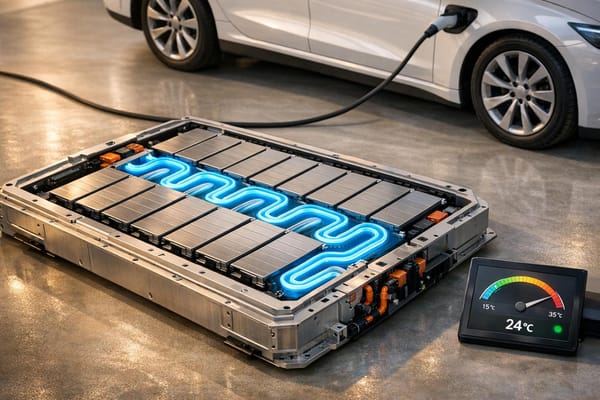
At the heart of any predictive maintenance system are sensors that monitor key vehicle components. Tools like OBD-II and CAN bus interfaces provide direct access to engine diagnostics, while battery and electrical system monitors track parameters such as cold cranking amps (CCA), alternator voltage, and parasitic drain. Advanced sensors can even predict battery failure 30–60 days in advance, giving fleet managers the chance to replace batteries during scheduled maintenance instead of dealing with unexpected breakdowns. This is especially important since battery failures account for 38% of commercial vehicle roadside breakdowns.
Tyre Pressure Monitoring Systems (TPMS) add another layer of insight, offering per-wheel pressure and temperature data. For example, running a tyre 10 PSI under its recommended pressure increases fuel consumption by 3% and accelerates tread wear by 15%. TPMS can also detect unusual heat patterns, helping to identify issues before they escalate.
Specialised fleets require tailored solutions. For instance, sensors that monitor refrigeration unit compressors can prevent cargo losses that might otherwise cost between £25,000 and £150,000. Similarly, transmission and drivetrain telemetry tracks indicators like shift hesitation, torque converter performance, and vibration levels, all of which can signal mechanical stress developing over time.
Data Analytics Platforms
Once sensors collect vehicle data, analytics platforms step in to transform it into actionable insights. These platforms centralise data from multiple sensors across a fleet, using machine learning to identify patterns that may indicate emerging faults. This approach replaces traditional interval-based maintenance with real-time monitoring, helping to predict failures weeks in advance.
Many analytics platforms integrate directly with maintenance management software, automatically triggering work orders when sensor readings cross predefined thresholds. For example, if oil pressure drops below manufacturer specifications or coolant temperatures rise beyond safe levels, the system can generate a detailed work order automatically. To avoid vendor lock-in, it's important to choose platforms that are compatible with a variety of hardware - whether it's GPS trackers, OBD-II dongles, or factory-installed APIs.
GRS Fleet Telematics Solutions
Connectivity is the glue that holds predictive maintenance systems together, and GRS Fleet Telematics trackers provide a robust solution. Their dual-tracker setup combines a primary wired tracker with a Bluetooth backup, ensuring uninterrupted data transmission even if one tracker fails. This redundancy is crucial for maintaining the steady data flow needed for accurate predictive analytics.
The Enhanced package (£79 hardware with a £7.99 monthly subscription) includes both trackers, while the Ultimate package (£99 hardware) adds remote immobilisation capabilities. With a 91% vehicle recovery rate, this solution not only protects against theft but also ensures the IoT system remains fully operational. Real-time GPS tracking further optimises maintenance schedules, particularly for high-idle vehicles that accumulate engine hours more quickly than mileage.
How to Implement IoT Predictive Maintenance for Fleets
Assess Fleet Requirements
Start by conducting a thorough audit of your fleet. Document vehicle details such as type, age, mileage, and maintenance history to identify components most at risk, like engines, brakes, and tyres. For example, a logistics company might focus on heavy-duty vans with over 100,000 miles for the initial IoT implementation.
Check the compatibility of your vehicles with OBD-II and CAN bus systems to ensure smooth integration of sensors. Define the key metrics you’ll monitor - such as engine temperature, tyre pressure, fuel efficiency, and vibration levels - so you can shape your data strategy effectively. Before rolling out across the fleet, test sensors on a small group of vehicles. This will help uncover potential issues, like signal interference in busy urban areas, and ensure compliance with UK regulations like the Road Traffic Act and DVSA guidelines.
Once you’ve assessed your fleet’s needs, you can move on to installing the necessary hardware.
Install IoT Sensors and Telematics Hardware
Choose IoT sensors and hardware tailored for UK fleet operations. For instance, GRS Fleet Telematics offers dual-tracker solutions with a 91% recovery rate for stolen vehicles, starting at £7.99 per month. Their Enhanced package (£79 hardware) includes a wired tracker with a Bluetooth backup, while the Ultimate package (£99) adds remote immobilisation features.
Professional technicians should handle the installation, focusing on critical parts such as engine temperature probes, oil pressure monitors, tyre pressure monitoring systems (TPMS), and GPS units. Installation typically takes 1–2 hours per vehicle. For larger fleets, schedule the rollout over 2–4 weeks, prioritising high-mileage vehicles to maximise the initial benefits. Use tamper-proof mounts and include backup units for added reliability.
After installation, calibrate the devices to use metric units (kilometres, litres, °C) to align with UK standards. Once calibration is complete, verify that data is being transmitted correctly through mobile apps before moving on to the next vehicle.
With the hardware in place, the next step is to integrate analytics to turn raw data into actionable insights.
Integrate Analytics and Configure Alerts
Connect your IoT devices to a cloud-based analytics platform using APIs and set up MQTT protocols for real-time streaming of data like engine hours and vibration levels. Ensure the platform adheres to GDPR requirements by anonymising driver information when necessary.
Upload historical data, such as past breakdowns and mileage logs, to train machine learning models. These models can identify failure patterns, achieving 85%+ accuracy within the first 2–4 weeks and improving to 90%+ accuracy within 60–90 days as fleet-specific data is added.
Set up tiered alerts through SMS, app notifications, or email based on severity. For example, yellow alerts can flag conditions like 80% brake wear, while red alerts can warn of imminent engine failure. Integrate these alerts with scheduling software to automatically book maintenance at DVSA-approved garages during off-peak hours (22:00–06:00 GMT). Use specific thresholds - like a 2.5 bar drop in tyre pressure - to trigger immediate action. This proactive approach helps avoid costly roadside breakdowns, which typically cost around £850 each, while also optimising technician schedules based on vehicle routes and depot locations.
Conclusion
IoT predictive maintenance is changing the way UK fleet operators approach vehicle management. Instead of reacting to breakdowns, they’re adopting proactive, data-driven methods to keep their fleets running efficiently. By monitoring critical components in real time, operators can extend the lifespan of parts by 20–35% and save approximately £850 for every roadside event avoided.
This technology also helps businesses comply with UK regulations, such as the Road Traffic Act, by providing automated diagnostics and maintaining audit-ready data logs. With vehicles kept in optimal condition, fleet managers can minimise the risk of accidents caused by mechanical failures, aligning perfectly with the guide's focus on proactive maintenance.
For businesses in the UK looking to adopt IoT predictive maintenance, GRS Fleet Telematics offers an affordable starting point. Their dual-tracker solutions start at just £7.99 per month. With a 91% stolen vehicle recovery rate and backup tracking capabilities, the system ensures uninterrupted data collection, which is vital for accurate predictions. For added security, the Ultimate package includes remote immobilisation and costs £99 for the hardware.
The benefits are clear: fleets using IoT-driven predictive maintenance experience more uptime, lower costs, and better use of resources. Whether managing a handful of delivery vans or a large commercial fleet, adopting this approach can turn maintenance from a costly headache into a seamless, efficient process.
FAQs
What data do I need to start predictive maintenance?
To kick off predictive maintenance, start by gathering data from your fleet vehicles. This should include real-time sensor readings and diagnostics. Key metrics to monitor are engine health, tyre pressure, brake wear, battery status, vibration levels, temperature, and any fault codes. Additionally, insights into driver behaviour and operational data can provide an extra layer of detail to refine your maintenance strategy. By analysing this range of information, potential problems can be spotted early, allowing for timely maintenance and minimising unexpected downtime.
Will it work on older vehicles in my fleet?
Yes, IoT predictive maintenance can be applied to older vehicles, but how well it works depends on the sensors already in place. If a vehicle has sensors tracking things like engine temperature or brake wear, integrating IoT systems is straightforward. For vehicles without such sensors, retrofitting them might be necessary. The process will differ depending on the vehicle's make, model, and overall condition, but with the right setup, older vehicles can also benefit from IoT systems.
How fast will I see ROI after installing sensors?
The return on investment (ROI) for installing IoT sensors aimed at predictive maintenance is usually achieved within a year. These systems allow fleet managers to identify potential issues early, which can slash unplanned downtime and reduce maintenance expenses by as much as 36%. By using real-time data to fine-tune vehicle performance, they also help cut fuel and repair costs, offering an economical solution for fleet operations across the UK.