5 IoT Authentication Methods for Fleet Security
Explore five robust IoT authentication methods to enhance fleet security and ensure compliance with UK regulations.
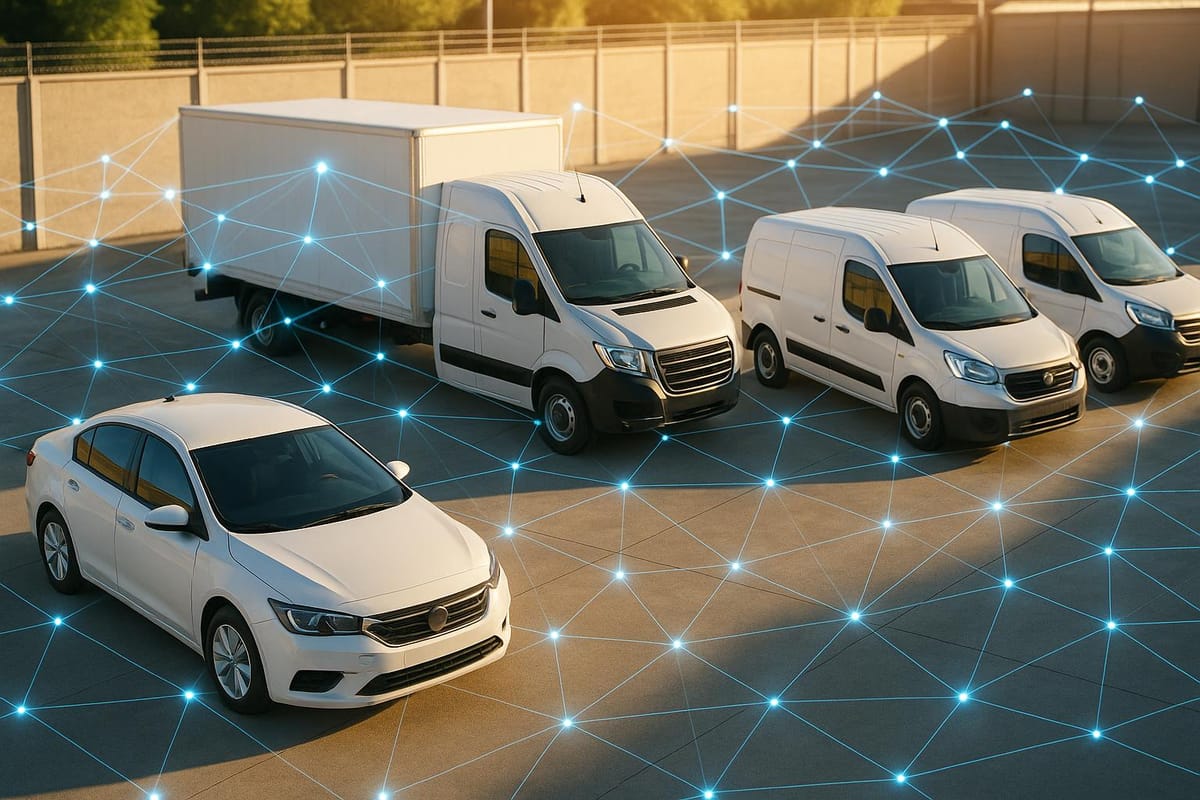
Fleet operations in the UK face increasing security challenges as IoT technology becomes central to managing vehicles, tracking data, and optimising performance. To protect sensitive information, prevent breaches, and comply with GDPR, robust authentication methods are essential. Here’s a quick look at five effective ways to secure fleet IoT systems:
- Biometric Authentication: Uses physical traits like fingerprints or facial recognition for secure access to vehicles and systems.
- Two-Factor Authentication (2FA): Adds an extra verification step, such as a code or token, to strengthen login security.
- Digital Certificates: Assigns unique cryptographic credentials to devices, ensuring only authorised equipment connects to the network.
- SIM-Based Authentication: Relies on IoT SIM cards with built-in encryption and geofencing for secure device verification.
- Role-Based Access Control (RBAC): Restricts access based on job roles, ensuring users only see data relevant to their responsibilities.
Each method offers distinct advantages in terms of security, scalability, and compliance, with many fleet operators combining multiple approaches for layered protection. Below, we explore how these methods work and their benefits for UK fleet operators.
Securyzr Server to manage the security of heterogeneous fleets of IoT devices
1. Biometric Authentication
Biometric authentication relies on unique physical traits like fingerprints, facial features, or voice patterns to confirm a user’s identity when accessing fleet vehicles or management systems. These traits are far harder to duplicate than passwords, making biometrics a much stronger security option.
In fleet operations, biometric sensors are often built into vehicle entry systems or driver terminals. For instance, a driver can simply scan their fingerprint or use facial recognition to gain access to their assigned vehicle. Once authenticated, the system allows them to start the engine or access sensitive fleet data.
Security Strength
Biometric authentication is among the most secure methods available for protecting IoT fleet networks. Research indicates it can reduce unauthorised access incidents by up to 80% compared to systems relying solely on passwords. The technology works by capturing and encrypting unique biological markers, storing them securely in a database. When access is requested, the system compares the live biometric data against the stored template, ensuring only authorised personnel can proceed. This extra layer of security is a game-changer for fleet management.
Compliance with UK Regulations
Under GDPR, strict data protection requirements apply to both drivers and customers. Biometric authentication supports compliance by creating verifiable audit trails, showing exactly who accessed which vehicles and when. This accountability helps reduce data breaches. However, fleet operators must ensure that biometric data is securely stored, processed lawfully, and collected only with explicit driver consent. Systems should also allow users to withdraw consent and request data deletion if needed, aligning with GDPR’s principles.
Scalability for Fleet Operations
In the UK, fingerprint and facial recognition are the most widely used forms of biometric authentication, with voice recognition being less common. These methods are particularly effective in vehicle environments because they are fast and convenient, making them ideal for large-scale fleet operations. Modern systems can handle thousands of users, allowing fleet managers to centrally manage permissions and access rights, which is crucial for larger fleets.
Ease of Implementation
Biometric systems can be seamlessly integrated into vehicle dashboards or used as standalone terminals for drivers and managers. Setting up these systems involves installing sensors, configuring software, and enrolling users. While the initial setup may require technical expertise, the systems are designed for ease of ongoing use. Fleet operators can quickly add new drivers, adjust access permissions, or remove users as needed, ensuring smooth operations. The next section will explore another critical method for strengthening fleet security.
2. Two-Factor Authentication (2FA)
Two-factor authentication (2FA) adds an extra layer of security by requiring two separate forms of identification before granting access to fleet systems or vehicle data. Typically, this involves something the user knows, like a password or PIN, paired with something they possess, such as a mobile phone, hardware token, or smart card. This dual-step process creates a robust defence against unauthorised access.
In fleet operations, drivers log in using their credentials and then verify their identity through a text code, authenticator app, or hardware token.
Security Strength
Multi-factor authentication, including 2FA, is highly effective, capable of blocking up to 99.9% of automated cyber-attacks targeting IoT systems. Even if a hacker manages to steal a user’s password through phishing or a data breach, the second authentication step acts as a critical roadblock, significantly reducing the risk of unauthorised access.
Compliance with UK Regulations
Under GDPR and other UK data protection laws, fleet operators are required to implement technical measures to protect personal data. 2FA plays a key role in meeting these legal obligations by providing a verifiable way to secure sensitive information within fleet management systems.
Scalability for Fleet Operations
Modern 2FA solutions are designed to grow alongside expanding fleets. Cloud-based authentication services can easily accommodate increasing operational demands. Many fleet operators in the UK are turning to mobile-based 2FA methods, such as SMS codes, authenticator apps, or hardware tokens, to secure access to telematics data. These mobile-based options are particularly well-suited to fleet environments, as drivers almost always carry smartphones.
Ease of Implementation
Integrating 2FA into fleet management platforms is often straightforward, thanks to APIs and pre-built connectors that support standard authentication protocols. Most modern telematics systems are designed to work seamlessly with these solutions. To ensure continued compliance with ever-evolving UK regulations and industry standards, regular reviews and updates of authentication protocols are essential. Additionally, choosing 2FA solutions compatible with both mobile and desktop platforms ensures they meet the varied needs of fleet operations.
Next, we’ll look at how digital certificates add another layer of security to fleet IoT systems.
3. Digital Certificates
Digital certificates serve as cryptographic credentials provided by a trusted Certificate Authority (CA). These certificates are used to verify the identity of each device within an Internet of Things (IoT) fleet network. Each device is assigned a unique certificate, creating a secure connection with the fleet system. This ensures that only authorised devices can interact within the network.
This form of authentication is built on public key infrastructure (PKI), which provides a reliable security framework. When a telematics device attempts to connect, both the device and the server exchange certificates, verifying each other's identities through mutual Transport Layer Security (mTLS). This method combines strong cryptographic measures with practical usability for fleet-scale operations, paving the way for advanced authentication strategies.
Security Strength
Digital certificates bring robust security through mutual authentication and non-repudiation. Both the device and server confirm each other's identities while digitally signing all communications, ensuring traceability. This means every action can be linked back to a specific device within the fleet.
An added layer of security comes through certificate revocation. If a device is compromised or a vehicle is stolen, fleet operators can disable the certificate tied to that device without disrupting the rest of the network. This targeted approach helps maintain connectivity for legitimate devices while preventing unauthorised access.
Modern PKI systems also align with zero-trust security principles, requiring every device and user to continuously verify their identity before accessing sensitive fleet data. This significantly reduces the risk of cyberattacks and unauthorised entry into the system.
Scalability for Fleet Operations
Digital certificates enhance security at the device level, complementing systems like biometrics and two-factor authentication (2FA). Modern PKI systems are designed to handle certificate issuance, renewal, and revocation for thousands of devices, making them ideal for scaling fleet operations across the UK. Centralised management platforms allow fleet operators to monitor certificate statuses from a single dashboard. This ensures quick responses to security incidents and consistent enforcement of security policies - whether managing a small fleet of 50 vans in London or a large network of 500 lorries nationwide.
Ease of Implementation
Setting up digital certificate authentication involves either establishing a PKI infrastructure or partnering with a managed certificate authority to handle the technical details. Each telematics device must be equipped with a unique digital certificate during manufacturing or deployment. Fleet management systems should also be configured to enforce certificate-based authentication for all device communications.
Managing large volumes of certificates and securing private keys can be achieved using hardware security modules or trusted platform modules. While the initial setup requires investment in infrastructure and staff training, these efforts often pay off through long-term security improvements and a reduced risk of data breaches. Regular updates and security audits further ensure seamless integration with existing fleet management systems.
4. SIM-Based Authentication
SIM-based authentication relies on the unique credentials embedded in IoT SIM cards to verify the identity of devices within fleet networks. This ensures that only authorised devices can connect to the fleet management system. Each telematics device is equipped with a SIM card containing cryptographic keys, enabling a secure mutual authentication process between the device and the network. When a device attempts to connect, the SIM card’s credentials are verified against the network’s authentication servers using AES-256 encryption - a method trusted by UK fleet operators. This process establishes a secure channel for data exchanges and strengthens the overall security of fleet networks.
Security Features
SIM-based systems offer multiple layers of protection to enhance security. For instance, IMEI locking ensures that SIM cards are tied to specific devices, while geofencing restricts connectivity to pre-defined locations. Time-based access controls can limit device connectivity to specific operational periods. Real-time monitoring keeps track of authentication and network activity, enabling automatic responses to potential threats. Additionally, private APN configurations and VPN tunnels isolate fleet data from public networks, adding another layer of security. Together, these measures help safeguard against threats like man-in-the-middle attacks and ensure the integrity of transmitted data.
Supporting UK Compliance
By incorporating strong encryption and secure key management, SIM-based authentication helps fleet operators comply with UK data protection regulations, including GDPR. Features like private APNs ensure that sensitive traffic is kept separate from public Internet channels, aligning with stringent regulatory requirements. Furthermore, continuous compliance reporting, complete with detailed audit trails, simplifies regulatory inspections and reduces the risk of non-compliance penalties.
Scalability for Fleet Management
IoT SIM cards are designed to support large-scale fleet operations across the UK’s diverse geographical landscape. Remote provisioning through eUICC technology allows fleet operators to update SIM profiles without needing physical access to devices. Centralised management tools enable operators to oversee device access, apply updates remotely, and automate incident responses across their entire fleet. These capabilities not only simplify fleet expansion but also minimise maintenance efforts, making SIM-based solutions practical for both small and large fleets.
Simplified Deployment
Modern telematics devices come equipped with built-in SIM slots that support advanced security features, making deployment straightforward. Once devices are configured with private APN settings and features like geofencing, integration with existing fleet management systems is typically seamless and requires minimal technical adjustments. Regular security updates and audits further ensure that fleets maintain high levels of protection over time.
5. Role-Based Access Control (RBAC)
RBAC, or Role-Based Access Control, refines how access is managed by assigning permissions based on an individual's role within an organisation. In the context of IoT fleet management, this system ensures that users - whether drivers, fleet managers, or technicians - can only access the data and tools relevant to their specific responsibilities. By assigning predefined roles, RBAC creates distinct permission levels, dictating what data and functions each role can access within the fleet management system.
For example, depot supervisors might only access information about local vehicles, while regional managers oversee operations across multiple depots. This structured approach helps safeguard sensitive information, such as driver performance metrics or vehicle maintenance records, by limiting access to authorised personnel. RBAC is often paired with other security measures, like secure digital certificates and mutual TLS (mTLS), to support a zero-trust security model through continuous verification.
Security Strength
One of the strongest aspects of RBAC is its ability to enforce the principle of least privilege. This means users are granted only the minimum access needed to perform their duties. For instance, if a driver's credentials are stolen, the intruder would be unable to access fleet-wide data or administrative functions reserved for management.
This approach not only mitigates risks from external threats but also curbs insider misuse and privilege escalation. Security is further bolstered by real-time monitoring, which tracks metrics such as access frequency by role, failed login attempts, and unusual data access patterns. Automated alerts can flag suspicious activities, such as attempts to access unauthorised data or deviations from typical usage behaviours.
Compliance with UK Regulations
RBAC plays a crucial role in meeting GDPR requirements by ensuring that personal data is accessible only to authorised personnel with a legitimate business need. It also supports data minimisation by restricting access to just the information necessary for each role. For instance, customer delivery addresses, driver details, and vehicle tracking data remain shielded from unnecessary exposure.
Detailed audit trails generated by RBAC help organisations comply with UK data protection laws. Regular security audits - often conducted quarterly - review access logs to ensure that RBAC policies align with the organisation's current structure and regulatory obligations.
Scalability for Fleet Operations
RBAC is highly adaptable, making it ideal for expanding fleet operations. Whether a company manages a small local fleet or a nationwide network, the role-based structure can accommodate new users, vehicles, and locations through standardised permission templates. New employees are assigned appropriate access levels as soon as they are onboarded, while departing staff lose access immediately upon account deactivation.
This system also supports geographical scalability by defining location-specific roles. For example, regional managers can oversee operations in their designated areas without accessing data from other regions. This compartmentalisation is particularly useful for logistics companies operating across multiple cities or counties in the UK.
Modern fleet management systems often integrate RBAC monitoring with centralised management platforms, enabling managers to oversee access activities across their entire operation. By relying on role structures rather than assigning individual permissions, RBAC reduces administrative workload as fleets grow, forming a key part of a layered security strategy.
Ease of Implementation
Implementing RBAC begins with mapping organisational roles to system permissions. This involves identifying the specific data and functions required for each role, such as drivers, dispatchers, technicians, fleet managers, and administrators. Each role is then assigned distinct access permissions within the fleet management system.
Many telematics platforms offer built-in RBAC functionality that integrates with existing user management systems, simplifying the setup process and minimising disruptions. User training is essential to ensure staff understand their access limitations and responsibilities. Clear procedures for requesting additional permissions and reporting security concerns are equally important. Regular reviews of role assignments help prevent "permission creep", where users accumulate unnecessary access over time.
Although the initial configuration requires careful planning, the long-term benefits are undeniable. RBAC automates access control decisions based on predefined roles, reducing administrative overhead while enhancing security and compliance.
At GRS Fleet Telematics, RBAC is seamlessly integrated into a multi-layered security framework, ensuring that users can only access data relevant to their roles. This approach not only simplifies access management but also strengthens overall system security.
Authentication Methods Comparison
When securing your fleet, it's essential to choose an authentication method that balances security, ease of use, and compliance. Each method has its strengths and drawbacks, which can influence your operations.
| Authentication Method | Strengths | Limitations | UK Compliance Notes |
|---|---|---|---|
| Biometric Authentication | Offers high security by verifying unique physical traits. | Requires specialised hardware, can be affected by environmental conditions, and raises privacy concerns around data storage. | Must adhere to GDPR rules for handling sensitive biometric data, requiring explicit user consent. |
| Two-Factor Authentication (2FA) | Combines multiple verification methods to reduce unauthorised access risks and is relatively simple to set up. | Can cause user inconvenience, depends on reliable mobile networks, and is vulnerable to SIM-swapping attacks. | Complies with UK regulatory standards for sensitive data protection and government security guidelines. |
| Digital Certificates | Ensures strong mutual authentication, prevents man-in-the-middle attacks, and supports immediate device revocation. | Requires a robust PKI infrastructure, involves complex certificate management, and needs periodic renewals. | Meets UK government standards for infrastructure security and guarantees non-repudiation. |
| SIM-Based Authentication | Delivers strong mutual authentication, supports IMEI locking and geofencing, and ensures network-level security. | Limited to SIM-enabled devices, relies on mobile network availability, and is at risk from physical theft. | Aligns with UK security standards and supports compliance through IMEI locking and geofencing. |
| Role-Based Access Control (RBAC) | Implements least-privilege access, scales efficiently, reduces insider threats, and provides detailed audit trails. | Requires ongoing role maintenance and careful definition, with a risk of permission creep over time. | Supports GDPR data minimisation principles and provides audit trails for compliance. |
Beyond the listed strengths and limitations, practical considerations like cost and implementation complexity play a significant role in selecting the right method. For example:
- Biometric systems require investment in specialised hardware.
- Digital certificates involve costs for PKI infrastructure and certificate renewals.
- SIM-based authentication focuses on SIM provisioning expenses.
- 2FA typically incurs software licensing and SMS-related costs.
Implementation complexity also varies. SIM-based methods are relatively simple when working with managed providers. 2FA is easy to integrate but may require user training. On the other hand, digital certificates demand a more technical setup, while biometric systems can involve logistical challenges for hardware deployment.
As your fleet grows, scalability becomes a critical factor. RBAC stands out for its ability to manage new users and locations efficiently with standardised permission templates. Digital certificates scale well once the PKI infrastructure is established, and SIM-based solutions are effective, especially with managed service providers. Biometric systems, however, may require additional hardware as operations expand.
A layered security approach offers the most comprehensive protection. For example, combining RBAC with robust device authentication methods like digital certificates or SIM-based systems ensures both user and device-level security. This strategy addresses various threats while maintaining operational efficiency.
New technologies, such as zero-touch deployment and remote SIM management, are also simplifying large-scale rollouts, reducing complexity and operational overhead. These advancements allow fleet operators to adopt layered authentication strategies that seamlessly integrate with their existing security frameworks.
Ultimately, the best authentication method depends on your operational needs, regulatory requirements, and risk appetite. For high-risk environments or fleets handling sensitive cargo, stronger measures may be necessary, while smaller fleets might find simpler solutions more practical.
Conclusion
Fleet security in the UK now requires a multi-layered approach to authentication to safeguard assets, data, and operations against increasingly advanced threats, all while adhering to regulations like GDPR and government security standards.
As highlighted earlier, zero-trust security models rely on constant verification at every access point. This principle underpins the methods discussed, forming the backbone of a robust security strategy.
A strong example of this is GRS Fleet Telematics, which showcases how layered protection can bolster fleet recovery and operational resilience. Their dual-tracker system is a case in point: a primary hardwired GPS tracker pairs with a concealed Bluetooth backup tracker. If one device is compromised, the other ensures uninterrupted monitoring. This setup underscores the power of combining multiple layers of authentication for a more resilient security framework.
For UK fleet operators, adopting robust authentication measures is key to ensuring business continuity, meeting regulatory requirements, and maintaining operational efficiency. A combination of tools - such as digital certificates for secure device communication, biometric authentication for user access, and role-based access control for managing data - can provide scalable and effective protection.
Here are steps to secure your fleet today:
- Use multi-factor authentication at all access points.
- Introduce biometric verification for sensitive access.
- Employ digital certificates to secure communications between devices.
- Apply role-based access controls to minimise data exposure.
As authentication technologies evolve, UK fleets that embrace these layered strategies now will be better equipped to tackle future security threats while maintaining the flexibility required to thrive in a modern business environment.
FAQs
How does biometric authentication comply with GDPR in fleet operations?
Integrating biometric authentication into fleet operations can meet GDPR standards by ensuring biometric data is managed responsibly and securely. Since GDPR classifies biometric data as a special category of personal data, its use requires explicit consent from individuals and must serve only specific, lawful purposes.
To stay compliant, organisations should adopt strong security measures like encryption and strict access controls to safeguard this sensitive data. Transparency is equally important - individuals must be informed about how their data will be used, stored, and when it will be deleted once it’s no longer required. Following these guidelines not only strengthens fleet security but also ensures adherence to data privacy regulations.
What challenges might arise when using digital certificates for IoT fleet security?
Managing digital certificates for IoT fleet security can be a tricky process. For starters, handling a large volume of certificates across an entire fleet requires a solid system in place to efficiently issue, renew, and revoke them. Without proper oversight, expired or compromised certificates could open the door to security risks.
There’s also the matter of cost and expertise. Setting up digital certificates often involves a considerable initial investment and may require skilled IT professionals to implement and maintain them. For smaller businesses, this can be a challenging hurdle. On top of that, ensuring that all devices are compatible with certificate authorities is crucial - otherwise, connectivity within the IoT network could suffer.
Even with these hurdles, digital certificates are among the most secure authentication methods available. When paired with additional layers of security, such as two-factor authentication or biometric verification, they provide a robust defence against threats.
What are the best ways for fleet operators to combine authentication methods to improve security?
Fleet operators can boost security by adopting a layered authentication strategy. By combining biometric verification, two-factor authentication (2FA), and digital certificates, they create multiple barriers against unauthorised access, adding an extra layer of protection.
Take this scenario: biometric authentication, like a fingerprint scan or facial recognition, is paired with 2FA - such as a one-time passcode sent to a secure device. This combination makes it much harder for intruders to breach your system. Adding digital certificates for authenticating devices strengthens the security further, ensuring safe communication between IoT devices in your fleet.
This approach not only fortifies security but also reinforces confidence in your fleet operations by protecting sensitive data and valuable assets.