Improving Fleet Security with Real-Time Data
Combining real-time tracking with historical telematics is the most effective way to prevent theft, speed recovery and cut costs for fleets.

Fleet security is evolving, and data analytics is at the forefront. Fleet operators in the UK are using real-time and historical data to protect vehicles, drivers, and cargo while improving efficiency.
Key Takeaways:
- Real-Time Data: Offers immediate insights for theft prevention, route tracking, and safety. Alerts arrive within seconds, enabling swift responses to threats like unauthorised movements or geofence breaches.
- Historical Data: Analyses past trends to improve routes, identify security gaps, and plan maintenance. It aids compliance and supports long-term decision-making.
- Cost Savings: UK fleets save up to £320 million annually by reducing theft, improving fuel efficiency, and minimising incidents.
Example Costs: Real-time tracking starts at £7.99 per vehicle per month, with hardware from £35.
Combining both approaches ensures stronger security and smarter planning, making fleet management more efficient and reliable.
1. Real-Time Data Analytics
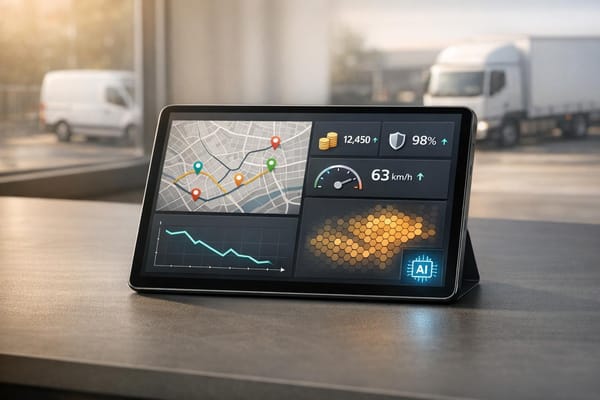
Real-time data analytics has revolutionised fleet security by enabling constant monitoring of GPS trackers, telematics, and IoT sensors. Instead of waiting for end-of-day reports, this technology processes data as it happens, allowing fleet managers to identify and respond to potential security threats immediately.
Update Frequency
With updates arriving every few seconds or minutes, real-time tracking ensures fleet managers are always in the loop. They receive dynamic updates on crucial details like route changes, speed variations, and heading adjustments. This quick flow of information helps identify suspicious activities, such as route deviations or unauthorised movements, before they escalate.
What’s more, dual-tracker technology adds an extra layer of security. While a primary hardwired tracker provides constant updates, a hidden Bluetooth backup kicks in if the main device is tampered with. This uninterrupted data stream is key to precise and timely theft detection.
Theft Detection
Real-time systems are designed to instantly flag unauthorised access or unexpected vehicle movements. By combining GPS data with telematics, these systems can detect when an engine is started, doors are opened, or a vehicle moves unexpectedly. This layered approach helps fleet managers act quickly when patterns deviate from the norm.
For example, if a vehicle that typically operates within central London suddenly appears in another region without prior approval, the system immediately recognises the anomaly. Unlike static thresholds like geofence exits, these systems adapt to regular operational patterns, making detection more accurate.
With dual-tracker technology, recovery rates for stolen vehicles have reached an impressive 91%. The speed of detection feeds directly into alert systems, ensuring security teams can take action without delay.
Alert Speed
Quick alerts are essential to minimising the impact of security breaches. Real-time systems generate notifications the moment a threat is detected, whether it’s an unauthorised geofence exit, an unexpected engine start, or unusual movement.
These alerts, sent via centralised platforms or mobile apps, allow for immediate intervention. Fleet managers can customise notifications for specific events like speeding, geofence violations, or maintenance issues, helping them prioritise urgent matters.
By cutting response times from hours to mere minutes, these instant alerts significantly improve the chances of recovering stolen vehicles and strengthen overall fleet security.
Pricing
Real-time monitoring doesn’t just offer advanced features - it’s also cost-effective. GRS Fleet Telematics provides real-time tracking for £7.99 per vehicle per month, with hardware packages starting at £35 (excluding VAT). This includes essential features like real-time tracking, geofencing, driver behaviour monitoring, and access to both centralised platforms and mobile apps, with no hidden costs.
Three hardware options are available to suit different security needs:
- Essential Package (£35): A single wired tracker for basic monitoring.
- Enhanced Package (£79): A primary tracker with a secondary Bluetooth backup for added theft protection.
- Ultimate Package (£99): Includes an immobilisation feature to remotely prevent engine starts.
Fleet managers can also take advantage of free installation when combining the system with fleet branding through GRS Fleet Graphics. Standalone installations are available upon request.
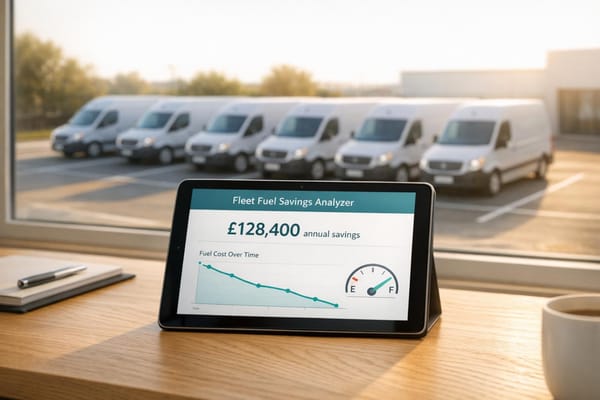
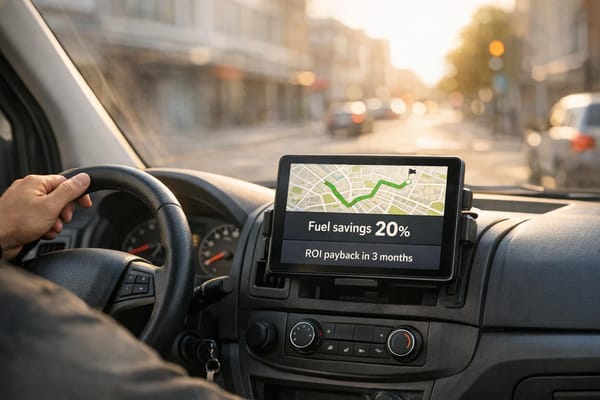
Real-time telematics systems have shown impressive results for UK fleets, saving up to £320 million annually. They can reduce fuel consumption by up to 11%, deliver fuel savings of 15–20%, and boost productivity by 15–30%, particularly in last-mile delivery operations.
2. Historical Data Analytics
Real-time analytics are great for immediate responses, but when it comes to shaping long-term strategies, historical data takes the lead. This type of analysis digs into archived records, gathering and storing details about past vehicle movements, routes, maintenance logs, and security incidents over extended periods. While it doesn’t offer instant alerts, it provides insights that are invaluable for recognising patterns and planning for the future. Essentially, it works hand in hand with real-time data, helping to identify trends that can guide strategic security decisions.
Update Frequency
Historical data is typically updated at set intervals - daily, weekly, or monthly - depending on how the fleet management system is configured. This slower update cycle is deliberate; it ensures that vast amounts of data can be stored without overwhelming system resources. By capturing key details like vehicle positions, routes, statuses, and performance metrics at regular intervals, historical data becomes a powerful tool for post-incident investigations and meeting compliance requirements.
Theft Detection
Archived movement records are a goldmine for spotting unusual activity. By establishing baseline patterns, fleet operators can quickly identify deviations that might point to theft. For example, a weekly report could reveal anomalies in a stolen vehicle’s movements, providing a detailed timeline for investigators. This approach is especially useful in piecing together events after an incident, aiding in recovery efforts and improving security measures.
Strategic Planning
Historical data is a treasure trove for long-term planning. Fleet managers can use it to analyse traffic patterns, evaluate route efficiency, and spot seasonal trends in costs. For instance, the telematics market, valued at £45.2 billion in 2023, is expected to grow to £292.2 billion by 2032.
This type of analysis also highlights recurring vulnerabilities. Managers can identify high-risk routes, times when thefts are more likely, or driver behaviours linked to security issues. For example, if data consistently shows a spike in thefts during certain hours at specific locations, managers could implement stronger security measures or adjust parking strategies to reduce risks.
Compliance and Documentation
For fleet operators in the UK, maintaining detailed records isn’t just good practice - it’s a legal necessity. Historical data provides an audit trail that supports compliance with tax regulations, insurance claims, and health and safety standards. Archived information covering vehicle usage, maintenance schedules, driver behaviour, and incident reports can demonstrate due diligence, assist in insurance claims, and serve as evidence during investigations or legal disputes. To meet UK standards, this data must comply with GDPR and include robust encryption for security.
Predictive Maintenance
Historical data isn’t just about looking back - it can also help predict what’s ahead. By analysing past vehicle performance, usage patterns, and maintenance records, fleet operators can anticipate potential issues before they become major problems. For example, if data shows that a specific vehicle model tends to develop brake problems after 80,000 miles, preventive maintenance can be scheduled to avoid breakdowns. This proactive approach minimises costly downtime and emergency repairs, turning historical data into a tool for operational efficiency.
Cost Considerations
One of the practical benefits of historical data is its cost efficiency. Unlike real-time monitoring, which requires continuous data processing, historical data is handled in batches, reducing the need for expensive infrastructure. However, organisations still need reliable storage solutions that balance cost and accessibility. Retention periods for this data typically range from one to seven years, depending on regulatory and operational requirements. Cloud-based platforms offer scalable storage options, while on-premises systems provide more control. Clear data governance policies - covering access, retention, and security - are essential to maximise value. While historical data doesn’t support real-time threat detection, its ability to store and analyse large volumes efficiently makes it a cost-effective choice for long-term planning.
Pros and Cons
Real-time and historical data analytics each bring distinct advantages to fleet security and operational management, making them valuable tools for different scenarios.
| Aspect | Real-Time Data Analytics | Historical Data Analytics |
|---|---|---|
| Primary Strength | Detects and responds to threats instantly. For example, it can flag security breaches as they happen, enabling immediate action to prevent theft or unauthorised access. | Provides insights for post-incident investigations and long-term planning. Analyses patterns and trends over time to enhance security strategies. |
| Response Capability | Enables swift action by identifying unusual movements or behaviours in real time. | Focuses on reactive measures. While it can’t prevent incidents as they occur, it helps uncover how breaches happened to guide future prevention efforts. |
| Cost Implications | Comes with higher costs due to the need for constant connectivity, advanced hardware, and sophisticated software for continuous monitoring. | More cost-efficient for monitoring. Processes data in intervals, reducing ongoing expenses, though it requires investment in storage solutions. |
| Operational Benefits | Allows for quick decision-making. For instance, it can reroute vehicles to avoid congestion, respond to emergencies, and minimise downtime through instant alerts. | Delivers in-depth strategic insights. It evaluates traffic trends, identifies seasonal patterns, and supports compliance documentation. |
| Theft Prevention | Acts as a proactive deterrent. Detects unauthorised access in real time, enables vehicle immobilisation, and coordinates recovery efforts with authorities. | Useful for investigations. Tracks stolen vehicles through archived data, identifies unusual patterns, and supports insurance claims. |
| Alert Management | Risk of overwhelming alerts. Poor calibration can lead to false positives, potentially distracting security teams. | Avoids alert fatigue. Periodic reviews mean fewer notifications, but time-sensitive threats might go unnoticed. |
| Infrastructure | Relies on robust connectivity. Requires GPS, telematics, and IoT devices with uninterrupted signal coverage, which can be challenging in remote areas. | Needs reliable storage systems. Requires effective database management to handle large volumes of archived data. |
| Pattern Recognition | Limited to short-term events. Focuses on immediate issues, which might miss broader, systemic vulnerabilities. | Excels at identifying trends. Highlights recurring issues, high-risk routes, and behaviours linked to security incidents. |
| Best Use Cases | Ideal for scenarios like active vehicle theft, unauthorised access attempts, safety violations, route deviations, and emergency tracking. | Best suited for post-incident analysis, compliance audits, driver behaviour evaluations, and long-term planning. |
This comparison underscores how the integration of both approaches can offer a comprehensive strategy for fleet management. Real-time analytics shine in catching threats as they emerge, while historical data provides the context needed to address recurring issues and improve processes over time.
By combining these methods, fleets can create a cycle of continuous improvement. Real-time systems enable immediate responses to critical events, while historical data dashboards support regular reviews that shape long-term strategies. Together, they not only tackle incidents as they happen but also help prevent future occurrences.
The choice between these approaches depends on your fleet’s specific needs. For high-value vehicles or operations in theft-prone regions, real-time monitoring is often worth the investment due to its ability to prevent breaches and recover assets quickly. On the other hand, fleets with lower risk profiles might lean towards historical analysis for compliance and strategic planning, accepting that some issues will only be identified after the fact.
Fortunately, modern technology platforms are increasingly capable of handling both approaches simultaneously. Advanced fleet management systems can process live data streams for immediate threat detection while archiving information for long-term analysis. This dual capability eliminates the need for separate infrastructures, offering both instant security responses and the strategic insights needed for ongoing improvement.
Conclusion
Real-time analytics and historical data each play a vital role in fleet security. Real-time monitoring is your first line of defence, catching threats like vehicle theft, unauthorised access, or unexpected route changes as they happen. Meanwhile, historical data uncovers patterns that guide long-term strategies, ensure compliance, and improve overall security. Together, these approaches allow for tailored solutions that fit fleets of every size.
For smaller fleets, starting with core real-time features - such as geofencing and critical alerts - makes sense. Pairing these with periodic reviews of historical data helps build a solid foundation for security without stretching budgets. Affordable real-time systems can prioritise protecting high-value vehicles, with the option to scale up as the fleet grows.
Medium and large fleets benefit from broader real-time coverage. Tools like dual-tracker technology and predictive maintenance alerts can cut down on costly breakdowns, which average £448 per incident. Historical data reviews further optimise operations by identifying recurring issues and improving route efficiency.
For high-risk fleets, integrating real-time and historical data is essential. When an alert occurs, such as a vehicle breaching its geofence, the key question becomes: "What’s different?". Platforms that combine real-time insights with historical trends help distinguish between temporary anomalies and genuine threats, enabling faster and more accurate responses.
Historical analysis also helps establish dynamic baselines, so alerts trigger only when real-time activity deviates significantly from the norm. For instance, a vehicle leaving the depot at 06:00 on a Monday might be routine, but the same action at 23:00 on a Sunday could signal a problem.
Modern fleet management systems increasingly blend these approaches. Companies using automated historical reporting have reported a 50% drop in Hours of Service violations and an 11.7% reduction in crash rates. These results highlight the tangible benefits of combining real-time and historical analytics for theft prevention, compliance, and operational efficiency.
To maximise these benefits, ensure your system includes robust data security, GDPR compliance, and reliable support to minimise disruptions. For UK businesses, GRS Fleet Telematics offers advanced real-time tracking with dual-tracker technology, strong geofencing capabilities, and the analytical tools needed to enhance fleet security. By integrating these methods, fleet operators can create a security strategy that stands the test of time.
FAQs
How can real-time data analytics help improve fleet security and speed up theft recovery?
Real-time data analytics is transforming how businesses safeguard their fleets, offering instant alerts and actionable insights to address security threats. With GRS Fleet Telematics' advanced dual-tracker technology, companies gain the advantage of real-time theft detection, enabling rapid responses to potential risks.
This advanced system boasts an impressive 91% recovery rate for stolen vehicles, delivering both reassurance and substantial cost savings. By continuously monitoring and responding in real time, businesses can better protect their fleets while reducing downtime and financial losses.
What are the costs of using real-time and historical data analytics for fleet management?
Real-time data analytics is transforming fleet management, offering businesses a practical way to improve efficiency without breaking the bank. With GRS Fleet Telematics, advanced tracking solutions are available from as little as £7.99 per month. These cost-effective plans include top-tier security features like dual-tracker technology and boast a 91% recovery rate for stolen vehicles.
Choosing such tools allows businesses to strengthen their operational control and vehicle security, all while maintaining a budget-friendly approach.
How does analysing historical data help fleet operators with long-term planning and compliance?
Analysing historical data gives fleet operators a wealth of information to shape long-term strategies. By spotting patterns in how vehicles are used, how drivers behave, and what maintenance is required, businesses can make smarter decisions to improve efficiency and cut costs over time.
Historical data also helps ensure compliance with regulations. Keeping detailed records of fleet activity allows operators to prove they meet safety, environmental, and operational standards. This not only helps avoid fines but also strengthens trust with stakeholders.