How Van GPS Trackers Reduce Insurance Costs
Van GPS trackers and telematics help UK fleets lower premiums by preventing theft, improving driver behaviour and providing precise claims data.
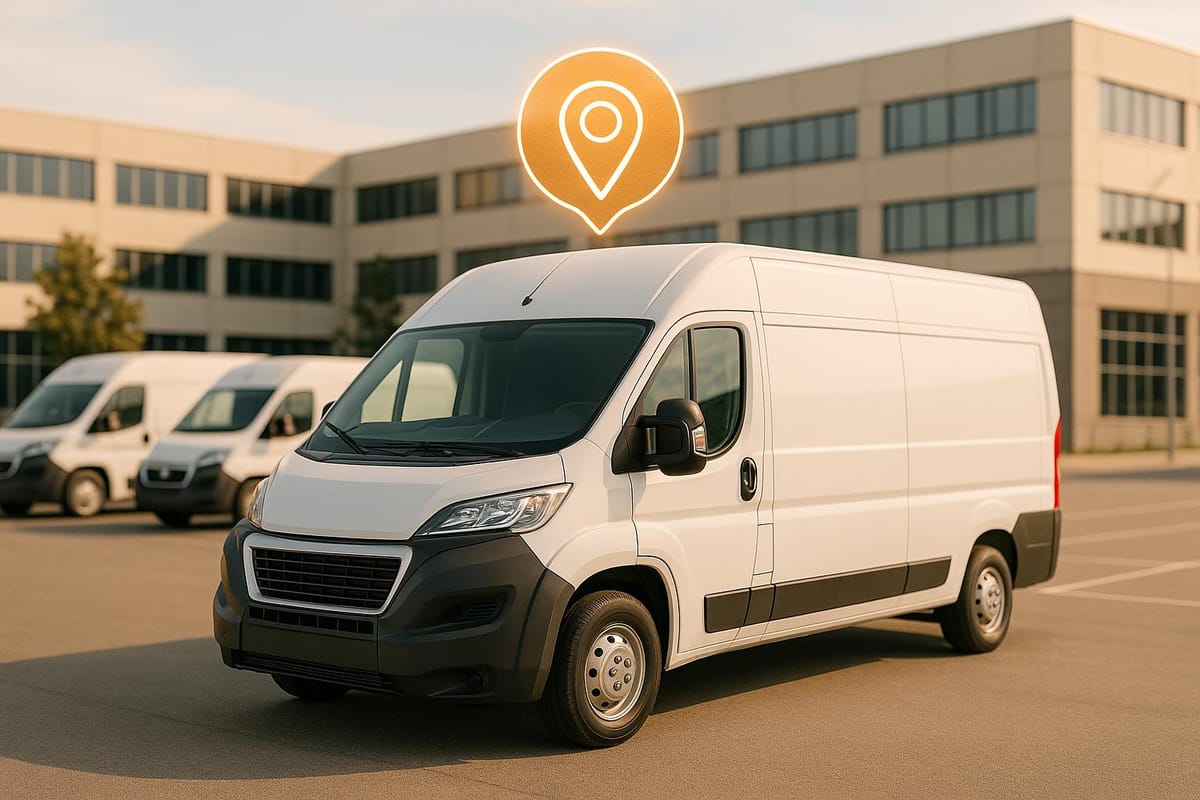
Van GPS trackers and telematics systems can help UK businesses lower insurance costs by addressing key risks like theft and unsafe driving. Here’s how they work:
- Theft Prevention: GPS trackers deter theft and aid in quick recovery of stolen vehicles, reducing potential claims.
- Safer Driving: Telematics monitor driving habits (e.g., speeding, harsh braking), enabling fleet managers to improve safety and lower accident risks.
- Insurance Discounts: Many insurers offer premium reductions (5–25%) for using approved trackers, particularly Thatcham-certified devices.
- Claims Support: GPS data simplifies claims by providing accurate evidence, helping resolve disputes quickly.
For maximum savings, choose an insurance-approved tracker (e.g., Thatcham S5/S7) and ensure professional installation. This not only meets insurer standards but also improves fleet security and efficiency. Costs start as low as £7.99 per month, with potential savings outweighing the investment.
Auto insurers push drivers to install tracking devices as thefts rise
How GPS Trackers Lower Insurance Premiums
GPS trackers tackle common insurance risks head-on, offering two key benefits: better vehicle recovery rates and improved driver safety. These advantages directly address insurers' concerns, making it possible to secure lower premiums.
Reducing Theft Risks and Boosting Recovery Rates
Theft is a major worry for van insurers, particularly when vehicles carry valuable equipment. GPS trackers help minimise this risk with features like real-time location tracking, alerts for unauthorised movement, and quick recovery assistance. In the event of a theft, every second counts. A GPS tracker can pinpoint the vehicle's location in real time and notify authorities immediately. Many systems also connect with 24/7 monitoring centres, which work directly with police and recovery teams to increase the chances of a successful recovery.
Dual-tracker systems take security a step further. These use a hidden secondary tracker that continues to function even if the main unit is disabled. This approach is highly effective - GRS reports a 91% recovery rate for stolen vehicles. Some trackers even include remote immobilisation, allowing the engine to be disabled when theft is detected.
Such robust security measures often lead to insurance discounts, typically between 5% and 25%. For businesses managing multiple vans, these savings can quickly outweigh the cost of tracking subscriptions. For example, GRS Fleet Telematics offers plans starting at just £7.99 per month per vehicle.
Beyond theft prevention, GPS trackers also contribute to lower premiums by promoting safer driving practices.
Encouraging Safer Driving to Prevent Accidents
Accidents and collisions are another major factor driving up insurance costs. GPS trackers equipped with telematics technology monitor driving behaviours like speeding, harsh braking, sudden acceleration, sharp turns, and excessive idling. This data helps fleet managers identify risky habits and provide targeted coaching to drivers. Many systems include driver scorecards, which encourage safer driving and demonstrate active risk management to insurers. In some cases, this can lead to usage-based pricing, where improved driving habits result in lower premiums.
For fleets with younger or less experienced drivers, this kind of monitoring is especially valuable. By reducing accident frequency and severity, businesses can further lower their insurance costs.
Additionally, GPS data simplifies the claims process, saving time and reducing administrative headaches.
Streamlining Claims with Detailed GPS Data
Accurate, time-stamped GPS data makes handling claims much easier. For theft claims, these logs can show exactly when unauthorised movement occurred, the route taken, and where the vehicle was recovered. In cases of collisions, data on speed, location, and driving behaviour can support the driver's account and help establish fault. This level of detail not only speeds up investigations but also helps prevent fraudulent or exaggerated claims, cutting down on unnecessary costs for both insurers and policyholders.
Selecting the Right GPS Tracker for Insurance Discounts
Picking the right GPS tracker isn't just about meeting insurer standards - it can also enhance your operations and help you save on premiums. However, not all devices qualify for insurance discounts, and some insurers have very specific requirements. Choosing wisely can maximise your savings and prevent complications during claims.
Checking Your Insurer's Tracker Requirements
Start by reviewing your policy to understand what your insurer requires. Many UK insurers insist on Thatcham‑approved trackers, particularly Category S5 or S7, especially for high-value or high-risk vehicles. A Thatcham-approved device is often non-negotiable for these policies.
In fact, some insurers won’t offer comprehensive cover unless a Thatcham-approved tracker is installed. Others may provide cover but deny discounts if you opt for a non-approved device. To avoid confusion, it’s best to confirm the following details directly with your insurer or broker:
- Accepted tracker models and categories (e.g., Thatcham S5/S7)
- Whether professional installation by a certified engineer is mandatory
- Any required features, such as 24/7 monitoring or police liaison
- Deadlines for installation after the policy starts
- Proof-of-installation documents needed, such as certificates or subscription receipts
Fleet operators should also check if every vehicle in the fleet requires tracking or just specific high-value ones. Keep all related documentation handy for underwriting or claims purposes.
Once you know these requirements, you can focus on devices that meet your insurer’s standards.
Features That Insurers Reward
Insurance companies tend to reward trackers that actively reduce the risks of theft or accidents. Look for these key features:
- Real-time GPS tracking: Delivers live location updates, crucial for quick recovery.
- 24/7 monitoring centres: Staffed professionals who can alert authorities immediately in case of theft.
- Remote immobilisation: Stops the engine from starting or disables it when stationary.
- Geofencing and movement alerts: Sends instant notifications if a vehicle exits a designated area or operates outside set hours.
- Tamper alerts: Warns you if someone tries to interfere with or disconnect the tracker.
- Driver behaviour monitoring: Tracks data like speeding, harsh braking, sudden acceleration, sharp turns, and idling.
- Dual-tracker or multi-layer systems: Combines two tracking technologies, such as a hardwired GPS unit with a secondary hidden tracker using Bluetooth. This ensures location data is still transmitted even if the primary device is disabled. GRS Fleet Telematics highlights a 91% recovery rate for stolen vehicles equipped with dual-trackers and notes premium reductions of up to 20% for certain fleets.
These advanced features not only improve security but also make it more likely that your tracker will meet insurer standards, especially for vehicles carrying valuable goods.
UK Fleet Operator Considerations
For fleet operators, choosing a GPS tracker is about more than just meeting insurer requirements. Practicality and long-term value play a big role too. Here are some factors to consider:
- Coverage and reliability: Make sure the tracker works consistently across the UK, including in urban areas, rural regions, and theft-prone locations. If your fleet operates in Europe, ensure the system offers seamless cross-border coverage via reliable cellular networks.
- Mixed-fleet compatibility: If your fleet includes a mix of vans, cars, light trucks, or HGVs, opt for a platform that allows you to monitor all vehicles from a single dashboard.
- Compliance with UK standards: Choose a provider familiar with UK insurance norms. They should issue invoices in GBP, comply with GDPR, and have clear policies for storing and accessing GPS data, as insurers may request historical data during claims.
- Installation and support: Confirm that professional installation is available and complies with Thatcham S5/S7 standards. Ensure all necessary certification is provided.
- Scalability and pricing: Insurance-grade trackers typically cost between £200–£600 for hardware and installation, with subscription fees depending on features. For example, GRS Fleet Telematics offers hardware tiers such as Essential (£35), Enhanced (£79, dual-tracker), and Ultimate (£99, with immobilisation), with subscriptions starting at £7.99 per month per vehicle. Over time, the savings on insurance and reduced theft losses can outweigh these costs, particularly for high-risk vehicles.
- Ease of reporting: Choose a platform that simplifies insurer reporting. Providers who understand UK fleet needs and offer responsive support can make it easier to prove compliance, manage claims, and negotiate better renewal terms.
Installing GPS Trackers to Reduce Insurance Costs
Installing a GPS tracker properly is crucial for meeting UK insurers' standards and securing premium discounts. Insurers often require professional fitting to ensure the tracker functions reliably, providing both theft protection and valuable data for claims. Here's how to get it right.
Professional Installation and Activation
For Thatcham-approved trackers, especially in the S5 and S7 categories, professional installation is typically a must. Proper fitting guarantees the device works as intended, whether you're recovering a stolen van or supplying accurate data for insurance claims. Installers are trained to hide wiring and components to prevent tampering. They also connect the device to your van’s constant power supply and ignition feed, ensuring uninterrupted data transmission. Many trackers even have a backup battery to keep them active if the main power source is disconnected.
Before installation, gather key vehicle details like registration numbers, VINs, and odometer readings, as these are often required by insurers. Make sure the van is parked in a safe, dry spot with easy access to the battery and dashboard wiring. If your van has aftermarket electrical devices - like dash cams or additional lighting - document these to avoid any wiring conflicts during installation.
Once the installation is complete, the engineer should provide you with a completion certificate or a serial number confirmation. This documentation is essential for your insurer to apply any discounts. Activate the tracker’s subscription or monitoring service immediately, test its live tracking features through your app or web portal, and notify your insurer in writing. Some companies, such as GRS Fleet Telematics, even offer free professional installation when bundled with their fleet branding services, making it easier to meet insurer requirements without extra hassle.
Improper installation - like visible mounting, loose antennas, or poor power connections - can disrupt data flow. This not only weakens theft protection but could also mean you lose your insurance discount. Using accredited installers, such as Thatcham-approved engineers, ensures your tracker meets insurer standards and operates reliably.
Once installed, take the time to configure the system's security features to maximise theft prevention.
Setting Up Theft Prevention Features
Customising theft prevention features can significantly enhance your van's security. One effective tool is geofencing, which creates virtual boundaries around specific areas like depots or delivery zones. If a van crosses these boundaries - say, leaving an overnight parking site outside business hours - you’ll receive an instant alert.
Link movement and tamper alerts to a 24/7 monitoring centre, which can escalate notifications to the police if necessary. Power-loss alerts are equally critical; they notify you immediately if someone disconnects the van’s battery.
Another powerful feature is remote immobilisation, which prevents the engine from restarting when the van is stationary. This can stop a stolen van in its tracks. However, immobilisation should only be activated when the vehicle is parked and in a low-risk location - never while it’s moving or in traffic. Establish clear protocols for who in your business is authorised to activate immobilisation, verify theft using GPS data, and always notify the police before taking action. Regularly test the system in controlled conditions to show insurers that it’s managed responsibly and ready for use.
For added security, some providers, like GRS Fleet Telematics, offer dual-tracker systems. These combine a primary GPS unit with a hidden Bluetooth backup. If a thief disables the main tracker, the backup continues transmitting location data. This setup, paired with immobilisation and 24/7 recovery coordination, has achieved a 91% vehicle recovery rate for clients across the UK and France. Such high recovery rates can help fleets negotiate premium reductions of up to 20%.
Using Telematics Data for Risk Management
Beyond theft prevention, GPS trackers collect telematics data that can help reduce accident risks. Insurers increasingly value this data, and fleets that show measurable safety improvements often receive better renewal terms.
Track metrics like speeding, harsh braking, rapid acceleration, sharp cornering, and excessive idling. Configure these thresholds to align with UK speed limits and typical road conditions. Most platforms generate weekly or monthly driver scorecards, highlighting risky behaviours and trends.
Use these reports to identify drivers who may need coaching. For instance, if someone frequently speeds or brakes harshly, a quick training session or ride-along can address the issue before it leads to an accident. Some fleets even introduce rewards - like fuel vouchers or recognition programmes - for drivers who maintain safe habits. This proactive approach not only reduces accidents but can also lower insurance claims.
Keep before-and-after data to demonstrate your fleet’s progress. For example, if speeding incidents drop over six months, this evidence can support your case for lower premiums. Telematics data also helps enforce company policies, such as speed limits, no-idling zones, or designated routes, by flagging violations automatically. Store this data securely for 12–24 months to maintain compliance.
Working with a specialist provider can simplify the entire process. GRS Fleet Telematics offers packages starting at £7.99 per vehicle per month, featuring dual-tracker technology, immobilisation, and detailed telematics reports. Their support team can handle professional installation, set up geofences and alerts tailored to your routes, and provide performance data that demonstrates theft recovery rates and driver behaviour improvements. This comprehensive approach makes it easier to meet insurer expectations, reduce risks, and negotiate better premiums year after year.
How GPS Data Helps with Claims and Protects Your Record
GPS data plays a crucial role in resolving claims quickly and accurately, whether due to theft or accidents. Insurers use telematics data to verify events, assign liability, and spot potential fraud, leading to faster claim settlements, fewer disputes, and often lower premiums.
Using GPS Data for Theft and Accident Claims
Real-time tracking and detailed logs are key to strengthening claims. GPS tracking provides insurers and authorities with time-stamped location data, showing where a van was last parked, when it moved without permission, and its route after being taken. This technology has helped achieve a 91% recovery rate for stolen vehicles by using dual trackers and round-the-clock monitoring, ensuring location data continues to transmit even if one tracker is disabled. Higher recovery rates mean fewer total-loss claims, which insurers often reward with better pricing.
For accident claims, journey logs provide vital details. Insurers rely on consistent and unaltered records that include speed, direction, braking patterns, time, and exact location at the moment of impact, along with data verifying the driver. After an incident, exporting 15–30 minutes of relevant data and sharing it securely with insurers and police simplifies the claims process. Many systems, like GRS Fleet Telematics, allow users to generate standard incident reports with just one click, making evidence-sharing straightforward.
Telematics data can also confirm or challenge claims made by drivers or third parties. For instance, if it’s alleged that a van was speeding or ran a red light, GPS records - such as speed graphs and time-stamped locations - can prove otherwise. This kind of objective evidence often leads to quicker liability decisions, avoiding split-liability outcomes that could harm your claims record. It’s also a powerful tool against fraudulent claims.
Preventing False Claims
GPS data is equally effective in countering false claims. For example, it can show that a van wasn’t at the location of an alleged incident, using precise timestamps to prove it was off-duty, at a depot, or elsewhere. In "crash-for-cash" schemes, telematics can provide evidence of only minor contact, such as low-speed movement without harsh braking or impact, contradicting exaggerated claims of severe damage or injury.
Over time, maintaining consistent GPS logs builds a strong record of defensible evidence, making your fleet less attractive to fraudsters. Fleets that actively manage risk with comprehensive telematics often benefit from insurer discounts or better long-term pricing.
Managing Historical GPS Data
Keeping historical GPS data is a key part of proactive risk management. In the UK, claim limitation periods for personal injury and property damage are typically three years, though they can be longer for employer's liability. As a result, many fleets retain 3–5 years of journey data relevant to claims. To manage this effectively, operators should create a data retention policy, distinguishing between high-frequency data (kept for shorter periods) and summarised records (stored longer).
Data must be securely stored with role-based access controls, and incident-related exports should be tagged and archived as part of the claims file. Regular backups and integrity checks ensure the data remains unaltered and admissible. Solutions like GRS Fleet Telematics allow configurable retention periods and secure, auditable exports to support both immediate and delayed claims.
It's also essential to treat GPS and telematics data as personal data under UK GDPR and the Data Protection Act 2018. This involves providing drivers with clear privacy notices explaining what data is collected, why it’s collected (for safety, claims defence, and asset protection), how long it will be retained, and who it might be shared with. When exporting incident data, focus only on relevant trip and event details, minimising unnecessary personal information.
Fleet managers can also analyse historical telematics data regularly - monthly or quarterly - to identify patterns like accident hotspots or frequent harsh braking events. By linking this data to claims history, managers can pinpoint high-risk areas or times and take action, such as adjusting routes or offering driver training. Tools like exception-based reports and driver scorecards, available from providers like GRS Fleet Telematics, help summarise these insights and show insurers that steps are being taken to reduce risks.
Conclusion: Reducing Insurance Costs with GPS Trackers
Van GPS trackers can deliver measurable savings by cutting down theft, improving driver safety, and simplifying claims processes. For UK operators, these advantages often translate into noticeable premium reductions - typically ranging from 5–20%, depending on your insurer, risk profile, and the type of tracker you choose. For fleets with multiple vans, these savings can add up to thousands of pounds annually when it’s time to renew. Beyond just lowering premiums, GPS trackers also contribute to smoother and more efficient operations.
Insurance-approved trackers act as a theft deterrent and support quick recovery, making your vans less appealing to criminals. Advanced systems with dual-tracker technology - featuring a hardwired primary device and a concealed backup - ensure location data continues to transmit even if one unit is tampered with. This minimises the likelihood of total-loss claims. High recovery rates not only help reduce premiums but can also make it easier to secure cover for higher-risk vehicles.
Telematics data plays a critical role in promoting safer driving. By monitoring factors like speed, braking, and cornering, fleet managers can identify and address risky driving behaviours. Fewer accidents mean fewer claims, reduced vehicle damage, and lower repair costs - all of which contribute to stable or decreasing premiums over time. Insurers value fleets that actively manage risk and show consistent improvements in driver performance.
GPS trackers also simplify the claims process and safeguard your insurance record. Time-stamped logs and speed data provide concrete evidence to validate claims or counter fraudulent allegations. This can lead to faster dispute resolutions and fewer unnecessary payouts, helping you maintain a strong claims history - which insurers heavily weigh when determining renewal terms.
To make the most of these benefits, consider these practical steps:
- Check with your insurer to confirm the required tracker specifications (such as Thatcham S5 or S7) and installation guidelines.
- Choose an insurance-approved tracker with features like real-time tracking, 24/7 monitoring, and detailed reporting capabilities.
- Ensure professional installation and complete registration with your insurer to turn compliance into tangible savings.
- Use telematics reports regularly to coach drivers and review incidents, presenting improvements to your broker at renewal as proof of reduced risk.
For many UK fleets, the investment in GPS trackers pays off through lower premiums, fewer thefts, reduced accidents, and smoother claims handling. GRS Fleet Telematics offers van tracking from £7.99 per month per vehicle, with hardware packages starting at £35. When insurance savings reach 15–20%, and you add operational benefits like better fuel efficiency and lower maintenance costs, the subscription often covers itself. If you're unsure about the investment, consider starting with a pilot programme on a few higher-risk vans. Track the impact on incidents and premiums over one renewal cycle, and use that data to build a case for expanding the solution across your fleet.
FAQs
How can GPS trackers help recover stolen vans, and what are the advantages of using a dual-tracker system?
A dual-tracker system offers stronger security and boosts the likelihood of recovering stolen vans, with an impressive 91% recovery rate. This setup includes two layers of protection: a primary hardwired tracker and a discreet backup Bluetooth tracker. If one tracker is disabled or tampered with, the other continues to function, keeping the vehicle traceable.
If theft occurs, a dedicated support team is available 24/7 to collaborate with law enforcement, ensuring the vehicle is located and recovered as swiftly as possible. For businesses, this system not only helps safeguard valuable assets and minimise operational disruptions but could also lead to lower insurance premiums due to the added protection it provides.
What features should a van GPS tracker have to help lower insurance premiums?
To secure insurance discounts, a van GPS tracker needs to offer high-level security features. This includes dual-tracker technology, which significantly enhances theft recovery rates, and real-time theft alerts, enabling swift action in case of an incident. Insurers tend to favour systems with dependable tracking and effective recovery records.
It’s also worth considering devices that deliver comprehensive reporting on vehicle usage and driver behaviour. These insights can showcase responsible fleet management, which might help you negotiate even lower insurance premiums.
How does using GPS trackers help improve driver safety and lower insurance costs?
GPS trackers offer a wealth of telematics data that can help improve driver safety while potentially lowering insurance costs. By keeping track of driving patterns like speed, braking, and acceleration, businesses can pinpoint risky behaviours and work to encourage safer driving habits across their teams.
On top of that, features such as eco-driving analytics promote fuel-efficient driving. This not only cuts down on fuel expenses but also signals to insurers that vehicles are being used responsibly. Over time, a track record of safer driving and proactive risk management can pave the way for reduced insurance premiums, making GPS trackers a smart and economical choice for businesses.