How Battery-Powered GPS Trackers Work
Battery-powered GPS trackers use satellite positioning, cellular data, motion sensing and power-saving modes to monitor assets, extend battery life and boost fleet security.
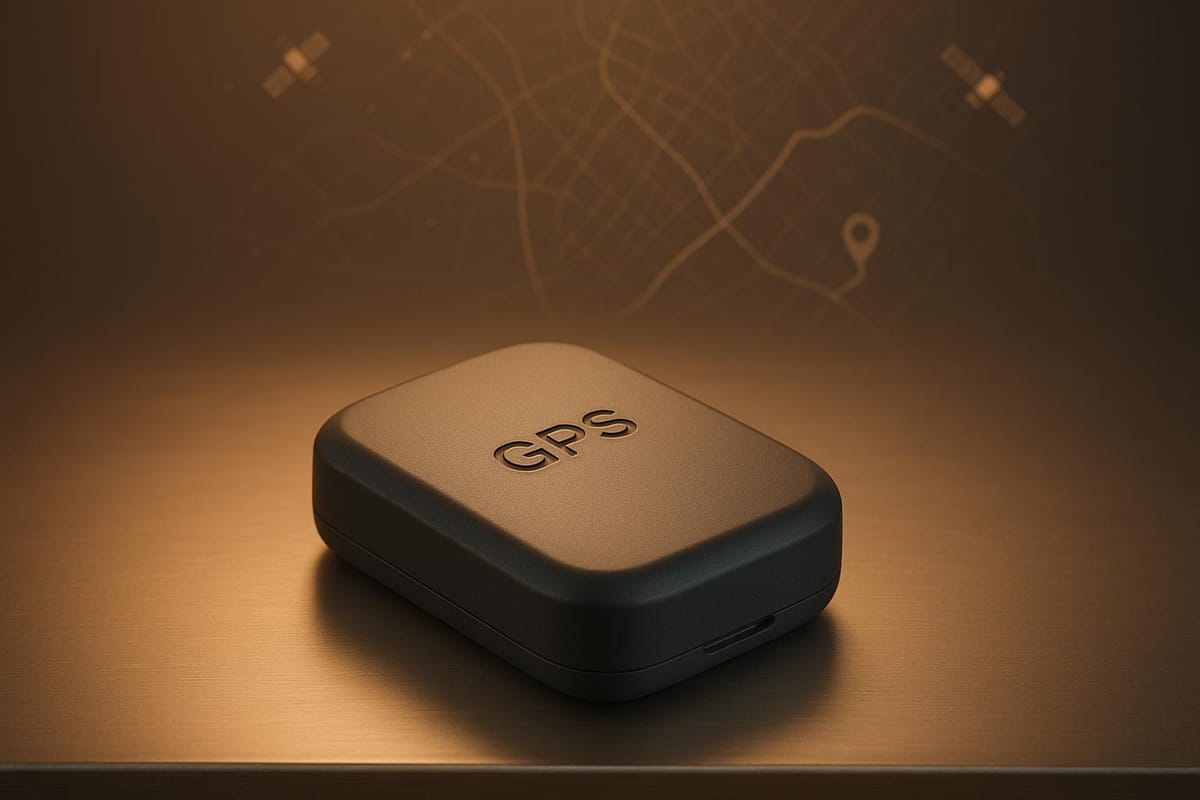
Battery-powered GPS trackers are portable devices that use internal batteries to monitor and share location data without relying on a vehicle's power supply. These trackers combine GPS technology with cellular networks to provide real-time updates, geofencing alerts, and historical data through apps or web platforms. They are ideal for tracking vehicles, trailers, equipment, and other assets where permanent installation isn’t practical.
Key Features:
- Power Source: Rechargeable or replaceable batteries (e.g. Lithium-ion or Lithium Thionyl Chloride).
- Tracking Modes: Real-time or periodic updates to balance power usage.
- Connectivity: GPS, GSM, Wi-Fi, or satellite networks for data transmission.
- Portability: Easy to install and move between assets.
- Security: Geofencing and backup trackers to prevent data loss or tampering.
Benefits for Fleet Management:
- Quick deployment without wiring.
- Enhanced security with alerts and theft recovery (91% recovery rate for some devices).
- Cost-effective solutions starting at £7.99 per month, including SIM and data.
These devices are transforming how businesses monitor assets, optimise routes, and improve security. By combining advanced power management with reliable tracking, they offer a practical solution for diverse tracking needs.
Main Components of Battery-Powered GPS Trackers
GPS Receiver and Antenna
At the heart of any battery-powered GPS tracker is the GPS receiver. This component works by locking onto signals from at least four satellites to calculate precise coordinates. Paired with an antenna, it captures not only satellite signals but often GSM signals from mobile networks as well. This dual capability ensures reliable performance, even in areas where signal strength is weak. Together, the receiver and antenna deliver the pinpoint accuracy required for navigation and safety. This precise tracking also supports efficient power management, which we'll explore next.
Battery and Power Management
Battery-powered GPS trackers rely on one of three main battery types: Lithium Thionyl Chloride (Li-SOCl₂), Lithium-ion (Li-ion), or Lithium Polymer (Li-Po). For long-term tracking needs, Li-SOCl₂ batteries are often the go-to choice. They provide 3.6 volts of stable power and have a high capacity, making them ideal for extended use. On the other hand, Lithium-ion and Lithium Polymer batteries are more commonly found in modern, portable trackers. These batteries can be recharged easily via USB cables or car chargers, offering a practical and user-friendly option.
To maximise battery life, many trackers incorporate power-saving features. For instance, motion sensors can activate tracking only when movement is detected, while preset schedules can limit the device's activity to specific times. These features help conserve power during idle periods. However, it’s worth noting that lithium batteries can be affected by extreme temperatures, which may impact their performance. For fleet operations in the UK, GRS Fleet Telematics provides a dual-tracker system that includes a hidden backup Bluetooth tracker. This backup ensures uninterrupted data collection, even if the main device is tampered with, contributing to an impressive 91% vehicle recovery rate.
Communication Module and Data Storage
The communication module plays a crucial role in transmitting location data. It uses GSM, Wi‑Fi, or satellite networks to send real-time updates to user platforms. A built-in SIM connects the tracker to cellular networks, allowing data to be sent to a central server that can be accessed through mobile apps or web platforms. In areas with poor network coverage, the tracker stores GPS data and transmits it later when the connection is restored. This ensures fleet managers receive consistent, accurate tracking information, even in challenging environments. Each component works together to deliver a seamless and reliable tracking experience.
How Battery-Powered GPS Trackers Work
Signal Acquisition and Location Calculation
Battery-powered GPS trackers pinpoint locations by connecting with at least four satellites, using a process called trilateration to calculate exact coordinates. The GPS module measures the time it takes for signals to arrive from these satellites, and this information is used to determine the device's position. A strong antenna plays a key role here, as it captures signals from both satellites and mobile networks. While some trackers use internal antennas for portability, this can slightly impact signal strength compared to external options. These calculated positions are the foundation of all tracking functions, ensuring accurate navigation and safety. For example, GRS Fleet Telematics uses this technology to help UK businesses optimise their routes, improve delivery schedules, and boost productivity. Once the location is determined, the data is instantly sent to user platforms for monitoring.
Data Transmission to User Platforms
After determining the position, the tracker sends data to a central server using its GSM or satellite module. A built-in SIM card transmits this information, which users can then access through mobile apps or web platforms. This setup provides real-time updates, allowing fleet managers to remotely monitor vehicles and operations continuously. Beyond location, the system shares details like speed and status, offering a complete picture of fleet activity. In areas with poor network coverage, the tracker stores data and uploads it once the connection is restored. This ensures a full record of vehicle movements, which can be reviewed later to check routes, assess driver behaviour, and maintain accountability.
Real-Time vs Periodic Tracking
Once data is transmitted, the tracker can operate in different modes to manage power consumption. Real-time tracking provides continuous updates on a vehicle's location, making it ideal for urgent situations where instant information is needed. On the other hand, periodic tracking sends updates at set intervals - such as every 5 or 15 minutes - helping to conserve battery life. In this mode, the tracker activates at scheduled times to transmit data and then switches back to low-power mode. Choosing between these modes impacts how long the device can run before needing a recharge or new batteries. For emergencies, real-time tracking is the go-to option, while periodic updates work better for routine monitoring. Advanced trackers take this further by using motion sensors and comparative GPS positioning to save power. Motion sensors detect when a vehicle is stationary, reducing update frequency or activating low-power mode. Meanwhile, comparative positioning avoids unnecessary transmissions by checking if the location has changed significantly before sending an update.
Extending Battery Life and Performance
Impact of Update Frequency and Signal Strength
How often a tracker sends location updates has a direct impact on battery life. Each update triggers the GPS to activate, gather signals, process location data, and transmit it via cellular networks - all of which consume a substantial amount of energy. Take the ST4290 asset tracker as an example: when set to report its location just once daily, it can run for nearly four years on a single battery charge. However, increasing the update frequency to hourly or enabling real-time tracking significantly shortens this lifespan, with real-time updates being the most power-intensive.
Signal strength is another key factor. In areas with weak cellular coverage, the tracker expends more energy trying to maintain a connection and extend transmission times. Similarly, poor satellite signal conditions force the GPS receiver to use additional power while searching for connections. Some advanced trackers address these issues by storing location data internally when signals are unavailable, then transmitting the stored data once connectivity is restored. Devices that operate in areas with consistently strong signals tend to have better battery efficiency compared to those frequently switching between coverage zones.
To tackle these challenges, manufacturers incorporate energy-saving features and equip devices with durable batteries.
Power-Saving Features and Long-Life Batteries
Modern trackers are equipped with advanced power-saving technologies to maximise battery life. One such feature is motion-activated reporting, which uses built-in accelerometers to detect when an asset is moving. Location updates are only transmitted during periods of activity, meaning stationary equipment or parked vehicles consume minimal power while the tracker stays dormant. This approach helps balance the energy demands of frequent updates.
Sleep modes offer another way to conserve power. These modes allow the tracker to "wake up" at scheduled intervals, send location updates, and then return to a low-power state. For instance, a delivery vehicle could transmit updates every 15 minutes while moving but switch to hourly updates when parked, significantly reducing energy usage. The ST4290 tracker supports such customisable configurations, enabling businesses to optimise power consumption based on how their assets are used.
Battery type also plays a crucial role in determining a device’s operational lifespan. Lithium Thionyl Chloride (Li‑SOCl₂) batteries are particularly suited for long-term, low-power applications. These batteries deliver a steady 3.6 volts and are designed to provide consistent power over extended periods with minimal energy loss during standby. The ST4290 tracker, for example, uses replaceable 8Ah Li‑SOCl₂ battery packs, which eliminate downtime caused by recharging and offer reliable performance. For applications requiring long-term reliability and minimal maintenance, Li‑SOCl₂ batteries are ideal.
Environmental Factors
External environmental conditions can also affect battery performance. Temperature, in particular, plays a significant role in both battery efficiency and overall device reliability. During cold UK winters, batteries tend to have a slower chemical reaction rate, leading to a drop in voltage output and reduced capacity. On the other hand, high temperatures can speed up battery degradation over time. Fleet managers should anticipate these seasonal variations and adjust update frequencies or plan for battery replacements during colder months. Devices exposed to extreme temperature fluctuations - such as those in refrigerated vehicles or outdoor machinery - are more likely to experience faster battery wear compared to those kept in stable, climate-controlled environments.
Humidity and moisture are additional concerns, especially for devices that lack proper sealing. The ST4290 tracker addresses this issue with its IP67 weatherproof rating, ensuring it can operate reliably in wet or dusty conditions. By accounting for these environmental factors, fleet operators in the UK can adopt proactive maintenance strategies to minimise the risk of unexpected device failures.
Applications in Fleet Management
Improving Fleet Operations
Battery-powered GPS trackers are transforming fleet operations by providing both real-time and historical data that uncover inefficiencies and risks. These trackers can identify problematic driving behaviours like speeding, hard braking, and sudden acceleration, as well as highlight inefficient routes and excessive idling. With this information, fleet managers can fine-tune routes, cut down on fuel costs, lower emissions, and improve driver safety. Immediate alerts and data-driven insights also enable targeted interventions, such as tailored training programmes and reward schemes to encourage safer driving habits.
One major advantage of battery-powered trackers is their portability. Unlike hardwired systems, they don’t require a connection to the vehicle's electrical system, making them easy to install on a wide range of assets. From trailers and construction equipment to bicycles and other unpowered assets, these devices provide unmatched flexibility for monitoring and managing diverse fleets.
Improving Vehicle Security
Geofencing technology adds a layer of security by allowing fleet managers to establish virtual boundaries on maps. If a vehicle enters or exits these zones, instant alerts - via SMS or email - notify managers of potential unauthorised movements. For example, a UK-based fleet operator could be alerted immediately if a van leaves the depot outside working hours, enabling swift action.
Real-time tracking further enhances security by pinpointing the exact location of vehicles, aiding in the rapid recovery of stolen assets. GRS Fleet Telematics takes this a step further with its dual-tracker system, which combines a primary wired tracker with a battery-powered backup. This setup ensures uninterrupted tracking, even if the main device is compromised, and has contributed to a 91% recovery rate for stolen vehicles. Additionally, immobilisation features that prevent the engine from starting add another layer of theft prevention.
For high-value items like construction equipment or specialised vehicles that aren’t used daily, battery-powered trackers offer continuous monitoring without frequent maintenance. Geofencing alerts also notify managers if equipment is moved outside its designated area, ensuring both security and efficient utilisation of assets.
Integration with Fleet Management Software
Battery-powered GPS trackers seamlessly integrate with fleet management software, consolidating all tracking data into a single, user-friendly dashboard. These devices transmit location data via cellular networks to central servers, where it is processed and displayed on platforms accessible through mobile apps or web interfaces. This integration allows fleet managers to monitor real-time locations, review historical routes, and access other key insights for all assets in one place.
By combining security features with data management, these trackers provide a holistic solution for fleet management. The software doesn’t just track locations; it also analyses driver behaviour, fuel consumption, and maintenance needs. Automated reports on fleet performance, driver compliance, and asset usage enable informed decisions about route planning, maintenance schedules, and resource allocation.
GRS Fleet Telematics offers a robust platform that integrates van trackers with advanced monitoring capabilities. Accessible via both web and mobile apps, the system provides real-time tracking of fleet locations, speeds, and statuses. It also delivers detailed analytics on fuel consumption, maintenance schedules, and overall performance. Features like geofencing, speed tracking, and eco-driving analytics further enhance safety and ensure compliance with regulations.
The service is available at £7.99 per vehicle per month, which covers SIM, data, and full platform access. Professional installation is included at no extra cost when bundled with fleet branding through GRS Fleet Graphics, eliminating typical upfront expenses associated with hardwired systems.
This all-in-one solution - combining hardware, software, and support - meets the needs of UK fleet operators, regardless of their size, offering security, efficiency, and compliance in a single package.
Overview of GPS Trackers for vehicles
Conclusion
Battery-powered GPS trackers are transforming fleet management for businesses across the UK. By combining satellite positioning, mobile connectivity, and smart power management in a portable package, these devices offer a flexible solution for tracking a wide range of assets - from vans and lorries to trailers and construction equipment. Their independence from vehicle wiring makes them quick and easy to deploy, adapting seamlessly to the ever-changing needs of businesses.
Advanced power management features, such as motion-activated updates and adjustable transmission intervals, significantly extend battery life - ranging from a few days to several years - without compromising on monitoring capabilities. This balance ensures consistent tracking and efficiency, even in demanding operational environments.
These trackers go beyond just location tracking. They improve security, streamline operations, and boost overall efficiency. With real-time location updates, geofencing alerts, and integration into fleet management platforms, businesses gain full visibility of their operations. Features like route optimisation, fuel usage monitoring, and driver behaviour analysis help cut costs and improve performance. Historical data and analytics further support smarter decisions around maintenance, compliance, and resource planning.
For UK businesses, the benefits are clear and measurable. At just £7.99 per vehicle per month, which includes SIM, data, and full platform access, services like those from GRS Fleet Telematics make advanced fleet tracking affordable and accessible. With optional professional installation and a 91% vehicle recovery rate using dual-tracker technology, these solutions offer a low barrier to entry while delivering real improvements in security, compliance, cost savings, and productivity.
FAQs
How do battery-powered GPS trackers maintain accurate tracking in areas with poor signal strength?
Battery-powered GPS trackers utilise a mix of technologies to provide precise location tracking, even in spots where signals struggle to penetrate. These devices combine GPS satellites, mobile networks, and occasionally Wi-Fi signals to pinpoint locations. In situations where GPS signals falter - like tunnels or crowded cityscapes - the tracker can seamlessly switch to methods like mobile network triangulation to stay accurate.
Many of today’s GPS trackers also feature smart power management systems. These systems focus on essential tasks, balancing performance with battery conservation. This reliability is particularly valuable for fleet management, offering the assurance that vehicles can be monitored effectively, even in tough conditions.
How should I choose between real-time and periodic tracking for managing my fleet?
Real-time tracking offers continuous, live updates on your vehicles' locations, making it perfect for scenarios where immediate information is critical. This could include tracking high-value deliveries or ensuring the safety of your drivers. In contrast, periodic tracking updates location data at specific intervals. While this approach may not provide constant updates, it helps lower data usage and costs while still giving you a clear picture of your fleet's activities.
Choosing between the two depends on your specific business needs. If your operations demand instant updates, real-time tracking is the way to go. But if you're aiming for cost-effective fleet monitoring without the need for constant updates, periodic tracking might be the better fit.
How do temperature and humidity impact the performance and battery life of GPS trackers?
Environmental factors like temperature and humidity play a big role in how well GPS trackers perform and how long their batteries last. Extreme heat or cold can drain the battery faster and might even interfere with the device's internal components, meaning you’ll need to recharge it more often. On the other hand, high humidity can allow moisture to creep inside the tracker, potentially disrupting its operation - especially if the device isn’t properly sealed or waterproof.
To keep your GPS tracker working at its best, it’s crucial to choose one that’s built for the conditions it will face. Many of today’s trackers are designed to handle a broad range of temperatures and come with features to protect them from moisture-related issues.