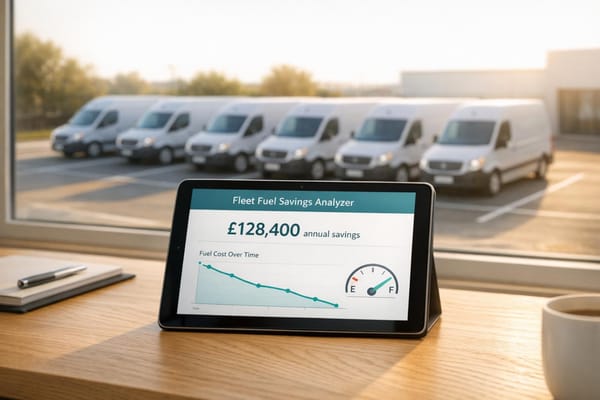
How APIs Simplify Fleet Data Management
APIs streamline fleet data management by integrating various systems, automating tasks, and enhancing cost efficiency for UK fleet operators.

APIs make managing fleet data easier by connecting different systems like GPS trackers, fuel cards, and maintenance tools into one platform. This eliminates manual data entry, reduces errors, and provides a clear, real-time overview of operations. UK fleet managers benefit from features like fuel cost tracking in pounds (£), maintenance alerts based on mileage, and compliance with local regulations.
Key Takeaways:
- Centralised Data: APIs bring together vehicle locations, fuel expenses, and service records in one interface.
- Automation: Tasks like fuel tracking, maintenance scheduling, and compliance reporting are automated, saving time and reducing mistakes.
- Cost Savings: UK operators can save £4,700–£6,000 per vehicle annually by optimising routes and reducing idling.
- Improved Security: APIs ensure secure data exchange and help with fraud prevention (e.g., managing fuel card limits).
- Better Maintenance: Predictive alerts reduce downtime by addressing issues before they escalate.
For UK fleets, APIs simplify operations, improve efficiency, and cut costs, making them a practical solution for modern fleet management.
Fleet Stack REST API Guide - Leveraging Powerful Integrations for Fleet Management
How APIs Simplify Fleet Data Management
APIs bring together various fleet systems into one cohesive view. Instead of juggling multiple platforms for vehicle tracking, fuel expenses, and maintenance records, APIs consolidate this information into a single interface. This integration improves efficiency, reduces costs, and supports smarter decision-making.
Centralising Data for Better Visibility
Fleet managers often deal with fragmented data - GPS trackers for vehicle locations, fuel card systems for tracking expenses, and maintenance platforms for service records. Without APIs, accessing this information across different systems is time-consuming and inefficient.
APIs solve this by centralising data. For example, Shell's API integration connects Shell Card transactional data directly with fleet management platforms, giving managers a full overview of costs and operations in one place. Imagine a UK delivery company managing dozens of vans across regions. With APIs, they can view real-time vehicle locations, fuel purchases in pounds, and upcoming maintenance needs - all from a single dashboard.
This approach is especially useful for businesses managing fleets with multiple vehicle brands. Volkswagen's Fleet Interface, for instance, uses APIs to send vehicle data directly to fleet management systems. This eliminates the need for retrofitted telematics and allows managers to monitor performance across various makes and models without switching systems.
Additionally, real-time data updates provide immediate visibility, enabling quicker responses to issues. By removing the delays of manual data entry, managers can address problems before they escalate into costly repairs or downtime.
Automating Administrative Tasks
Manual data entry is not only time-consuming but also prone to errors that can skew reports and decisions. APIs automate these repetitive tasks, allowing fleet managers to focus on more strategic priorities.
Take fuel expense tracking as an example. By integrating GPS tracking with fuel card APIs, every fuel purchase is automatically recorded, cost per mile is calculated, and reports are generated without any manual input. For UK fleets required to submit quarterly IFTA reports, this automation ensures accuracy and saves hours of work.
Maintenance scheduling also becomes seamless with APIs. Instead of relying on spreadsheets to track service intervals, APIs pull data like odometer readings and engine diagnostics automatically. When a vehicle nears its service threshold, the system issues a maintenance reminder, reducing the likelihood of emergency repairs and keeping vehicles operational longer.
The time savings are significant. Research indicates that effective API-driven data management can boost productivity and reduce overtime by 10–15%. For a fleet manager overseeing 50 vehicles, this could mean reclaiming several hours each week - time better spent on tasks like route planning, driver training, or cost control.
Compliance reporting is another area where APIs shine. They automatically gather and organise data required for regulatory submissions, ensuring records like duty status, DVIRs, and maintenance logs are accurate and up to date. This not only reduces the risk of penalties but also lightens the administrative load on fleet teams.
Beyond streamlining operations, APIs also strengthen data security and compliance measures.
Improving Security and Compliance
When handling sensitive information - such as driver details, vehicle locations, and financial transactions - secure data exchange is essential. APIs ensure this by establishing encrypted connections between systems, keeping data protected as it moves across platforms.
For UK businesses, compliance with transport regulations and data protection laws like GDPR is a must. APIs help by providing accurate, real-time data that can be audited and reported as needed. Integrated systems also simplify the creation of compliance documentation, reducing the risk of fines and legal issues.
Shell's API offerings include robust security features for card management, enabling fleet managers to block, order, or cancel cards quickly while maintaining strict spending controls. This helps prevent unauthorised purchases and minimises fraud risks - critical for larger fleets where multiple drivers use fuel cards.
APIs also allow for flexible spending controls. Fleet managers can set daily or weekly limits on fuel purchases, receive alerts when limits are approached, and review transactions in real time. This level of oversight helps control costs while ensuring drivers have the resources they need to complete their routes.
Research Findings: Benefits of API Integration in Fleet Management
Studies reveal that integrating APIs into fleet management systems can lead to noticeable improvements in efficiency, maintenance, and safety. Organisations have reported clear cost savings, less downtime, and better driver performance as a result.
Improved Fleet Efficiency and Cost Reduction
API integration simplifies operations and delivers measurable financial gains. Fleet managers using these systems have seen productivity improve by 10–15%, along with reduced overtime costs. This is largely due to the elimination of manual data entry and the need to toggle between multiple platforms. By consolidating these tasks, managers can make quicker decisions about vehicle allocation and route planning.
Fuel savings stand out as a major advantage. Research shows that UK fleet operators can save between £4,700 and £6,000 per vehicle each year through the use of integrated telematics and API-driven management systems. For a 50-van delivery operation, this translates to annual savings of £235,000–£300,000. These savings are achieved through several methods: APIs enable route optimisation using data mapping and location intelligence, cutting unnecessary mileage. Real-time monitoring helps identify and reduce excessive idling, directly lowering fuel consumption. Additionally, integrated fuel card systems give managers detailed insights into cost per mile, making it easier to pinpoint inefficiencies.
By unifying data, fleet managers can identify high-fuel vehicles, optimise routes, and uncover areas for operational improvement.
The benefits of these efficiencies are supported by real-world results. In 2023, Beacon Mobility integrated advanced API systems to unify data from multiple telematics and maintenance platforms. Over six months, this reduced vehicle downtime by 18% and improved compliance reporting accuracy by 22%. Predictive maintenance scheduling and real-time driver safety monitoring were key factors in these outcomes, demonstrating how API-driven systems can directly improve operations.
These cost savings also create opportunities for proactive maintenance strategies.
Predictive Maintenance and Reduced Downtime
APIs enable a proactive approach to vehicle maintenance by consolidating data into a single platform. Integrated fleet management software automatically tracks mileage and maintenance history, creating workflows that schedule servicing before issues arise.
When APIs are connected to OEM systems, fleet managers gain access to diagnostic codes and their meanings. Early alerts from this diagnostic data allow managers to address potential problems before they lead to costly breakdowns.
Predictive alerts help minimise emergency repair costs and downtime, which are critical for maintaining profitability. A centralised data environment brings together odometer readings, engine diagnostics, repair history, oil changes, and the condition of vehicle parts. This holistic view gives fleet managers a detailed understanding of each vehicle's health.
Volkswagen UK offers Fleet Interface Data through API integration, providing multi-brand fleets with comprehensive vehicle information - including repair, service, and operational data - directly within their management systems. This allows UK fleet operators to lower operating costs and improve compliance without needing to retrofit telematics solutions. The ability to manage multiple vehicle makes within a single system is especially beneficial for fleets with diverse brands, as it eliminates the need for separate monitoring tools.
| Benefit | Measurable Impact |
|---|---|
| Reduced overtime | 10–15% |
| Fuel savings per vehicle | £4,700–£6,000 annually |
| Downtime reduction | 18% (Beacon Mobility, 2023) |
| Compliance reporting accuracy | 22% improvement (Beacon Mobility) |
Better Driver Safety Monitoring
APIs also enhance driver safety by consolidating data from various sources into one platform. By combining GPS tracking with other telematics data, fleet managers can identify patterns related to driver behaviour, vehicle performance, and operational efficiency.
This unified view helps pinpoint safety risks such as excessive speeding, harsh braking, or rapid acceleration. With these insights, managers can design targeted safety interventions and training based on specific driver behaviours. The ability to tailor interventions using precise data makes these programmes more effective.
APIs also play a role in compliance monitoring by collecting detailed mileage and location data. This creates accurate records that demonstrate adherence to regulations. A data-driven approach to safety not only reduces the risk of accidents but also helps fleets maintain compliance with duty status records and other safety rules. Lower accident rates lead to reduced insurance premiums and fewer costly claims.
Real-time monitoring is another advantage. If a driver frequently speeds or brakes harshly, the system flags this behaviour immediately, rather than waiting for a monthly report. This quick feedback allows managers to address unsafe habits before they result in accidents, protecting both the drivers and the company’s financial health.
Best Practices for Implementing APIs in Fleet Management
To maximise efficiency and cut costs, it's important to follow proven strategies when integrating APIs into fleet management systems. A phased approach ensures your API setup meets both immediate needs and future requirements.
Using Open and Standardised APIs
Open and standardised APIs allow various software systems to communicate smoothly, avoiding reliance on a single platform. This is critical if your fleet management setup includes telematics systems, fuel management tools, maintenance scheduling software, and accounting platforms that need to share data consistently. For UK fleet operators, such APIs simplify integration with local telematics providers and reduce compatibility headaches. Start with basic integrations, then connect core systems, and finally, move on to tailored solutions.
Once your integration standards are in place, focus on securing your data exchange processes.
Prioritising Security and Data Protection
Fleet data - like vehicle locations, driver behaviour, fuel usage, and maintenance records - needs strong protection. Key measures include encrypting data during transfer and storage, and ensuring all API communication occurs over secure HTTPS connections. Role-based access ensures employees only see what they need, while two-factor authentication and regular API key updates add extra layers of security. Regular security tests and audit trails can help uncover vulnerabilities. For UK businesses, compliance with data protection laws is essential, and ongoing system monitoring is crucial to protect sensitive information.
With security in check, your API setup should also be prepared to handle growth.
Ensuring Scalability and Flexibility
API integrations should be designed to handle growing data volumes, expanding fleets, and changing requirements without sacrificing performance. Cloud-based solutions and middleware can help by dynamically routing data, ensuring both scalability and adaptability. Regular performance testing can pinpoint potential bottlenecks early. For expanding UK fleets, providers offering tiered pricing and modular features let you pay only for what you use. Clear documentation and version control make future updates easier to manage. Additionally, rigorous data validation - such as checking GPS coordinates, verifying vehicle IDs against your fleet registry, and confirming realistic fuel consumption figures - ensures the accuracy of your operational data.
Case Example: How GRS Fleet Telematics Uses APIs for Unified Fleet Data
GRS Fleet Telematics showcases how centralised and automated data management can transform fleet operations. By blending real-time tracking with flexible data management, they’ve crafted a platform tailored to meet the needs of businesses across the UK.
Real-Time Tracking and Security
Using APIs, GRS integrates dual-tracker systems that synchronise primary and backup data, ensuring uninterrupted monitoring. This setup contributes to an impressive 91% vehicle recovery rate. Real-time GPS data flows directly into their management platform, offering instant updates on vehicle locations across the UK. If any unauthorised movement is detected, alerts are triggered immediately via API connections, allowing swift action.
But it doesn’t stop at location tracking. APIs also bring together vehicle diagnostics, security alerts, and driver behaviour data into a single platform. For UK businesses managing fleets spread across different regions, this consolidated approach not only simplifies day-to-day operations but also enhances response times during security incidents.
Cost-Effective and Scalable Solutions
GRS Fleet Telematics offers straightforward pricing, starting at £7.99 per vehicle per month. This price includes everything: SIM, data, platform access, and support. Their API-driven system is designed to scale effortlessly as fleets grow, handling larger data volumes without a hitch.
Hardware options are tiered to suit different needs:
- Essential (£35): Wired tracking.
- Enhanced (£79): Includes Bluetooth backup.
- Ultimate (£99): Adds immobilisation for added security.
Operators can choose what fits their requirements without committing to expensive upgrades. The pay-per-recovery model, coupled with free installation (which includes fleet branding), makes it accessible even for smaller UK operators.
This pricing model also supports compliance efforts, helping businesses meet regulatory standards without breaking the bank.
Compliance and Localisation for UK Businesses
Trusted by thousands of UK businesses, GRS Fleet Telematics tailors its services to meet specific British operational needs. API integrations automate compliance by collecting and presenting data in formats familiar to the UK - GBP, DD/MM/YYYY, and metric measurements. The platform monitors driver behaviour and vehicle conditions in line with local regulations, creating secure audit trails that simplify inspections.
Fleet managers can customise access permissions, ensuring team members only see the data relevant to their roles. At the same time, the system maintains comprehensive records to meet compliance requirements seamlessly.
Conclusion
APIs have revolutionised fleet data management by bringing together information from tracking, maintenance, and fuel systems into a single, unified platform. This eliminates the hassle of juggling multiple standalone systems and transforms scattered data into actionable insights, reshaping how businesses in the UK manage their fleets.
Fleet managers who adopt integrated API solutions see tangible benefits, such as reduced fuel consumption, minimised idling, and the automation of time-consuming administrative tasks. This level of automation paves the way for continual improvements in fleet operations.
The availability of real-time data is another game-changer. When vehicle locations, driver behaviour, fuel levels, and maintenance requirements are seamlessly integrated into one dashboard, it becomes easier to plan efficient routes, dispatch vehicles quickly, and allocate resources effectively.
Security remains a top priority. API-driven solutions, like those provided by GRS Fleet Telematics, showcase how integrated systems can enhance protection. For example, their dual-tracker technology, connected via API, has achieved an impressive 91% vehicle recovery rate. With scalable pricing starting at £7.99 per vehicle per month and built-in compliance features, these systems not only improve efficiency but also ensure adherence to regulations.
Integrated API solutions are a practical way to streamline operations, from centralising data to maintaining compliance. GRS Fleet Telematics demonstrates how fleets of all sizes - from small service vans to large-scale operations across the UK - can benefit from scalable, API-powered systems. Businesses can start with pre-built integrations for common needs and later expand to custom solutions as their requirements grow. The key is selecting systems that are flexible, scalable, and secure, ensuring they evolve alongside your business.
For UK businesses looking to modernise their fleet management, API-driven platforms represent a smart investment. They offer proven benefits in efficiency, security, and cost control, making the path to implementation more accessible than ever. The technology is ready, the advantages are clear, and the opportunity to transform fleet operations is here.
FAQs
How do APIs improve the security and compliance of managing fleet data?
APIs are essential for improving security and compliance in fleet data management. By allowing data from various sources to merge into one secure platform, they help minimise errors and ensure sensitive information is managed according to regulatory requirements.
GRS Fleet Telematics goes beyond standard security measures with its dual-tracker technology, achieving an impressive 91% recovery rate for stolen vehicles. This advanced system not only protects your fleet but also offers reassurance, with pricing starting at just £7.99 per month.
How can UK fleet operators save costs by using APIs for data management?
Integrating APIs into fleet management systems offers UK operators a practical way to cut costs by automating data collection and simplifying workflows. By bringing together data from various sources, APIs reduce the need for manual input and help minimise errors, which in turn lowers operational expenses.
For example, solutions like those from GRS Fleet Telematics provide affordable vehicle tracking services starting at just £7.99 per month. These tools not only boost efficiency but also strengthen security measures, aiding in the recovery of stolen vehicles and reducing potential financial losses.
How do APIs enhance predictive maintenance for fleets and help minimise vehicle downtime?
APIs are essential for enhancing predictive maintenance by pulling together data from different vehicle sensors and telematics systems into one cohesive platform. This consolidated approach enables fleet managers to keep a close eye on vehicle performance in real time, spotting potential problems before they escalate into costly breakdowns.
Taking care of maintenance needs ahead of time can dramatically cut down on unexpected downtime, boost vehicle dependability, and make operations run more smoothly. Tools like GRS Fleet Telematics provide advanced solutions to simplify this process, keeping fleets operational while saving both time and money.