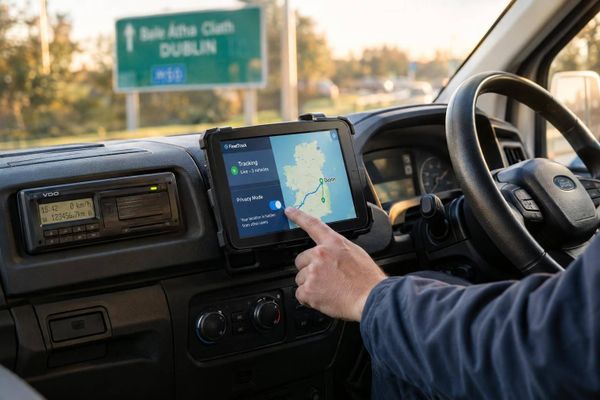
How APIs Improve Fleet Security and Efficiency
APIs give fleets real-time telematics to cut costs, speed theft recovery, enable predictive maintenance and secure GDPR-compliant data.
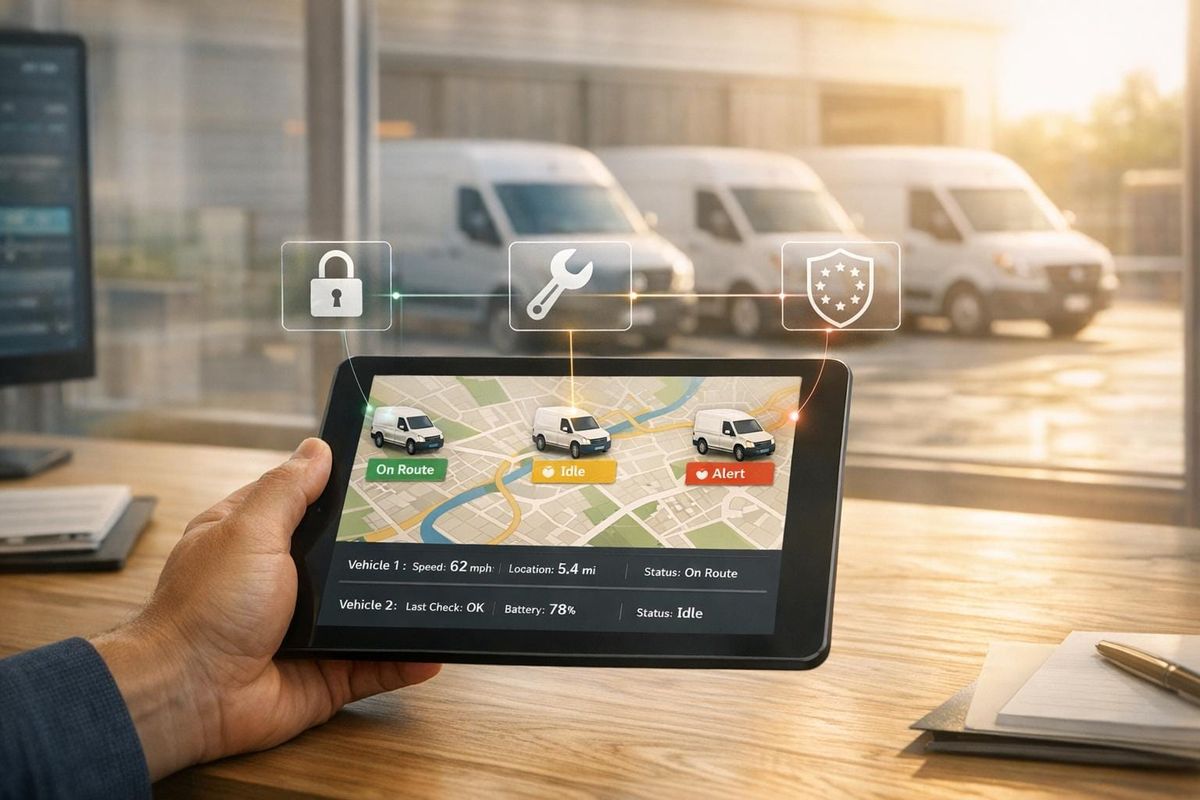
APIs (Application Programming Interfaces) are transforming fleet management by automating data exchange between systems. They connect vehicle telematics with platforms like maintenance, payroll, and insurance, eliminating manual processes and reducing errors. This is crucial for UK fleet operators facing challenges like rising fuel costs, vehicle theft, and compliance requirements.
Key Benefits of APIs in Fleet Management:
- Fuel Efficiency: Real-time fuel tracking, idling alerts, and route optimisation.
- Lower Insurance Costs: Sharing driver behaviour data with insurers reduces premiums.
- Predictive Maintenance: Early diagnostics prevent costly repairs.
- Improved Security: Real-time alerts, geofencing, and dual trackers aid theft prevention.
- Compliance: Automated vehicle inspections and driver monitoring meet legal standards.
APIs also enhance decision-making with live data, streamline operations by removing data silos, and improve theft recovery rates. However, securing APIs is critical to prevent cyber risks, requiring encryption, strong authentication, and regular monitoring.
For UK fleets, adopting APIs leads to cost savings, smoother workflows, and stronger security. Starting with small, secure integrations and ensuring compliance with UK GDPR are key steps to success.
Real-Time Data and Fleet Efficiency
Using Real-Time Data to Run Operations More Smoothly
Live vehicle data - covering location, speed, fuel levels, and engine diagnostics - flows directly into fleet management systems through APIs. This allows managers to make decisions instantly, with a clear view of their entire fleet at any given moment. They can reroute vehicles, reallocate resources, and address delays before they escalate into bigger issues. The result? Fewer unnecessary miles, better vehicle utilisation, and schedules that stay on track. These operational insights not only improve efficiency but also help cut costs.
Cutting Costs and Making Better Use of Resources
A standout example of real-time data in action comes from Lanes Group plc, a UK-based provider of wastewater utility solutions. Over six months leading up to 2025, Andrew Brierley, the company’s Technical Director, spearheaded a project that integrated real-time telematics with their insurance processes. The results were impressive: insurance payouts dropped by £125,000 compared to the same period the previous year, average claim costs decreased by £1,000, and annual insurance savings totalled £250,000.
"We've seen a huge drop in the number of at-fault claims, and a significant improvement in our ability to defend non-fault claims." - Andrew Brierley, Technical Director, Lanes Group plc
Beyond insurance savings, automated diagnostics play a vital role in improving fleet management. By connecting maintenance platforms with real-time data, potential vehicle issues can be flagged early, enabling predictive maintenance. This helps avoid breakdowns and costly repairs.
Removing Data Silos and Manual Workflows
Many fleet operators still face the challenge of fragmented systems - separate tools for tracking, compliance, and fuel management. APIs solve this by unifying data across platforms, eliminating the need for manual processes.
"The future of fleet management is one built around an open platform. Businesses no longer want siloed systems. They want data to flow seamlessly between the tools they use, so they can operate faster, smarter and more competitively." - diginomica
With each new integration, the benefits only grow. Every additional connection increases the depth of live operational data available, enabling smarter, more automated decision-making across the entire organisation.
sbb-itb-499a7f0
Fleet Stack REST API Guide - Leveraging Powerful Integrations for Fleet Management
How APIs Strengthen Fleet Security
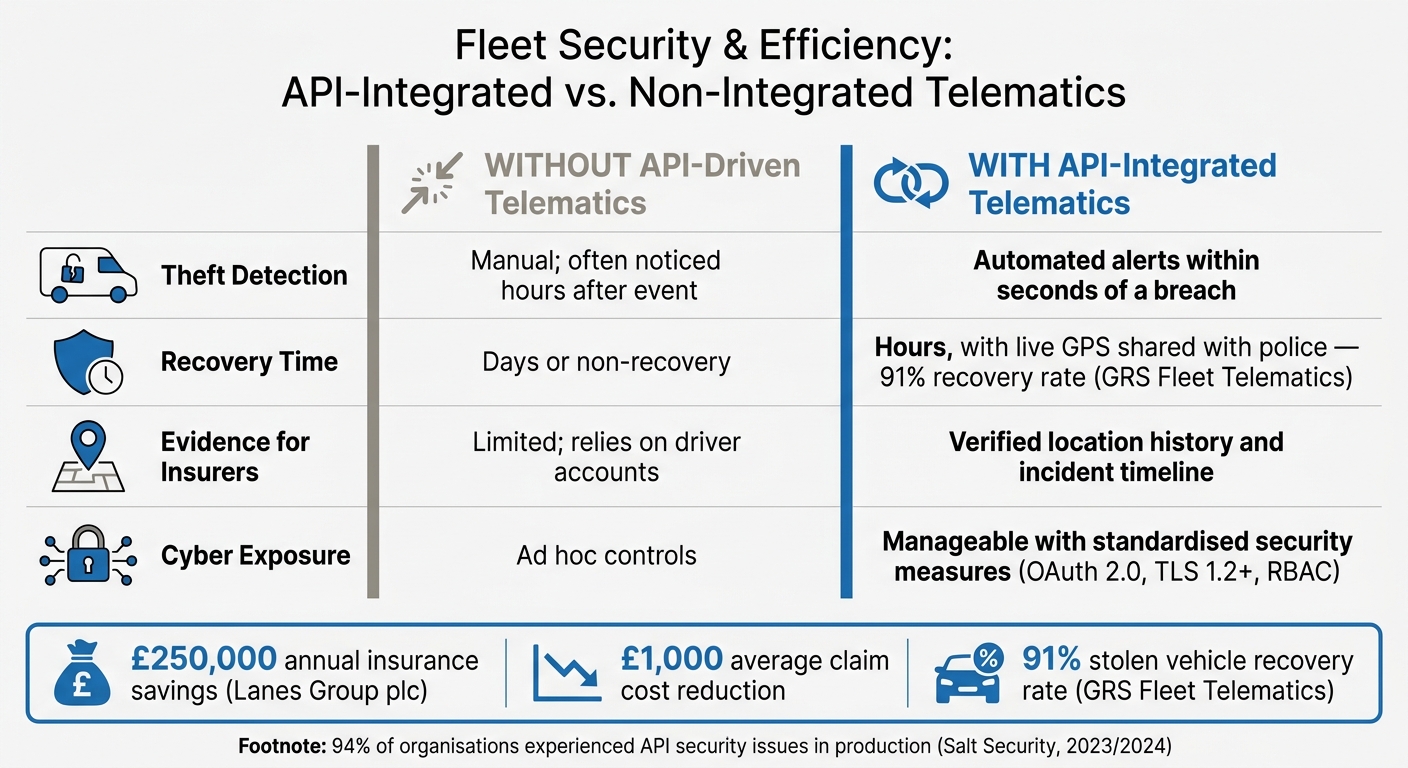
Fleet Security & Efficiency: API-Integrated vs. Non-Integrated Telematics
Preventing Theft with Real-Time Alerts and Tracking
APIs play a crucial role in linking vehicle trackers to management platforms, providing real-time data on location, ignition, and sensors. This connection allows for immediate alerts when unusual activities occur - like a van leaving a depot at 02:00, a door opening in a restricted area, or a sudden GPS signal loss. These alerts ensure that managers or security centres can act swiftly.
A standout feature aiding this process is geofencing. With geofencing, fleet operators can set up virtual boundaries around key locations such as depots or customer sites. The telematics API continuously monitors vehicle positions, and any breach of these boundaries triggers an automatic alert. Additionally, integrating APIs with door sensors, immobilisers, and driver ID systems ensures that unauthorised actions are flagged right away.
For fleets in the UK, dual-tracker technology offers an extra layer of protection. If one tracker is disabled by a thief, a second independent device continues transmitting data. APIs consolidate signals from both trackers into a single dashboard, helping security teams and police maintain a complete location history. This approach, used by GRS Fleet Telematics, has achieved a 91% recovery rate for stolen vehicles by sharing tracking data directly with law enforcement.
While these measures significantly improve physical security, ensuring the APIs themselves are secure is equally critical.
Cybersecurity Risks and How to Manage Them
Alongside physical security, API connectivity introduces digital vulnerabilities that require careful management. Weak authentication, a lack of encryption, and poorly handled tokens are some of the key risks. Research has shown that unsecured telematics APIs can allow attackers to track vehicles, unlock doors, or manipulate data remotely - posing a serious operational threat.
To address these risks, all API traffic should use HTTPS/TLS with the latest encryption standards. Strong authentication methods, such as OAuth 2.0 or signed API keys with short-lived, rotating tokens, are vital. Each integration - whether with insurers, maintenance providers, rental agencies, or control centres - should follow the least-privilege principle, accessing only the data it needs. The OWASP API Security Top 10 provides a solid framework for tackling issues like broken object-level authorisation and excessive data exposure. Regular monitoring and detailed logging of authentication, location, and remote command activity can also help identify anomalies early.
Security Gains for UK Fleets: A Closer Look
The advantages of API-driven security are most evident in the swift recovery of stolen vehicles. Fleets equipped with continuous tracking and automated alert systems can locate stolen vehicles within hours instead of days, drastically reducing the likelihood of total loss. When dual-tracking is paired with API-based monitoring and coordinated police efforts, recovery rates improve significantly.
The financial benefits are just as clear. UK insurers increasingly reward fleets that implement strong tracking systems, geofencing policies, and reliable incident reporting - all of which depend on robust API access to telematics data. These measures not only minimise theft-related losses but also lead to smoother operations, reduced downtime, and lower insurance premiums.
Here’s a quick comparison of the impact of API-integrated security:
| Security Area | Without API-Driven Telematics | With API-Integrated Telematics |
|---|---|---|
| Theft detection | Manual; often noticed hours after event | Automated alerts within seconds of a breach |
| Recovery time | Days or non-recovery | Hours, with live GPS shared with police |
| Evidence for insurers | Limited; relies on driver accounts | Verified location history and incident timeline |
| Cyber exposure | Ad hoc controls | Manageable with standardised security measures |
How to Set Up API Integrations That Work
Once you understand how APIs can boost fleet security and efficiency, the next step is implementing integrations that deliver on that promise.
Technical Requirements for API Integration
Start with a reliable infrastructure. Equip your vehicles with 4G or 5G van tracker systems to enable near real-time data transfer to the cloud. Your fleet platform should support RESTful APIs (using JSON over HTTPS) and offer clearly defined endpoints for key data like locations, trips, alerts, and driver information.
When selecting vendors, prioritise those that provide versioned APIs (e.g., /v1 or /v2), publish uptime SLAs, and offer interactive documentation tools such as Swagger or OpenAPI specs. A sandbox environment for testing before deployment is also a must-have for ensuring a smooth integration process.
For security, implement OAuth 2.0 or mutual TLS for authentication, and store sensitive credentials in a secure vault. Use role-based access control (RBAC) to limit integrations to only the data they require. For example, a maintenance system should only access mileage and service records, not real-time location data. All traffic should be encrypted using TLS 1.2 or higher, and any stored data, such as journey histories or driver identifiers, must be encrypted at rest. According to Salt Security’s 2023/2024 API security report, 94% of organisations encountered API security issues in production over the past year. These measures are essential for secure and reliable data sharing.
Getting Your Organisation Ready for API Adoption
API implementations often stumble due to human and process-related challenges. To avoid this, assemble a cross-functional team that includes representatives from fleet operations, IT, information security, finance, and HR. Map out your current manual workflows - such as downloading reports or updating spreadsheets - and identify where APIs can automate these tasks. Designing new processes with this in mind ensures smoother adoption.
Start small by running a pilot programme with a specific region or group of vehicles. This allows you to identify and fix any issues before rolling out the integration across your entire fleet. Training is equally important: dispatchers need to understand how to use new alert systems, and drivers should be informed about what data is collected and why. Clear communication helps reduce resistance and addresses privacy concerns, ensuring your team is ready to embrace the benefits of real-time data.
Staying Compliant with UK Data Protection Laws
Under UK GDPR, telematics data tied to an identifiable driver is considered personal data. The ICO explicitly includes location data and vehicle identifiers within this scope. Non-compliance can lead to hefty fines - up to £17.5 million or 4% of annual global turnover, whichever is higher.
To stay compliant, conduct a Data Protection Impact Assessment (DPIA) before implementing vehicle tracking systems. Define a clear lawful basis for processing data; most fleets rely on legitimate interests or legal obligations. Configure APIs to collect only the data necessary for specific purposes and set retention periods for information like GPS traces and driving logs. Automate data deletion or anonymisation once these periods expire.
Ensure every telematics provider and third-party partner handling driver data has a signed Data Processing Agreement (DPA) outlining security measures and sub-processor responsibilities. Drivers must also have the ability to access, correct, or request deletion of their data. Your systems should support these requests efficiently, without relying on manual processes. By ensuring secure and compliant data management, your fleet can fully realise the efficiency and security benefits of API integrations.
What This Means for UK Fleets and Where Things Are Heading
Key Points for Fleet Operators to Take Away
API integration has become a cornerstone of modern fleet management. By facilitating real-time data sharing, it helps fleets streamline operations, cut down on manual tasks, and avoid the inefficiencies caused by isolated data systems. The benefits are clear: lower insurance premiums, improved maintenance schedules, and better theft prevention measures - all of which contribute to noticeable cost savings for fleets, regardless of their size. While these advantages are promising, there’s still a need for more research to understand the long-term impact.
Areas for Future Research
So far, most studies have focused on short-term benefits rather than how these efficiencies play out over several years. Future research should explore whether the cost savings and operational improvements from API integration remain consistent as fleets grow.
Another critical area is cybersecurity. There’s limited information comparing cyber risks in API-integrated fleets versus older, closed systems. As manufacturers like Ford Pro and Stellantis expand their OEM-backed data platforms, it’s crucial to investigate the security challenges that come with these evolving ecosystems.
AI and predictive analytics are also areas that deserve deeper exploration. As diginomica pointed out:
"a growing API ecosystem isn't just about convenience, it is the fertile ground on which AI applications grow"
More evidence is needed to connect AI-driven decision-making to measurable improvements in fleet performance.
With these research priorities in mind, the next section will look at how GRS Fleet Telematics aligns with these trends and offers practical solutions.
How GRS Fleet Telematics Fits with These Research Findings
The research underscores the increasing need for real-time tracking, secure data sharing, and scalable solutions. GRS Fleet Telematics is designed with these priorities in mind, featuring advanced dual-tracker technology that boasts a 91% vehicle recovery rate. This directly tackles key issues like theft prevention and provides real-time alerts to enhance fleet security.
For UK businesses aiming to improve fleet security and efficiency without heavy upfront costs, GRS Fleet Telematics provides an affordable option starting at just £7.99 per vehicle per month. The flexible hardware options range from basic real-time tracking to advanced immobilisation features, ensuring the system can adapt as fleet requirements evolve.
FAQs
Which systems should I connect to telematics first?
Start by taking stock of the tools you currently use. These might include your Transportation Management System (TMS), payroll and accounting software, fuel management platforms, and maintenance tools. It’s also crucial to check that your telematics hardware and primary software support open APIs, which allow for easier scalability as your needs grow.
Once you’ve assessed your tools, the next step is to standardise your data. This ensures that all your platforms can communicate effectively with one another. Finally, bring everything together by integrating these systems into a centralised dashboard. This will give you a unified, real-time view of your operations, making it easier to manage and optimise your processes.
How do I secure fleet APIs against cyberattacks?
To safeguard fleet APIs against cyberattacks, it's crucial to adopt a multi-layered defence approach. Start by implementing robust authentication methods, such as OAuth 2.0 or rotating API keys, and enforce role-based access control (RBAC) to limit access based on user roles.
Ensure data security by using TLS 1.2 or higher for transmission and AES-256 encryption for stored data. Input validation is another essential step to prevent malicious payloads. Deploy API gateways to enforce rate limiting and adopt a deny-by-default policy to block unauthorised access.
Stay vigilant by regularly monitoring activities through audit logs and conducting penetration testing. These measures not only strengthen security but also help maintain compliance with relevant standards.
What must I do to stay UK GDPR-compliant with tracking data?
To ensure compliance with UK GDPR when managing tracking data, it's crucial to perform a thorough risk assessment of your data processing activities. Additionally, verify that any third-party telematics contracts align with Article 32's security requirements.
Key steps include implementing TLS/SSL encryption to secure data in transit, using role-based access controls to restrict access, and keeping detailed audit logs. These logs should record data access and modifications, which are especially important for handling Data Subject Access Requests effectively.