How AI Detects Risky Driving in Fleets
AI telematics enhances fleet safety by detecting risky driving behaviours, providing real-time feedback, and reducing costs and accidents.
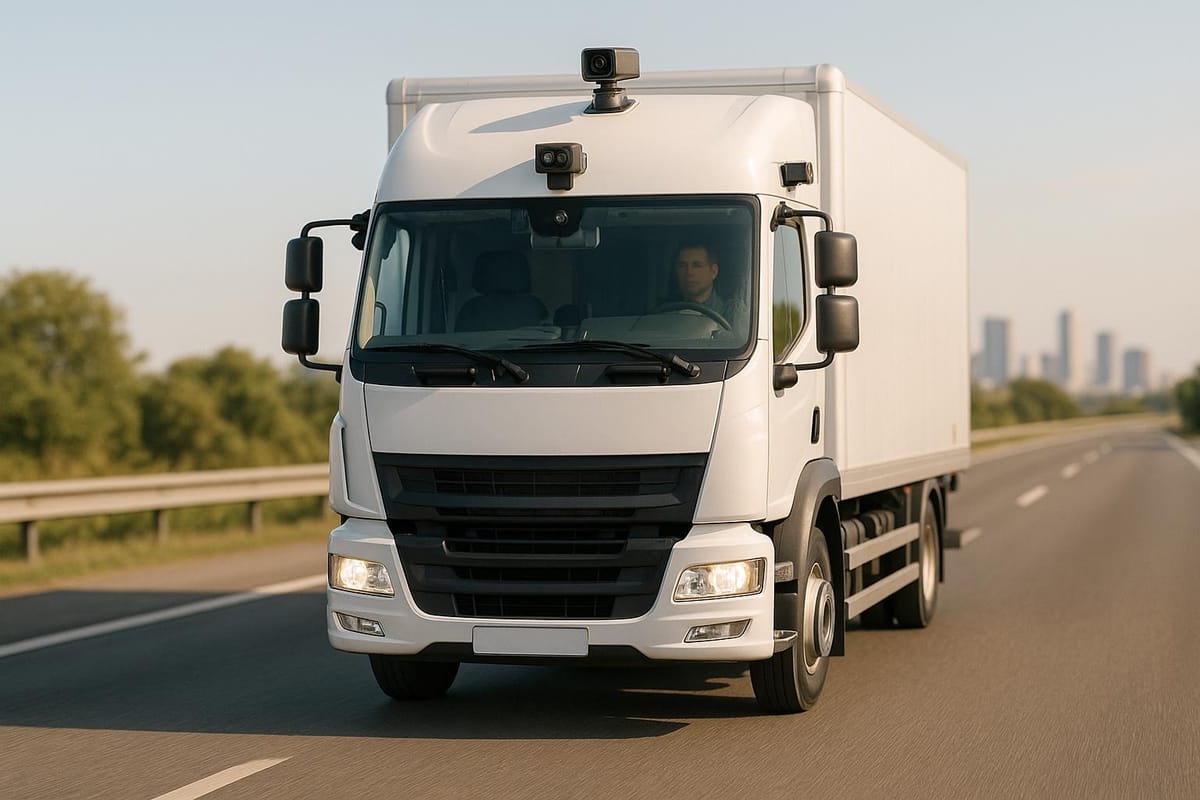
AI-powered fleet telematics is transforming how companies monitor and manage driver safety. By analysing real-time data from vehicles, such as acceleration, braking, and engine diagnostics, AI identifies risky driving behaviours like speeding, harsh braking, and distracted driving. Unlike older systems, AI predicts potential issues before they escalate, helping reduce accidents, fuel costs, and maintenance expenses.
Key Highlights:
- Real-Time Monitoring: Tracks vehicle performance and driver actions using GPS, dash cams, and accelerometers.
- Risk Detection: Flags unsafe behaviours like tailgating, rapid acceleration, and mobile phone use.
- Immediate Feedback: Alerts drivers and managers instantly, enabling quick corrective actions.
- Cost Savings: UK fleets report a 15% drop in fuel costs and a 70% reduction in unexpected breakdowns.
- Compliance Support: Simplifies adherence to UK safety regulations and insurance requirements.
With 80% of UK van fleets already using AI video telematics, this technology is becoming essential for safer, more efficient fleet management.
How AI Identifies Risky Driving
Data Collection and Monitoring
AI-powered telematics systems gather data from various sources within each vehicle to monitor driving behaviour. GPS trackers provide continuous updates on location, speed, and routes, while accelerometers, gyroscopes, and OBD (Onboard Diagnostics) devices collect detailed performance metrics.
Accelerometers and gyroscopes measure forces during acceleration, braking, and cornering, helping to detect subtle shifts in driving patterns that could signal risky actions. OBD devices connect directly to the vehicle's engine management system, capturing data on engine performance, fuel consumption, and maintenance needs.
AI-enabled dash cams take monitoring to the next level. These cameras don’t just record video - they analyse it in real time to spot distractions like mobile phone use or signs of fatigue. They can also monitor road conditions, flagging issues such as lane departures or tailgating.
All this data flows into a centralised telematics platform, where it’s processed in real time. This platform builds a detailed picture of both vehicle performance and driver behaviour, creating a foundation for advanced risk analysis.
AI Analysis and Risk Detection
Once the data is collected, machine learning algorithms get to work, analysing patterns to identify risky driving behaviours. These algorithms, trained on vast datasets, can differentiate between safe and hazardous driving.
Dash cam footage is examined using computer vision technology to identify specific behaviours like distraction or drowsiness. Meanwhile, the AI compares real-time data against safety benchmarks and historical trends, flagging incidents such as speeding, harsh braking, or rapid acceleration. By factoring in external conditions - like road quality, traffic, and vehicle type - the system minimises false alarms and provides more accurate insights.
One of AI's most impressive capabilities is predictive analysis. Instead of merely reporting past incidents, it identifies drivers who are gradually developing unsafe habits. As the system processes more data, these algorithms refine their accuracy, reducing false positives while ensuring genuine risks are highlighted. This predictive capability allows for proactive safety management, with real-time detections leading to immediate alerts.
Real-Time Alerts and Feedback
When risky driving is detected, AI systems act instantly. Drivers receive immediate feedback through in-cab displays or audible warnings, enabling them to correct their actions on the spot.
Fleet managers are also kept in the loop via mobile apps and dashboards, which provide detailed notifications about incidents. These alerts often include specifics such as the type of event, its location, the driver involved, and even video evidence. This rapid communication shifts fleet safety from a reactive approach to a proactive one, allowing issues to be addressed before they escalate.
GRS Fleet Telematics integrates seamlessly with these AI systems, offering real-time alerts and feedback starting at just £7.99 per month. Their dual-tracker technology ensures UK businesses stay connected with their vehicles, helping to resolve minor issues quickly and maintain overall fleet safety.
Risky Driving Behaviours AI Can Detect
Common Risky Driving Behaviours
AI telematics has transformed how risky driving patterns are identified. Speeding is one of the most commonly flagged behaviours, with AI monitoring not only motorway speeds but also adherence to variable limits in urban areas and near schools across the UK.
Harsh braking and rapid acceleration are other key indicators flagged by AI, using accelerometer data to detect these patterns. Such behaviours often suggest poor anticipation, which not only increases safety risks but also drives up fuel consumption. Addressing these issues through AI monitoring has led to companies reducing fuel costs by 15%.
AI-enabled dash cams are particularly effective in spotting distracted driving, such as using a mobile phone, eating, or long periods of inattention. These cameras also monitor seatbelt usage, automatically flagging violations that could result in safety hazards or legal consequences.
Tailgating and sharp cornering are picked up through a combination of GPS and accelerometer data. By analysing vehicle distances and cornering forces, AI systems can quickly identify unsafe driving practices.
These risky behaviours are not just about safety - they also affect operational costs. Companies using AI-driven monitoring have seen a 70% drop in unexpected breakdowns and up to a 15% reduction in maintenance costs after addressing aggressive driving habits that cause unnecessary wear and tear. To ensure the feedback is practical, AI systems refine their alerts through contextual analysis, making them more actionable for fleet managers.
Reducing False Alarms
One of AI's standout strengths is its ability to minimise false alarms, a common issue with older telematics systems. Traditional systems often overwhelmed fleet managers with alerts, many of which were triggered by necessary emergency actions, leading to "alert fatigue" and ignored notifications.
AI tackles this by analysing contextual data alongside driving metrics. For example, if harsh braking is detected, the system considers factors like traffic density, road conditions, weather, and the driver’s usual behaviour. Emergency braking to avoid an accident is treated differently from repeated aggressive stops at traffic lights.
Similarly, sharp cornering is assessed in context. Taking a tight turn on a roundabout is weighted differently from erratic steering on a straight road. This nuanced approach ensures that alerts focus on genuine risky behaviour rather than unavoidable or isolated actions.
AI also builds profiles based on historical driver behaviour, helping identify when an action is out of character. A driver with a history of cautious driving might not be flagged for a single harsh braking incident, whereas someone with a pattern of aggressive driving would receive closer attention. This tailored approach allows fleet managers to address persistent issues without being distracted by one-off events.
Vehicle type and load are additional factors AI considers. A fully loaded van requires longer braking distances compared to an empty one, and AI adjusts its thresholds accordingly. This ensures that alerts remain accurate and relevant, avoiding unnecessary alarms while maintaining high safety standards.
GRS Fleet Telematics exemplifies this advanced monitoring approach, providing clear and actionable alerts without overwhelming users with false notifications. Their dual-tracker technology supports this precision, allowing fleet managers to focus on real safety risks while keeping a comprehensive view of operations.
The result is a system that fleet managers can rely on. Instead of being bogged down by irrelevant alerts, they can confidently address genuine safety concerns, creating a more efficient and effective way to manage risks across their fleets.
From Detection to Action: AI Workflow
Monitoring and Incident Management
AI transforms risky driving data into actionable insights. Using tools like GPS, accelerometers, and video analytics, these systems monitor driver behaviour in real time. When incidents occur - such as harsh braking, speeding, or mobile phone use - they're logged with precise details, including time, location, and contextual information. This creates a complete digital record of events.
The escalation process is streamlined through automation. Instead of relying on manual reviews, the system alerts fleet managers via dashboards, emails, or mobile notifications. Incidents are categorised by severity: urgent alerts are issued for high-risk events, while less critical ones are queued for routine follow-up. Managers can then review incident footage and sensor data to understand the context fully. These timestamped records not only support compliance requirements in the UK but also simplify insurance claims.
For example, GRS Fleet Telematics offers advanced monitoring tools that capture incidents in real time while maintaining detailed records. This ensures businesses meet UK standards for compliance and insurance documentation.
This automated process lays the groundwork for proactive driver coaching.
Driver Coaching and Training
Once risky events are verified, fleet managers use AI-driven insights to encourage safer driving habits. Instead of generic advice, AI enables tailored coaching based on each driver's specific risk patterns. By analysing long-term behaviour, these systems highlight recurring issues like speeding, harsh cornering, or frequent distractions. With this information, managers can focus on meaningful interventions, such as promoting hands-free technology or emphasising defensive driving techniques.
Real-time feedback also plays a crucial role. Audible or visual alerts help drivers correct unsafe actions immediately, preventing bad habits from forming. For instance, a UK delivery company that adopted AI-powered telematics with integrated coaching reported a 30% decrease in harsh braking incidents and a 15% reduction in insurance claims within just six months. The system escalates responses based on behaviour: automated warnings for initial issues, manager reviews for repeated offences, and, if necessary, mandatory training or even suspension.
Many UK fleets enhance these efforts by integrating their AI telematics systems with HR and training platforms. This integration allows incident data to automatically update driver records and training logs, giving managers a clear picture of individual progress. This data-driven approach not only improves driver safety but also boosts overall operational efficiency.
Benefits of AI Risk Detection for UK Fleets
Better Safety and Fewer Accidents
AI-powered telematics is transforming fleet safety across the UK, tackling risky behaviours before they escalate into accidents. The results speak for themselves: UK fleets using AI-driven video telematics have seen accident rates drop by up to 30% after adoption.
This technology works by delivering real-time feedback to drivers through audible or visual alerts, encouraging immediate corrections to unsafe actions. By addressing issues as they arise, it helps drivers develop safer habits over time. Meanwhile, fleet managers receive detailed reports, complete with timestamps and locations, enabling them to identify recurring patterns and focus their coaching efforts where they're needed most.
Currently, 80% of UK van fleets rely on AI video telematics to manage safety challenges like accident documentation and proactive risk management. This level of adoption highlights the system's effectiveness in reducing incidents and protecting both drivers and other road users.
Cost Savings and Efficiency
AI doesn't just enhance safety - it also delivers substantial financial benefits. Predictive maintenance powered by AI has been shown to cut unexpected breakdowns by over 70% while reducing maintenance costs by up to 15%. These systems continuously monitor vehicle data, spotting potential problems before they result in expensive failures or disruptions.
Fuel efficiency is another area where AI makes a big impact. By optimising routes and analysing driving behaviours, some UK fleets have achieved a 15% reduction in fuel costs. With fuel accounting for as much as 40% of operating expenses, this kind of improvement can lead to significant savings. The technology not only suggests the most efficient routes but also flags unauthorised fuel use, giving fleet managers better control over their budgets.
Improved safety records also mean lower insurance premiums. Fleets equipped with AI telematics often qualify for reduced rates as insurers recognise the lower risk these systems bring. Combining fewer accidents, reduced maintenance costs, and lower insurance premiums, the financial case for adopting AI telematics becomes hard to ignore.
Compliance and Duty of Care
AI also simplifies regulatory compliance, a critical concern for UK fleets. Automated telematics systems record driving data, helping businesses stay compliant with regulations like working time directives, tachograph requirements, and health and safety standards - all while reducing administrative workloads. By monitoring driver hours, these systems ensure legal limits are met, which reduces fatigue-related risks and potential liabilities.
Real-time monitoring also demonstrates proactive risk management and driver support. This kind of documentation is increasingly valuable as insurers and regulators demand evidence of active safety measures. AI telematics creates detailed digital records that streamline compliance reporting and highlight responsible fleet management.
Additional features like speed monitoring and geofencing ensure drivers stick to legal speed limits and authorised routes. When violations occur, alerts and detailed logs are generated, supporting investigations or legal proceedings. This automated approach not only reduces administrative burdens but also ensures businesses meet their legal obligations without added hassle.
How GRS Fleet Telematics Supports Safer Fleets
GRS Fleet Telematics offers a robust solution for fleet safety, combining advanced AI monitoring with top-tier security features. Its dual-tracker technology ensures continuous oversight, even if one system fails, contributing to an impressive 91% recovery rate for stolen vehicles. This protects fleet assets while reducing insurance claims.
The platform also monitors risky behaviours like speeding and harsh braking in real time, sending alerts to fleet managers for immediate action. Geofencing and eco-driving analytics help optimise routes, improve fuel efficiency, and maintain safety standards.
At just £7.99 per month per vehicle, these features are accessible for businesses of all sizes in the UK. The price includes 24/7 monitoring, recovery support, and detailed analytics, with professional installation offered free when paired with fleet branding services - making setup both affordable and straightforward.
GRS Fleet Telematics integrates seamlessly with existing fleet management tools, enhancing operations without disrupting established workflows. This makes it easier for businesses to improve safety and efficiency while maximising their return on investment.
How Does AI Improve Fleet Safety?
Conclusion: The Future of Safer Fleet Management with AI
AI-powered telematics is transforming fleet management in the UK, moving the focus from reacting to issues to proactively improving safety and operations. With 80% of UK van fleets already using AI-enabled video telematics to address critical safety concerns, the impact of this technology is undeniable. Fleet managers are seeing real, measurable benefits every day.
One of the standout advantages is the operational efficiency AI brings, which directly impacts profitability. When fuel costs make up as much as 40% of operating expenses, even small efficiency improvements can lead to noticeable savings. These gains highlight why AI telematics is quickly becoming a cornerstone of competitive fleet operations.
For those willing to take the leap, early adoption offers clear rewards. Implementing AI-powered solutions now allows fleet managers to enhance safety monitoring, streamline maintenance, and simplify compliance management. The technology helps identify risky driving behaviours in real time, enables targeted driver coaching, and demonstrates a proactive commitment to safety - something that’s increasingly valued by regulators and insurers alike.
For UK fleet managers exploring this technology, starting with high-impact areas like safety monitoring and predictive maintenance is a practical first step. Success lies in seamlessly integrating AI tools with current systems and investing in staff training to ensure both the technology and the team are prepared to maximise its potential.
Companies like GRS Fleet Telematics are making advanced AI solutions more accessible than ever. With pricing starting at just £7.99 per month and a 91% recovery rate for stolen vehicles, their offerings, including dual-tracker technology and real-time behaviour monitoring, provide a cost-effective way to enhance safety and efficiency without a hefty upfront investment.
The road ahead for fleet management is clearly AI-driven. By embracing these technologies now, businesses can ensure safer roads, more efficient operations, and a future of continuous innovation.
FAQs
How does AI-powered telematics help improve driver safety in fleets?
AI-powered telematics systems, like those from GRS Fleet Telematics, play a key role in improving driver safety. These systems keep a close eye on driving behaviour, spotting risky actions such as harsh braking, speeding, or sharp cornering. With this information, fleet managers can step in to correct unsafe habits and promote safer driving practices.
Beyond safety, features like speed tracking and eco-driving analytics help drivers fine-tune their performance. This not only cuts down on accidents but also boosts fuel efficiency. By leveraging real-time data and practical insights, AI-powered telematics makes managing fleets safer and more efficient.
How does AI identify risky driving behaviours in fleet operations?
AI taps into data from telematics systems to pinpoint risky driving habits. These systems track behaviours like speeding, harsh braking, sudden acceleration, and sharp cornering, offering detailed insights into how drivers perform on the road.
By analysing this information in real time, AI can uncover patterns or specific incidents that suggest unsafe driving. This enables fleet managers to act quickly, addressing issues to enhance safety and minimise operational risks.
How can fleet managers use AI telematics to improve safety and streamline operations?
AI-powered telematics systems give fleet managers a powerful tool to keep an eye on driver behaviour and flag risky habits like harsh braking, speeding, or sharp cornering. By processing this data in real-time, managers can step in quickly to address unsafe driving and work towards improving road safety across the board.
What’s more, integrating AI telematics with existing systems is a smooth process. Many of these solutions are built to connect effortlessly with fleet management platforms, making it easier to consolidate data and extract meaningful insights. This not only helps to improve safety but also streamlines operations by optimising routes, cutting down on fuel use, and reducing wear and tear on vehicles.