Fleet Expansion vs Downsizing: Key Considerations
Explore the advantages and challenges of fleet expansion versus downsizing, and learn how telematics can inform your decisions.
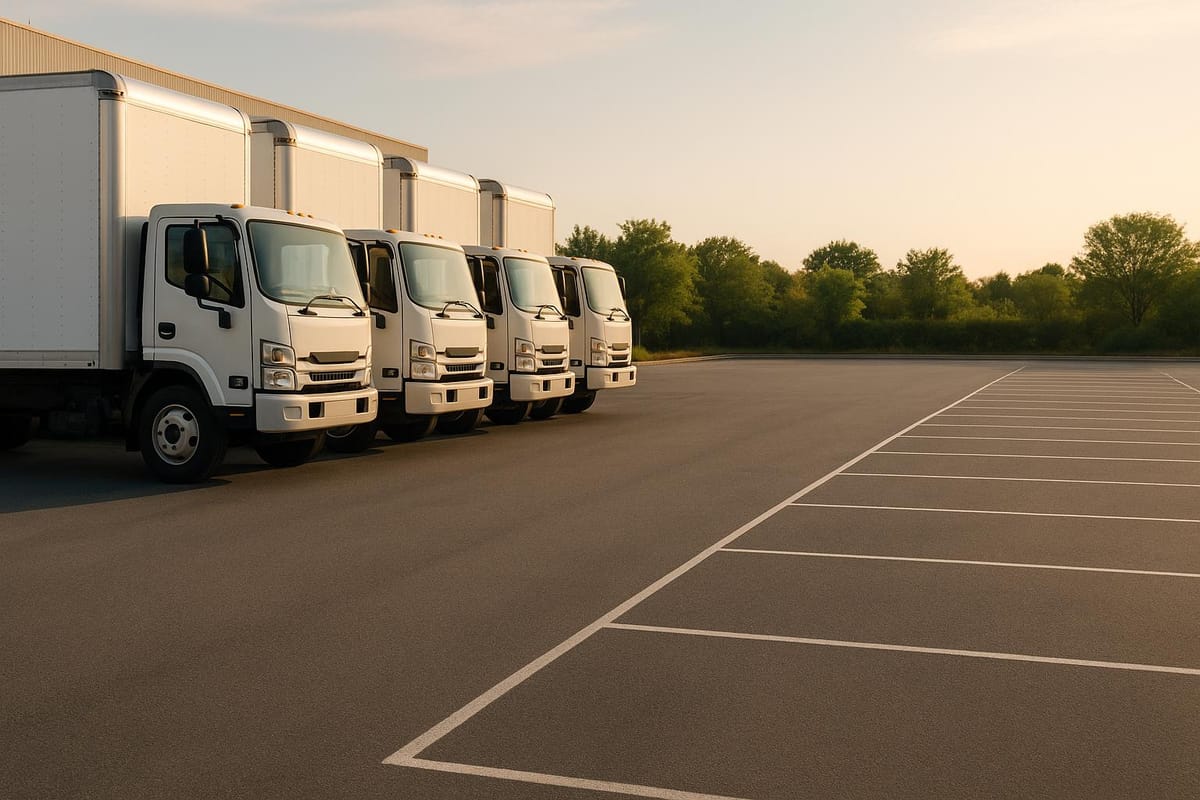
Should you grow or shrink your fleet? The answer depends on your business goals, market conditions, and financial health. Here's a quick breakdown of what each option involves:
- Expand if demand exceeds capacity, you’re entering new markets, or need to modernise with electric vehicles (EVs). Benefits include increased capacity, lower delivery costs per unit, and improved resilience during peak times. But beware of high upfront costs, depreciation, and supply chain delays.
- Downsize if costs are rising, vehicles are underused, or market demand has dropped. Benefits include cost savings, better vehicle utilisation, and freed-up capital. Risks include reduced flexibility, potential service disruptions, and compliance challenges.
Telematics is key to making informed decisions. It provides data on vehicle usage, driver behaviour, and fuel efficiency, helping you identify underperforming assets or capacity gaps. This ensures your fleet matches your workload without unnecessary costs.
Quick Comparison
| Factor | Fleet Expansion | Fleet Downsizing |
|---|---|---|
| Costs | High upfront investment | Generates revenue from vehicle sales |
| Capacity | Increases | Reduces |
| Flexibility | Higher during peak demand | Lower, with fewer vehicles available |
| Operational Burden | More vehicles mean higher complexity | Simplifies management |
| Environmental Impact | Can introduce EVs, but at a cost | Reduces emissions by removing vehicles |
The bottom line: Use telematics to evaluate your fleet’s performance. Whether expanding or downsizing, align your decisions with long-term goals, financial strategy, and market trends.
Fleet Planning in 2025
What Fleet Expansion Involves
Fleet expansion involves adding more vehicles to meet rising demand, explore new markets, or replace ageing vehicles while maintaining operational capacity. The decision to grow a fleet is often driven by clear business needs - most commonly, increased customer demand or business growth requiring additional resources to sustain service levels and seize new opportunities.
For UK businesses, fleet expansion frequently means covering broader geographic areas or adapting to the growing e-commerce sector, which demands extra capacity during peak periods. Seasonal fluctuations in demand can also lead to temporary or permanent fleet growth to ensure high-quality service during busy times.
The timing and scale of any expansion should align with revenue forecasts and market analysis that indicate sustainable growth. This ensures the capital investment is justified. Fleet expansion can also include diversifying vehicle types to address varied customer needs, setting the stage for operational improvements and greater efficiency.
Benefits of Expanding Your Fleet
Expanding your fleet brings a host of advantages, including increased capacity, better route optimisation, and lower delivery costs per unit. This added flexibility ensures you can meet customer needs without turning away work due to limited resources.
Having additional vehicles allows you to handle unexpected demand surges, cover for vehicles undergoing maintenance, and maintain service levels even when some vehicles are temporarily out of action. This resilience is especially valuable during peak trading periods or when supply chain disruptions affect vehicle availability.
For companies aiming to modernise, fleet expansion presents a chance to introduce low-emission vehicles. Adding electric vehicles (EVs) not only supports sustainability goals but also provides financial benefits, such as tax incentives and exemptions from Low Emission Zone (LEZ) charges. As cities like London, Manchester, Birmingham, and Sheffield expand their LEZs, integrating EVs becomes an increasingly practical and forward-thinking choice.
Challenges of Fleet Expansion
While the benefits are clear, fleet expansion comes with its share of challenges that demand careful planning. One of the most significant hurdles is the high upfront cost, paired with the ongoing issue of depreciation. Vehicles lose value rapidly after purchase and continue to depreciate over time, impacting revenue regardless of maintenance efforts.
Beyond vehicle costs, expanding a fleet requires investment in infrastructure. This includes maintenance facilities, charging stations for electric vehicles, parking spaces, and administrative systems to manage the larger fleet. These additional expenses can add up quickly, catching businesses off guard if not anticipated.
Managing a larger fleet also increases administrative complexity. Compliance and maintenance requirements grow, necessitating robust systems to handle these tasks. Training and safety oversight become more demanding as the number of drivers increases, adding another layer of responsibility.
Supply chain issues can further complicate expansion. Ongoing delays in vehicle production, driven by semiconductor shortages and disrupted logistics, mean businesses may face long waits for new vehicles. This can result in missed opportunities if the vehicles arrive too late to meet the demand that prompted the expansion.
Over-expansion is another risk. Without proper analysis of vehicle utilisation, businesses might invest in vehicles that end up underused. This leads to unnecessary costs from depreciation, maintenance, insurance, and financing. For example, trucks often operate with load factors ranging from 50% to 90%, meaning many vehicles already run below full capacity. This highlights the importance of thoroughly assessing whether expansion is genuinely necessary.
Cash flow can also become a concern if fleet growth outpaces revenue. The financial strain of covering vehicle expenses without sufficient income can destabilise a business. This risk is particularly high if anticipated demand fails to materialise, leaving you with excess capacity and mounting costs. Striking the right balance between growth and financial stability is essential when planning fleet expansion.
What Fleet Downsizing Involves
Fleet downsizing is the process of reducing the number of vehicles in a fleet with the goal of improving efficiency and cutting costs. But it’s not as simple as just selling off vehicles. It involves carefully assessing which assets are underperforming and making informed decisions based on data, not guesswork.
There are several reasons why businesses choose to downsize their fleets. Rising operational costs - things like parts, labour, and maintenance - can make it harder to justify holding onto a large fleet. Reactive maintenance, in particular, tends to drive up the Total Cost of Ownership (TCO), prompting many companies to look for ways to trim expenses.
Another common issue is underutilised vehicles. Telematics data often reveals that some vehicles spend too much time idle or operate below their capacity. This insight can highlight opportunities to consolidate tasks and streamline operations.
Sometimes, external factors like reduced market demand make maintaining a larger fleet financially impractical. Regulatory changes, such as stricter emissions standards and Low Emission Zones, can also play a role. Older vehicles that don’t meet these standards may need to be retired without being directly replaced.
In the UK, the fleet industry faces a mix of challenges, including rising costs, stricter regulations, and the push for greater efficiency. For instance, in 2024, UK businesses registered 64,000 more battery-electric vehicles compared to the previous year. This shift towards electrification has prompted many organisations to reassess their fleet sizes as part of their transition strategy.
The key to successful downsizing lies in leveraging data. Telematics systems offer real-time insights into vehicle usage, helping you pinpoint which vehicles are underused and where routes can be consolidated.
Rather than making sweeping cuts, it’s better to take a gradual approach. Start by analysing telematics data to understand usage patterns. Then, redistribute workloads from low-use vehicles and remove them incrementally, ensuring that service levels remain steady throughout the process.
Benefits of Downsizing Your Fleet
When done strategically, downsizing can deliver a range of benefits that boost overall efficiency. One of the most immediate advantages is cost savings. Eliminating underused vehicles means you can cut back on maintenance, fuel expenses, insurance premiums, and depreciation costs. This is especially important because vehicles lose value whether they’re actively used or just sitting idle.
Another benefit is the ability to free up capital. Funds that were tied up in owning and maintaining surplus vehicles can be redirected to other priorities, like upgrading your core fleet, investing in technology, or expanding into new markets.
Downsizing also leads to better fleet utilisation. With fewer vehicles, the ones that remain tend to be used more efficiently, delivering better cost-per-mile performance. From an administrative standpoint, managing a smaller fleet is less time-consuming. Tasks like scheduling maintenance, ensuring compliance, and assigning drivers become much simpler. In fact, 39% of operations leaders say that AI’s biggest value lies in reducing administrative burdens, underscoring the efficiency gains of a streamlined fleet.
Additionally, a smaller fleet can help reduce emissions, aligning with environmental goals and ESG (Environmental, Social, and Governance) commitments. Properly maintaining records and documentation for vehicles being removed can also help maximise their resale value, offsetting some of the costs associated with downsizing.
Risks of Fleet Downsizing
While downsizing offers clear advantages, it’s not without its risks. One of the biggest challenges is maintaining service capacity. If too many vehicles are removed, you may struggle to meet customer demand during peak periods or unexpected spikes in workload.
Customer satisfaction can take a hit if a smaller fleet leads to longer response times, missed deadlines, or reduced availability. These issues can erode trust and damage long-standing relationships.
The transition itself can be disruptive. Redistributing workloads among fewer vehicles often requires reworking routes, adjusting driver schedules, and reallocating resources. These changes can temporarily affect efficiency as teams adapt to the new setup.
Cutting the fleet too aggressively is another potential pitfall. If downsizing is based solely on average demand, you might find yourself short-handed during busy periods or when vehicles are out for maintenance. Reversing such decisions by acquiring new vehicles can be costly and time-consuming.
Compliance is another area to consider. UK businesses need to ensure that a smaller fleet can still meet operator licence requirements and other legal obligations. Transport managers should review these requirements carefully to avoid any compliance issues.
Downsizing can also affect employees. A reduced fleet may lead to fewer driver roles, potentially impacting morale. Even if staff numbers remain unchanged, drivers may need to adapt to new schedules or vehicles, which could require additional training and clear communication.
Lastly, a smaller fleet often means less flexibility. A larger fleet provides a buffer for unexpected opportunities or challenges. With fewer vehicles, there’s less room for error, which can make it harder to seize new contracts or respond to competitive pressures.
To minimise these risks, a measured approach is essential. Use telematics data to identify genuinely underutilised vehicles rather than relying on assumptions. Evaluate the Total Cost of Ownership (TCO) for each vehicle, considering factors like labour, parts, downtime, and compliance risks. Plan carefully to avoid gaps in service capacity, and keep your team informed and engaged throughout the process to maintain high operational standards.
Comparing the Costs
When deciding on the best fleet strategy, understanding the financial impact of expansion versus downsizing is crucial. Each approach comes with its own set of costs that can significantly influence your bottom line.
Expanding your fleet often means a hefty upfront investment. Buying vehicles outright requires substantial capital, which can strain cash flow, especially for smaller businesses. And let’s not forget: vehicles start losing value the moment they’re purchased. Leasing, on the other hand, avoids this large initial outlay. Fixed monthly payments make it easier to manage budgets and conserve working capital.
Downsizing flips the script. Instead of needing capital, it can actually generate revenue by selling off surplus vehicles. This frees up funds tied to underused assets, allowing businesses to redirect resources towards other priorities. These contrasting cost dynamics make it important to weigh the financial implications carefully.
Maintenance and Operational Costs
Fleet size directly impacts maintenance and servicing expenses. More vehicles mean more MOTs, repairs, and administrative work. Expansion adds these costs, while downsizing reduces them by cutting the number of vehicles in operation.
Similarly, operational costs rise with expansion. Fuel consumption increases, staffing needs grow, and insurance premiums climb. Downsizing simplifies operations, leading to savings on fuel, staffing, and insurance.
Tax and VAT Implications
Tax and VAT rules also play a role in the decision. Buying vehicles outright offers limited tax relief, and VAT on the purchase price can only be reclaimed for commercial vehicles. Leasing, however, provides more flexibility. Lease payments are often tax-deductible, and VAT-registered businesses can reclaim up to 50% of the VAT on lease payments and 100% on maintenance costs. Downsizing reduces tax-related headaches by cutting depreciation concerns and simplifying administration.
Paul Mullins, National Transport Manager at FullFibre, highlighted the value of data-driven decisions. By analysing telematics data, he reduced the company’s fleet to 95 vehicles, eliminating excess while maintaining efficiency. This approach avoided unnecessary expansion costs and optimised existing resources.
Cost Breakdown: Expansion vs Downsizing
Here’s a quick comparison of the costs involved:
| Factor | Fleet Expansion | Fleet Downsizing |
|---|---|---|
| Capital Expenditure | High due to vehicle purchases; requires significant upfront investment | Low; generates revenue from selling surplus vehicles |
| Maintenance Costs | Increase with fleet size; full responsibility for MOTs and repairs | Reduced; fewer vehicles mean lower servicing and admin costs |
| Operational Costs | Higher fuel, staffing, and insurance expenses | Lower overhead across fuel, staffing, and insurance |
| Depreciation Impact | More vehicles depreciating simultaneously | Fewer depreciating assets; less long-term value loss |
| Tax Efficiency | Limited relief with purchases; leasing offers better VAT reclaim | Reduced tax admin and depreciation complications |
| Administrative Burden | Increased complexity managing a larger fleet | Simplified management with fewer vehicles |
Hidden Costs and Sustainability
Expansion isn’t just about buying vehicles. It brings hidden costs like managing more complex schedules, ensuring compliance, and dealing with increased insurance premiums. Parking could become an issue too, potentially requiring facility upgrades. And if you’re adding vehicles, especially in areas with Low Emission Zones (LEZ), you might face steep costs to meet emissions standards. Electric vehicles can help here, offering tax breaks and LEZ exemptions, but they come with higher upfront costs.
Downsizing, on the other hand, reduces these pressures. By cutting underutilised vehicles, you can avoid expensive sustainability upgrades altogether.
The Role of Telematics
Rather than relying on guesswork, use telematics to analyse how your vehicles are being used. Real-time data can reveal underutilised assets and inefficiencies, helping you decide whether to expand or downsize.
Fleet managers often refer to "right-sizing" as the cornerstone of cost-efficient fleet management. The assumption that downsizing compromises capacity is frequently incorrect. In the UK, truck load factors range from 50% to 90%, meaning many vehicles operate below their potential. By identifying and removing underused vehicles, you can cut costs without sacrificing operational performance. Ultimately, these cost insights will help you align your fleet strategy with your business goals.
How Telematics Supports Fleet Decisions
Relying on guesswork or outdated spreadsheets for fleet decisions can lead to costly mistakes. Telematics systems change the game by delivering real-time data that highlights vehicle usage, fuel consumption, and overall efficiency. This data-driven approach helps fleet managers make smarter choices, whether they’re looking to expand or scale down operations, by improving performance and reducing risks.
Instead of speculating which vehicles are essential and which ones sit idle, telematics provides clear answers. Are your vehicles being overworked, or could better scheduling solve the problem? Would cutting your fleet by 10% impact your services, or are some vehicles underused? Real-world examples show that analysing vehicle usage systematically helps managers optimise operations, whether they’re dealing with Heavy Goods Vehicles (HGVs) or Light Commercial Vehicles (LCVs).
Telematics tools like real-time GPS tracking offer live updates on location, speed, and vehicle status. But the real power lies in the analytics. For instance, geofencing can reveal how much time vehicles spend at job sites versus depots, while route optimisation data shows whether better planning could allow existing vehicles to handle more tasks. Detailed metrics on fuel use, driver hours, and maintenance frequency can uncover inefficiencies like excessive idling or frequent breakdowns, giving you a clear picture of where improvements are needed.
Using Telematics to Improve Fleet Utilisation
One of the first steps to streamlining your fleet is identifying underutilised vehicles. Telematics systems monitor mileage, idle time, and usage patterns over time, making it easy to spot which vehicles are underperforming and which are operating at capacity.
For example, trip logs and mileage tracking can reveal that some vans barely move or spend most of their time parked, while others are in constant use. This level of insight helps Transport Managers assess usage and decide which vehicles could be retired from the fleet.
Telematics also helps optimise routes. Poor route planning can create the illusion that you need more vehicles, when in reality, better scheduling could free up capacity. Additionally, monitoring driver behaviour - like speeding, harsh braking, or excessive idling - not only improves fuel efficiency but also reduces wear and tear, effectively boosting your fleet's capacity.
Another key benefit is understanding demand patterns. By analysing peak periods, you can determine whether better planning could cover these surges or if adding vehicles is genuinely necessary.
GRS Fleet Telematics stands out with its detailed analytics on fuel use, maintenance, and performance. Its features, like route planning and real-time location tracking, allow fleet managers to model scenarios, such as the impact of cutting fleet size by 15%, and make decisions based on solid data rather than guesswork.
By setting proactive maintenance reminders through telematics, you can minimise downtime and repair costs, ensuring that the vehicles you keep are always ready to perform - a crucial factor for smaller fleets.
Beyond improving efficiency, telematics also plays a critical role in keeping your fleet secure.
Security and Theft Prevention
While operational efficiency is important, protecting your fleet is equally essential. Security becomes especially critical during transitions. When expanding, new vehicles represent a significant investment that needs safeguarding. When downsizing, the fewer vehicles you have, the more vital each one becomes to your operations.
GRS Fleet Telematics offers advanced tracking solutions that prioritise security. Their dual-tracker technology includes both a primary hardwired tracker and a hidden Bluetooth backup. Even if one tracker is disabled, the other ensures continuous location updates. This robust system has contributed to an impressive 91% recovery rate for stolen vehicles.
Real-time theft alerts provide instant notifications if a vehicle moves outside designated hours or areas. Geofencing enhances this by triggering alerts when vehicles enter or leave specific zones, discouraging unauthorised activity. For even greater protection, the Ultimate hardware package (£99) includes an immobilisation feature. If a vehicle is stolen, you can remotely disable its engine once it’s stationary, making recovery much easier.
On the financial side, these security features can lead to lower insurance premiums, as insurers view vehicles with high recovery rates as lower risks. For fleets operating with minimal spare capacity, these protections are invaluable.
GRS Fleet Telematics is also budget-friendly, with hardware starting at £35 and a monthly service fee of just £7.99 per vehicle. Whether you’re expanding to protect new assets or downsizing to safeguard your core vehicles, the cost is a small fraction of a vehicle’s value. Plus, free installation when combined with fleet branding makes it even easier to equip your entire fleet with top-notch security.
Regulatory and Environmental Factors
Fleet decisions across the UK are increasingly shaped by strict regulations and ambitious sustainability goals. Adjustments to policies like Vehicle Excise Duty and the HGV levy compel fleet operators to reassess how their vehicles are used. This could mean exploring ways to improve efficiency or even downsizing fleets altogether. Additionally, planning routes to avoid Low Emission Zones can help businesses maintain operational efficiency while staying compliant. For those upgrading to low-emission or electric vehicles, compliance with these zones becomes easier, but it often comes with the need for more charging infrastructure and enhanced maintenance facilities.
How UK Regulations Affect Fleet Decisions
Regulations play a significant role in shaping fleet composition and costs. Vehicles that don’t meet emission standards face extra charges in Low Emission Zones, making it critical to evaluate whether older vehicles should be retired or replaced. On the other hand, tax incentives for electric vehicles present an opportunity to offset some of the costs, though transitioning to electric fleets requires thoughtful planning, particularly when it comes to installing charging infrastructure and managing operational changes.
Meeting Sustainability Goals
Right-sizing fleets - ensuring the number and type of vehicles match workload demands - helps businesses balance efficiency with environmental goals. By phasing out older, less efficient vehicles and focusing on those that meet modern standards, companies can significantly cut emissions and move closer to achieving net-zero targets. Regularly reviewing how vehicles are utilised also helps fine-tune fleet composition and reduce overall emissions.
Cloud-based telematics systems offer a powerful tool for meeting these challenges. They provide real-time insights into performance, fuel consumption, and emissions, helping fleets adapt to changing regulations and improve their environmental impact. As the market evolves, these scalable systems ensure UK fleets remain efficient, secure, and aligned with sustainability objectives.
Regulatory demands and environmental goals are key factors in deciding whether to expand or reduce fleet size, making them central to long-term planning.
Choosing Between Expansion and Downsizing
Deciding whether to expand or downsize your fleet isn’t a decision to take lightly. It calls for a deep dive into how your vehicles are currently being used, a clear understanding of your business needs, and a solid plan for the future. By combining vehicle utilisation data with telematics insights, businesses can ensure their fleet operates efficiently while keeping costs in check. This process, often referred to as fleet right-sizing, is all about finding that sweet spot between operational needs and financial efficiency.
To make strategic adjustments, you first need a clear picture of how your fleet is being used. Transport managers face the challenge of balancing the resources ground teams need with the push to streamline operations. Start by analysing trip logs, mileage, and routes to spot vehicles that are idle or underutilised. These insights can reveal whether your fleet size is working for you - or against you.
Telematics takes the guesswork out of fleet management. Tools like real-time GPS tracking, route optimisation, and driver behaviour monitoring give you a detailed look at daily operations. For example, GRS Fleet Telematics provides detailed reports on fuel consumption, maintenance schedules, and overall performance metrics - all for as little as £7.99 per vehicle each month. This data-driven approach makes planning more precise and actionable.
If you’re not ready to commit to buying new vehicles outright, consider flexible options like leasing or short-term rentals. These alternatives let you adapt quickly to seasonal demand or changing business conditions without the hefty upfront costs. Plus, they help maintain cash flow while keeping your fleet nimble and responsive.
When weighing up expansion versus downsizing, remember that costs go far beyond the sticker price of a vehicle. Whole-life costs - such as funding, fuel or energy expenses, servicing, and vehicle excise duty - should all factor into your decision. With UK regulations pushing for cleaner vehicles, emission standards and tax incentives are also key elements to consider when shaping your fleet strategy.
Timing is another critical factor. Ordering new vehicles can take up to a year, so planning for future demand is essential. In the meantime, flexible rental solutions can cover any short-term gaps. This is where telematics can continue to play a crucial role, helping optimise operations during transitions.
Even after you’ve decided on your fleet strategy, telematics remains a valuable tool. Features like geofencing and trip reports can help you tackle unauthorised vehicle use and improve overall efficiency. Scheduling MOTs and maintenance through telematics reminders can reduce downtime and repair costs. Plus, monitoring driver behaviour not only boosts safety but can also lead to better fuel efficiency.
Ultimately, the goal is to align your fleet size with your operational demands and financial strategy. With tools like GRS Fleet Telematics - offering dual-tracker technology, a 91% recovery rate for stolen vehicles, and detailed analytics - your business is well-equipped to make informed decisions and track long-term success.
FAQs
How can telematics assist in deciding whether to grow or reduce your fleet?
Telematics offers crucial insights that empower businesses to make well-informed choices about whether to grow or shrink their fleets. By examining data like fuel usage, maintenance requirements, and vehicle performance, it becomes easier to spot inefficiencies and uncover areas where costs can be reduced. On top of that, real-time tracking enables smarter route planning, ensuring your fleet runs as efficiently as possible.
Armed with this information, you can confidently assess whether your fleet is meeting operational needs or needs adjustment to better support your business objectives.
What are the financial risks of expanding your fleet without enough demand?
Expanding your fleet without a clear rise in demand can spell trouble for your finances. One of the biggest risks? Underutilised vehicles. These vehicles still rack up costs - think insurance, maintenance, and depreciation - but don’t bring in enough revenue to cover those expenses.
On top of that, over-expansion can put serious pressure on your cash flow. Investing in additional vehicles or equipment without a steady and predictable income stream to support it can leave your business in a tight spot. And if market conditions take a sudden turn, scaling back or reallocating resources becomes a tough - and potentially costly - challenge.
That’s where telematics systems come in. These tools let you track how your vehicles are being used, offering insights into whether your fleet is running efficiently. Armed with this data, you can make smarter decisions about whether to expand or scale back.
How do UK regulations and environmental targets impact fleet expansion or downsizing decisions?
UK regulations and environmental goals heavily influence how businesses manage their vehicle fleets. Companies need to account for various factors such as emissions standards, Clean Air Zone (CAZ) rules, and government incentives for adopting low-emission vehicles when planning fleet expansions or reductions.
For instance, tighter emissions standards might push businesses to swap out older, higher-polluting vehicles for greener alternatives. At the same time, the financial burden of CAZ charges could prompt a rethink, potentially leading to smaller fleets. By aligning fleet management strategies with these regulations, businesses can not only stay compliant but also work towards greater environmental responsibility and improved cost management.