Drones vs. Vehicles: Data Sharing in Last-Mile Delivery
Explore how drones and vehicles are transforming last-mile delivery through data sharing, improving speed, efficiency, and sustainability.
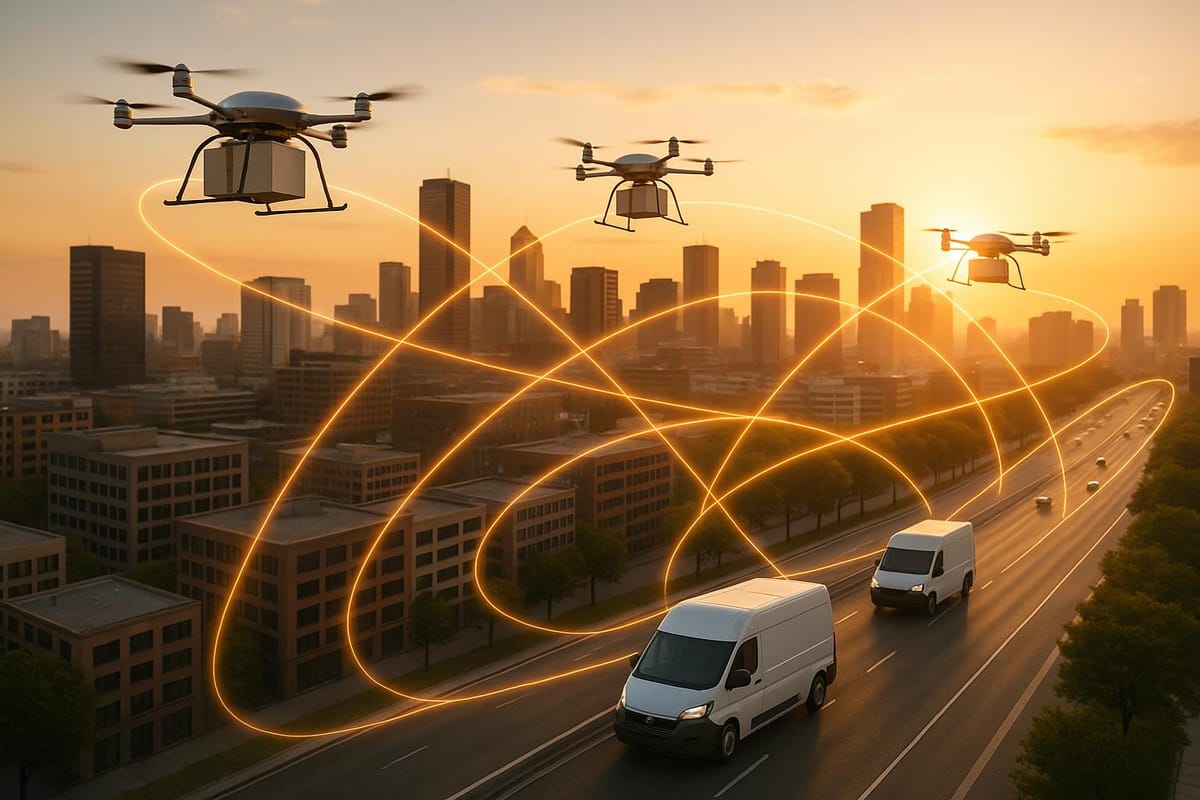
Last-mile delivery is evolving fast. Businesses in the UK are now using drones and vehicles together to meet growing demands for faster, more reliable deliveries. Here's why this combination works:
- Drones excel at delivering lightweight packages (under 2.5 kg) quickly, bypassing traffic and cutting costs in rural or congested areas.
- Vehicles handle bulk deliveries, carrying hundreds of packages across varied terrains, unaffected by weather or strict airspace rules.
- Real-time data sharing links drones and vehicles, improving delivery speed, efficiency, and coordination.
While drones save time and energy, vehicles remain reliable for larger loads. By combining both methods and leveraging advanced telematics, companies can reduce costs, delivery times, and energy use.
Mercedes Vans & Drone Delivery System
Quick Comparison
| Factor | Drones | Vehicles (Vans) |
|---|---|---|
| Speed | High (avoids traffic) | Moderate (traffic-dependent) |
| Payload Capacity | Low (under 5 kg) | High (bulk deliveries) |
| Cost | Lower for light, urgent items | Cheaper for bulk deliveries |
| Weather Impact | High (wind, rain, fog issues) | Low (operates in most weather) |
| Regulations | Strict (CAA rules) | Established road guidelines |
Using Drones for Last-Mile Delivery
Drones are becoming a game-changer in the UK logistics industry, offering solutions that traditional delivery methods simply can't match. Their ability to navigate in three dimensions opens up fresh ways to deliver goods quickly and efficiently. To make the most of these opportunities, it's crucial to balance the benefits with the challenges and explore how drones and vehicles can work together seamlessly.
Benefits of Drone Delivery
One of the biggest advantages of using drones is their speed and ability to bypass traffic. Unlike delivery vans stuck in urban congestion, drones can fly directly to their destination, ensuring faster and more reliable delivery times, even during the busiest hours.
Cost savings are another major plus. In areas with less demand, depot-based drone deliveries can cut costs by up to 60%. For example, delivering within a 0.25-mile radius costs about £0.65 with drones, compared to £1.60 when using trucks. These savings largely come from lower labour costs - since no drivers are needed - and reduced maintenance expenses. Drones have fewer moving parts and don’t rely on fuel, making them much cheaper to operate.
Drones are also far kinder to the environment. They use up to 94% less energy per package compared to standard delivery vehicles. Being electric-powered, they produce no tailpipe emissions and don’t contribute to road damage, making them a smart choice for businesses aiming to lower their carbon footprint.
Another standout feature is their ability to reach remote areas. Drones can easily deliver to locations that are hard to access by road, such as the rural Scottish Highlands, offshore islands, or areas with limited infrastructure. Thanks to real-time kinematic (RTK) technology, they can deliver with pinpoint accuracy, even in challenging conditions.
Flexibility is yet another advantage. Drones can operate 24/7 without worrying about driver shifts, rest breaks, or labour disputes. This makes them particularly useful for urgent deliveries, like medical supplies or time-critical documents.
Drone Operation Challenges
Despite these benefits, drones come with some limitations. One of the biggest is their payload capacity. Most commercial drones can only carry packages weighing between 2 and 2.5 kg (around 5 lbs), which rules out larger items like furniture, appliances, or bulk grocery orders.
Weather is another hurdle, especially in the UK’s unpredictable climate. High winds, heavy rain, or fog can ground drone fleets, causing delivery delays and forcing companies to rely on traditional vehicles as a backup.
Battery life is another constraint, limiting how far drones can travel from their depots. This affects route planning and makes multi-stop deliveries more challenging.
Regulations in the UK also pose significant challenges. The Civil Aviation Authority (CAA) enforces strict rules on where and how drones can fly. These include restrictions on flight altitudes, proximity to populated areas, and maintaining a clear line of sight. Noise regulations add another layer of complexity.
Scalability is an issue as well. While drones are more energy-efficient per package, a single delivery van can carry dozens - or even hundreds - of packages in one trip. This makes vans more efficient for high-volume deliveries, especially in densely populated urban areas. Drones, on the other hand, typically handle one delivery per flight, which limits their efficiency in these scenarios.
Even with these challenges, drones are proving to be a valuable addition to last-mile delivery. Their advantages and limitations highlight the need to explore how they can complement traditional vehicles to create a more efficient and sustainable delivery system.
Using Vehicles for Last-Mile Delivery
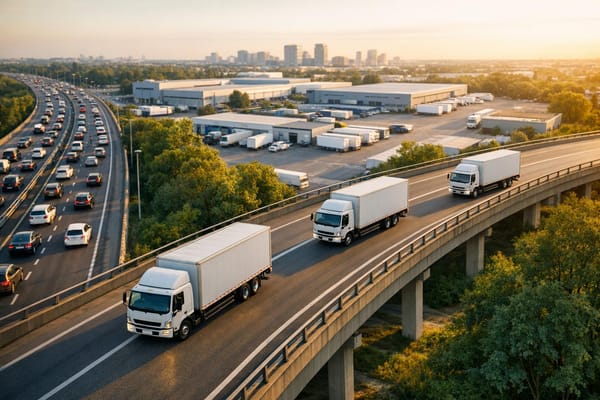
In the UK, traditional vehicles remain the backbone of last-mile delivery logistics, offering unmatched dependability and versatility across a variety of routes. From compact vans navigating London's tight streets to larger lorries handling suburban deliveries, vehicles provide the capacity and adaptability needed to meet diverse delivery demands.
Vehicle Delivery Benefits
One of the biggest strengths of delivery vehicles is their ability to carry a substantial number of packages in one trip. Unlike drones, which are typically limited to delivering single items, a standard delivery van can transport dozens, even hundreds, of packages at once. This scalability helps reduce costs by spreading operational expenses over multiple deliveries.
Thanks to the UK’s extensive road network, vehicles can reach virtually any address, regardless of how remote or urban it may be. Unlike other delivery methods, vehicles are not significantly impacted by regulatory restrictions or weather conditions. They are also versatile enough to handle a wide variety of package sizes and weights, from small envelopes to bulky household appliances, all in a single route.
Emerging technologies, like autonomous vehicles, are already being trialled in the UK. These advancements promise to lower labour costs and enable 24/7 delivery operations. As these technologies develop further, vehicle-based delivery will continue to adapt and improve.
Adding to these benefits, telematics technology is transforming traditional fleets into smarter, more efficient systems.
Improving Vehicle Operations with Telematics
Modern telematics technology takes the inherent advantages of vehicles and boosts them with enhanced operational efficiency. Similar to the seamless data integration used in drone logistics, advanced telematics connects vehicles in real time, creating smarter delivery networks.
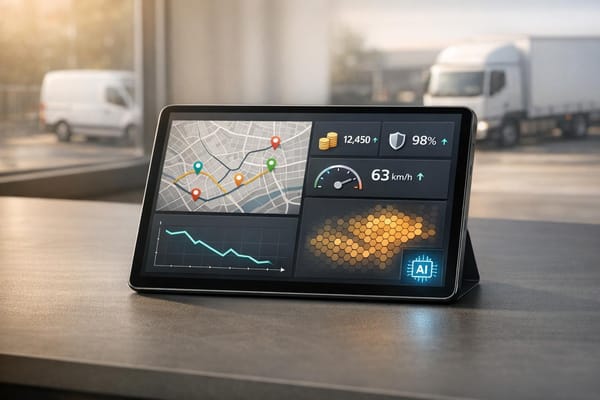
Real-time tracking is at the heart of effective fleet management. With systems like GRS Fleet Telematics, managers can monitor vehicle locations, speeds, and routes continuously. This visibility allows for quick responses to traffic disruptions, route changes, or unexpected stops, ensuring deliveries stay on schedule.
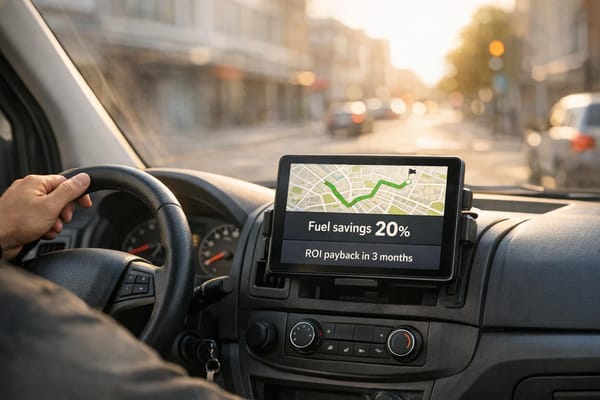
Telematics also optimises routes by analysing factors like traffic conditions, delivery deadlines, and vehicle capacity. For instance, a UK courier company that adopted GRS Fleet Telematics across its fleet reported a 15% drop in fuel costs and a 20% increase in on-time deliveries within six months.
Beyond tracking, GRS Fleet Telematics offers dual-tracker technology with a 91% recovery rate for stolen vehicles, driver behaviour monitoring, and even immobilisation capabilities to remotely disable vehicles in the event of theft. These features enhance security and streamline operations.
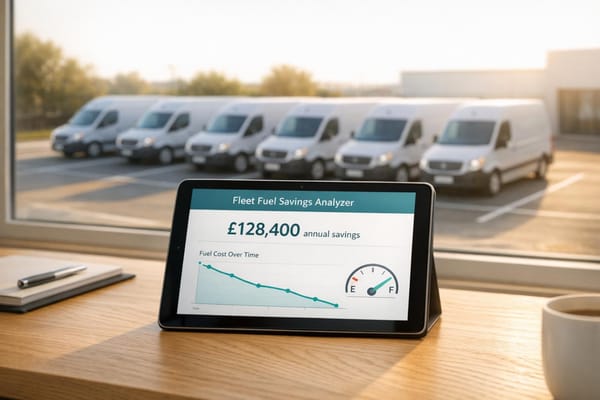
Fleet analytics provide detailed insights into fuel consumption, maintenance needs, and performance metrics, allowing businesses to make informed decisions. Reports suggest that UK companies using telematics can cut fuel costs by up to 30% while improving fleet efficiency significantly.
What’s more, the affordability of telematics makes these benefits accessible to businesses of all sizes. GRS Fleet Telematics offers tracking solutions starting at just £7.99 per vehicle per month, with hardware available for as little as £35. Free installation is also available when paired with fleet branding services, making it easier for small businesses to access enterprise-level management tools.
Real-Time Data Sharing Between Drones and Vehicles
The efficiency of last-mile delivery gets a significant boost when drones and vehicles work together as a connected network. At the heart of this collaboration lies real-time data sharing, which acts as the digital glue enabling these two delivery methods to complement each other. This system builds on earlier telematics advancements, combining the speed and flexibility of drones with the durability and capacity of vehicles.
How Data Enhances Coordination
By continuously sharing information like location, capacity, and status, delivery fleets form an intelligent, adaptable network. For instance, if a delivery van gets stuck in heavy M25 traffic, the system can quickly reassign urgent parcels to a drone while rerouting the van to handle bulkier, less time-sensitive deliveries. This ensures that lightweight and critical packages reach their destinations without delay, while the van continues its journey with the remaining load.
A 2023 study conducted by Coventry University found that real-time data sharing can reduce delivery times by as much as 28% compared to traditional single-mode operations. Centralised fleet management systems, powered by advanced telematics, play a key role in this setup. These systems collect and process data from all delivery assets, providing dispatchers with a comprehensive view of operations. For example, GRS Fleet Telematics offers features like real-time GPS tracking, dual-tracker security, and detailed fleet analytics, all of which support seamless integration within a multimodal delivery network.
Challenges of Data Sharing in the UK
While the benefits of data sharing are clear, implementing such systems in the UK comes with its own set of challenges.
Data privacy regulations, such as the General Data Protection Regulation (GDPR) and the Data Protection Act 2018, impose strict requirements on how personal data - like customer addresses and delivery details - is handled. Companies must ensure this information is processed securely, transparently, and within legal boundaries. This involves categorising data carefully, enforcing stringent access controls, and maintaining detailed audit trails.
Infrastructure limitations also present obstacles. In rural areas, patchy 5G and broadband coverage can delay data transmission, disrupting real-time coordination. Additionally, the absence of standardised drone charging and landing stations further hampers operations.
Another issue is interoperability barriers. Different manufacturers often use proprietary software and incompatible data formats, making it difficult to create unified management platforms. Without industry-wide communication standards, companies are forced to develop custom integration solutions, which can be both complex and costly - particularly for smaller operators.
To overcome these hurdles, businesses need to invest in robust digital infrastructure, adopt open data standards, and leverage advanced telematics solutions like those offered by GRS Fleet Telematics. Focusing on data security, regulatory compliance, and adaptable technology will allow companies to unlock the full potential of a coordinated drone-vehicle delivery network.
Drones vs Vehicles: Direct Comparison
Making the right choice between drones and vehicles for last-mile delivery requires a clear understanding of their distinct strengths and limitations. Each option shines in different scenarios, and the decision often hinges on specific business needs and delivery conditions.
When it comes to speed and efficiency, drones have a clear edge. They can bypass traffic and take direct routes, significantly cutting down delivery times. Vehicles, on the other hand, may face delays in urban traffic but offer consistent performance regardless of weather or flight restrictions. This reliability makes them a dependable choice across various conditions.
Payload capacity is another area where the two differ greatly. Vehicles can carry large quantities - sometimes hundreds of packages - making them ideal for bulk deliveries across multiple stops. In contrast, drones are limited to lightweight items, such as documents, medicines, or small electronics, due to their strict weight restrictions. This capacity difference often determines their role in logistics.
The environmental impact of each method depends on the delivery context. Drones are much more energy-efficient per package, consuming up to 94% less energy compared to vehicles. However, for bulk deliveries, vehicles - especially electric vans - become more eco-friendly as emissions are spread across multiple packages in a single trip.
Cost considerations add another layer to the decision-making process. Drones are cost-effective for low-volume, urgent deliveries due to automation and lower labour costs. Vehicles, however, become more economical for bulk deliveries, as operational expenses are distributed across a larger number of packages. The table below summarises these key factors:
Comparison Table
| Factor | Drones | Vehicles (Vans) |
|---|---|---|
| Speed | High (direct routes, avoids traffic) | Moderate (affected by traffic, limits) |
| Payload Capacity | Low (under 5 kg per trip) | High (hundreds of packages per trip) |
| Cost per Delivery | Lower for lightweight, urgent items | Cheaper for bulk deliveries |
| Environmental Impact | Low emissions per package | Better for bulk deliveries |
| Regulations | Strict CAA rules, airspace limits | Established road laws, congestion fees |
| Geographic Suitability | Ideal for rural and congested areas | Works across all terrains |
| Security Features | GPS tracking, theft risk | Advanced telematics, 91% recovery rate |
| Weather Sensitivity | High (affected by wind, rain, fog) | Low (operates in most conditions) |
| Data Integration | Essential for flight coordination | Mature telematics with route tools |
Security and tracking is another area where vehicles hold an advantage. Advanced telematics systems, such as those from GRS Fleet Telematics, offer dual-tracker technology and boast a 91% recovery rate for stolen vehicles. These systems are available from as little as £7.99 per month and provide robust fleet monitoring. Drones, while equipped with GPS tracking and geofencing, are more vulnerable to theft, technical malfunctions, and adverse weather.
Regulatory challenges also differ for each method. Drones must comply with stringent UK Civil Aviation Authority rules, including no-fly zones and operator certification, which can limit their use in urban areas or near airports. Vehicles, while subject to road laws and congestion charges in cities like London, operate within a more established framework.
In terms of geographic suitability, drones excel in rural or hard-to-reach locations where road infrastructure is limited. They also perform well in congested urban areas where aerial routes can save time. Vehicles, however, are more versatile, handling varied terrains, weather conditions, and larger volumes of packages across most UK regions.
The Future of Combined Delivery Systems
The next chapter in last-mile delivery revolves around hybrid systems that blend drones, vehicles, and advanced data-sharing platforms. Instead of treating these technologies as separate or competing, UK businesses are discovering that combining them leads to greater efficiency, reduced costs, and improved customer satisfaction. This approach also opens the door to better coordination through advanced telematics and data-sharing capabilities.
Research from MIT highlights the potential of truck-drone systems, showing they can cut delivery tour times by up to 80% and reduce costs by up to 60% compared to traditional methods. These savings come from a clever system where vans launch drones to handle lightweight parcels while continuing their routes, picking up the drones at prearranged points.
For this to work smoothly, real-time data sharing is critical. It enables dynamic route adjustments, quick responses to traffic issues, and accurate tracking of assets. By building on the data platforms already discussed, businesses can create the backbone of future hybrid systems. This is where experienced telematics providers become key allies for UK companies.
Take GRS Fleet Telematics as an example. Their dual-tracker technology and an impressive 91% recovery rate for stolen vehicles offer a solid layer of security for delivery operations. At just £7.99 per month per vehicle, their tracking and analytics platform provides the real-time visibility needed to manage mixed fleets efficiently.
To maximise these benefits, UK businesses need a structured, data-focused strategy. Starting with telematics integration ensures that every vehicle is properly tracked and monitored. Essential metrics to watch include delivery time per parcel, cost per delivery, energy usage, and asset utilisation rates. These indicators form the foundation for refining and enhancing hybrid delivery systems.
Regulatory compliance is another vital factor. As the UK's aviation and transport regulations evolve, businesses with strong data-sharing systems and established telematics partnerships will be better equipped to adapt and benefit from changes that further enable drone use in commercial delivery.
The environmental upside is also worth noting. Hybrid systems allow businesses to assign parcels to the most efficient delivery method, significantly cutting fuel use, emissions, and road congestion. This aligns with growing sustainability goals and positions companies well as stricter environmental rules and eco-conscious consumer demands gain momentum.
With advancements in AI-powered route planning and battery technology on the horizon, the connection between telematics platforms and drone management systems will only strengthen. UK businesses that invest in robust data-sharing frameworks now will lead the way in this logistics transformation, offering faster, greener, and more cost-effective delivery solutions to their customers.
FAQs
How do drones and vehicles work together to improve last-mile delivery?
Drones and vehicles work hand in hand in last-mile delivery, leveraging their individual strengths to streamline the process. Vehicles, like vans, are perfect for carrying larger loads over long distances, while drones shine when it comes to reaching remote or tricky locations quickly.
By sharing data, these two delivery methods can operate in harmony. For instance, vehicles can act as mobile hubs, dispatching drones to handle the last stretch of delivery in areas that are hard to navigate by road. This not only cuts down on delivery time but also lowers fuel use, making the process both more economical and environmentally friendly.
For businesses managing fleets, tools like GRS Fleet Telematics take efficiency to the next level. Using advanced tracking technology, companies can optimise routes, boost security, and ensure prompt deliveries - all while integrating drones into their delivery systems for a smarter, more connected network.
What are the key challenges of using drones for last-mile delivery in the UK?
Drones are creating buzz in the world of last-mile delivery, but in the UK, there are a few hurdles to address. Meeting regulatory requirements is a top priority, as drones must comply with the Civil Aviation Authority (CAA) rules. These include strict guidelines on flying in urban areas and maintaining safe distances from airports.
Then there's the challenge of the UK's unpredictable weather. Rain, high winds, and sudden shifts in conditions can interfere with a drone's performance and safety, making consistent operations tricky.
Another limitation is payload capacity. Most drones are designed to carry only small, lightweight packages, which makes them impractical for larger or heavier deliveries. Lastly, integrating drones with traditional vehicles is essential for a smooth delivery process. This is where advanced systems like telematics come into play, enabling better data sharing and improving overall logistics efficiency.
How does sharing real-time data improve the coordination of drones and vehicles in last-mile delivery?
Real-time data sharing plays a crucial role in improving coordination between drones and vehicles during last-mile delivery. By enabling smooth communication and dynamic route adjustments through live GPS tracking, it helps minimise delays and boosts overall efficiency.
It also enhances the ability to monitor delivery progress and ensure fleet security. For instance, systems like GRS Fleet Telematics provide advanced tracking tools that help UK businesses optimise their operations while ensuring reliability and maintaining robust security measures.