Checklist for Choosing Driver Monitoring Trackers
Checklist to choose UK driver monitoring trackers: features, GDPR compliance, costs, scalability and provider reliability to improve fleet safety and savings.
Driver monitoring trackers help UK fleets improve safety, reduce costs, and protect assets by providing real-time data on location, speed, and driver behaviour. The right system can reduce accidents by 54%, lower insurance premiums by 30%, and improve theft recovery rates to 91%.
Key Steps to Choose the Right Tracker:
- Define Your Fleet’s Needs: Focus on safety, fuel savings, or theft prevention.
- Monitor Key Behaviours: Track speeding, harsh braking, idling, and acceleration.
- Ensure Scalability: Pick a system that grows with your fleet and integrates with existing tools.
- Focus on Features: Real-time alerts, dual tracking, and geofencing are must-haves.
- Check Compliance: Ensure GDPR adherence and proper data handling.
- Evaluate Costs: Balance hardware, subscriptions, and installation fees.
- Verify Provider Reliability: Look for proven recovery rates, support, and customer feedback.
Quick Comparison
| Feature | Basic Tracker (£35) | Enhanced Tracker (£79) | Ultimate Tracker (£99) |
|---|---|---|---|
| Real-Time Tracking | ✔️ | ✔️ | ✔️ |
| Dual Tracking | ❌ | ✔️ | ✔️ |
| Immobilisation | ❌ | ❌ | ✔️ |
| Monthly Fee (£7.99) | ✔️ | ✔️ | ✔️ |
| Insurance Savings | Low | Medium | High |
Choose a tracker that aligns with your fleet’s requirements, ensures compliance, and offers reliable support. Systems like GRS Fleet Telematics provide competitive pricing and strong recovery rates, making them a smart choice for UK businesses.
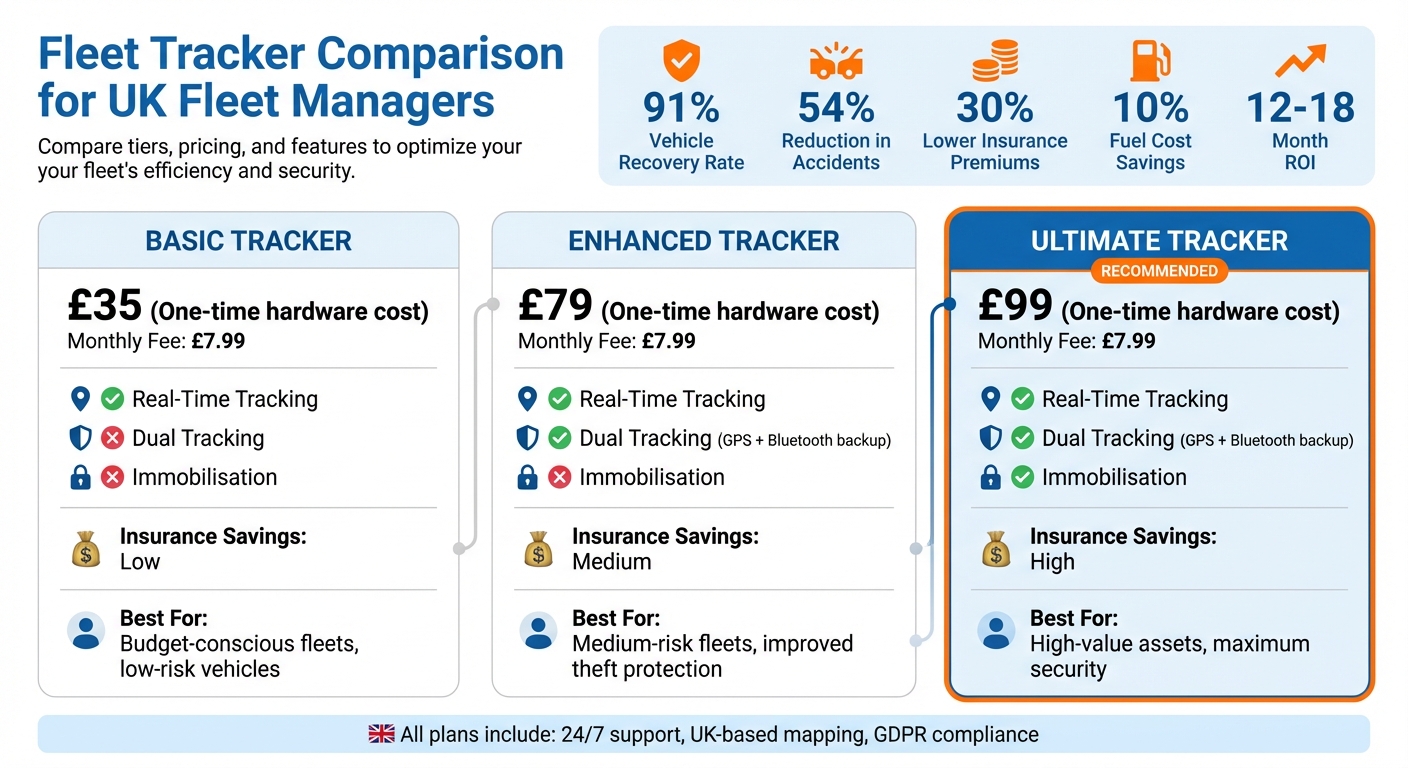
UK Fleet Tracker Comparison: Basic vs Enhanced vs Ultimate Features and Pricing
AI Dashcam Driver Monitoring System Overview - Safety & Efficiency for Fleets
Identify Your Fleet's Requirements
Start by understanding what your fleet needs the most. Are you prioritising safety, cutting fuel costs, protecting assets, or preventing theft? Your operational goals will guide you in choosing the features that matter most.
List the Behaviours You Need to Monitor
Key driver behaviours to keep an eye on often include speeding, harsh braking, rapid acceleration, and excessive idling. Speeding and harsh braking not only increase the risk of accidents but can also lead to higher maintenance costs. On the other hand, excessive idling wastes fuel and may cause unnecessary engine wear. Modern tracking systems use advanced analytics to highlight these risky habits, making it easier to coach drivers and even reduce insurance costs. Detailed reports on idling and fuel consumption can also reveal inefficiencies that, when addressed, can save money.
Focus on behaviours that align with your industry's goals. If safety is your main concern, choose a system that flags speeding and aggressive driving. If fuel efficiency is a priority, look for one that tracks idling and abrupt acceleration. Real-time alerts can make immediate driver coaching possible, helping to improve habits on the spot.
Additionally, ensure your system is flexible enough to evolve alongside your fleet.
Check Scalability and System Compatibility
Opt for a tracker that can expand as your fleet grows. Scalable solutions allow you to manage everything from a small number of vehicles to a large, growing fleet - all through a single dashboard.
Make sure the system works with all types of vehicles in your fleet. Many solutions integrate features like seatbelt detection, run-hour monitoring, and RFID driver identification to create comprehensive driver profiles, regardless of vehicle type.
Compatibility with existing systems is also key. Look for trackers that can integrate with tools like fuel monitoring, route planning, and maintenance scheduling. Advanced solutions combine GPS, dash cams, and telematics into unified reports, linking vehicle health, speed, and fuel usage with route optimisation to streamline fleet management.
Features to Look for in Driver Monitoring Trackers
Once you've outlined your fleet's specific needs, it's time to focus on the features that can improve safety and streamline operations. The right tools can help you better manage driver behaviour, safeguard assets, and handle incidents effectively - all while cutting down on accidents and operational expenses.
Real-Time Alerts and Monitoring
Quick responses are only possible when you're alerted immediately. Real-time notifications are vital for addressing issues like speeding, geofence breaches, or risky driving behaviours as they happen - not hours later. Systems that provide updates every 30–60 seconds allow for swift corrective action.
For speed alerts, set thresholds slightly above the limit - around 3–5 mph over (e.g. 33 mph in a 30 mph zone) - to minimise false alarms. Similarly, geofence boundaries should be defined within 50–100 metres, with alerts triggering reliably within 2–3 minutes.
Security Features
Protecting your fleet from theft requires a multi-layered approach. Dual-tracker systems that pair a hardwired GPS tracker with a discreet Bluetooth backup ensure continuous monitoring, even if the main tracker is tampered with. Real-time tamper alerts provide immediate warnings if someone attempts to interfere with the device.
For vehicles that are particularly valuable or at higher risk, immobilisation features add an extra layer of control. Look for systems certified under Thatcham S5 or S7 standards - these often include driver recognition capabilities and may even help lower your insurance costs. Many modern trackers can also store detailed journey and behaviour data for at least 100 days, offering valuable insights into driver performance and vehicle usage.
UK-Based Mapping Accuracy
For fleets operating in the UK, detailed postcode-accurate tracking is a must. Dual-frequency GPS (L1 and L5) ensures consistent connectivity, even in challenging areas like city centres or roads lined with trees. This level of accuracy allows you to link driver actions - such as harsh braking or speeding - to specific road types and speed limits, whether it's a 30 mph urban street or a 70 mph motorway.
Accurate mapping also improves overall efficiency. By knowing exactly where your vehicles are and how they're moving, you can optimise routes, cut down on fuel usage, and avoid unnecessary detours. Ensure your system is tailored to UK standards, including DD/MM/YYYY date formats and 24-hour time displays, for consistent and clear reporting across your team.
Check Compliance and Security Standards
Compliance isn't just about following rules - it's about protecting your business from fines and ensuring your drivers' privacy is respected. With UK GDPR violations potentially costing up to £17.5 million or 4% of annual turnover (whichever is higher), the stakes are high. A good tracking system should help you meet these requirements without adding unnecessary complexity.
GDPR and Data Protection Requirements
When it comes to monitoring, handling driver data responsibly is non-negotiable. Under UK GDPR, you're only allowed to collect the data necessary for purposes like route planning or safety monitoring. If your tracking system poses a high privacy risk, a Data Protection Impact Assessment (DPIA) is mandatory. Features like a 'privacy button' or automated timers that stop tracking after working hours can help reduce privacy concerns.
It's also essential to have a clear policy that explains what data is collected, why it's needed, how long it will be stored, and who has access to it. For grey fleet vehicles, make sure to obtain written consent before tracking begins. Additionally, records like vehicle defect reports must be kept for at least 15 months to comply with UK regulations.
UK Regulatory Compliance
Staying compliant with broader regulations is equally important. Your tracking system should align with DVSA and tachograph laws for heavy goods vehicles and distinguish between business and private mileage for HMRC reporting.
The Information Commissioner's Office (ICO) actively enforces data protection laws and can issue steep fines for violations. Conducting regular audits ensures you're keeping up with evolving rules. If you want to go the extra mile, the Fleet Operator Recognition Scheme (FORS) offers voluntary accreditation to show your commitment to safety and compliance.
| Regulatory Body / Standard | Compliance Requirement | Key Focus Area |
|---|---|---|
| ICO (UK GDPR) | Data Protection Impact Assessment (DPIA) | Privacy and data security |
| DVSA / VOSA | Tachograph and maintenance records | Road safety and driving hours |
| HMRC | Business vs. private mileage logs | Tax and benefit-in-kind liability |
| FORS | Voluntary accreditation | Best practice in safety and efficiency |
Third-Party Certifications
Certifications from independent organisations can give you added confidence in your chosen tracker. For example, Cyber Essentials certification confirms that the provider has basic cybersecurity measures in place to defend against common threats. ISO 9001 certification signals strong quality management practices. For added security, some systems offer dual-tracker technology, which combines a wired GPS tracker with a hidden Bluetooth backup to ensure uninterrupted tracking even if tampered with.
These measures are critical when choosing a tracker that prioritises security and regulatory compliance.
Compare Pricing and Hardware Options
Getting a clear understanding of pricing and hardware options is key when choosing a fleet tracking system. These systems generally come with three main costs: upfront hardware expenses, monthly subscription fees, and installation charges. It's important to look for transparent pricing to avoid surprises.
Understand the Cost Breakdown
The cost of hardware depends on the level of security your fleet needs. At GRS Fleet Telematics, there are three tiers designed to suit different risk levels:
- Essential tracker (£35): Offers real-time tracking, perfect for fleets on a budget.
- Enhanced tracker (£79): Adds dual-tracker technology with Bluetooth backup for better theft protection.
- Ultimate tracker (£99): Includes both trackers and immobilisation features, ideal for safeguarding high-value assets.
All these options come with a £7.99 monthly subscription, which covers SIM data, platform access, and account management - without hidden extras.
For installation, professional hardwiring typically costs between £40 and £120 per vehicle. However, if you're comfortable with DIY, plug-and-play OBD-II trackers can save you this expense. GRS Fleet Telematics also provides free installation when bundled with fleet branding services through GRS Fleet Graphics, which can be a cost-effective choice for larger fleets. Be sure to clarify what the subscription fee includes.
Once you've reviewed the costs, consider whether the system meets your fleet's performance and security needs.
Assess Value for Money
After breaking down the costs, it's time to evaluate the return on investment. The £7.99 monthly subscription is competitively priced. For context, basic licence monitoring typically costs £4–£6 per month, while advanced systems with in-cabin cameras range from £12–£24 per month. Assess whether features like the dual-tracker system justify the price, especially when similar systems from other providers often charge £16–£32 per month.
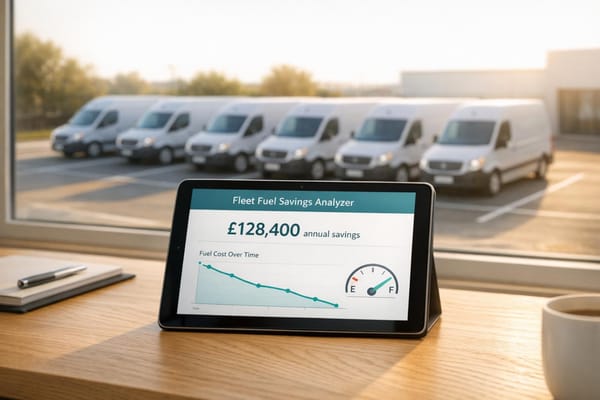
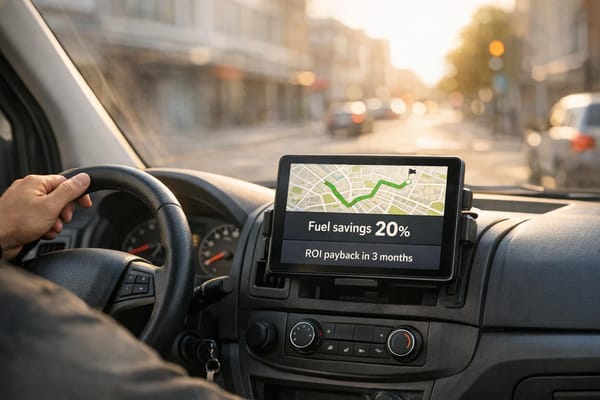
Most fleets see a return on investment within 12 to 18 months through lower insurance premiums, fewer accidents, and reduced compliance fines. Pay-per-recovery models also help by eliminating upfront recovery fees, reducing financial risks. Additionally, monitoring tools can cut fuel costs by around 10% by identifying issues like theft and inefficient driving behaviours.
Evaluate Provider Reliability and Support
When choosing a telematics provider, it's crucial to ensure they offer consistent performance and reliable support. The effectiveness of your system hinges on the provider's track record and their ability to respond promptly to your needs.
Review Track Record and Client Feedback
Seek out providers with a solid history in the UK fleet market. For example, GRS Fleet Telematics has over 35 years of experience in the industry and is trusted by thousands of UK businesses in sectors like construction, logistics, delivery, and service maintenance. Their longevity highlights their ability to adapt to technological advancements and regulatory changes. A standout statistic is their 91% recovery rate for stolen vehicles, showcasing real results beyond mere promises. To get a clearer picture, review testimonials from businesses with similar fleet needs to understand their experiences.
Check Customer Support and Installation Services
Reliable customer support is non-negotiable. Ensure the provider offers 24/7 assistance, especially for urgent situations, and has emergency response services that work directly with authorities for vehicle recovery. For hardwired trackers, confirm that installations are carried out by accredited or Thatcham-approved engineers to meet insurance requirements and ensure long-term reliability. Installation costs typically range between £50 and £150 per vehicle, but some providers may offer bundled deals to reduce expenses. Additionally, review the service-level agreement (SLA) to understand uptime guarantees and response times for support.
Confirm Scalability for Fleet Growth
A good telematics system should grow effortlessly with your fleet. GRS Fleet Telematics, for instance, operates on a SaaS model with a straightforward £7.99 monthly fee per vehicle. This pricing structure makes it easy to add vehicles without worrying about hidden charges. The system also supports API integrations, allowing you to automate driving event data and display it in your backend systems as your operations expand. For larger organisations, white-label options enable rebranding of the platform for internal use, adding another layer of flexibility. With 93% of customers now expecting visibility into their delivery journeys, scalable solutions are increasingly important as your fleet evolves.
Conclusion
When it comes to selecting the right driver monitoring tracker, the key is aligning the system with your fleet’s specific needs, compliance requirements, and long-term objectives. Start by determining the behaviours you need to keep an eye on. For high-value assets, features like dual-trackers and immobilisation are essential, while lower-risk vehicles might only need real-time tracking basics. Customise settings like geofencing and speed thresholds to reflect UK road conditions and your daily operations.
Compliance is non-negotiable. Make sure your system adheres to UK GDPR regulations by tracking only during work hours, informing drivers about monitoring, and using UK-standard formats (like DD/MM/YYYY and 24-hour clocks). Data retention policies should strike a balance between operational efficiency and respecting privacy.
Once your setup meets operational and compliance standards, shift your focus to the reliability of your provider. This is where companies like GRS Fleet Telematics stand out. With a 91% recovery rate and round-the-clock support, they offer peace of mind in case of theft or technical issues. Their pricing is straightforward - £7.99 per vehicle per month - and professional installation is included if you opt for their fleet branding services, making it easier to scale as your fleet grows.
Before committing, take 10–15 minutes to test the system. Check for real-time updates (every 30–60 seconds) and confirm that alerts are triggered correctly. Establish clear policies that prioritise monitoring overall behaviour trends rather than micromanaging individual trips. This approach builds trust with drivers while improving safety and efficiency.
The right tracker can deliver measurable benefits, from 15–35% fuel savings to reduced insurance premiums, thanks to Thatcham-approved features and 24/7 recovery support. For UK fleet managers, choosing a platform tailored to British businesses isn’t just about compliance - it’s about protecting your assets and improving operational performance in a meaningful way.
FAQs
How do I choose the right tracker tier for each vehicle?
To choose the best tracker tier for your vehicle, start by assessing its security requirements, intended use, and level of risk. If you only need basic tracking, entry-level options should suffice. However, for vehicles that are high-value or at greater risk, advanced features like dual-tracker systems or remote immobilisation might be necessary. Be sure to align your choice with your budget, factoring in both the initial hardware costs and ongoing monthly fees, to strike the right balance between affordability and functionality.
How can I track drivers without breaching UK GDPR?
To monitor drivers while staying within the bounds of UK GDPR, fleet managers should prioritise the following:
- Inform drivers: Clearly communicate what data is being collected, why it’s being collected, and how it will be used.
- Obtain consent or establish a legal basis: Either secure explicit consent from drivers or rely on a legitimate interest that justifies the data collection.
- Ensure data security: Use robust measures to protect collected data and set clear limits on how long it is retained.
By being upfront and safeguarding personal information, managers can achieve effective tracking without infringing on drivers' privacy rights, all while adhering to UK GDPR requirements.
What ROI should I expect and how soon?
The return on investment (ROI) from driver monitoring systems often starts to show within 3 to 6 months, depending on how the system is used and its specific features. These systems help fleets cut down on accidents, reduce fuel consumption, lower maintenance expenses, and improve compliance. By identifying and addressing risky behaviours such as speeding or harsh braking, fleets can enhance safety and save money in a short period. Plus, real-time data insights make it easier to take proactive steps to correct issues before they escalate.