How Driver Incentives Cut Fleet Fuel Costs
Cut fleet fuel costs 5–15% by combining driver incentives, eco-driving training and telematics to reduce idling, harsh driving and improve MPG.
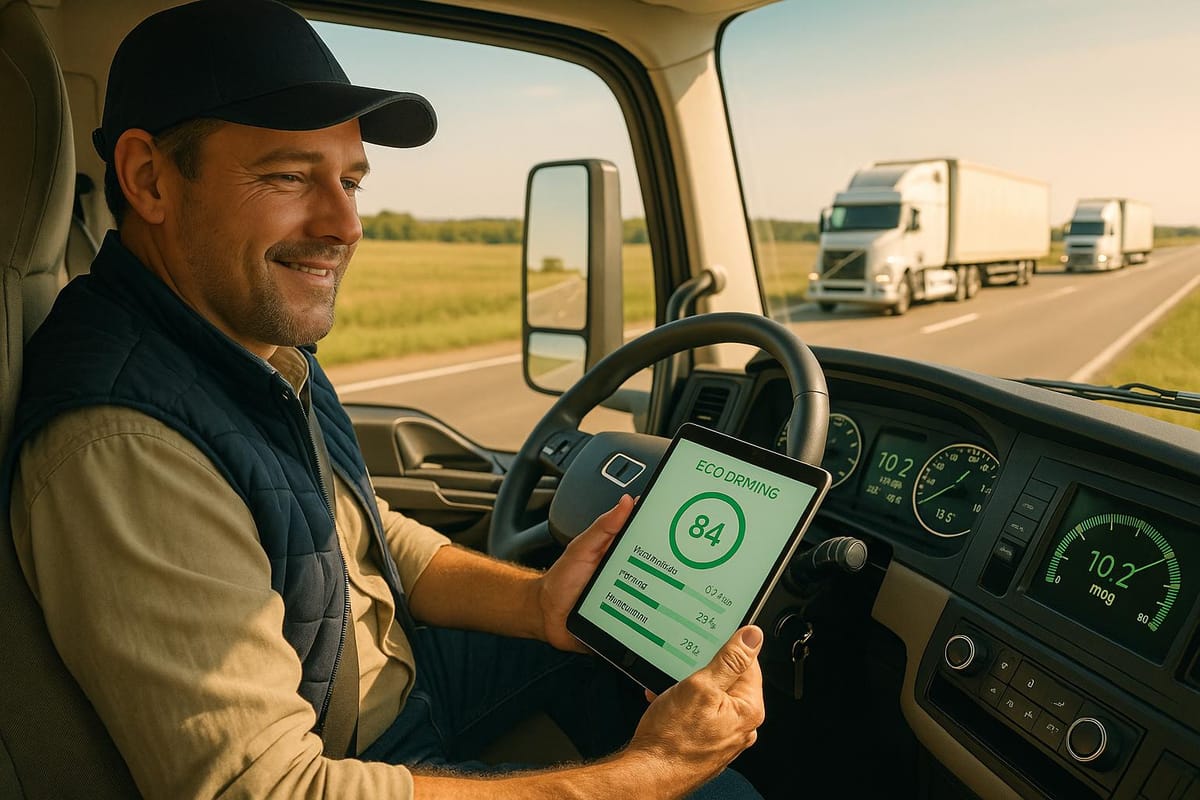
Fuel costs are one of the biggest challenges for fleet managers, with driver behaviour playing a critical role in fuel consumption. Harsh acceleration, excessive idling, and speeding can increase costs significantly. However, offering driver incentives tied to fuel-efficient habits can lead to measurable savings, often between 5% and 15%.
Key takeaways:
- Smooth driving can cut fuel use by up to 15%.
- Reducing idling saves hundreds of litres of fuel annually.
- Eco-driving training boosts savings by another 5–10%.
- Telematics systems provide real-time feedback, helping drivers improve and managers track progress.
Take Control of Your Fleet's Fuel Usage: Getting Started with True Fuel
How Driver Behaviour Affects Fuel Costs
How drivers handle vehicles has a bigger impact on fuel consumption than the make or model of the vehicle itself. Aggressive habits like harsh acceleration, excessive idling, and speeding all contribute to higher fuel usage compared to smoother, more controlled driving. Across an entire fleet, these behaviours can waste significant amounts of fuel, adding up to thousands of pounds in annual costs.
Take excessive idling as an example - it’s one of the most fuel-wasting actions. Contrary to popular belief, restarting an engine uses less fuel than keeping it idling for long periods. A UK construction company addressed this issue in 2024 by analysing telematics data to pinpoint idling patterns. By reducing idling time by 30%, they saved over £20,000 in fuel costs in just one year. They achieved this by working closely with drivers to eliminate unnecessary idling during downtime, proving that small changes can lead to big savings.
Another costly habit is harsh acceleration and rapid braking. These behaviours force engines to work harder, burning through more fuel. Speeding also plays a role, as it increases aerodynamic drag, making the engine work even harder. Beyond fuel costs, these driving habits accelerate wear and tear on critical components like tyres, brakes, and engines, leading to higher maintenance expenses.
The financial impact doesn’t stop at the pump. Poor driving behaviours also contribute to safety risks, increase insurance claims, and shorten the lifespan of fleet vehicles. For fleet managers, addressing these habits is about more than just saving on fuel - it’s about safeguarding the overall budget. The next sections break down these savings and explore how incentives can reshape driver habits.
Calculating Fuel Savings from Better Driving
Improving driving habits can lead to substantial, measurable savings. For instance, smoother driving can reduce fuel consumption by up to 15%. Many businesses report fuel savings of 5–10% within months of introducing eco-driving training programmes. Even a modest 5% reduction can save thousands of pounds annually for a fleet.
To put this into perspective, a fleet that spends £100,000 annually on fuel could save £10,000 with a 10% improvement in driver behaviour. For a larger fleet with a £500,000 fuel budget, an 8% saving translates to £40,000. These figures aren’t hypothetical - they reflect real-world results achieved by businesses that have implemented driver training programmes.
For example, Con-way Transportation (now XPO Logistics) achieved a 12% reduction in fuel costs by introducing a driver training programme focused on fuel-efficient practices. Their comprehensive training taught drivers practical methods to lower fuel consumption, showing that double-digit savings are within reach for fleets willing to invest in behaviour change.
Even small adjustments, like cutting idle time, can lead to significant savings. Reducing idle time by just 10 minutes per driver each day can save hundreds of litres of fuel annually. For a fleet of 20 vehicles, this small change can add up to considerable yearly savings. Additionally, driver coaching technology can improve fuel economy by as much as 15%.
| Driving Behaviour Impact | Fuel Consumption Effect | Annual Savings Potential (5-vehicle fleet) |
|---|---|---|
| Smooth acceleration and deceleration | Reduces consumption by up to 15% | £3,000–£9,000 |
| Reducing excessive idling | Saves hundreds of litres annually | £500–£2,000 |
| Eco-driving training adoption | 5–10% savings within months | £2,500–£5,000 |
| Driver coaching technology | Up to 15% fuel economy improvement | £3,000–£9,000 |
| Reducing harsh braking | Extends brake life and reduces fuel waste | £1,000–£3,000 |
Beyond fuel savings, better driving habits reduce wear and tear, lower maintenance costs, and even cut insurance premiums. Using telematics data to track baseline fuel consumption and monitor improvements over time provides a clear return on investment. This data-driven approach can justify the cost of training programmes while demonstrating measurable progress.
How Incentives Change Driver Behaviour
Incentives can be a powerful motivator for encouraging efficient driving. When drivers see the personal benefits of their efforts - whether through recognition, rewards, or cost savings - they’re more likely to adopt and maintain fuel-efficient habits.
Gamification is particularly effective. By introducing friendly competition, such as leaderboards tracking fuel efficiency, drivers become motivated to achieve top scores. This taps into their natural competitive instincts, making fuel efficiency a personal challenge rather than just a management goal.
Transparency is essential for building trust and engagement. Sharing fuel efficiency goals and explaining how smooth driving reduces wear and extends vehicle lifespan helps drivers understand their role in achieving these outcomes. When efficiency becomes a shared objective rather than a directive from management, it fosters a sense of teamwork and accountability.
Real-time feedback from automated systems often works better than traditional manager-led evaluations. Drivers tend to respond more positively to objective data than to subjective feedback from supervisors. For instance, if telematics data shows a driver idling excessively, the information can be used for targeted coaching without creating unnecessary tension.
Small, frequent rewards are more effective for maintaining long-term behaviour change than one-off bonuses. Monthly recognition for the most improved MPG, small cash incentives, or vouchers for top performers can keep drivers engaged. Competitions between depots or teams also add a fun, collaborative element. To ensure sustained improvement, it’s crucial to reward effort as well as results - this encourages drivers to stay motivated even when conditions are challenging.
How to Design a Driver Incentive Programme
Creating a driver incentive programme that works starts with setting clear, measurable goals. The programme should align with your fleet's objectives and motivate drivers towards fuel-efficient habits. Without clear targets, measurable metrics, and rewards that resonate, even a well-thought-out plan may fall short.
The key is understanding your fleet's current performance and defining what success looks like. This means collecting baseline data, setting achievable targets, and offering rewards that drivers genuinely value. Communication is just as important - drivers need to know what’s expected of them and, more importantly, why it matters to them personally.
Here’s a step-by-step guide to building a programme that delivers real fuel savings.
Setting Goals and Performance Metrics
Start by analysing your fleet’s performance over the last three to six months using telematics data. Focus on metrics like individual driver MPG, idling time, harsh braking and acceleration, speeding incidents, and total fuel spend for each driver and vehicle.
Miles per gallon (MPG) is often the go-to metric because it’s easy to measure and directly tied to fuel efficiency. But don’t stop there - track behaviours like idling or harsh braking, which also impact fuel consumption. Once you’ve established a baseline, set realistic improvement targets. Studies show eco-driving programmes can reduce fuel use by 5–10% within a few months. For example, if your fleet averages 8.5 miles per litre, an initial goal of 8.9–9.4 miles per litre is reasonable. Avoid setting targets that are either too ambitious or too lenient, as both can demotivate drivers.
Different vehicles and routes come with unique challenges. A heavy van doing urban deliveries won’t perform the same as a lighter vehicle on motorways. Tailor your targets based on vehicle type and route characteristics. Better yet, personalise goals for each driver. For instance:
- Top performers: Aim for a 2–3% improvement.
- Mid-range drivers: Set more ambitious goals, like a 5–10% boost.
- Drivers with efficiency issues: Focus on specific behaviours, such as cutting idling time by 10 minutes per day.
This personalised approach ensures fairness and recognises individual efforts. A driver improving from 7.2 to 7.9 miles per litre deserves as much recognition as one maintaining 9.5 miles per litre, as both reflect significant effort.
Use telematics systems to track these metrics automatically. Tools like GRS Fleet Telematics provide real-time data and detailed reports, eliminating subjective evaluations and making it easier to identify trends. With clear goals in place, the next step is to choose rewards that motivate drivers to hit those targets.
Selecting Rewards for Your Fleet
Keeping drivers engaged means offering rewards that resonate. A tiered reward system works well, recognising both effort and results. For instance:
- Monthly rewards: Offer small bonuses or vouchers (£50–£100) for the most improved MPG.
- Quarterly bonuses: Provide larger incentives (£200–£500) for consistent performance.
- Team prizes: Foster camaraderie by rewarding the best-performing depot or team with a lunch or an extra day off.
Recognition matters, too. Publicly acknowledge achievements in team meetings, newsletters, or leaderboards. Friendly competitions between depots or teams can also boost morale and drive performance. For example, display depot-level results and offer team-based rewards to encourage collective responsibility.
Tailor rewards to your drivers’ preferences. Younger drivers might prefer cash bonuses or shopping vouchers, while more experienced drivers may value flexible schedules or extra holiday days. A points-based system could also work, allowing drivers to save points for larger rewards like gift cards or tech gadgets.
Consistency is key. Regular, smaller rewards keep the programme top of mind and prevent "winner fatigue", where the same people win repeatedly. For example:
- Recognise monthly improvements to keep drivers motivated.
- Offer quarterly bonuses for sustained performance.
- Celebrate annual achievements to reward overall excellence.
Don’t just reward absolute performance - acknowledge effort and progress. A driver cutting idling time by 40% should be celebrated, even if their MPG is below the fleet average. This approach ensures everyone feels included and motivated to improve.
Explaining the Programme to Drivers
Clear communication is essential for getting drivers on board. They need to understand not only the rules but also how the programme benefits them.
Start by being transparent about the objectives. Explain how fuel costs affect the company’s bottom line and job security. Highlight personal benefits like bonuses, recognition, and professional growth opportunities. While environmental goals can be mentioned, focus on what drivers gain directly.
Frame the programme as a collaborative effort. Drivers should feel like partners in reducing costs, not like they’re being monitored. Use workshops or team meetings to introduce the programme, allowing time for questions and feedback. Address concerns about fairness by explaining how external factors like vehicle maintenance or route changes will be considered.
Clearly outline the metrics being tracked - MPG, idling time, harsh braking, speeding, and eco-driving analytics. Explain how telematics data will be used to ensure fair and transparent assessments. Emphasise that the programme rewards improvement and effort, not just top performance. Share examples to illustrate this, like a new driver improving their MPG or an experienced driver maintaining high efficiency despite challenging routes.
Consider appointing driver champions to act as liaisons. They can help communicate details, address concerns, and provide feedback to refine the programme.
Finally, maintain regular communication. Share monthly updates through leaderboards, provide individual performance reports, and publicly recognise achievements. Make it easy for drivers to track their progress and see how their efforts contribute to the programme’s success. This keeps the initiative visible and reinforces the importance of efficient driving habits. By keeping drivers engaged and motivated, you’ll see lasting fuel savings and a more efficient fleet.
Using Telematics for Monitoring and Feedback
Telematics takes driver incentive programmes to the next level by turning guesswork into precise, data-driven insights. Without real-time visibility into driving habits and fuel usage, fleet managers are left to make assumptions about performance. Modern telematics systems remove this uncertainty, offering continuous and objective data that ensures fair evaluations and improves the effectiveness of incentive schemes.
These systems track specific behaviours - like harsh acceleration, excessive idling, speeding, and abrupt braking - that directly affect fuel costs. Instead of just listing these behaviours, the focus here is on how the data collected can be used to provide meaningful feedback. This feedback helps drivers see how their habits influence fuel consumption and potential rewards, creating a solid foundation for adjusting incentives and driving improvements.
Take GRS Fleet Telematics as an example. Their system combines real-time GPS, eco-driving analytics, speed monitoring, and fuel efficiency tracking. With hardware starting at £35 and a monthly fee of £7.99 per vehicle, managers gain access to continuous insights through desktop platforms and mobile apps. This ensures incentive programmes are based on measurable, reliable data rather than subjective opinions.
Using Driver Scorecards to Track Performance
Driver scorecards are a practical way to turn telematics data into actionable insights. A well-designed scorecard gives a clear snapshot of individual performance, showing drivers exactly how they measure up on key metrics tied to fuel efficiency.
Key metrics to include might be:
- Miles per gallon (MPG) achieved
- Reduction in idling time
- Incidents of harsh braking
- Smoothness of acceleration
By presenting this data in a format that allows drivers to track their progress over time - and compare it to fleet averages - scorecards help drivers identify areas for improvement without feeling judged. The transparency of telematics systems, which calculate scores automatically, eliminates any perception of bias, making drivers more likely to trust and engage with the programme.
Leaderboards add another layer of motivation. By creating a bit of friendly competition, these rankings encourage drivers to maintain fuel-efficient habits. Regular updates - whether weekly or monthly - keep the data relevant and highlight both current performance and improvement trends. For instance, a driver improving their MPG from 7.2 to 7.9 miles per litre should be recognised, even if they haven’t yet reached the fleet average.
To make scorecards even more effective, consider including multiple dimensions of performance, such as:
- Current MPG compared to personal baselines and fleet averages
- Improvement percentages over recent weeks or months
- Specific metrics, like idling time per day or harsh braking incidents per 100 miles
- Rankings within a depot or team
- Progress towards incentive targets
This multi-faceted approach ensures that drivers at all levels have clear goals to work towards. Combining individual scorecards with team-based leaderboards can also encourage camaraderie while driving performance improvements.
How Real-Time Data Maintains Driver Engagement
While scorecards provide periodic updates, real-time data keeps drivers engaged on a continuous basis. By linking driving behaviours directly to fuel savings, real-time feedback reinforces the programme’s primary goal of reducing fuel costs.
The real power of telematics lies in its ability to deliver immediate feedback. Drivers can see the impact of their actions - whether good or bad - in the moment. Unlike traditional methods that rely on delayed reports or managerial observations, real-time data allows drivers to adjust their behaviour as soon as an issue arises.
For example, if a driver receives an alert about excessive idling or harsh acceleration, they can address the issue immediately rather than waiting for a monthly review. This direct connection between actions and outcomes helps create lasting behavioural changes.
Automated feedback also removes the discomfort of direct criticism. Drivers are more receptive to self-coaching technology than to personal reprimands. Real-time alerts support incentive programmes by fostering a sense of fairness and offering objective guidance. This kind of feedback is particularly effective for addressing aggressive driving behaviours - like speeding or harsh braking - which can reduce fuel efficiency by up to 30%.
Telematics platforms often include driver-facing apps, giving individuals access to their performance data. Drivers can review their scores, track recent trips, and monitor progress towards incentive goals. This transparency not only keeps the programme top of mind but also empowers drivers to take ownership of their performance.
Fleet managers can use telematics data to provide ongoing feedback and recognition. Instead of waiting for quarterly reviews, they can acknowledge improvements as they happen. A quick message highlighting reduced idling times or consistent fuel efficiency can go a long way in motivating drivers.
Telematics also allows managers to adapt incentive programmes based on real-world data. If certain drivers aren’t responding to current rewards or if fuel savings start to plateau, the data can suggest changes to the reward structure or a focus on specific behaviours. Regular analysis of telematics reports helps identify trends, celebrate wins, and pinpoint areas for improvement.
When drivers see how their efforts translate into fuel savings and tangible rewards, they’re more likely to feel invested in the programme. This creates a sense of shared purpose, turning what might otherwise feel like a top-down directive into a collaborative effort. The transparency of data builds trust, showing drivers that the system is both fair and focused on measurable outcomes.
Real-time data also helps managers identify which drivers need extra support and which deserve recognition. Those struggling with fuel efficiency can be offered targeted training, while top performers can be celebrated as role models. This approach tailors training and rewards to individual needs, fostering a positive and supportive culture where every driver has the opportunity to improve.
Combining Incentives with Driver Training
Incentive programmes work best when paired with practical driver training. Without proper training, incentives alone won't achieve lasting results. Drivers need to learn techniques that help reduce fuel consumption, which benefits both the fleet and their own rewards.
This combination of training and incentives tackles two key areas: knowledge and motivation. Training provides drivers with the skills to drive more efficiently, while incentives encourage them to consistently apply these techniques on the road. The result? Not only do fleets save on fuel, but they also benefit from reduced maintenance costs and longer vehicle lifespans. Together, these advantages make a solid case for integrating training with incentive schemes. This approach sets the stage for the eco-driving techniques discussed next.
Eco-Driving Techniques That Reduce Fuel Use
Eco-driving training focuses on practical, actionable skills that drivers can use right away. One of the most effective techniques is smooth acceleration and deceleration. Harsh acceleration and sudden braking waste fuel and increase wear and tear on the vehicle. The Department for Transport reports that smooth driving can reduce fuel consumption by up to 15% compared to more erratic driving behaviours.
Anticipating traffic conditions is another crucial skill. Coasting - easing off the accelerator early instead of braking hard - helps save fuel and extends the life of brakes. Proper gear usage is also vital, particularly for diesel engines. Shifting up early keeps engine revs low, which reduces fuel consumption. Minimising idling is another quick win; cutting idle time by just 10 minutes a day per driver can save hundreds of litres of fuel annually. Lastly, maintaining correct tyre pressure is critical. Underinflated tyres can lower fuel efficiency by 10% and reduce tread life by 15%.
How Training and Incentives Work Together
Training provides the knowledge, but incentives ensure drivers stick to efficient habits. Drivers are more likely to adopt and maintain these habits when they understand the benefits - both for the fleet and for themselves. For example, a driver might learn in an eco-driving session that reducing harsh braking improves fuel efficiency. However, without ongoing motivation, old habits can creep back, especially under the pressures of tight schedules and heavy traffic.
This is where incentives come in. Rewarding drivers for reducing harsh braking or improving fuel efficiency helps reinforce these new habits. Gamification strategies can make this even more effective. For instance, drivers could compete for top efficiency scores, with rewards like monthly bonuses or public recognition. Many drivers also respond well to self-coaching tools, such as telematics systems that provide real-time feedback. These systems allow drivers to make corrections on the spot without feeling micromanaged, turning training into measurable improvements.
Transparency is crucial. Sharing fleet-wide fuel efficiency goals and sustainability efforts helps drivers see how their individual actions contribute to a larger success. This sense of collective achievement can be highly motivating.
GRS Fleet Telematics offers a great example of how data can bridge training and incentives. Their eco-driving analytics track key behaviours like harsh acceleration, excessive idling, and speeding. This data not only supports feedback and incentive calculations but also connects training outcomes to real-world performance improvements. With pricing starting at just £7.99 per month per vehicle, fleet managers can easily monitor progress and keep drivers engaged.
The key to long-term success is making efficiency a shared goal, not a punitive measure. Recognition programmes should celebrate both effort and results. For instance, acknowledging a driver who improves their MPG from 7.0 to 7.5 - even if they haven't yet hit the fleet average - can encourage continued progress. Telematics data can also highlight drivers who may need extra support, enabling managers to provide targeted follow-up training. This creates a positive cycle where improved skills, meaningful incentives, and data-driven feedback work together to promote fuel-efficient driving over time.
Measuring and Improving Your Incentive Programme
Once your driver incentive programme is up and running, it’s essential to measure its success and adjust based on data. Effective measurement builds on earlier telematics insights, helping you refine the programme over time. Without tracking performance, it’s impossible to justify the costs or pinpoint areas needing improvement. Thankfully, modern telematics systems make gathering this data straightforward.
Tracking Key Performance Indicators
Before launching the programme, set clear metrics to track progress. These metrics act as a baseline, giving you something to compare against. Key performance indicators (KPIs) to monitor include fuel consumption per mile, miles per gallon (MPG) improvements, driver participation rates, and reduced idling time.
- Fuel consumption per mile: Compare each vehicle’s performance to the fleet average. Even small improvements here can lead to significant savings.
- MPG improvements: A 5% improvement might not sound like much, but it can save thousands of pounds annually.
- Driver participation rates: This shows how engaged your drivers are. If only half the team is actively working toward targets, it may signal that rewards aren’t motivating enough or that goals feel unattainable.
- Idling time and driving behaviours: Monitor harsh acceleration, braking, and excessive idling. These habits waste fuel and increase maintenance costs from wear and tear on tyres, brakes, and engines.
Review these metrics monthly instead of waiting for quarterly reports. Monthly tracking allows you to identify and address issues quickly. For instance, if participation drops in the second month, you can investigate and make adjustments immediately rather than waiting another quarter to act.
Using Telematics Reports for Programme Refinement
Telematics technology offers detailed insights into driving patterns, highlighting wasteful behaviours like idling, speeding, and harsh braking. Use this data to refine your programme and tailor it to your drivers’ needs.
- Segment drivers by performance: Grouping drivers into tiers helps identify patterns that fleet-wide averages might obscure. For example, if some drivers consistently idle for extended periods, consider adjusting the incentive structure to reward reduced idling.
- Analyse routes: If certain routes consistently result in poor fuel economy, use route optimisation tools to suggest more efficient alternatives.
- Spot inefficiencies: If one depot has worse fuel efficiency than others, it could indicate a training gap or unique local challenges. Similarly, spikes in fuel consumption during rush hours might highlight the need for better scheduling.
GRS Fleet Telematics’ eco-driving analytics track key behaviours like harsh acceleration and idling, with pricing starting at just £7.99 per vehicle per month.
Transparency is key when using telematics data. Share individual performance reports with drivers so they can see areas for improvement. Many drivers respond better to data-driven feedback than verbal criticism from a manager. For instance, showing a driver how their idling time compares to the fleet average often inspires change.
Adjust incentive thresholds based on your findings. If 80% of drivers easily meet targets, those targets might be too lenient - raise them gradually to maintain a sense of challenge. On the other hand, if only 10% of drivers are hitting their targets, they may be too ambitious and risk demotivating the team. Aiming for realistic fuel savings of 5–15% through eco-driving is a common benchmark.
Recognising Success and Keeping Drivers Motivated
Recognition is as important as monetary rewards. Drivers are more likely to stick with efficient driving habits when they see how these behaviours benefit both the fleet and themselves. Communicate programme results regularly, ideally on a monthly basis.
Focus on personal achievements when sharing results with drivers. Highlight individual MPG improvements, personal fuel savings, and leaderboard rankings. This personal touch encourages drivers to stay invested in the programme. Celebrate both effort and results - for example, recognising a driver who improves their MPG from 7.0 to 7.5, even if they haven’t yet reached the fleet average, can motivate continued progress.
Small rewards like vouchers or bonuses for top performers are effective, but don’t underestimate the power of friendly competition. Team-based challenges between depots or groups can build camaraderie. Consider quarterly events to publicly acknowledge top performers - social recognition often motivates just as much as financial rewards.
For operational managers, focus on fleet-wide metrics like total fuel savings, reduced maintenance costs, and safety improvements. Visual aids like charts showing cost trends or driver rankings can make the data more compelling.
When presenting to executives or finance teams, emphasise the business impact. For example, if the fleet saves £5,000 monthly through a 10% reduction in fuel consumption, and the programme costs £1,000 per month, the net savings are £4,000. Highlight secondary benefits too, such as reduced vehicle wear, fewer accidents, and an improved corporate reputation tied to eco-friendly practices.
Monthly newsletters can keep the programme visible. Use them to highlight top performers, share fleet-wide progress, and show how savings benefit everyone. For example, if the fleet saves 10,000 litres of fuel in six months, drivers can see how their efforts contribute to a larger goal.
Avoid publicly shaming underperformers. Instead, use private conversations to offer support and coaching. Telematics data can pinpoint where a driver might need help, allowing managers to provide targeted training. This creates a positive cycle of improvement, where meaningful incentives, constructive feedback, and better skills work together.
Finally, keep the programme dynamic. Regularly review it - ideally every quarter - for signs that updates are needed. If fuel savings plateau, participation drops, or fuel prices shift significantly, adjust the programme accordingly. Many fleets report 5–10% fuel savings within months of introducing eco-driving training, but maintaining these results requires ongoing effort. By keeping the programme fresh and engaging, you’ll ensure it remains effective over the long term.
Conclusion
Lowering fleet fuel costs requires a well-rounded approach that ties together incentives, driver training, and telematics data. These elements work hand in hand: training equips drivers with fuel-efficient techniques, incentives encourage consistent application of those skills, and telematics provides the insights needed to track progress and fine-tune strategies.
For instance, smooth driving alone can reduce fuel consumption by up to 15% compared to erratic behaviours, while eco-driving training programmes have been shown to cut fuel use by as much as 20%. Even a modest improvement, such as a 5% reduction, can save fleets thousands of pounds annually. Some fleet managers in the UK who have adopted this combined strategy report fuel savings ranging from 15% to 30%.
Telematics plays a central role in achieving and sustaining these results. By offering real-time data on driving behaviours, it creates a feedback loop where insights inform training and incentives, and continuous monitoring ensures long-term efficiency. Beyond fuel savings, the advantages include reduced vehicle wear and tear, lower maintenance costs, fewer insurance claims, and a smaller carbon footprint.
To maximise these benefits, it’s essential to keep the programme dynamic. Regularly review performance metrics to identify issues early and make adjustments to targets, rewards, or training as required. Recognising both effort and results helps maintain driver engagement across all experience levels. Transparency is equally important - sharing individual and fleet-wide performance data helps drivers see their contributions and stay motivated.
Driver incentives shift the focus on fuel efficiency from being a management mandate to a shared, achievable goal. When drivers understand the reasons behind efficiency targets and see direct benefits for themselves, they are far more likely to adopt and stick to better driving habits. Tools like GRS Fleet Telematics’ eco-driving analytics (starting at £7.99 per vehicle per month) and targeted training workshops can further reinforce this approach, creating a culture of collective responsibility for cost savings.
The advantages go beyond just cutting fuel costs. Improved driving habits reduce maintenance expenses, boost driver retention, and enhance your company’s reputation with environmentally conscious clients. Considering that nearly 70% of fleet managers identify rising fuel costs as one of their biggest operational challenges, a well-designed incentive programme isn’t just helpful - it’s a necessity. By combining incentives, training, and telematics, fleets can achieve meaningful and lasting fuel savings, ensuring they remain competitive while building a more resilient operation.
FAQs
How do telematics systems help fleet managers reduce fuel costs?
Telematics systems offer a practical way to cut fuel costs by delivering detailed insights into fuel usage and driver behaviours. By keeping an eye on factors like idling, harsh acceleration, and speeding, fleet managers can pinpoint inefficiencies and encourage drivers to adopt more fuel-efficient habits.
Companies like GRS Fleet Telematics provide tools that generate precise fuel usage reports. These reports help businesses spot trends and fine-tune routes, reducing unnecessary fuel consumption. Beyond saving money, these solutions also contribute to operating in a more environmentally conscious manner.
What eco-driving techniques can drivers use right away to save fuel?
Eco-driving offers a practical way to save on fuel expenses while lessening your impact on the environment. You can start improving your vehicle's fuel efficiency right away by incorporating these straightforward habits:
- Maintain a steady speed: Harsh acceleration and frequent braking waste fuel, so aim for a smooth and consistent pace. On motorways, use cruise control when it's safe to do so.
- Shift gears wisely: For manual cars, changing gears at the right time helps the engine run more efficiently. Shift up before the engine revs too high to avoid unnecessary fuel consumption.
- Keep an eye on tyre pressure: Tyres that are under-inflated can increase fuel usage. Regularly check and adjust your tyre pressure based on the manufacturer's recommendations.
- Avoid unnecessary idling: If you're stationary for a while - like at long traffic lights or when parked - turn off the engine to save fuel.
- Lighten the load: Extra weight means extra fuel. Remove items you don’t need from the car, and take off roof racks or boxes when they’re not in use to reduce drag.
By making these small changes, drivers can not only cut down on fuel costs but also adopt safer and more eco-friendly driving habits.
What steps can fleet managers take to successfully introduce and maintain a driver incentive programme?
To roll out and sustain a driver incentive programme effectively, fleet managers need to prioritise clear communication and ongoing engagement. Begin by outlining the programme’s objectives and benefits to drivers, making sure they understand how it could improve their work experience and rewards. Regular updates and feedback sessions are key to keeping the momentum and maintaining motivation.
Leveraging tools like GRS Fleet Telematics can simplify this process. These tools provide precise data on driver performance, which can be used to set realistic and measurable goals. This ensures the programme stays transparent and continues to work well over time.