DIY vs. Professional Tracker Installation Costs
Compare DIY and professional van tracker installation costs, security, insurance impacts and long‑term savings to decide which suits your fleet.
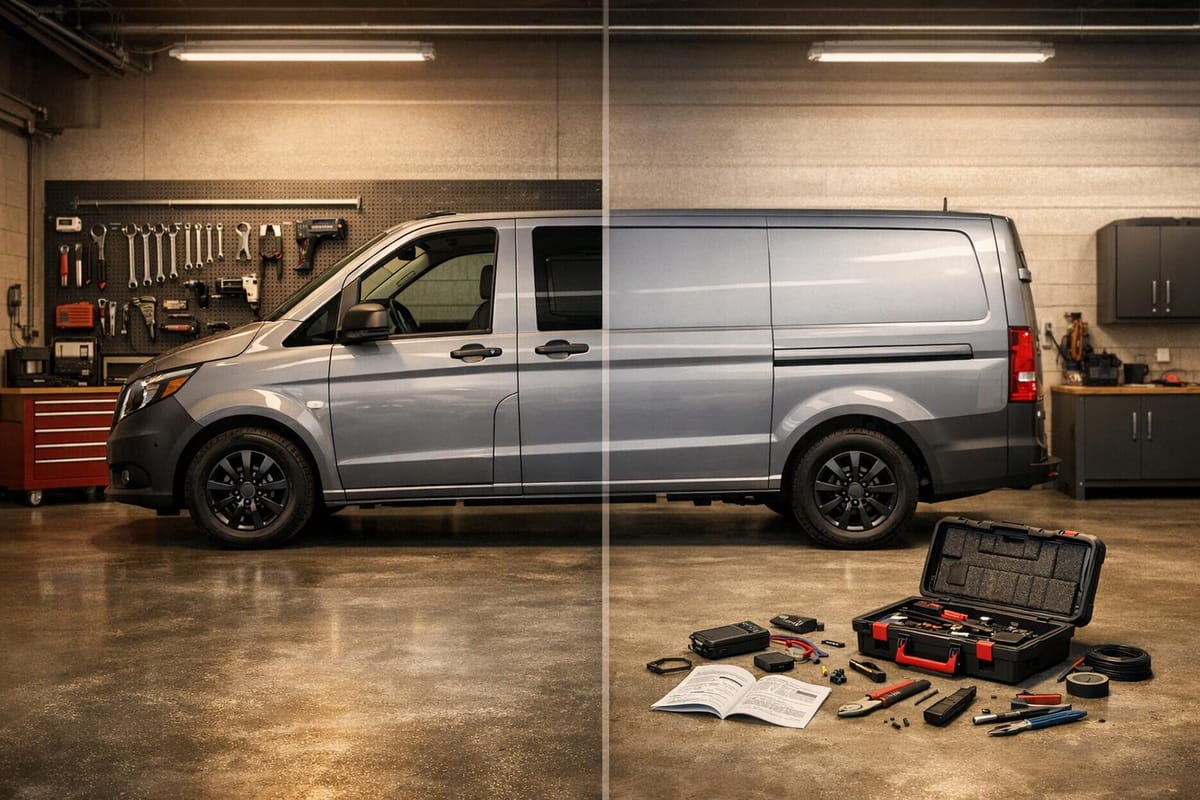
When deciding how to install a van tracker, you’ve got two options: DIY installation or professional fitting. Each comes with its own costs, benefits, and drawbacks. Here's the gist:
- DIY installation is cheaper upfront, with basic trackers starting at £20–£100. These are easy to set up, often plug-and-play, and ideal for small fleets or quick solutions. However, they’re less secure, easier to tamper with, and rarely meet insurance standards.
- Professional installation costs more (£200–£600 for hardware, plus £50–£150 for fitting) but offers better security, hidden wiring, and certification for insurance discounts (up to 30%). These systems also provide detailed driving data and higher recovery rates (up to 95%).
Quick Comparison:
| Feature | DIY Installation | Professional Installation |
|---|---|---|
| Upfront Cost | £20–£100 | £200–£600 hardware + £50–£150 fitting |
| Subscription Fees | £5.99–£15/month | £10–£30+/month |
| Insurance Discounts | Rare | Up to 15%–30% |
| Security | Basic, easily removable | Hidden wiring, tamper-resistant |
| Installation Time | 5–30 minutes | 30–60 minutes |
| Recovery Rate | Lower | 91%–95% |
Key Takeaway: DIY trackers are budget-friendly and flexible but lack the security and insurance benefits of professional systems. For long-term savings and peace of mind, professional installation is often the better choice.

DIY vs Professional Van Tracker Installation Cost Comparison
GPS vehicle trackers - Pro Vs DIY - setup instructions
DIY Installation Costs
When it comes to DIY trackers, costs can vary widely depending on the type of device you choose. Basic OBD-II plug-in models are the most affordable, with prices starting at around £30–£50. These plug directly into your van's diagnostic port - usually found in the footwell or under the dashboard - and are straightforward to use, requiring no tools or technical expertise. Battery-powered and magnetic trackers fall in the £30 to £150 range, while devices offering live tracking and detailed reporting cost between £130 and £200. High-end systems with advanced features like driver management can range from £300 to £700 or more. For hardwired DIY installations, you might need to purchase an additional accessory kit if one isn’t included. Let’s break this down further by looking at device costs, subscription fees, and installation time.
Device and Tool Costs
For OBD and battery-powered trackers, you can skip the need for extra tools (gpstrackershop.com). However, if you’re going for a hardwired DIY setup, you’ll need a few essentials like wire taps, fuse taps, and zip ties to ensure secure connections. Knowing these costs can help you weigh your DIY expenses against the costs of professional installation.
Monthly Subscription Fees
Most DIY trackers come with a monthly subscription fee to cover SIM data usage and access to the tracking platform. These fees typically range from £6.95 to £20 per vehicle. Some providers offer prepaid options, such as a 12-month subscription for about £69.99 or a 24-month plan for £124.99. For those looking to avoid recurring fees, there are a few no-subscription models available. However, these often include a prepaid 12-month period, after which an annual renewal fee is required.
Time Required for Installation
The time needed for DIY installation varies by device type. OBD-II and battery-powered trackers are the quickest, taking just 2–30 minutes to set up. On the other hand, hardwired systems are more involved. They require locating the fuse box, securing the connections, and sometimes additional troubleshooting, with installation times ranging from 30 minutes to over an hour. These considerations highlight the trade-off between upfront costs and the effort required for installation.
Professional Installation Costs
The cost of professional tracker installation depends largely on the Thatcham security rating - S7 for standard systems and S5 for enhanced systems with ADR (Automatic Driver Recognition). Installation fees can either be included with the hardware or charged separately. Unlike DIY installations, professional fitting offers advanced security features and certification, making the higher upfront cost worthwhile.
Tracker Hardware Prices
Trackers are classified by their security level. S7 trackers typically cost between £145 and £219, with installation often included. These devices provide 24/7 monitoring and meet basic insurance requirements. S5 trackers, which offer enhanced security, range from £245 to £429, while high-end S5+ systems with remote immobilisation start at about £489. For comparison, GRS Fleet Telematics offers hardware options starting at £35, with upgrades like a dual-tracker backup for £79 and immobilisation features for £99, plus a £7.99 monthly subscription.
Labour and Fitting Fees
If installation isn't included with the hardware, professional fitting typically costs between £50 and £100 per vehicle, depending on the complexity of the job. In some cases, fees range from £20 to £115. Engineers hardwire the device securely, concealing the wiring to prevent tampering. This level of precision contributes to recovery rates of around 95–96%. The installation process usually takes 30 minutes to 2 hours, and many packages offer free installation as part of the deal.
Certification and Warranty Coverage
Professional installation comes with added benefits like certification and warranties. A Certificate of Installation from Thatcham-accredited engineers is provided, which many UK insurers require to validate theft coverage or offer premium discounts of 15–30%. Additionally, most professional packages include a lifetime hardware warranty for as long as your subscription remains active. Other perks often include system training, 24/7 access to a secure monitoring centre, and advanced features like remote immobilisation. Vehicles with professionally installed trackers boast recovery rates of around 95%, with most stolen vans recovered within 24 hours.
"Vehicles with trackers have extremely high recovery rates (often over 90%) compared to those without van trackers." – RAM Tracking
Cost Comparison: DIY vs. Professional Installation
The upfront cost difference between DIY and professional installation is quite noticeable. DIY trackers typically range from £20 to £100, covering basic plug-and-play or battery-powered units, with no additional labour costs since you handle the installation yourself. On the other hand, professional systems cost £200 to £600 for hardware, with an extra £50 to £150 for installation. Some providers, however, offer packages that include both hardware and installation at a reduced or even zero upfront cost.
When it comes to subscriptions, DIY options are priced between £5.99 and £15 per month, whereas professional systems range from £10 to £30 or more monthly and often come with added perks like support and warranty coverage.
Over a three-year period, the cost differences narrow. A DIY setup, including hardware and subscriptions, could total between £200 and £640. In contrast, professional systems might cost £560 to £1,680 or more. However, professional systems often qualify for insurance discounts ranging from 15% to 30%, which can help offset the higher ongoing costs. The table below provides a clear breakdown of these costs for easy comparison.
Cost Comparison Table
| Category | DIY Installation | Professional Installation |
|---|---|---|
| Initial Outlay (£) | £20–£100 | £200–£600 (hardware) + £50–£150 (installation) |
| Monthly Subscriptions (£) | £5.99–£15 | £10–£30+ |
| Total 3-Year Cost (£) | £200–£640 | £560–£1,680+ |
| Insurance Discount | Rarely eligible | Up to 15%–30% |
| Installation Time | 5–10 minutes | 30–60 minutes |
Pros and Cons of Each Installation Method
Now that we've covered the costs, let’s dive into the strengths and limitations of each installation method.
DIY installations are all about convenience. These trackers plug directly into the OBDII port or connect to the battery, making setup a breeze - just a few minutes, and you're good to go. They’re perfect for short-term rentals or fleets that frequently swap vehicles, as you can relocate the device yourself without paying extra for professional help.
But there’s a catch. DIY trackers are often in plain sight, like when plugged into the OBDII port, making them an easy target for thieves. As one expert notes, "Professional vehicle thieves know how to remove self-install vehicle-tracking devices. A telematics device is not fool proof, but it does improve your odds". Additionally, these trackers typically provide basic data, such as GPS location and trip history, which might not be enough for businesses that need detailed insights.
Professional installations, on the other hand, bring a higher level of security. The wiring is hidden behind the dashboard, making tampering much more difficult. Many systems also include dual-tracker setups, combining a hardwired unit with a concealed backup, achieving an impressive 91% vehicle recovery rate. Plus, these systems often meet Thatcham approval standards, which many UK insurers require to offer discounts of 15% to 30%.
However, professional installations aren’t without their downsides. They come with higher upfront costs, and the process takes longer - typically 30 to 60 minutes per vehicle. Relocating a hardwired tracker can also be costly, which might be a concern for businesses that frequently rotate their fleets. For smaller fleets with basic tracking needs, the added expense might not be worth it. But for companies prioritising insurance compliance or advanced analytics like fuel usage and driver behaviour, professional systems deliver long-term value.
Weighing these pros and cons will help you choose the installation method that aligns with your fleet’s specific requirements.
Pros and Cons Table
| Feature | DIY Installation | Professional Installation |
|---|---|---|
| Cost | Lower upfront cost; no labour fees | Higher initial cost; includes labour fees |
| Setup Time | Quick (2–10 minutes, plug-and-play) | Longer (30–60 minutes per vehicle) |
| Security | Easier to tamper with or remove | Hidden wiring; much harder to disable |
| Data Quality | Basic GPS and trip history | Detailed diagnostics and driver behaviour analysis |
| Insurance Discounts | Rarely qualifies | Often qualifies with Thatcham approval |
| Flexibility | Easy to move between vehicles | Relocation costs (~£100 per move) |
| Error Risk | Potential for signal issues or poor setup | Minimal risk with certified professional installation |
When to Choose DIY Installation
DIY installation works best for smaller fleets or businesses testing vehicle tracking on a limited scale. If you’re managing just a few vans and want to avoid professional installation costs - which typically range from £90 to £200 per device - a self-install tracker is a practical choice. It’s also a great option when you need to get tracking up and running quickly.
Here’s a breakdown of the most suitable DIY tracker types and the potential risks involved.
Best Tracker Types for DIY
OBD trackers are the easiest to install. They plug directly into your van’s diagnostic port, usually located in the footwell or glove compartment, and are compatible with most vehicles made after 2003. Installation takes only a few minutes, requires no tools, and minimises the chances of wiring mistakes.
Battery-powered and magnetic trackers are another hassle-free option. Magnetic trackers attach to any metal surface on the chassis, while battery-powered models can be secured using zip ties, tape, or velcro in spots like the boot or under seats. These types don’t require any wiring, making them perfect for those with no mechanical experience. They’re especially useful for short-term rentals or fleets that frequently switch vehicles, as you can relocate them in minutes without paying for professional reinstallation.
If you’re comfortable with basic electrical tasks, simple hardwired trackers are another DIY choice. These connect directly to the battery terminals using just two wires - red for positive and black for negative - providing a constant power supply without needing to recharge. However, even this straightforward setup requires more attention than plug-and-play alternatives.
Risks with Hardwired Systems
DIY installation of hardwired trackers comes with several risks:
Fully hardwired systems require connecting three specific wires - power (red), ground (black), and ignition (white or yellow) - to your van’s electrical circuits. Mistakes in wiring can lead to inaccurate tracking data or even damage your vehicle’s electronics.
Another risk involves working with 12-volt or 24-volt electrical systems. Incorrectly tapping into the wiring loom could void your vehicle’s warranty or create safety hazards. Even when installed correctly, DIY setups may leave the tracker vulnerable to tampering.
Additionally, if your insurance policy requires Thatcham-approved installations, DIY hardwired systems won’t qualify for premium discounts. For more complex hardwired systems, the risks often outweigh the savings.
When to Choose Professional Installation
For high-security systems or to meet insurance requirements, opting for professional installation is often a must. While DIY setups can work for simpler tracking needs, advanced systems demand expert fitting. These systems often involve certification, discreet placement, and secure integration with your vehicle's power system. Additionally, certified installations can lead to significant insurance savings. Here's when the benefits of professional installation outweigh the convenience of DIY.
Thatcham-Approved and Dual-Tracker Systems

If your insurance policy specifies the need for a Thatcham-approved tracker - such as those in the S5 or S7 categories - professional installation is non-negotiable. Insurers require an official certificate from a certified installer, which not only validates the system but can also help you save up to 20% on your premiums.
Professional installers ensure these systems are hardwired securely behind the dashboard, making it incredibly challenging for thieves to locate or disable them. This is especially critical for dual-tracker systems, which pair a primary hardwired unit with a hidden backup. When installed by experts, this setup significantly improves recovery rates, with a reported 91% success rate for stolen vehicles. For example, GRS Fleet Telematics shared that a UK courier recovered two stolen vans within 24 hours using a dual-tracker system, avoiding losses exceeding £40,000.
Additionally, Thatcham-certified systems earn Priority 1 police response in theft situations, ensuring that law enforcement treats your case with urgency.
GRS Fleet Telematics Free Installation Offer
GRS Fleet Telematics makes professional installation more accessible by waiving installation fees entirely when you pair tracking services with fleet branding through GRS Fleet Graphics. Their tracking hardware starts at just £35, with monthly fees as low as £7.99 per vehicle, and includes everything you need: SIM and data, platform access, and even a dedicated account manager.
"A quality installation not only boosts system performance and security but also supports the overall success of fleet management operations."
For businesses already considering branding their vehicles, this offer eliminates the upfront cost of professional installation while ensuring the trackers are installed correctly by qualified technicians. It's a win-win for both security and efficiency.
Total Cost of Ownership
When evaluating the total cost of ownership, it's important to look beyond just the initial price tag. As we've discussed, mistakes during installation and the absence of proper certification can significantly increase the costs of DIY solutions. The real expense becomes apparent over time, taking into account factors like system reliability, ongoing maintenance, and even theft-related risks.
Hidden DIY Costs
DIY trackers that cost less than £100 often come with a range of extra expenses. You'll need to budget for mounting hardware (around £15–£40), backup batteries (between £25–£80), and dedicate 2–4 hours each year for troubleshooting. On top of this, about 25% of DIY users encounter blind spots or security issues because their devices weren't installed in the correct locations.
The lifespan of consumer-grade DIY hardware is another concern - it typically lasts only 3–5 years, whereas professionally installed systems are expected to work for 7–10 years. Once the standard 12-month warranty runs out, repairs can add another £40–£120 annually for replacement parts.
There's also the issue of insurance. Self-installed trackers often don't meet the certification standards or offer the driver-monitoring features that insurers require, meaning they rarely qualify for premium discounts. These hidden costs can make DIY solutions much more expensive in the long run, something professional installations are designed to avoid.
Long-Term Savings with Professional Installation
Professional installations, on the other hand, are built for durability and efficiency, offering significant savings over time. They result in 40–60% fewer service calls, come with warranties that cover the entire contract period, and can lower insurance premiums by 15–20%. This means fewer surprise repair bills and a system that stays reliable for 7–10 years.
Additionally, advanced driver-monitoring features in professional systems help reduce behaviours like idling and harsh braking, which improves fuel efficiency. Businesses that use professional telematics frequently report savings of £1,000 to £2,000 per month per vehicle, thanks to better operational efficiency and reduced fuel consumption. For most fleets, the return on investment is achieved within just 90 days.
Conclusion
Deciding between a DIY tracker and professional installation comes down to what your fleet truly needs. DIY options might work for smaller fleets with limited budgets, as they come with lower upfront costs. However, these systems often fall short when it comes to insurance benefits and tamper resistance, which are critical for protecting high-value vehicles.
On the other hand, professional installation, while initially more expensive (£120–£300+ for hardware and £50–£115 for fitting), offers substantial long-term benefits. Thatcham-approved systems, for instance, can slash insurance premiums by up to 30%, and advanced driver monitoring features can save businesses anywhere from £1,000 to £2,000 per vehicle annually through better fuel efficiency and reduced maintenance costs.
Let’s break down the numbers: for fleets prioritising security and long-term savings, professional solutions like those from GRS Fleet Telematics are a smart investment. Their pricing starts at £7.99 per month, with hardware costs ranging from £35 to £99. They also offer dual-tracker technology with a 91% vehicle recovery rate and detailed driver analytics. Plus, by bundling their service with fleet branding, GRS Fleet Telematics includes free installation, removing a significant upfront cost.
These cost savings pair perfectly with the enhanced security and reliability we’ve discussed. Most businesses find that professional systems pay for themselves in as little as 90 days, thanks to reduced fuel costs and lower insurance premiums. While DIY trackers might suffice for basic needs, professional systems deliver the advanced features, reliability, and cost-effectiveness that make a real difference to your bottom line.
FAQs
Why choose professional installation over DIY for van trackers?
When you choose professional installation for your van tracker, you're ensuring it's set up correctly, discreetly hidden, and fully functional. Certified installers know the best spots to conceal the tracker while maintaining a reliable satellite signal, making it harder for thieves to interfere. Plus, many insurance policies only accept trackers installed by professionals, so this step could help you meet those requirements.
Professionals also handle the tricky bits, like wiring and connecting the tracker to your vehicle’s 12-24V system and existing electronics. This reduces the chance of mistakes, keeps your vehicle’s warranty intact, and ensures the tracker works reliably over the long haul - especially important for fleet vehicles or specialised equipment. By opting for expert installation, you’re saving time, avoiding headaches, and allowing yourself to focus on running your business smoothly.
Do insurance discounts vary between DIY and professional tracker installations?
Yes, insurance discounts can vary greatly depending on whether your vehicle tracker is installed professionally or as a DIY job. In the UK, most insurers require trackers to comply with Thatcham-approved standards to offer discounts, which usually range from 5% to 10% off your premium. A professional installation guarantees that these standards are met, often leading to more substantial savings.
On the other hand, DIY installations might not meet the necessary criteria. Even if the tracker works as intended, insurers may decline to offer a discount or provide only a small reduction. This is often because they cannot confirm that the tracker has been securely and discreetly installed. In some cases, this could mean additional expenses or delays if you need to have the device reinstalled professionally.
Choosing a professional service, like GRS Fleet Telematics, ensures your tracker is installed to the required standards. This not only maximises your insurance savings but also improves your vehicle's security and recovery capabilities.
What hidden costs should I consider with DIY tracker installations?
While installing a tracker yourself might seem like a cheaper option at first, there are often hidden costs that can catch you off guard. For example, you may need to buy extra tools, wiring, or mounting accessories, which can easily add an extra £20–£50 per vehicle. On top of that, if the installation isn’t done correctly, it could damage your vehicle’s electrical system or even void the tracker’s warranty. This could lead to expensive repairs or force you to hire a professional to fix the issues.
DIY installations can also cause unexpected downtime for your vehicle, disrupting your day-to-day operations. If the tracker isn’t properly hidden, it could be tampered with, compromising security and possibly leading to higher insurance premiums. Opting for a professional service like GRS Fleet Telematics eliminates these worries. They provide reliable, warranty-protected installations with clear pricing starting at just £7.99 per month, saving you from unexpected expenses and hassle.