Best Practices for Disaster Fleet Coordination
Guidance on GPS, telematics, dual-tracker security, resilient communications, resource allocation and recovery to keep fleets running during disasters.
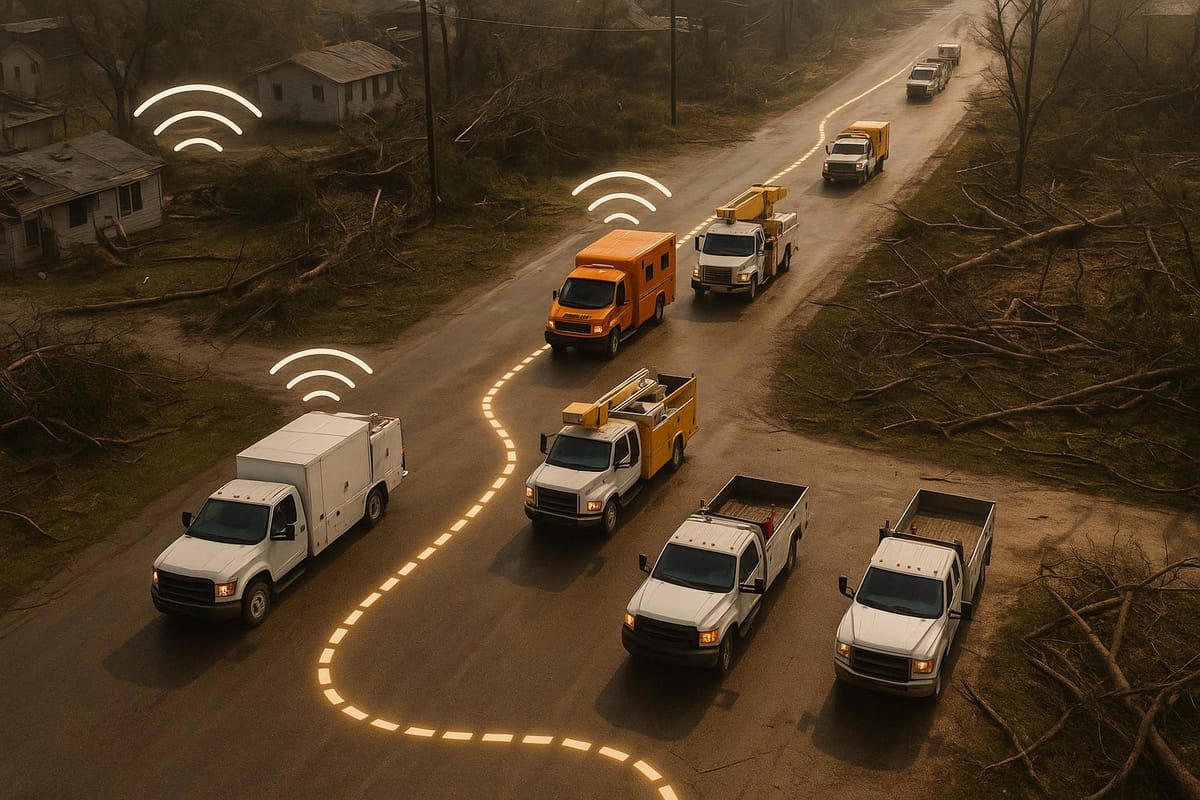
When disasters hit, fleet coordination becomes critical. Poor management can cause delays, waste resources, and disrupt recovery efforts. Effective coordination ensures vehicles and resources reach the right places at the right time, saving lives and minimising damage. Here's how you can manage fleets during crises:
- Real-Time Tracking: Use GPS and telematics for live updates on vehicle locations, route planning, and driver safety. Dual-tracker systems add security by maintaining tracking even in challenging conditions.
- Communication Systems: Establish multiple reliable communication channels (radio, satellite, mobile apps) to stay connected when infrastructure fails.
- Resource Allocation: Prioritise vehicles and supplies based on immediate needs (e.g., life-saving missions, infrastructure repair). Use staging points to organise resources efficiently.
- Maintenance and Readiness: Regular checks and pre-disaster inspections keep vehicles operational. Maintain fuel reserves and spare parts to avoid supply chain disruptions.
- Staff Training: Train personnel to handle emergencies, use tracking systems, and follow safety protocols under pressure.
- Post-Disaster Recovery: Assess fleet damage, categorise vehicles for repair or replacement, and adjust plans using real-time data.
Fleet Disaster Preparation: How to Prepare for the Worst
Using Technology for Real-Time Fleet Management
Technology plays a crucial role in addressing the coordination challenges faced during disaster response. By offering real-time insights, it allows fleet managers to make fast, informed decisions, keeping operations efficient and effective when it matters most.
GPS and Telematics for Fleet Tracking
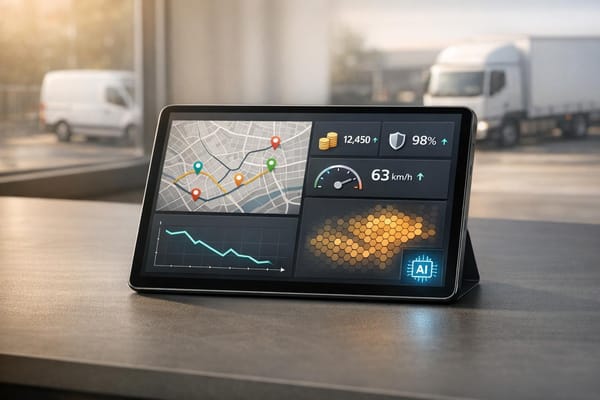
GPS and telematics systems provide fleet managers with constant updates on vehicle locations and statuses. This real-time visibility is especially useful during disaster scenarios, enabling managers to prioritise routes, direct drivers to critical areas, and ensure their safety. These tools also allow for quick adjustments based on the latest developments, ensuring seamless coordination across vehicles and teams.
Features like route optimisation and geofencing help managers navigate around hazards and keep vehicles within safe zones. Driver monitoring systems track key metrics such as speed, working hours, and compliance with safety protocols - essential for maintaining control under high-pressure conditions.
Telematics also delivers valuable fleet analytics, offering insights into fuel consumption, maintenance needs, and overall performance. This data enables smarter resource allocation and ensures vehicles are ready for extended operations. Additionally, telematics systems monitor vehicle health in real time, identifying potential mechanical issues before they escalate into major problems.
For even greater reliability, dual-tracker systems provide an added layer of security, ensuring uninterrupted fleet tracking even in the most challenging conditions.
Dual-Tracker Technology for Better Security
Dual-tracker systems combine a primary GPS tracker with a hidden Bluetooth backup device, ensuring continuous monitoring even if the main tracker is compromised. This redundancy is particularly valuable in disaster zones where infrastructure may be unreliable or where deliberate tampering is a concern.
These systems enhance fleet security by enabling quick recovery of vehicles, minimising disruption to operations. They also protect against signal jamming or other forms of interference, ensuring emergency response capabilities remain unaffected. In many cases, recovery efforts are supported by 24/7 coordination teams working closely with authorities to locate and retrieve vehicles swiftly, restoring vital fleet capacity without significant delays.
GRS Fleet Telematics: Advanced Tracking Solutions

GRS Fleet Telematics offers a comprehensive tracking system tailored to UK businesses, combining advanced technology with robust security features. Their solution integrates real-time GPS tracking accessible through web and mobile apps, allowing fleet managers to maintain oversight from command centres or remote locations - even when traditional infrastructure is down.
With a 91% recovery rate for stolen vehicles, GRS Fleet Telematics demonstrates its reliability in protecting fleet assets. Features like real-time theft alerts and vehicle immobilisation enable proactive measures to prevent losses and improve recovery outcomes. Additionally, fleet analytics provide detailed reports on fuel usage, maintenance schedules, and performance metrics, helping managers optimise resources during prolonged disaster responses.
To meet varying operational needs, GRS Fleet Telematics offers three hardware packages:
- Essential (£35): A single wired tracker for cost-effective real-time tracking.
- Enhanced (£79): Includes both a primary tracker and a Bluetooth backup for added theft protection.
- Ultimate (£99): Adds immobilisation capabilities for maximum security.
A monthly service fee of £7.99 per vehicle covers SIM data, account manager support, and full platform access. Free installation is available when paired with fleet branding services.
On top of these features, GRS Fleet Telematics provides 24/7 customer support and emergency response services, ensuring fleet managers have expert assistance whenever it’s needed most.
Communication and Coordination Methods
In disaster scenarios, clear and dependable communication becomes a lifeline. With unpredictable conditions and damaged infrastructure, traditional systems may fail, making it essential for fleet managers to adopt strategies that can withstand these challenges.
Setting Up a Reliable Communication Network
To maintain communication during disasters, it’s crucial to have multiple backup channels in place. Relying on a single system is risky - if it fails, operations can come to a standstill. Fleet managers should incorporate a mix of mobile apps, radio systems, and satellite communications, ensuring these systems work independently of one another.
Pre-disaster communication is equally important, as safe movement windows can close rapidly. To prepare, vehicles should be equipped with formal checklists covering essentials like fuel levels, emergency supplies, and contact protocols. These checklists ensure drivers can operate safely even if central communication breaks down.
For organisations managing fleets across wide areas, pre-designating Multi-Agency/Strategic Holding Areas (MA/SHAs) is a smart move. These staging points, coordinated via Local Resilience Forums, serve as hubs where crews, equipment, and vehicles can gather and organise before deployment. During active disaster responses, drivers need real-time updates on road closures, facility statuses, and shifting priorities. They should also have clear instructions on how to report vehicle damage or operational changes, so fleet capacity can be assessed quickly during recovery efforts.
By combining strong communication networks with centralised data management, fleet managers can make informed decisions under pressure.
Centralising Fleet Data and Communication
Bringing all fleet data - vehicle locations, fuel levels, maintenance records, and driver assignments - into one platform simplifies decision-making during emergencies. This centralised approach provides immediate situational awareness, allowing managers to monitor supply chains, track fuel availability, and respond to facility closures in real time. Instead of reacting to unexpected disruptions, managers can proactively adjust deployment plans.
Real-time data also enables quick operational changes. Unified systems prevent conflicting instructions and ensure smooth coordination between teams and agencies. Additionally, these platforms help prioritise vehicle recovery after disasters by categorising them as operational ("greens"), needing repairs ("yellows"), or beyond use ("reds").
Tools like GRS Fleet Telematics further enhance coordination by offering real-time GPS tracking through both web and mobile platforms. This system integrates crucial data - such as vehicle location, speed, driver behaviour, and fleet analytics - into a single, accessible dashboard. Whether working from a command centre or a remote location, fleet managers can maintain oversight even when traditional infrastructure is down. With its mobile app, 24/7 customer support, and emergency response services, GRS Fleet Telematics ensures continuous assistance when it’s needed most.
Resource Allocation and Deployment
When disasters strike, getting resources where they’re needed quickly and efficiently is absolutely critical. Fleet managers play a key role here, balancing limited vehicles, fuel, and supplies through careful planning and a well-organised supply chain.
Evaluating Needs and Setting Priorities
Responding to disasters is a lot like triaging in emergency medical care - it’s all about prioritising. Needs can be grouped into three categories: immediate life-safety (green), critical infrastructure (yellow), and recovery efforts (red). This system ensures that resources are sent where they’ll make the biggest difference, rather than being stretched too thin across all areas.
To make informed decisions, managers rely on communication networks and field reports to assess the scale and nature of the disaster. Factors like population density, how accessible impacted zones are, and the urgency of operations all come into play. Keeping a centralised record of these priorities ensures everyone involved in the response is aligned.
Pre-designated staging points are another game-changer. By organising resources at central hubs, rather than scattered locations, dispatch becomes smoother and more efficient. In England, the National Fire Chiefs Council and Home Office provide a framework for coordinating people, vehicles, and equipment before, during, and after emergencies.
Geofencing technology adds another layer of precision. By defining operational zones and setting up alerts for vehicles that stray outside these areas, managers can keep resources focused on priority locations.
Vehicle maintenance is another crucial piece of the puzzle. Disaster response often pushes vehicles to their limits, so having a rotation schedule ensures they get the care they need between deployments. Holding some vehicles in reserve during high-risk seasons also creates a buffer, keeping the fleet ready for action without overextending resources.
Collaboration between services further strengthens response efforts. For instance, Thames Valley Fire and Rescue Services work with other teams to align fleet operations, even standardising equipment like breathing apparatus to streamline cross-border cooperation.
Real-time data and strong communication systems are invaluable for fine-tuning these strategies as situations evolve.
Managing Fuel and Supply Chains
Once deployment priorities are set, keeping fuel and supplies flowing becomes the next challenge. Fuel shortages can bring fleet operations to a halt, especially during prolonged responses. Traditional fuel stations might be damaged, closed, or overwhelmed, so it’s essential to have backup plans in place. Fleet managers should secure agreements with multiple fuel suppliers well in advance, avoiding reliance on a single source.
Fuel management is all about tracking usage against reserves. By prioritising mission-critical vehicles for refuelling, managers can ensure that the most important operations continue even during shortages. Monitoring fuel consumption also helps identify patterns and improve efficiency across the fleet.
Efficient route planning saves both time and fuel. By designing optimised paths for vehicles, managers can reduce response times while conserving fuel - especially important when supply chains are disrupted and every litre counts.
Supplies go beyond just fuel. Spare parts and critical equipment are equally important. Building relationships with multiple suppliers ahead of time helps avoid over-dependence on any single vendor, which could become overwhelmed or inoperable during a disaster. Fire and Rescue Services often gain better deals by pooling their purchasing power, showing the financial benefits of collaboration.
During active operations, constant communication with suppliers is key. Managers need to track availability, spot disruptions in the supply chain, and quickly find alternatives when primary sources are affected. Centralised tracking of supply chain activities - like plant closures or roadside service interruptions - helps resolve issues quickly. Working closely with logistics partners can also uncover alternative routes or delivery methods when standard ones are blocked.
Strategic reserves of hard-to-source spare parts and consumables provide an extra layer of security during extended operations.
Fleet analytics bring it all together. Data on fuel usage, maintenance, and vehicle performance offers a clear picture of resource capacity and readiness. Regularly reviewing metrics like vehicle availability, fuel consumption, response times, and utilisation rates enables smarter, data-driven decisions. Mobile apps make it easier for managers to adjust deployments on the fly, keeping operations flexible as disaster conditions shift.
Keeping detailed records of vehicle usage, maintenance, and any damage sustained during disaster response is vital for post-disaster recovery. These records not only support insurance claims but also help identify recurring issues, paving the way for continuous improvement in future operations.
Preparing Fleets Before Disasters Strike
Being prepared before a disaster strikes is crucial for effective response. By focusing on real-time tracking and strong communication systems, organisations can ensure their fleets are ready to operate when needed most. It's not just about having vehicles available; it's about making sure they're in top condition, staffed by trained personnel, and supported by detailed response plans. This preparation ensures quick mobilisation and reliable operation during critical moments.
Fleet Maintenance and Readiness Inspections
When lives and property are on the line, regular maintenance becomes non-negotiable. Vehicles breaking down during a disaster response can have devastating consequences, which is why a thorough inspection programme is essential. This includes checking fuel levels, emergency kits, mechanical condition, and overall operational readiness. The Royal Berkshire Fire and Rescue Service highlights the importance of minimising downtime through efficient maintenance and repairs, a practice that's especially critical during emergencies.
Formal checklists play a key role here. These lists should cover all safety equipment and systems, ensuring drivers have everything they need to operate safely and independently during a crisis. Assigning vehicles to the same operators can improve accountability and help identify potential issues early, as experienced drivers are more likely to notice problems before they escalate.
A structured and documented inspection routine is vital. Each vehicle's readiness status should be tracked systematically, with clear accountability for those responsible. Inspections should be a year-round effort, intensifying during high-risk periods. Staff must also be equipped with the skills to manage, maintain, and operate the fleet effectively.
Fleet analytics can be a game-changer, offering insights into maintenance needs, fuel usage, and performance metrics. These tools allow managers to address potential problems before they lead to breakdowns. During storm seasons or other high-risk times, keeping a buffer of ready-to-deploy vehicles is essential. This requires careful planning to balance maintenance schedules and ensure vehicles return to service quickly.
Training Staff for Emergency Situations
Even the best technology and vehicles are useless without skilled personnel. Continuous training ensures staff can handle fleet resources effectively, especially under the pressures of a disaster response. This isn't just about ticking boxes; it's about building the confidence and quick decision-making skills needed in high-stress situations.
Training should cover emergency protocols, operating vehicles in challenging conditions, using communication systems, and understanding coordination procedures. Staff need to know their roles within the larger response effort. The National Coordination and Advisory Framework for England stresses the importance of clear guidance for effectively coordinating people, vehicles, and equipment before, during, and after emergencies.
Realistic simulations are invaluable for preparing teams. By mimicking actual disaster scenarios, these exercises test not only individual skills but also teamwork, communication, and decision-making under pressure. Additionally, driver monitoring systems like telematics can help maintain safe and efficient operations. Features such as speed monitoring, geofencing, and eco-driving analytics ensure drivers follow protocols and operate safely during emergencies.
With well-trained teams, the next step is to create detailed response plans that guide cohesive and effective disaster operations.
Creating Detailed Response Plans
A well-thought-out response plan can turn chaos into order. These plans should be operationally focused, addressing real emergency needs rather than being driven by procurement requirements. They must outline clear procedures for alerts, deployment, and recovery, covering vehicle assignments, communication protocols, fuel management, and coordination with suppliers and stakeholders.
Key decision-makers, communication channels, and escalation procedures must be clearly identified. In an emergency, there's no time to figure out who's responsible or how to contact critical partners. Contingency plans with secondary vendors and repair facilities are also essential, as primary suppliers may be overwhelmed or inaccessible during major disasters. Building strong relationships with suppliers beforehand ensures quick access to services when needed.
Pre-designated Multi Agency/Strategic Holding Areas should be part of the plan. These locations must be equipped to handle large numbers of crews, vehicles, and equipment during significant incidents. Clear documentation of these sites, along with protocols for their activation and use, is essential.
Accurate and accessible documentation is another cornerstone of effective preparation. Organisations should maintain detailed fleet inventories, including vehicle specifications, maintenance history, and operational status. This should also include driver assignments, emergency equipment inventories, and fuel capacities. Storing this information in multiple locations ensures it remains accessible even if primary facilities are compromised.
Comprehensive risk assessments are necessary to evaluate fleet capabilities against potential disaster scenarios. This process helps identify gaps in vehicle availability, equipment functionality, staff training, and communication systems. Priorities should be aligned with operational needs, resource availability, and budget considerations. Regularly reviewing and updating these plans ensures they remain relevant as risks evolve and organisational capabilities grow.
Real-time tracking and telematics systems provide critical visibility into vehicle locations and statuses, enabling managers to direct resources where they're needed most. These systems should be tested regularly to ensure reliability during emergencies. Additionally, robust communication systems are essential for coordinating efforts and sharing data among responders.
Recovery After Disasters and Learning from Experience
Once the immediate danger has subsided, the focus shifts to getting fleet operations back on track. This stage is crucial for determining how quickly an organisation can resume normal activities, as it involves restoring operational capacity after a disaster.
Assessing Fleet Damage and Capacity
The first step is evaluating the condition of your fleet. A simple classification system can help: label vehicles as 'green' (ready for use), 'yellow' (requires repairs), or 'red' (beyond repair). This approach ensures resources are allocated effectively, avoiding unnecessary effort on vehicles that can't be salvaged.
Formal checklists are invaluable here. They help verify fuel levels, check emergency kits, assess damage, and identify repair needs. Drivers should also be equipped with the right tools to carry out quick safety checks.
During this phase, real-time telematics remains just as important as in the initial response. It helps monitor repair progress and schedule vehicles for redeployment. Advanced dual-tracker technology, such as that offered by GRS Fleet Telematics, ensures reliable tracking even in challenging disaster scenarios.
Once vehicle conditions are categorised, the next step is swift coordination. Repairs need to be arranged, and replacement vehicles sourced through pre-established vendor relationships. Even if your primary repair facility is operational, it may face overwhelming demand. That’s why diversifying vendors and building relationships with secondary repair facilities is so important. Staying connected with supplier networks also helps monitor fuel availability, roadside services, and local infrastructure. A strong communication system is vital - it keeps managers informed on vehicle status, repair updates, and supply chain conditions, allowing them to adjust plans in real time.
Conclusion: Building Reliable Fleet Operations for Disasters
Managing a fleet during a disaster is no small task - it demands a well-rounded strategy that blends preparation, technology, and communication into a cohesive plan that holds up under pressure. Organisations with effective systems in place can respond faster, protect their assets, and keep operations running when emergencies hit.
The groundwork for this begins long before any crisis unfolds. Regular vehicle maintenance, detailed response planning, and ongoing staff training are essential to ensuring a fleet is truly ready for action. When paired with the right technology, these efforts transform what might otherwise be reactive responses into carefully planned strategies.
Technology plays a pivotal role in this transformation. Tools like real-time GPS tracking and telematics systems offer fleet managers the visibility they need to make informed decisions. These systems allow vehicles to be routed efficiently while keeping personnel safe during rapidly changing situations. With these insights, operations can be adjusted on the fly, ensuring resources are sent where they’re needed most while maintaining a clear picture of every vehicle’s status.
But technology and preparation alone aren’t enough - effective communication is the glue that holds disaster operations together. Centralised systems that bring all fleet data under one roof, establish clear lines of reporting, and ensure backup communication channels can prevent breakdowns in coordination. Strong relationships with suppliers, repair facilities, and partner agencies also make it easier to access critical resources when primary systems are stretched thin.
By combining integrated technology, rigorous training, and resilient communication systems, organisations can build fleet operations that don’t just withstand disasters but actively minimise their impact. The advantages go beyond the immediate crisis: reduced downtime, better use of assets, and quicker recovery times are all within reach. Plus, when staff are equipped with the right tools, training, and clear instructions, their safety and confidence improve significantly.
Creating reliable disaster-ready fleet operations takes a collective effort. It means investing in advanced technology, establishing solid communication protocols, providing thorough training, and fostering strong partnerships. When the unexpected happens, these efforts ensure a fleet that’s ready to respond, safeguard its people, and keep things moving.
FAQs
How does dual-tracker technology improve fleet security during disaster response efforts?
Dual-tracker technology boosts fleet security by delivering real-time theft alerts and achieving an impressive 91% recovery rate for stolen vehicles. This system enables fleet managers to act swiftly in response to security threats, reducing downtime and keeping operations on track, even during high-pressure disaster response scenarios.
With dependable tracking and effective recovery features, dual-tracker technology helps ensure your fleet stays protected and ready to perform when it's needed the most.
How can telematics improve resource management and ensure fleet readiness during emergencies?
Telematics is a game-changer when it comes to managing resources and keeping fleets running smoothly, especially in emergency situations. With real-time tracking and in-depth analytics, these systems make it easier to deploy vehicles and drivers exactly where they're needed, maximising efficiency when it matters most.
On top of that, tools like driver monitoring and vehicle health tracking help keep vehicles in top condition. By identifying potential issues early, telematics minimises downtime and ensures fleets are always ready to respond. This forward-thinking approach is key to maintaining seamless operations when every second counts.
Why is having multiple communication channels essential for fleet coordination during disasters?
In disaster situations, having multiple communication channels is absolutely crucial to maintain clear and dependable coordination. Traditional communication methods often fail during such events, so relying on alternatives like mobile networks, satellite systems, and radio can keep your team connected, even under the toughest conditions.
Using a variety of communication tools allows you to share updates quickly, adjust vehicle routes on the fly, and allocate resources more effectively. This approach helps reduce delays, ensures the safety of your drivers, and strengthens your overall emergency response efforts.