Top 7 Benefits of GPS Trackers with Geofencing
How GPS trackers with geofencing boost UK fleet security, cut fuel and maintenance costs, improve compliance and speed vehicle recovery.
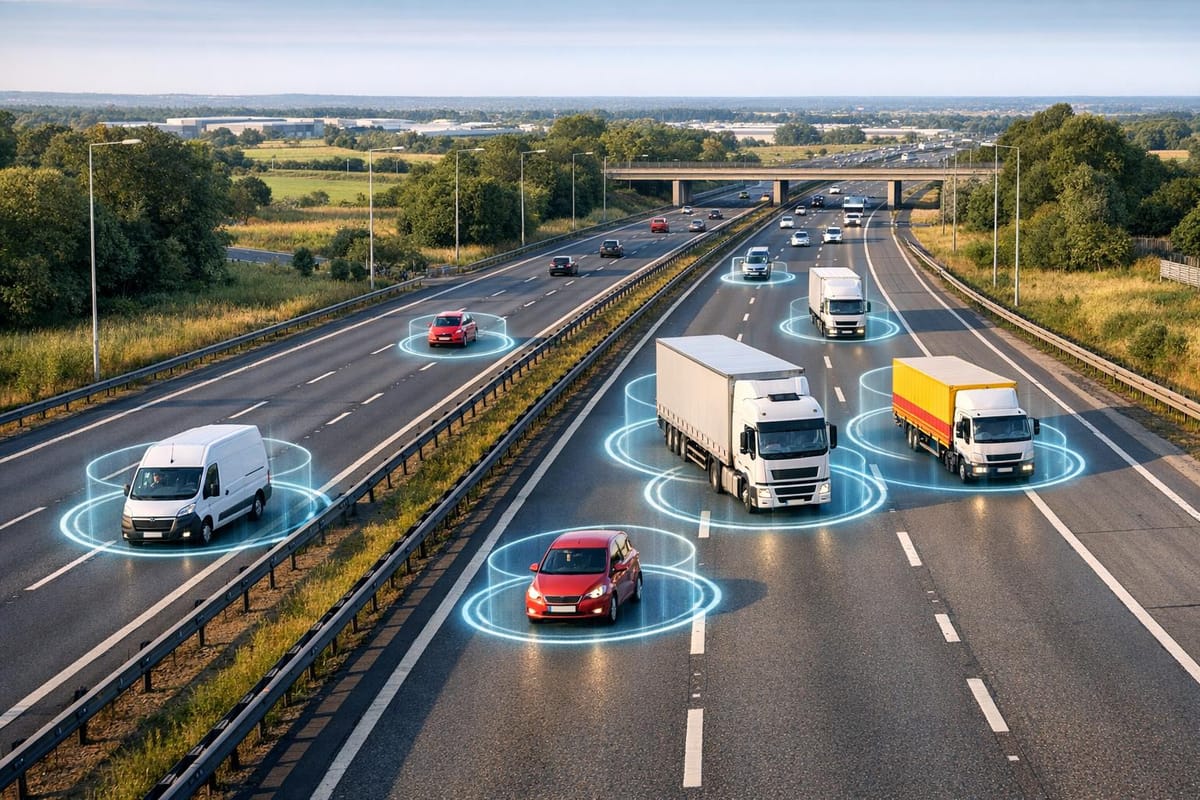
GPS trackers with geofencing are transforming fleet management in the UK. They combine location tracking with virtual boundaries to improve security, efficiency, and compliance. Here’s why they matter:
- Security: Alerts for boundary breaches reduce theft risks and help recover vehicles quickly. Dual-trackers achieve a 91% recovery rate.
- Efficiency: Improved route planning and real-time rerouting save time and reduce delays, boosting productivity by £286 per vehicle monthly.
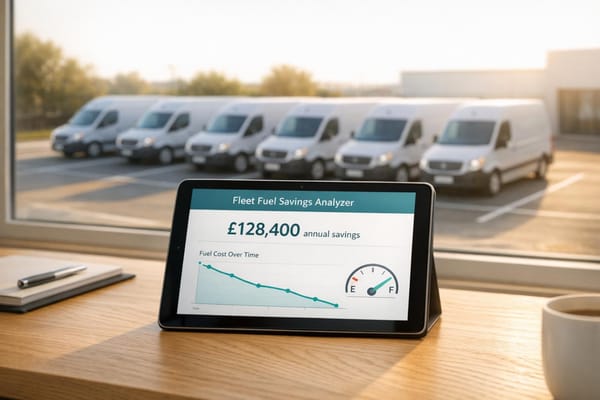
- Cost Savings: Businesses save up to £660 per vehicle annually by cutting fuel, maintenance, and insurance costs.
- Maintenance: Automated scheduling based on vehicle usage reduces breakdowns and lowers servicing expenses by 20%.
- Compliance: Simplified adherence to UK regulations (DVSA, GDPR, HMRC) and reduced fines.
- Driver Safety: Real-time behaviour monitoring improves safety, cutting accident rates by 30%.
- Recovery Rates: Real-time tracking ensures stolen vehicles are located faster, with recovery rates reaching 98%.
With hardware starting at £35 and subscriptions from £7.99 per month, these systems offer affordable solutions for fleets of all sizes. Read on to explore these benefits in detail.
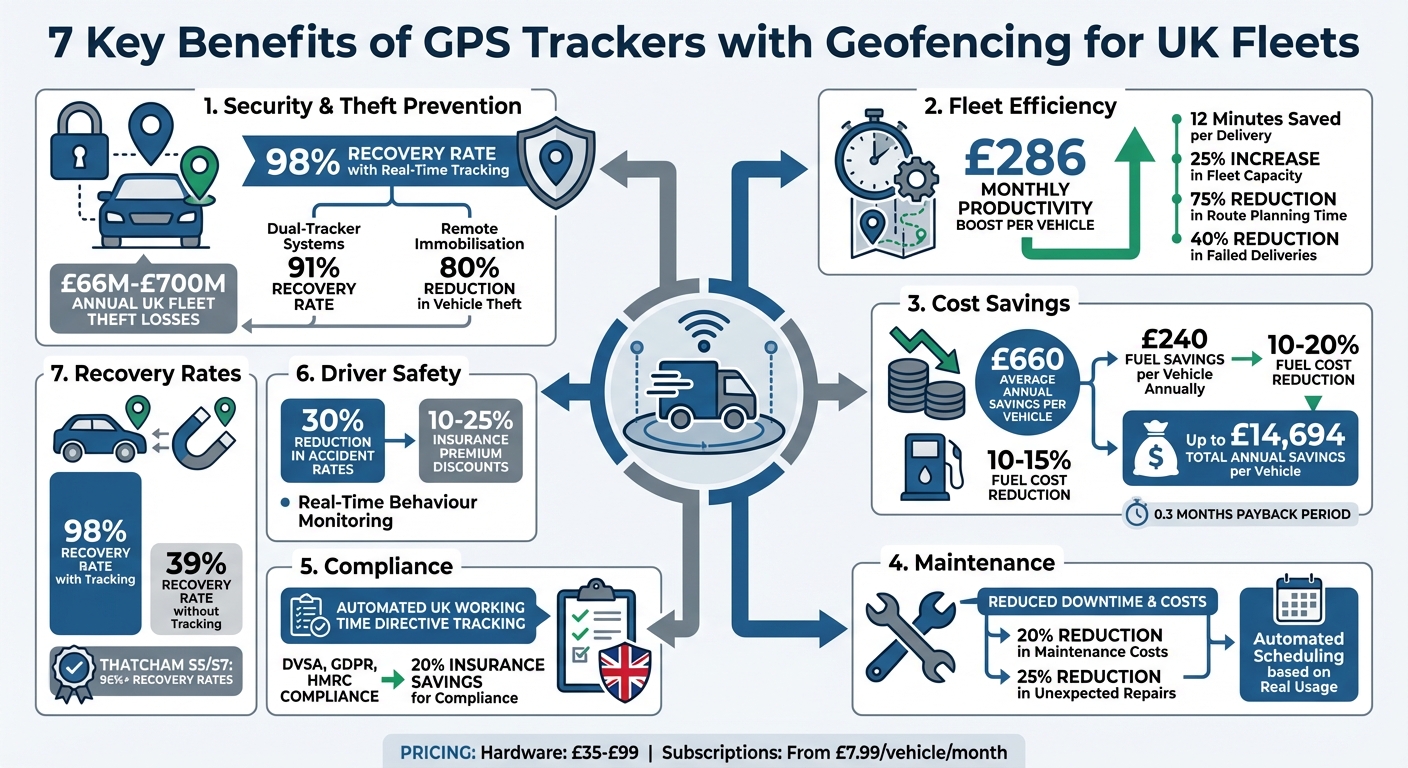
7 Key Benefits of GPS Trackers with Geofencing for UK Fleets
Optimize Your Fleet with Live Maps, Geofences & Route Replay | Verizon Connect
1. Better Security and Theft Prevention
Vehicle theft continues to pose a serious challenge for UK fleets, costing businesses an estimated £66 million last year in reported freight thefts. When factoring in unreported incidents, total losses could soar to £700 million. Geofencing technology offers a strong defence by creating virtual perimeters around locations like depots, customer sites, or restricted zones. By comparing a vehicle’s live GPS coordinates to these predefined boundaries, geofencing triggers instant alerts - via SMS, email, or app - whenever a vehicle crosses a geofence. These real-time notifications allow for immediate action, helping to minimise damage or loss.
This swift response is especially important when unauthorised movement occurs during off-hours, increasing the chances of recovering vehicles before they are stripped for parts or further damaged.
For even greater security, dual-tracker systems provide continuous monitoring by combining a hardwired GPS with a hidden Bluetooth backup. This approach delivers a 91% recovery rate, significantly outperforming single-tracker systems, which only achieve a 50% recovery rate.
Adding remote immobilisation to the mix takes protection to the next level. This feature, which has been linked to an 80% reduction in vehicle theft in Great Britain, allows fleet managers to disable a vehicle’s engine as soon as theft is confirmed, stopping it in its tracks.
For irregular sites like construction zones, polygon geofences can be configured to match the area’s unique layout. Alerts for out-of-hours movement can also be set, ensuring unauthorised use is flagged immediately. GRS Fleet Telematics offers this advanced security across three hardware tiers: Essential (£35), Enhanced (£79 with Bluetooth backup), and Ultimate (£99 with immobilisation). Monthly subscriptions start at just £7.99 per vehicle, making robust theft prevention affordable for fleets of all sizes.
2. Better Fleet Efficiency and Route Planning
Geofencing has reshaped how fleets organise their routes by clearly distinguishing travel time from operational time. When a vehicle enters or exits a designated virtual boundary - such as around a depot or customer location - the system automatically records arrival and departure times. This data gives managers a clearer picture of journey durations, helping them pinpoint delays and improve route planning for the future.
The system also ensures smoother operations by assigning unique geofenced zones to each vehicle. If routes overlap, real-time alerts allow managers to adjust assignments quickly. This method not only ensures better resource allocation but also reduces unnecessary mileage. Additionally, historical tracking data highlights the most efficient and problematic roads, enabling drivers to avoid congestion hotspots like school bus routes or rush-hour traffic.
In busy urban areas, real-time rerouting can save 12 minutes per delivery, increase fleet capacity by up to 25%, and cut route planning time by 75%, translating to a monthly productivity boost of £286 per vehicle. Dynamic rerouting also reduces failed delivery attempts by 40%, helping fleets navigate around unexpected obstacles. Managers can further refine schedules by monitoring detention times at specific facilities - delays that could cost up to £1,280 per driver annually - and avoiding locations prone to hold-ups.
These advancements in route planning not only improve productivity but also pave the way for savings on fuel and operating costs. For fleets aiming to optimise their operations, GRS Fleet Telematics provides geofencing solutions starting at just £7.99 per month per vehicle, with essential tracking hardware available from £35.
3. Lower Fuel and Operating Costs
Geofencing technology helps cut down on fuel waste by setting boundaries that prevent vehicles from straying outside designated zones. If a vehicle moves beyond its assigned work area during off-hours, managers are immediately alerted. This feature alone can save UK businesses an average of £240 per vehicle each year in fuel costs.
Additionally, geofencing minimises unnecessary detours that consume extra fuel. Virtual boundaries track vehicle arrivals and departures, sending real-time notifications if a vehicle veers off course. This ensures that every mile driven directly supports business goals.
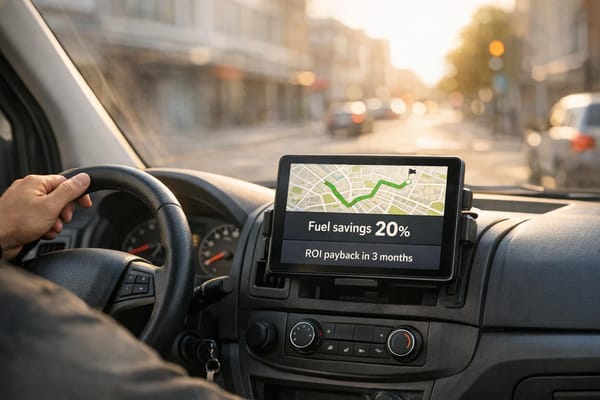
Businesses using GPS tracking systems have reported impressive fuel savings - up to 15% overall. Route optimisation, a key feature of these systems, can reduce fuel costs by 10–20% within the first year. But the savings don’t stop at fuel; geofencing also significantly lowers other operational expenses.
For instance, by monitoring "dwell time" at delivery sites, businesses can identify locations where vehicles spend excessive time idling. This idling can cost fleets as much as £1,280 per driver annually. With this data, managers can renegotiate delivery schedules or adjust routes to cut down on wasted fuel and unproductive hours. Some systems even integrate with fuel cards, allowing managers to cross-check petrol purchases against vehicle locations, which helps prevent fraudulent fuel charges.
There are further savings in maintenance and insurance. Efficient routing reduces wear and tear on tyres and engines, lowering maintenance expenses by up to 20%. Insurers also reward fleets using GPS tracking with premium discounts ranging from 10–25%, acknowledging the reduced risk. Altogether, these measures can yield annual savings of up to £14,694 per vehicle, with some businesses recovering their investment in as little as 0.3 months.
GRS Fleet Telematics combines these fuel and operational savings with cutting-edge tracking capabilities, giving UK businesses the tools they need to maximise efficiency through geofencing technology.
4. Automated Maintenance Scheduling
Imagine having a system that keeps track of your fleet's health without you lifting a finger. GPS trackers with geofencing features do just that, keeping an eye on vital vehicle stats like odometer readings, engine hours, diagnostic trouble codes (DTCs), and fuel usage. This allows for maintenance schedules based on actual vehicle usage rather than sticking to arbitrary timelines.
Here’s how it works: the system continuously monitors vehicle performance and sends out tiered alerts to keep you ahead of potential issues. For example, an initial alert - sent seven days or 1,000 miles in advance - gives you time to order parts. A final alert, sent just three days or 200 miles prior, signals the need for immediate action. This smart approach can reduce unexpected repairs by up to 25% and lower overall maintenance costs by 20%.
DTCs are particularly helpful for spotting problems early. Instead of waiting for a routine service to uncover an issue - or worse, dealing with a roadside breakdown - fleet managers get instant alerts when something’s wrong. For instance, if the system detects a weakening component or an emerging fuel system inefficiency, you can address it promptly, avoiding costly damage or delays.
This data-driven approach outperforms traditional fixed schedules, which often result in either over-maintenance or neglect. By tailoring servicing to actual vehicle needs, fleets can maximise uptime and avoid expensive breakdowns, keeping operations running smoothly.
Beyond cost savings, automated maintenance plays a crucial role in improving fleet efficiency. GRS Fleet Telematics offers this service as part of their subscription plans, starting at just £7.99 per vehicle per month. With this system, UK businesses can keep their vehicles in peak condition, ensuring their fleets spend more time on the road and less time in the shop - making automated maintenance scheduling a cornerstone of effective fleet management.
5. Meeting UK Regulations and Reporting Requirements
Managing a fleet in the UK comes with its fair share of regulatory responsibilities. From keeping track of driver hours and MOT deadlines to navigating emissions zones and GDPR, compliance can feel like a juggling act. But with GPS tracking and geofencing, much of this can be handled automatically, saving time and reducing stress.
These systems keep a detailed log of driving times, breaks, and rest periods, ensuring fleets stay aligned with the UK Working Time Directive and DVSA standards. When paired with digital tachographs, they create secure records of vehicle movements and driver activities - perfect for regulatory inspections. On top of that, automated reminders help fleets stay ahead of key deadlines like MOTs and inspections, avoiding fines and ensuring vehicles remain roadworthy.
For tax purposes, these tools also simplify compliance with HMRC rules by automatically separating business and personal mileage. This makes payroll processing more straightforward and ensures accurate records.
Employee privacy is another important consideration. UK-compliant systems often feature privacy switches that allow location data to be masked during personal use. This ensures businesses respect their workers' rights while still maintaining the necessary operational records to stay GDPR-compliant.
There’s an added bonus too: fleets that demonstrate strong compliance can benefit from insurance savings - sometimes cutting premiums by as much as 20%. With subscription plans starting at just £7.99 per vehicle per month, GRS Fleet Telematics offers a cost-effective way for UK businesses to stay organised, compliant, and efficient.
6. Driver Safety and Behaviour Monitoring
GPS trackers equipped with geofencing provide a detailed look into driver behaviour by tracking key actions like speeding, harsh braking, rapid acceleration, and sharp cornering. Each event is logged with precise timestamps and locations. For example, if a driver surpasses a set speed limit within a geofenced area - such as 10 mph in a depot or 20 mph near a school - the system instantly alerts supervisors. This real-time data lays the groundwork for managing and improving driving habits.
These systems also flag unauthorised stops and deviations from planned routes. If a vehicle enters a restricted area or halts unexpectedly, managers receive real-time alerts, helping to minimise unnecessary idling and prevent unauthorised activity. Additionally, patterns in this data can hint at issues like driver fatigue or breaches of company policies.
Driver profiles and performance leaderboards take this a step further, allowing for tailored coaching. In-cab feedback devices provide immediate alerts to drivers, helping them correct unsafe behaviours on the spot. This proactive approach has been shown to reduce accident rates by up to 30%.
A real-world example comes from Carlisle Support Services, a UK-based facilities management company. In 2023, they replaced their outdated system with a SmartCam 4G dual-driver solution. Using geofence-enabled alerts to monitor speeding and unauthorised vehicle use, they gathered actionable data to enforce safety standards and improve performance. This shift led to a 34% reduction in insurance premiums.
In fact, UK insurers often offer fleet operators discounts of 10–25% on premiums when they use Thatcham-approved hardware to monitor driver behaviour. A well-designed driver scoring system not only highlights top performers but also identifies risky habits early, preventing costly incidents. At GRS Fleet Telematics, our integrated monitoring tools help ensure fleets operate more safely and efficiently.
7. Higher Vehicle Recovery Rates with Real-Time Tracking
When it comes to vehicle theft, every second is crucial. Real-time GPS tracking can make all the difference, with recovery rates reaching as high as 98% for tracked vehicles, compared to a mere 39% for those without tracking systems. By providing immediate location data, these systems enable authorities to act swiftly - often within minutes - significantly improving the chances of recovery.
For example, if a vehicle crosses a geofenced boundary, such as leaving a depot after hours, the system instantly sends alerts via SMS, email, or app notifications. These alerts include essential details like the vehicle ID, the exact breach location, and its direction of travel. This early warning allows fleet managers to confirm a theft and notify the police without delay. Acting quickly not only increases the likelihood of recovering the vehicle but also limits potential damage.
Real-time alerts also help prevent thieves from stripping vehicles or tampering with evidence. Systems certified by Thatcham, such as S5 or S7, boast recovery rates of over 96%. Some S5 devices even feature Automatic Driver Recognition (ADR), which triggers an alert if the vehicle moves without an authorised tag.
For added security, dual-tracker technology combines GPS with a backup system like Bluetooth or VHF. This ensures vehicles remain traceable even if thieves attempt to jam or conceal the GPS signal. GRS Fleet Telematics’ dual-tracker system achieves a consistent 91% recovery rate. Their Ultimate Package, priced at £99, includes both trackers and remote immobilisation capabilities, allowing managers to disable a stolen vehicle while the police are on their way.
As Nitesh Goel, an industry expert, puts it:
"Real-time tracking makes theft nearly impossible because managers always know a vehicle's exact location." – Nitesh Goel, Industry Expert
Beyond recovery, these systems can also reduce costs. Thatcham-approved hardware qualifies fleets for insurance discounts ranging from 10% to 25%. With a van stolen every 8.5 minutes in the UK and 129,159 vehicles reported stolen between April 2023 and March 2024, investing in advanced tracking technology not only enhances security but also delivers significant financial benefits through prevention and rapid recovery.
Conclusion
GPS trackers equipped with geofencing technology enhance fleet security, improve operational efficiency, and ensure compliance with UK regulations like the Working Time Directive and DVSA standards. By setting up virtual boundaries that trigger alerts for unauthorised movements, these systems provide a proactive approach to fleet management.
For UK fleets, the benefits are clear: an average saving of £660 per vehicle annually, a monthly productivity boost worth around £286, insurance discounts ranging from 10% to 25%, and accident rate reductions of up to 30%. With advanced tracking solutions, the financial returns are impressive - payback periods as short as 0.3 months and a potential ROI reaching 2,965%.
Features like real-time tracking, geofenced zones, and automated notifications help safeguard assets and optimise operations, regardless of fleet size. GRS Fleet Telematics provides cost-effective solutions starting at £7.99 per vehicle per month, with hardware priced between £35 and £99. Plus, they offer a 91% recovery rate and free professional installation when combined with fleet branding services.
FAQs
How does geofencing help protect vehicles from theft?
Geofencing leverages GPS technology to set up virtual perimeters around designated areas like depots or job sites. When a vehicle crosses these boundaries without permission, fleet managers receive immediate alerts, allowing them to respond swiftly and potentially prevent theft.
This system can also work alongside tools like remote immobilisation, which can halt unauthorised vehicle movement, improving the likelihood of recovery. Serving as both a preventative measure and a quick-response solution, geofencing plays a key role in strengthening vehicle security.
How can GPS trackers with geofencing save money for fleet management?
GPS trackers equipped with geofencing offer a practical way for UK businesses to save money on fleet management. Starting at just £7.99 per vehicle per month, these devices help cut costs by preventing theft, reducing fuel wastage, and streamlining administrative tasks. On average, this translates to a saving of £660 per vehicle each year.
Geofencing works by sending automated alerts when a vehicle exits designated areas, eliminating the need for constant manual checks. Paired with route optimisation, this feature helps improve efficiency, allowing faster job completions and more billable hours. In fact, businesses can see gains of up to £286 per vehicle per month from these improvements.
Security is another key advantage. With real-time alerts and an impressive 91% vehicle recovery rate, insurance premiums can often be reduced. By cutting down on unauthorised mileage and idling, fleets can also lower fuel consumption by as much as 15%. For UK companies, GPS trackers with geofencing aren't just a convenience - they’re a smart investment that pays off.
How does monitoring driver behaviour in real time enhance fleet safety?
Real-time tracking of driver behaviour provides fleet managers with instant feedback on how vehicles are being handled, enabling them to tackle unsafe driving habits before they escalate into accidents. Using GPS trackers equipped with sensors, actions like speeding, harsh acceleration, sudden braking, and sharp cornering are detected. If drivers cross safety thresholds, alerts are sent immediately, allowing managers to step in and promote safer driving habits.
The collected data is then organised into detailed performance reports, which reveal patterns such as repeated speeding or frequent harsh braking. These insights help managers to coach drivers more effectively, customise safety limits, and even recognise and reward responsible driving. By curbing risky behaviour, businesses can reduce accidents, lower insurance premiums, and enhance the overall safety of their fleet. On top of that, smoother driving helps cut fuel usage, offering a financial benefit for UK businesses.