
Best Fleet Tracking Devices for Trucks in Brighton
Practical comparison of GPS and telematics for Brighton truck fleets, covering cost, installation, cold‑chain and theft recovery.

Practical comparison of GPS and telematics for Brighton truck fleets, covering cost, installation, cold‑chain and theft recovery.
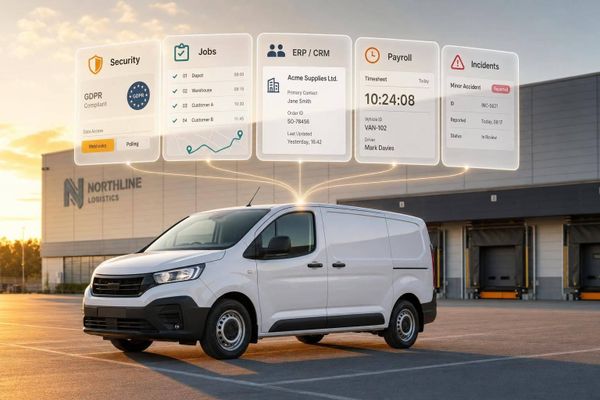
Five van telematics integration patterns—security, jobs, ERP/CRM, payroll and incidents—with webhook vs polling, ID/timestamp and GDPR guidance.
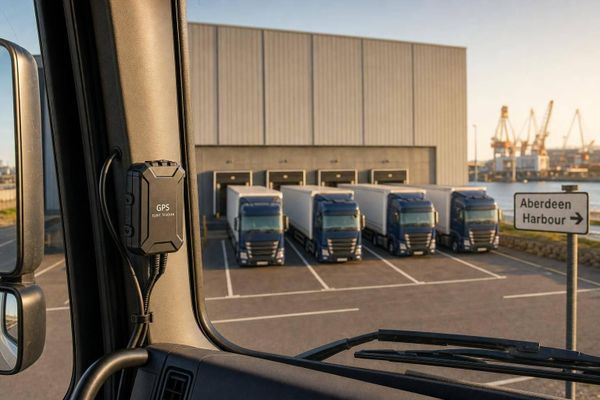
Compare rugged GPS trackers, tachograph support, local installation and pricing for Aberdeen truck fleets.
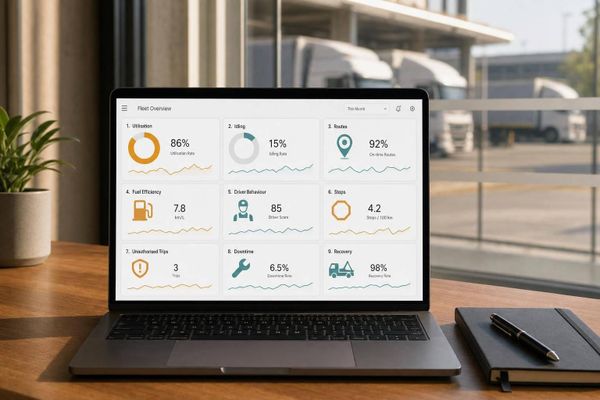
Nine telematics KPIs to monitor: utilisation, idling, routes, fuel, driver behaviour, stops, unauthorised trips, downtime and recovery.
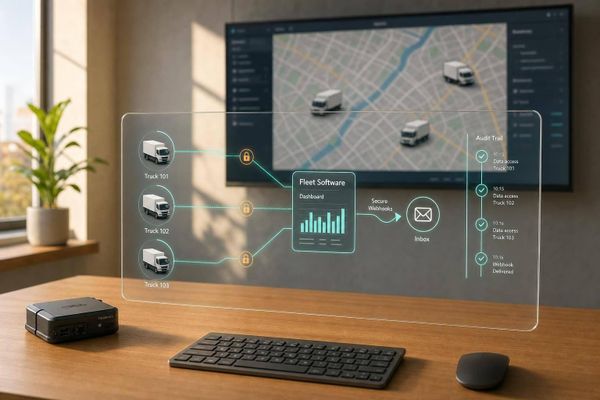
Treat telematics APIs as data feeds and command paths: map every hand-off, enforce least privilege, secure webhooks and audit actions.
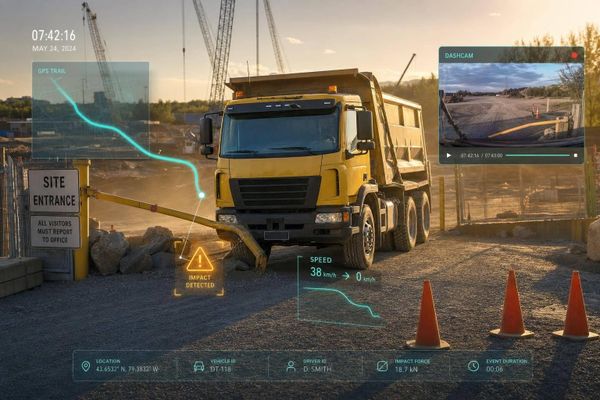
How GPS, timestamps, speed, impact alerts and video combine to reconstruct and report construction fleet accidents.
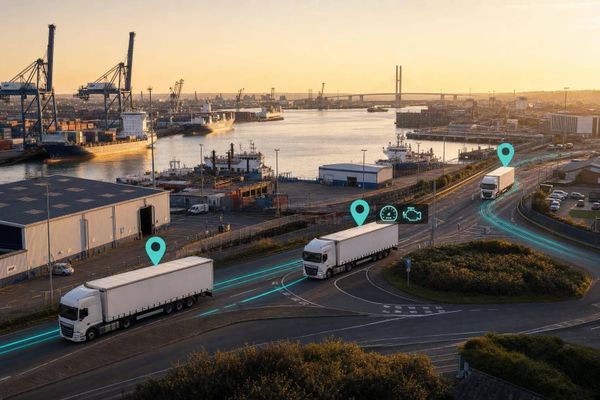
Compare HGV-ready fleet trackers in Southampton: live GPS, HGV routing, tachograph support, diagnostics, installation and pricing tips.
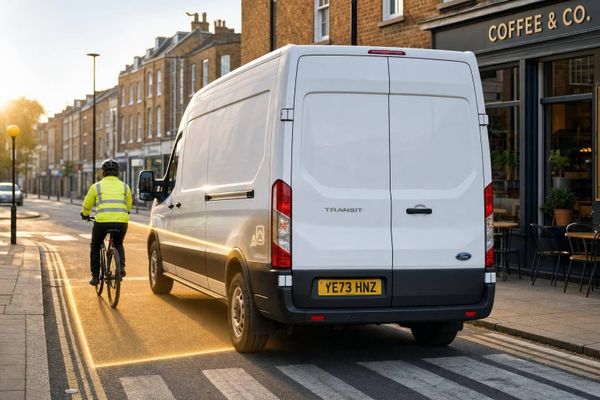
Blind spot detection is the clearest way UK van fleets can cut everyday collision risk in towns and cities.
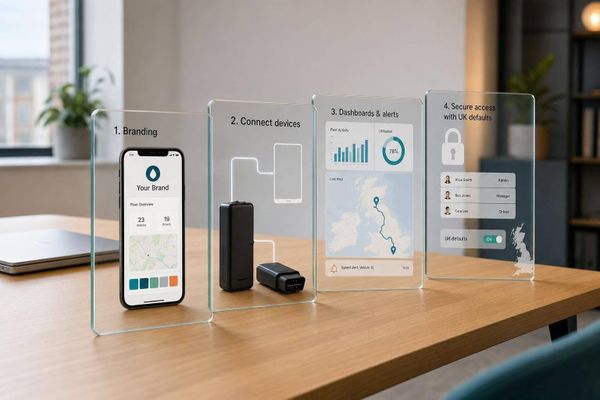
Four-step white label GPS setup: brand, connect devices, build dashboards/alerts, and secure user access with UK defaults.
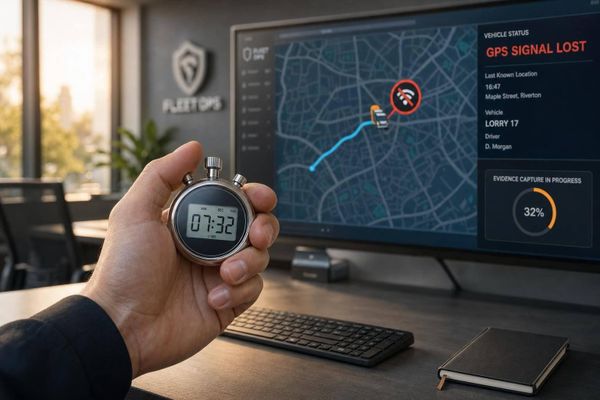
Identify sudden GPS loss vs faults, collect evidence in 5-10 minutes, and escalate suspected jamming for fast recovery.
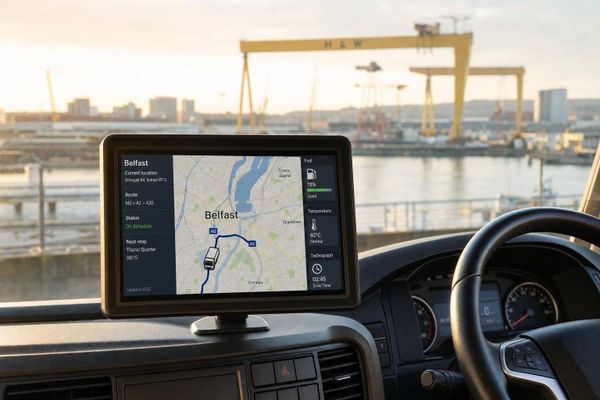
Guide to GPS trackers and telematics for trucks in Belfast: routing, tachograph support, sensors, installation and local aftercare.

Compare HGV-ready trackers, tachograph compliance, routing, and local Newcastle installation options.