AI vs Traditional Telematics Systems
Compare AI-powered and traditional telematics for fleets: features, costs, ROI, predictive maintenance, safety and scalability.
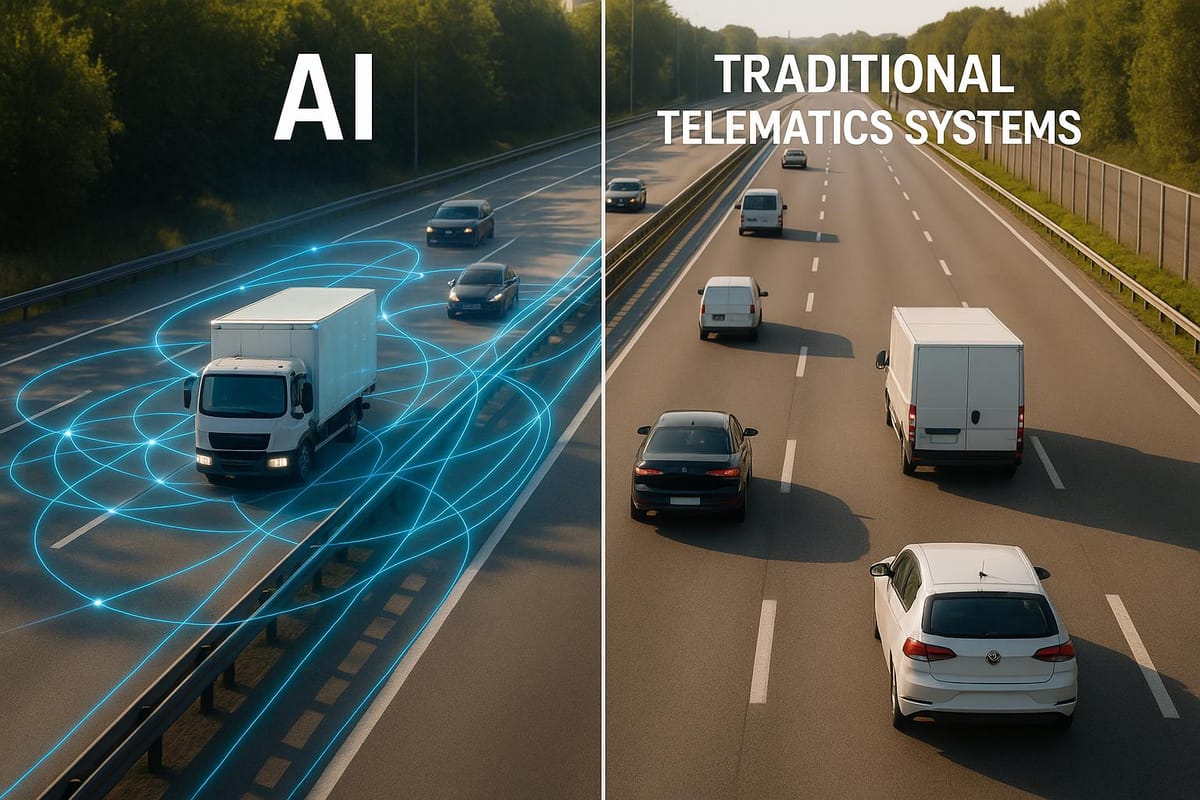
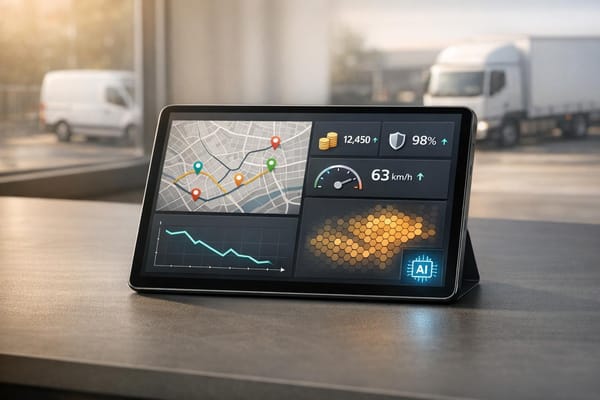
AI-powered telematics systems are transforming fleet management by predicting issues and improving efficiency, while traditional systems focus on basic data collection and reporting.
If you're managing a fleet, here's the key difference:
- Traditional systems tell you what happened - tracking location, fuel use, and engine health. They're affordable and effective for smaller fleets but lack real-time insights and predictive capabilities.
- AI systems go further, analysing data to predict risks, prevent breakdowns, and optimise routes. They reduce maintenance costs, improve safety, and scale easily for larger fleets.
For example, AI systems can predict vehicle failures weeks in advance with up to 95% accuracy, reducing downtime by 65%. While they cost more upfront, they often deliver ROI in 14–20 months through savings on fuel, maintenance, and insurance.
Quick Overview:
- Traditional Telematics: Basic tracking, reactive insights, lower upfront costs.
- AI-Powered Telematics: Predictive analysis, real-time alerts, higher savings long-term.
Choosing the right system depends on your fleet size, budget, and long-term goals.
Traditional Telematics Systems
Core Features and Functionality
Traditional telematics systems play a critical role in fleet management, acting as the foundation for tracking and monitoring vehicle activity. These systems keep tabs on location, speed, fuel consumption, and engine health, while also compiling detailed operational histories for entire fleets.
Using onboard diagnostic devices and sensors, these systems gather performance data and send it to centralised platforms. Fleet managers can then access this information through mobile apps, enabling them to generate reports and monitor operations. Real-time GPS tracking provides live updates on vehicle locations, while geofencing allows managers to set virtual boundaries and receive alerts whenever a vehicle crosses these limits. Driver monitoring features, such as speed tracking, work hour logs, and eco-driving metrics, help enforce safety standards and highlight areas where additional training may be needed.
Theft protection is another key feature. For instance, GRS Fleet Telematics employs dual-tracker technology, boasting a 91% recovery rate for stolen vehicles, as well as engine immobilisation to prevent unauthorised starts. These systems also generate detailed reports on fuel consumption, maintenance schedules, and overall fleet performance. For businesses looking for customisation, many traditional platforms offer white-label options to align with company branding. These systems are particularly useful for smaller fleets, where data volumes remain manageable and manual analysis is still practical. Industries like construction, logistics, and service maintenance benefit from basic operational oversight, improved route planning, and efficient vehicle dispatch. With hardware costs starting at £35 and monthly service fees from £7.99 per vehicle (excluding VAT), traditional telematics systems offer an affordable entry point for fleet management.
However, while these systems provide a solid foundation, they fall short in meeting the demands of modern fleet operations.
Limitations of Traditional Systems
Despite their established features, traditional telematics systems face several challenges, particularly when it comes to delivering real-time insights and enabling proactive management. One major drawback is their reactive nature - they report events only after they occur. As a result, fleet managers are left addressing problems rather than preventing them.
Data volume is another obstacle. A single vehicle can generate terabytes of data each year, but without advanced analytics, much of this information goes unused. Analysing extensive reports manually is not only time-consuming but also becomes nearly impossible as fleet sizes grow. While this might work for a fleet of 10 vehicles, scaling up to 100 vehicles makes manual review overwhelming [3, 4].
Driver safety monitoring also has its limitations. Traditional systems typically record incidents like harsh braking, speeding, or sudden acceleration after they happen. They lack the real-time capabilities needed to identify risks such as driver distraction or fatigue, which could otherwise allow for immediate corrective action.
Maintenance management faces similar challenges. These systems often depend on fixed schedules or mileage thresholds rather than the actual condition of the vehicle. This approach can lead to premature servicing or delayed maintenance, resulting in higher costs, unexpected breakdowns, and disruptions to operations.
Integration issues further complicate matters. Many traditional telematics systems were originally designed as standalone solutions, creating isolated data silos. This makes it difficult to integrate telematics data with other tools like maintenance management systems or dispatch software. For organisations relying on older systems, compatibility issues might necessitate costly custom development.
Lastly, while traditional systems are effective at documenting past events, they lack predictive capabilities. This limits proactive decision-making, often leading to increased operational costs and reduced efficiency.
Telematics & AI: Opportunities for Small & Medium-Sized Fleets
AI-Powered Telematics Systems
Traditional telematics systems focus on collecting and reporting data, but AI-powered systems take it a step further. They process information, predict outcomes, and suggest actions to improve operations. Using machine learning, these systems can analyse years of driving data in mere seconds, uncovering patterns that point to potential risks, maintenance requirements, or efficiency improvements. This shift turns telematics into a proactive, predictive tool rather than just a reactive one. Let’s dive into the advanced capabilities of AI and its ability to scale with ease.
Advanced Features Enabled by AI
AI-powered telematics harness technologies like deep learning, neural networks, and computer vision to transform raw data into meaningful insights.
One standout feature is predictive maintenance. By examining engine diagnostics, vibration patterns, driving habits, and environmental factors, AI can predict component failures with 92–95% accuracy, up to 3–8 weeks in advance. Compare that to the 60–75% accuracy of traditional systems, and it’s clear why this capability is a game-changer. The result? Unexpected breakdowns are reduced by 87%, and downtime is cut by 65%.
Real-time driver monitoring has also seen a leap forward. Modern dashcams equipped with AI can detect signs of distraction - whether it’s a driver using their phone, eating, or showing signs of fatigue - and send instant alerts. On top of this, obstacle and hazard prediction systems use forward-facing cameras to spot dangers like erratic drivers, pedestrians, road debris, or bad weather, allowing for proactive safety responses.
Route optimisation gets a smarter upgrade too. Instead of just mapping the shortest or fastest route based on current traffic, AI analyses delivery schedules, traffic patterns, and customer availability. This approach improves first-delivery success rates and lowers operational costs.
When incidents occur, AI steps in to simplify the aftermath. Automated systems gather footage, telematics data, and contextual information to create concise incident reports. These reports identify contributing factors, assess fault, and recommend preventive measures, saving both time and effort.
Scalability and Adaptability
AI doesn’t just enhance analytics - it also transforms how telematics systems scale. Thanks to cloud infrastructure, AI-powered systems can accommodate fleets of any size. Unlike traditional setups that need manual adjustments as a fleet grows, AI solutions continuously learn and adapt. In fact, the more data these systems process, the smarter they become, offering increasingly accurate insights as fleet sizes expand.
Cloud-based platforms also ensure smooth integration between field equipment, maintenance systems, and AI analytics. This interconnected approach achieves up to 98% data accuracy and reduces monitoring costs by 45% through automated data collection and intelligent processing. AI systems are also self-adjusting, adapting to changes like new routes, driver behaviours, vehicle types, or updated schedules - all without manual intervention. At the same time, they maintain robust data security with advanced encryption and redundant communication pathways.
For UK fleet operators, this adaptability removes many of the challenges tied to growth. Whether it’s expanding into new regions, integrating electric vehicles, or handling seasonal demand spikes, AI-powered telematics provide the flexibility needed to keep operations running smoothly.
Feature Comparison: AI vs Traditional Telematics
Traditional telematics systems are great at collecting and reporting historical data. For example, a single vehicle can produce terabytes of data annually through video telematics and IoT sensors. However, much of this data often goes unused without AI to make sense of it all.
AI-powered telematics systems take things to the next level. They don’t just report what happened - they dig into why it happened and even predict what could happen next. Thanks to machine learning, these systems can process years of driving data in seconds, uncovering patterns that reveal potential risks, maintenance needs, or ways to improve efficiency. This shift allows fleet managers to move from reactive problem-solving to proactive decision-making.
The difference in accuracy and response times between the two approaches is striking. Traditional systems predict equipment failures with 60–75% accuracy and only detect incidents after they happen. AI-powered systems, on the other hand, achieve 92–95% accuracy, often spotting potential issues 3–8 weeks in advance. They also provide real-time interventions, such as alerting drivers about fatigue or even activating emergency braking when hazards arise.
When it comes to data processing, traditional telematics systems create massive amounts of raw data that require manual analysis. This can overwhelm fleet managers trying to extract useful insights. AI-enabled platforms solve this by automatically turning continuous data streams into actionable insights, improving their predictions as they process more information.
Comparison Table
Here’s a quick breakdown of how AI-powered telematics stack up against traditional systems:
| Feature | Traditional Telematics | AI-Powered Telematics |
|---|---|---|
| Data Processing | Rule-based logic and historical reporting | Machine learning identifies patterns and risks in seconds |
| Decision-Making | Reactive, based on pre-set rules | Proactive, explaining causes and forecasting outcomes |
| Failure Prediction Accuracy | 60–75% | 92–95%, with 3–8 weeks of advance warning |
| Response Times | After incidents occur | Real-time alerts and automated safety measures |
| Data Accuracy | Basic collection needing manual analysis | 98% accuracy with automated insights |
| Monitoring Costs | High due to manual oversight | Up to 45% lower through automation |
| Maintenance Cost Reduction | Reactive, based on past data | 55–70% reduction within 18 months |
| Unexpected Failures | Standard breakdown rates | Up to 87% fewer unexpected failures |
| Operational Downtime | Normal levels | 65% reduction |
| Equipment Uptime | Varies with reactive maintenance | 95%+ uptime with predictive maintenance |
| Fuel Efficiency | Basic tracking | 20–30% improvement with optimised operations |
| Integration Complexity | Simpler but limited | Seamless integration with AI analytics and maintenance systems |
| Scalability | Requires manual adjustments | Learns and improves as data grows |
| ROI Timeline | Longer payback periods | Positive returns in 14–20 months |
Beyond these metrics, AI-powered systems bring major financial benefits. Predictive maintenance alone can save up to £185,000 per machine annually. In construction, maintenance costs drop by an average of £125,000 per machine each year, while overall profitability per machine increases by £75,000 to £200,000 annually. These figures highlight how AI shifts fleet management from reactive to predictive, delivering substantial savings.
Insurance providers are also recognising the benefits of AI-powered systems. Fleets using these technologies often qualify for significant premium discounts, while those sticking to traditional systems may face higher costs and competitive disadvantages.
Moreover, early adopters of AI systems gain a key advantage: the longer these systems are in place, the better they perform. Over time, this compounds benefits in driver safety, operational efficiency, and cost management, giving forward-thinking fleets a clear edge.
Cost and ROI Analysis
After exploring the features and scalability of telematics solutions, it's time to dive into their financial implications. Analysing telematics systems isn’t just about upfront expenses - it’s about understanding the ongoing costs and the potential for long-term savings. Both traditional and AI-powered systems come with distinct cost structures that influence your financial outcomes over time.
Implementation and Operating Costs
Traditional telematics systems often come with lower upfront costs, covering essentials like GPS hardware, OBD-II connectors, software licences, and basic integration. On the other hand, AI-powered systems require more advanced components, such as sophisticated sensors, machine learning infrastructure, and cloud analytics. These costs are typically calculated in GBP (inclusive of VAT), with some organisations benefiting from grant support.
Beyond the initial investment, ongoing expenses are a critical consideration. These include cloud infrastructure fees, data storage and processing, system maintenance, updates, staff training, and cybersecurity measures. AI systems, in particular, require consistent refinement and updates to their algorithms to ensure accurate predictions and adaptability to changing conditions.
Integration is another area where costs differ. AI systems often operate through cloud-based platforms, enabling seamless connectivity, real-time data visibility, and strong encryption. While traditional systems are simpler to integrate, they lack these advanced features and tend to incur higher labour costs as data volumes grow.
Understanding these upfront and ongoing costs provides a clearer picture of the financial commitment involved. But the real story lies in the long-term savings these systems can deliver.
Long-Term Savings and ROI
While AI-powered systems come with higher initial costs, the long-term financial benefits are compelling. These systems often achieve a positive return on investment within 14–20 months.
One of the biggest areas of savings is in maintenance costs. In industries like construction, AI-powered systems can cut maintenance expenses by 55–70% within 18 months. This translates to average annual savings of £125,000 per machine, with predictive maintenance protocols adding another £185,000 in annual savings per machine. These efficiencies significantly reduce unexpected equipment failures - by up to 87% - and cut downtime by 65%.
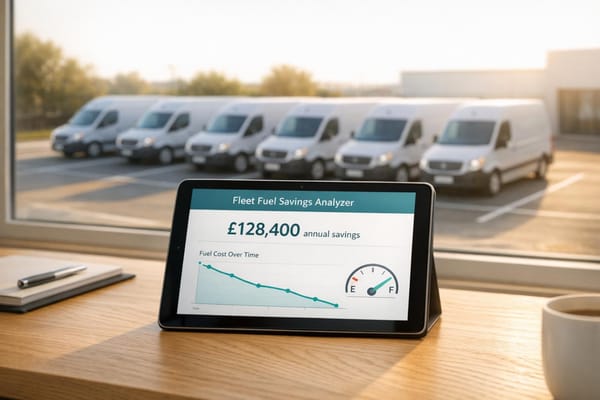
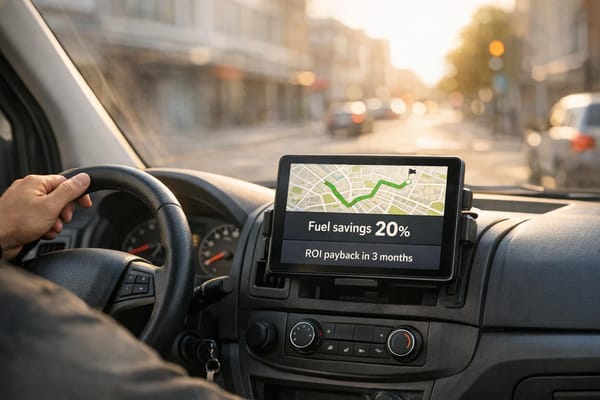
Fuel efficiency is another key area where AI systems excel, offering improvements of 20–30%. For example, a fleet of 50 vehicles, each covering 50,000 miles annually, could save thousands of pounds every month through optimised routing and driver behaviour management. AI algorithms analyse patterns in delivery schedules, traffic conditions, and customer availability to maximise efficiency.
Labour cost reductions also come into play, thanks to fewer accidents, less emergency repair work requiring overtime, and better maintenance scheduling. Improved equipment uptime - often exceeding 95% - ensures vehicles spend more time on the road generating revenue instead of sitting in the repair shop.
Insurance savings offer another financial incentive. Insurers increasingly recognise the risk reduction benefits of AI-powered telematics, offering substantial premium discounts. This not only lowers operating costs but also creates a competitive edge for fleets equipped with advanced systems. Conversely, fleets without AI capabilities may face rising insurance premiums, adding urgency to early adoption.
Scalability is yet another advantage of AI systems. These platforms can process vast amounts of driving data quickly, identifying subtle patterns that signal risks or opportunities for efficiency gains. As fleets grow, the predictive accuracy of AI systems improves, compounding the return on investment. Early adopters benefit from extended periods of system optimisation and data collection, while traditional systems - limited to historical data analysis - tend to deliver slower returns over the same period.
For fleet operators, the choice is clear: advanced solutions that combine cutting-edge functionality with cost-effective pricing are the way forward. At GRS Fleet Telematics, we aim to provide a strong ROI while enhancing operational efficiency, offering a competitive subscription model starting at just £7.99 per vehicle per month.
Performance Metrics and Impact on Operations
The success of any telematics system hinges on its ability to deliver real-world results. While traditional systems focus on reporting historical data, AI-driven solutions go a step further by predicting trends and offering actionable recommendations. This distinction sets the stage for how AI is reshaping operational performance and safety.
Efficiency and Safety Improvements
One of the standout features of AI-powered telematics is route optimisation. Unlike traditional systems that only track past routes, AI evaluates delivery patterns, traffic conditions, and customer availability to suggest more efficient routes. This approach not only increases the likelihood of first-time delivery success but also significantly cuts down delivery times and last-mile costs - all while keeping on-time delivery rates high.
AI also plays a critical role in improving safety. Traditional systems typically record accidents after they occur, but AI works proactively. It constantly monitors driver behaviour, road conditions, weather, and vehicle performance to identify potential risks. By recommending actions like alternative routes or timely driver breaks, AI helps prevent incidents before they happen. Advanced systems can even detect driver distractions or fatigue, using forward-facing cameras to issue alerts or activate safety features like emergency braking when hazards are detected.
Predictive Maintenance and Data Processing
AI-powered telematics also excels in predictive maintenance, a game-changer for fleet operations. By analysing engine diagnostics, vibration patterns, and environmental factors, AI can predict equipment failures with an accuracy of 92–95%, offering warnings up to 3–8 weeks in advance. This reduces unexpected breakdowns by 87% and cuts operational downtime by 65%, ensuring equipment availability stays above 95%.
When it comes to data processing, the sheer volume of information generated by a single vehicle - equipped with video telematics and IoT sensors - can reach terabytes annually. AI steps in to process this data continuously, uncovering patterns and providing actionable insights in real time. This enables faster, more informed decision-making.
Incident Investigation and Customer Service
AI simplifies incident investigations by automatically compiling video footage, telematics data, and contextual details into detailed reports. These reports not only identify the causes of incidents but also suggest measures to prevent similar occurrences in the future.
Customer service also benefits from AI-powered telematics. With features like accurate delivery predictions, automated notifications, and video confirmations, these systems reduce failed deliveries and improve communication with customers. The result? Smoother operations and happier clients.
Competitive and Operational Advantages
Companies that adopt AI-powered telematics early gain a significant edge. Over time, these systems accumulate data and refine their predictive capabilities, offering increasingly accurate insights. Additionally, some insurance providers now offer premium discounts to fleets using AI-driven systems, recognising their role in reducing risks associated with accidents and equipment failures. These advantages - combined with improved safety, maintenance, and operational strategies - make AI-powered telematics a valuable asset for modern fleets.
At GRS Fleet Telematics, we take fleet performance to the next level with our advanced van tracking solutions. Featuring dual-tracker technology and an impressive 91% recovery rate for stolen vehicles, we help fleet operators safeguard their assets and maintain efficiency - all at just £7.99 per vehicle per month.
Integration and Scalability Considerations
How well telematics systems integrate and scale plays a major role in shaping fleet efficiency and long-term performance. The differences in integration processes and scalability between traditional and AI-powered systems can significantly influence both the initial setup and future growth plans. These factors highlight how each system meets evolving fleet demands.
Ease of Integration
Traditional telematics systems integrate with fleet management tools using standardised APIs and data feeds. They gather essential vehicle data like GPS location, speed, fuel consumption, and engine diagnostics. While the data integration process is relatively simple, installing these systems is far from straightforward. Vehicles need retrofitted devices, which must be professionally installed - making it a time-intensive process.
On the other hand, AI-powered telematics require a more advanced setup. These systems connect seamlessly with dispatch, maintenance, and cloud analytics platforms, but they also handle massive data loads from video telematics and IoT sensors. Managing such vast amounts of data often requires system upgrades and standardisation to ensure smooth operation.
Training requirements also differ. Traditional systems are easier to learn, with fleet managers typically becoming proficient in just a few days. AI systems, however, introduce more complex concepts like predictive analytics, machine learning metrics, and automated decision-making. Fleet managers must learn to interpret AI-driven insights, such as predictive maintenance alerts that can forecast component failures weeks in advance, or recommendations for improving driver behaviour and route efficiency. While the learning curve is steeper, the continuous feedback provided by AI systems helps refine operations over time.
Scalability for Growing Fleets
Scalability is another key factor, especially for fleets that plan to expand.
In traditional systems, scalability comes at a cost. As the fleet grows, so do labour and analysis expenses. By contrast, AI systems use cloud-based algorithms that not only handle larger datasets but also improve their accuracy as data volumes increase. Machine learning processes this data efficiently, identifying risks, maintenance needs, and operational improvements. The more vehicles added, the more refined the recommendations become. With cloud-based platforms, real-time visibility across operations is maintained without requiring significant additional infrastructure. Whether managing a fleet of 100 or 1,000 vehicles - from London to Edinburgh - AI systems ensure operators stay informed and in control.
Cost is another important consideration. Traditional systems may seem less expensive upfront, but the labour and scaling costs add up over time. AI systems, while requiring higher initial investments in infrastructure and training, often deliver substantial savings in the long run. Many industry leaders report maintenance cost reductions of 55–70% within 18 months of full implementation, with a typical return on investment achieved within 14 to 20 months.
For example, GRS Fleet Telematics offers van tracking solutions starting at just £7.99 per vehicle per month. These solutions are designed to adapt as your business grows, providing both security and scalability to meet your fleet’s evolving needs.
Decision Framework for Fleet Operators
Choosing between AI-powered and traditional telematics systems isn't just about comparing costs. It’s about finding the right fit for your operational needs to ensure long-term value. Below, we’ll explore the key factors that can help you make the best decision for your fleet management.
Key Factors to Consider
Fleet size and operational complexity are critical starting points. For large fleets with diverse operations, AI systems shine. They can process data from hundreds of vehicles simultaneously, using pattern recognition to provide actionable insights. On the other hand, traditional systems are better suited for smaller fleets with simpler needs. As fleet size and complexity grow, traditional systems often struggle due to their reliance on manual data analysis, while AI handles the increased workload with ease.
Budget constraints are another major consideration. Traditional telematics may seem more affordable initially because of their lower upfront costs. However, their long-term value often diminishes, especially when compared to AI systems, which tend to deliver a return on investment within 14–20 months by significantly cutting maintenance costs.
For UK operators looking for affordable solutions, GRS Fleet Telematics offers van tracking starting at £7.99 per vehicle per month. With a 91% vehicle recovery rate and dual-tracker technology, it balances affordability and security, even for expanding fleets.
Growth trajectory plays a pivotal role in choosing the right system. Traditional systems scale linearly, requiring more storage and manual processing as fleets expand, which can become cumbersome. In contrast, AI systems scale far more efficiently, with algorithms that handle increasing data volumes without proportionally raising operational costs. If you’re planning substantial growth - whether it’s 50%, 100%, or more - AI systems are better equipped to grow with you.
Compliance requirements also vary by region and industry. AI systems excel here by automating incident investigations and compliance reporting, saving significant manual effort.
Integration compatibility is vital for smooth operations. Traditional systems often integrate more easily with legacy tools, given their long-standing presence in the industry. However, modern AI-based telematics, especially cloud-based platforms, are designed for seamless integration while maintaining high levels of data security through advanced encryption and redundant communication pathways.
Real-world case studies highlight how these factors can impact operations, offering valuable lessons for fleet operators.
Driver Safety and Operational Priorities
While cost and scalability matter, driver safety and operational priorities should never take a backseat. Safety directly affects insurance premiums, liability risks, and employee wellbeing, making it a key factor in your decision.
AI systems actively monitor driver behaviour and road conditions, delivering real-time alerts to prevent accidents. By analysing camera feeds, they can detect hazards like erratic drivers, pedestrians, road debris, or sudden weather changes, providing warnings before incidents occur. This proactive approach not only reduces risks but also earns recognition from insurers, often resulting in premium discounts.
Traditional systems, however, are reactive. They log incidents after they happen, offering limited value for operators focused on prevention. For industries with high safety demands or strong safety cultures, this difference is critical.
Predictive maintenance is another area where AI takes the lead. It forecasts maintenance needs with impressive accuracy, minimising downtime and avoiding costly breakdowns. This can translate into significant annual savings per vehicle.
Competitive positioning is increasingly influenced by telematics choices. Early adopters of AI systems are gaining advantages in safety, efficiency, and cost management. These benefits compound over time as the systems optimise and collect more data, leaving competitors relying on traditional systems at a disadvantage. For operators in competitive markets, delaying AI adoption could lead to higher insurance costs and reduced market positioning. That said, for fleets in stable, low-growth industries, traditional systems may still suffice.
Implementation timelines also differ. Traditional systems can be deployed quickly, while AI solutions take longer to set up. However, once operational, AI requires far less manual intervention, streamlining processes in the long run .
Ultimately, aligning your priorities - whether they’re cost savings, safety enhancements, or operational efficiency - will guide your decision. If your needs are basic, traditional systems may fit the bill. But if you’re aiming for long-term gains through predictive analytics, safety improvements, and competitive edge, investing in AI-powered telematics is a decision that pays off over time.
Conclusion
When it comes to fleet management, the decision between AI-powered and traditional telematics systems has a direct impact on efficiency, cost savings, and staying competitive in the market. Traditional telematics systems are a dependable choice for smaller fleets with straightforward logistics, especially when working within tight budgets. They focus on reliable data collection and reporting, which can meet basic operational needs.
AI-powered telematics, on the other hand, take things a step further by shifting from simply reporting issues to actively predicting and preventing them. These systems analyse data to foresee potential problems and suggest preventive actions, offering a proactive approach to fleet management. For instance, UK retailers using AI-powered telematics have seen notable improvements in delivery schedules and reductions in operational costs.
The predictive capabilities of AI systems bring measurable financial advantages. While traditional systems often come with lower upfront costs, AI-powered systems typically deliver a positive return on investment within 14 to 20 months, thanks to their ability to optimise costs comprehensively. Over time, early adopters gain even greater benefits as their systems improve with more data, building predictive models that traditional systems simply can't replicate.
The telematics landscape is evolving quickly. Insurance providers are already recognising the value of AI-powered systems, offering substantial discounts on premiums for fleets that adopt them. In contrast, fleets sticking with traditional systems may face higher insurance costs and struggle to remain competitive.
FAQs
How do AI-powered telematics systems compare to traditional ones for managing my fleet?
When looking at AI-powered telematics systems versus traditional options, there are a few standout features worth considering: security measures, real-time tracking, driver performance analysis, and insightful data analytics. These AI-driven systems often deliver deeper fleet analytics, which can lead to smarter decisions and more efficient operations.
Take dual-tracker technology, for instance. It offers robust security with impressive recovery rates for stolen vehicles, giving fleet operators added reassurance. On top of that, tools like real-time theft alerts and comprehensive reporting can streamline fleet management and help cut down costs over time.
Why do AI-powered telematics systems deliver a faster return on investment compared to traditional systems?
AI-driven telematics systems help businesses see a faster return on investment by using advanced technology to streamline fleet operations. Through real-time data analysis and machine learning, these systems pinpoint inefficiencies, cut down on fuel use, and encourage safer driving habits. The result? Lower operating expenses and a boost in overall productivity.
What’s more, these systems come with predictive maintenance tools, enabling fleet managers to tackle potential vehicle problems before they escalate into expensive repairs. With added security features like dual-tracker technology and better theft recovery, they safeguard assets and reduce financial risks. Together, these advantages translate into noticeable cost savings and long-term benefits for companies.
How does AI-powered telematics enhance driver safety and help lower fleet costs?
AI-driven telematics is transforming driver safety by keeping a close eye on speed, identifying risky driving patterns, and employing geofencing to ensure vehicles stay within approved zones. It also encourages more responsible driving through eco-driving analytics, which promote fuel-efficient and safer habits behind the wheel.
For fleet operators, these systems offer a way to cut costs by improving route planning, boosting fuel efficiency, and enabling real-time vehicle tracking. This approach reduces extra mileage, limits fuel waste, and streamlines overall operations.