AI Route Recalibration for Construction Fleets
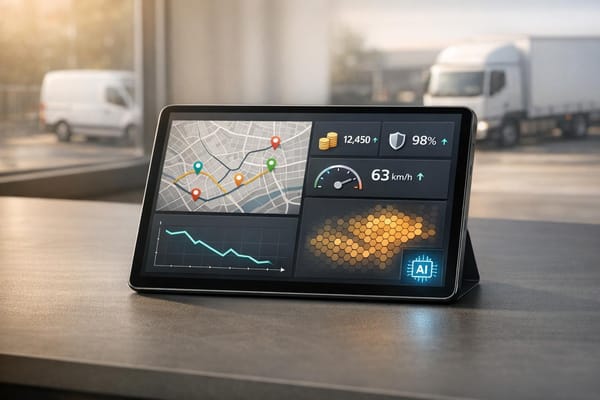
AI route recalibration uses real‑time traffic, weather and telematics to reduce fuel, cut downtime and optimise construction fleet deliveries.
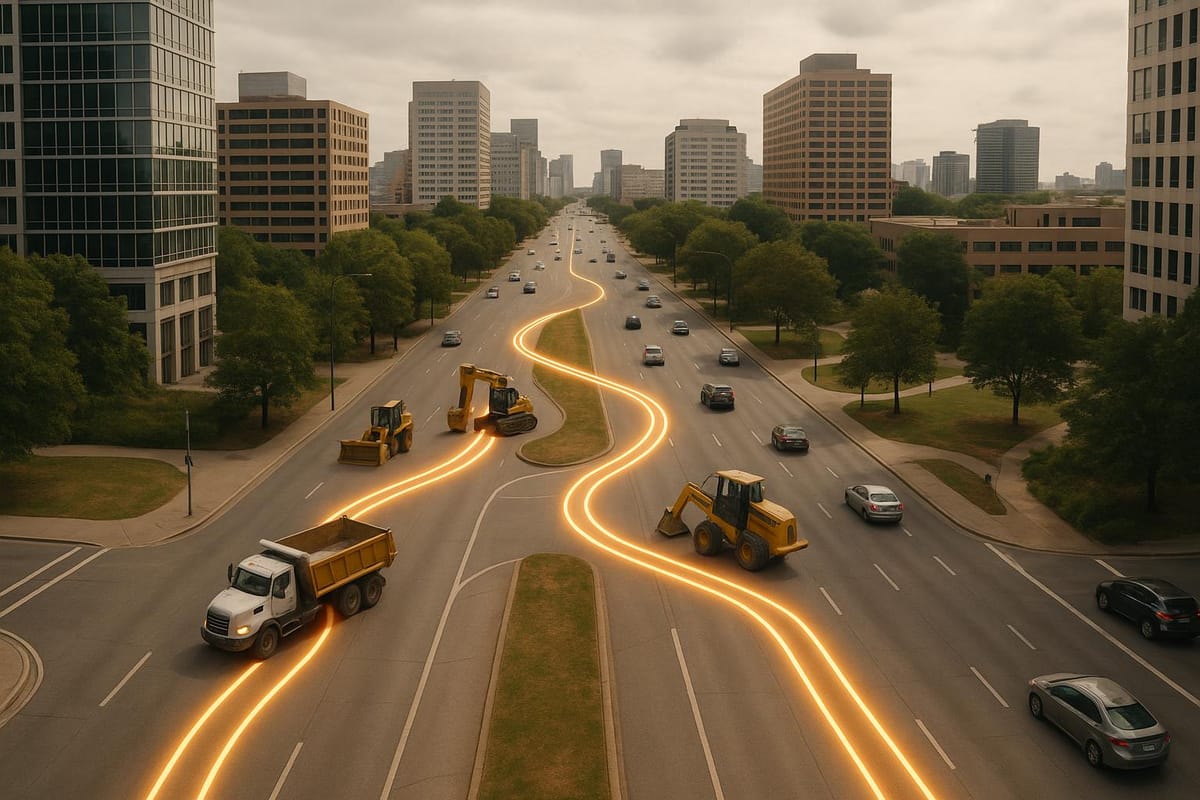
AI route recalibration transforms construction fleet operations by using real-time data to optimise routes, reduce costs, and improve efficiency. It addresses common challenges like traffic delays, weather disruptions, and complex delivery schedules, ensuring fleets stay productive and cost-effective.
Key Takeaways:
- Cost Savings: Cuts fuel costs by up to 15% and reduces breakdowns by over 70%.
- Improved Efficiency: Minimises delays and downtime, enabling fleets to handle more deliveries.
- Real-Time Adjustments: Adapts routes instantly based on traffic, weather, and site conditions.
- Safety and Compliance: Accounts for weight limits, driver schedules, and legal regulations.
- Enhanced Tracking: Real-time GPS and geofencing ensure precise vehicle monitoring.
By leveraging AI, construction fleets can streamline operations, meet tight deadlines, and reduce overall expenses. For an affordable starting point, tools like GRS Fleet Telematics (£7.99 per vehicle/month) offer essential features like GPS tracking and fuel efficiency monitoring.
AI-Driven Logistics Solutions | Logistics Route Optimizer
Routing Challenges in Construction Fleet Operations
Managing construction fleets presents a unique set of logistical hurdles that differ significantly from standard delivery operations. Unlike parcel carriers, which often follow predictable routes, construction vehicles must navigate ever-changing schedules, transport oversized and heavy loads through restricted areas, and respond to urgent on-site demands - all while juggling multiple active projects. These complexities call for dynamic, AI-powered solutions to keep operations running smoothly.
Multiple Job Sites with Changing Schedules
Construction sites are rarely predictable. A concrete pour initially planned for 10:00 AM might be delayed until 2:00 PM due to weather or equipment issues. While traditional GPS systems focus solely on the shortest route, they fail to account for delivery windows or site-specific restrictions. In contrast, AI systems can instantly adjust routes when schedules shift. For example, if a site supervisor delays a delivery, the system can reroute the vehicle to another nearby site or modify its departure time, minimising idle time and keeping operations efficient.
This flexibility is especially critical when managing multiple active sites, each with its own access restrictions and equipment needs. In the UK, where weather conditions can change rapidly and affect site access, this adaptability is invaluable. Heavy loads further complicate routing, adding another layer of constraints for fleet operators to manage effectively.
Heavy Equipment and Material Transport
Construction vehicles often carry loads close to their maximum legal weight limits, which restricts the roads they can use. For example, a 40-tonne articulated lorry transporting steel beams must avoid residential streets with 7.5-tonne weight restrictions, steer clear of low bridges, and navigate height limits near overhead power lines.
Each construction site may impose different access requirements. Some restrict vehicles above a certain height, others limit weight on approach roads, and many require vehicles with specialised features like crane hooks or flatbeds. AI route optimisation systems take all these factors into account, integrating vehicle specifications, geofencing data, and site constraints into their algorithms. They can automatically identify the best route, calculate precise arrival times to avoid congestion, and even account for the time needed to manoeuvre large vehicles into tight spaces. This level of precision not only boosts efficiency but also enhances safety for both drivers and on-site workers.
Time-Critical Deliveries and Emergency Responses
Tight schedules are the norm in construction, where even minor delays can have a domino effect. For instance, if a concrete delivery is delayed by just 30 minutes, the material may begin to set, making it unusable and leading to costly disposal. Similarly, an equipment breakdown on-site often demands immediate action, whether it’s a repair or a replacement, to avoid halting progress.
Traditional systems rely on manual recalculations, which can take 15–30 minutes and slow down response times. AI-powered systems eliminate this delay by recalibrating routes in real time, considering current vehicle locations, traffic conditions, driver availability, and delivery windows. This ensures the fastest possible response without disrupting other commitments.
Additionally, AI systems use real-time telematics data to monitor vehicle locations, speeds, and driver statuses, allowing them to pinpoint the closest available vehicle during emergencies. By continuously analysing factors like traffic, weather, and site readiness, these systems ensure materials and equipment arrive exactly when needed, demonstrating their ability to adapt to the ever-changing demands of construction fleet operations.
Key Parameters for AI-Driven Route Optimisation
AI-powered route optimisation goes far beyond basic GPS navigation. While traditional systems focus on finding the shortest path from point A to point B, AI systems take a more nuanced approach. They factor in vehicle attributes, environmental conditions, and workforce logistics to create routes that are both efficient and compliant. For construction companies, understanding these parameters is essential to get the most out of their investment and avoid common pitfalls during implementation. These considerations lay the groundwork for fine-tuning and recalibrating fleet routes effectively.
Vehicle and Equipment Specifications
Every construction vehicle has its own set of characteristics that influence which routes it can safely and efficiently navigate. AI systems take into account variables such as payload weight, volume capacity, axle configurations, and overall dimensions (length, width, and height). For instance, the routing needs of a heavy-duty lorry differ significantly from those of a smaller van.
By aligning vehicle dimensions and load capacities with road restrictions, the AI avoids assigning unsuitable routes. It can identify roads with weight limits, bridges with height restrictions, or narrow residential streets that larger vehicles simply can't navigate. This ensures vehicles arrive at their destinations without unnecessary delays or complications.
The complexity increases with specialised equipment. Construction fleets often include vehicles like concrete mixers, crane-equipped lorries, scaffolding carriers, and flatbed trucks, each with specific requirements. The AI ensures that the right vehicle is assigned to the right job. For example, a site requiring crane-assisted delivery will not be assigned a standard flatbed truck, ensuring every delivery meets the unique requirements of the job.
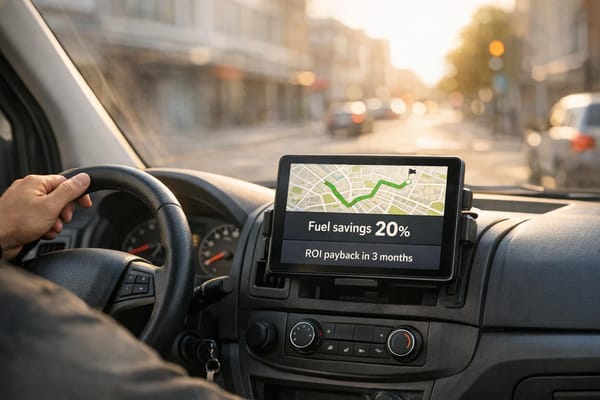
Fuel efficiency is another critical factor. Larger, heavier vehicles tend to consume more fuel, especially on certain routes. By incorporating fuel consumption data into its calculations, the AI can select routes that strike a balance between distance and fuel efficiency. This optimisation has tangible benefits: construction companies using AI for route planning typically report a 15% reduction in fuel costs, thanks to smarter route selection and improved driving behaviours.
Traffic and Weather Conditions
Traffic and weather are two variables that can make or break delivery schedules, particularly in a dynamic environment like the UK. AI systems integrate real-time traffic updates from sources such as TfL and the Highways Agency, alongside historical traffic patterns, to predict and avoid congestion.
For example, if the AI detects heavy traffic on the M25, it can instantly reroute vehicles to minimise idle time and keep deliveries on schedule. Over time, the system learns from these adjustments, refining its recommendations for future journeys.
Weather forecasting is equally crucial, especially in the UK, where conditions can shift quickly. AI systems analyse upcoming weather patterns to reroute vehicles away from hazards like flooding, ice, or severe storms. In challenging conditions, the AI can also adjust journey time estimates, providing more accurate delivery predictions and helping to prevent delays from snowballing into larger project setbacks.
The results speak for themselves: companies using AI-driven real-time route optimisation report an average 18% reduction in delivery costs, largely due to fewer delays caused by traffic and unpredictable weather.
Driver Schedules and Shift Management
Efficient route planning isn’t just about vehicles and roads - it’s also about the people behind the wheel. AI systems incorporate driver schedules, Hours of Service regulations, and certifications to ensure routes are both practical and compliant with legal requirements.
For example, the AI considers driver start and end locations, shift durations, and mandatory break times. This is particularly important for drivers covering multiple job sites in a single shift. The system calculates whether all deliveries can be completed within the legal working hours and flags potential violations before they occur, allowing dispatchers to make adjustments.
Fatigue management is another key focus. AI systems design routes with built-in rest stops, ensuring drivers remain alert and safe throughout their shifts. By prioritising driver welfare, companies reduce the risk of accidents while staying compliant with regulations. This approach benefits not just the drivers but also the overall efficiency and reputation of the business.
Steps to Implement AI Route Recalibration
Switching from traditional routing methods to an AI-driven system isn't something you can rush. If you do, you risk pushback from drivers, integration headaches, and unreliable results. A phased approach is the way to go - it helps reduce disruptions and builds trust in the new system. Below is a practical roadmap to help construction operations adopt AI route recalibration smoothly.
Phase 1: Assess Current Fleet Operations
Before diving into AI, it's crucial to understand how your current system is performing. This step helps pinpoint inefficiencies and sets clear targets for improvement.
Start by gathering detailed data from your fleet operations. This includes things like route patterns for different vehicle types, fuel consumption across various routes, vehicle usage rates, driver shift logs, job site locations, schedules, equipment details, and past delivery times. Don’t forget to include incident reports that highlight recurring issues. For example, note traffic patterns on routes like the M25, seasonal weather challenges like icy winters or autumn flooding, and any consistent bottlenecks.
This data collection isn't just for the sake of analysis - it’s the foundation for spotting areas where AI can make a difference. Companies that have done this well have reported outcomes like an 18% drop in delivery costs and a 15% reduction in fuel expenses. Be sure to record financial metrics such as delivery costs, average fuel spend, and maintenance expenses. Also, consider the cost of equipment downtime to create a complete cost–benefit analysis.
Once you’ve got this baseline, you’re ready to test AI solutions on a smaller scale.
Phase 2: Run a Pilot Programme
Jumping straight into a full rollout isn’t ideal. A pilot programme allows you to test the waters, gather data, and tweak the system before scaling it up.
Start with 10–20% of your fleet, focusing on routes and vehicles that are particularly challenging or expensive to manage. For instance, consider routes with multiple job sites, heavy equipment transport, or tight schedules. If you have specialised vehicles like concrete mixers or tool delivery vans, group them together for more focused testing. These scenarios can highlight how AI recalibration handles complex tasks.
During the pilot, track key metrics such as fuel consumption per mile, average journey times, on-time delivery rates, and vehicle usage. Secondary metrics like reduced equipment downtime, improved job completion rates, and fewer safety incidents are also valuable. Real-world examples show promising results: one company saw a 6% improvement in on-time deliveries, while an American cabinet manufacturer reported a 73% boost in delivery success and a 34-point jump in customer satisfaction.
It’s wise to run the AI system alongside traditional routing during the pilot. This lets you compare the two and refine the AI for construction-specific challenges. Keep an eye on instances where dispatchers override AI recommendations - these insights can improve the algorithms. Also, make sure drivers are on board: explain the benefits of AI, provide training on how to use it, and set up a feedback system for reporting issues.
Phase 3: Scale and Optimise
If the pilot shows clear improvements, it’s time to expand the AI system. However, scaling up should be gradual to ensure a smooth transition.
Plan for a phased rollout over three to six months. For example, expand to 25–50% of the fleet in the second month and aim for full coverage by the sixth month. This approach allows time to manage technical integration, give drivers room to adapt, and feed more data into the system for better predictions.
Integration is a critical step. The AI platform must work seamlessly with your existing systems, such as TMS, fleet tracking, driver scheduling, and maintenance management. Tools like GRS Fleet Telematics (https://grsft.com) can enhance this process by providing real-time vehicle tracking, which is essential for optimising routes. These systems offer precise updates on location, speed, and vehicle status, feeding directly into the AI algorithms. For construction fleets, integration should also cover equipment tracking, site arrival and departure logs, and idle time monitoring to measure asset usage accurately.
Geofencing can further improve efficiency. It ensures compliance with local access rules by alerting dispatchers when vehicles approach restricted areas or stray from optimised routes. Additionally, telematics-based driver monitoring - tracking acceleration, braking, and speed - can enhance safety and refine route recommendations.
Ongoing optimisation is crucial. Regularly analyse data from fleet analytics, such as fuel usage and maintenance records, to fine-tune the AI system. Train your team - dispatchers, drivers, and site managers - regularly to ensure everyone stays aligned. Document lessons learned during the scaling phase to streamline future improvements. Continuous refinement will help you unlock greater efficiency and cost savings over time.
Integrating AI Route Recalibration with Fleet Telematics
For AI route recalibration to work effectively, it relies on a constant stream of accurate, real-time data. This is where fleet telematics systems come into play. These systems track vehicle locations, speeds, and statuses, feeding this information directly into AI algorithms to enable dynamic routing decisions. For construction fleets, this means the system always knows exactly where vehicles are - whether they’re on their way to a job site, stuck in traffic on the M25, or parked at a depot.
This live data allows AI to make decisions in real time. For instance, if a concrete mixer is delayed due to an accident on the motorway, the AI can quickly detect the issue and reroute the vehicle using alternative roads. On the other hand, if a vehicle is running ahead of schedule, the system might adjust its route to handle an urgent request. Traditional routing methods often fail to react until delays have already disrupted operations, but AI paired with advanced telematics bridges this gap.
GRS Fleet Telematics offers real-time tracking via web and mobile apps, providing live GPS updates, speed monitoring, and vital vehicle status data. Its dual-tracker setup ensures uninterrupted data flow, with a hardwired tracker supported by a hidden Bluetooth backup tracker to maintain location information even in areas with weak mobile coverage. Businesses using AI-powered route optimisation have reported up to a 6% improvement in on-time deliveries and an 18% reduction in delivery costs.
Geofencing and Site-Specific Constraints
Construction sites present unique challenges compared to standard delivery locations. They often have specific access points, restricted areas, designated parking zones, and fixed time windows for deliveries. Geofencing technology helps manage these complexities by allowing managers to set virtual boundaries around sites, ensuring AI recalibration takes these constraints into account. With geofencing, the system directs vehicles to precise locations, rather than just a general address.
This feature is especially useful in urban environments. For example, a site in central London might only allow deliveries between 7:00 AM and 5:00 PM on weekdays, with strict entry points to reduce traffic disruption. Geofencing ensures vehicles arrive within approved timeframes and use the correct access points. It also supports compliance with regulations like ULEZ by automatically routing vehicles through approved corridors.
GRS Fleet Telematics includes geofencing capabilities that let fleet managers quickly establish and adjust virtual boundaries as site conditions change. This not only improves route accuracy but also logs entry and exit times, creating a detailed audit trail - essential for managing multiple construction sites efficiently.
Driver Behaviour and Safety Monitoring
Efficient routing isn’t just about speed; it’s also about safety and sustainability. Telematics systems monitor key driver behaviours like acceleration, braking, speeding, and idling. For construction fleets carrying valuable equipment, keeping an eye on driver performance is critical. Harsh braking or aggressive acceleration can increase fuel consumption, wear down vehicles faster, and heighten accident risks.
Using this data, AI can tailor route recommendations to individual drivers. For example, if a driver performs better on motorways than in congested urban areas, the system can prioritise routes that suit their strengths. GRS Fleet Telematics supports this approach with features like speed monitoring, geofencing alerts, and eco-driving analytics, helping reduce fuel consumption. Industry figures suggest this type of optimisation can lower fuel costs by up to 15%.
Real-time safety monitoring also helps identify risky driving behaviours before they lead to accidents, reducing downtime and disruptions. The system tracks working hours to ensure compliance with the UK's Working Time Regulations. By continuously refining route recommendations based on driver performance and operational data, AI helps fleets operate more efficiently, safely, and cost-effectively.
GRS Fleet Telematics combines route planning, fuel efficiency tracking, and driver monitoring into a single package. At £7.99 per vehicle per month (ex. VAT), it offers an affordable solution for AI-driven route optimisation.
Measuring ROI and Success of AI Route Recalibration
Investing in AI route recalibration for construction fleets is no small decision, so it’s crucial to evaluate its financial impact. Without clear metrics, it’s hard to tell if the system is simplifying operations or just adding unnecessary complexity. The good news? You don’t need overly complex analytics - just consistent tracking of a few key metrics. This builds on insights from earlier tools like telematics and routing systems.
Start by gathering baseline data for at least 30 days (ideally 60–90 days for more accuracy). This should include details like total miles driven, fuel costs, maintenance expenses, downtime hours, completed jobs, average delivery times, and vehicle utilisation rates. Make sure to note any outliers, like extreme weather or equipment failures, that could skew the results. Once the AI system is in place, use the same tracking methods for accurate comparisons.
Fuel and Maintenance Cost Savings
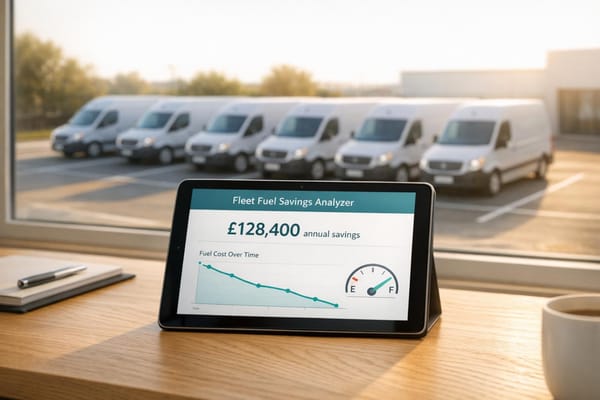
Fuel is a major cost driver, often accounting for up to 40% of fleet expenses. This makes it one of the easiest areas to measure savings from AI route recalibration. To calculate, first record your baseline fuel spend and miles driven, then divide total fuel costs by total miles to find the cost per mile. After implementing AI, repeat this calculation monthly.
For example, cutting fuel costs from £0.45 to £0.38 per mile across 10,000 monthly miles adds up quickly. Many companies using AI for fuel-efficient routing report savings of around 15%. Keep these figures in a spreadsheet for monthly comparisons to clearly show ROI to stakeholders.
Maintenance costs follow a similar trend. AI recalibration reduces unnecessary mileage and optimises driving patterns, leading to less wear and tear. Track maintenance expenses - including parts, labour, and unplanned repairs - for at least three months before implementation, then compare monthly after the switch.
The potential impact is impressive. AI systems can reduce unexpected breakdowns by over 70% and cut maintenance costs by up to 15%. These systems also flag potential maintenance issues early, helping prevent costly roadside emergencies.
GRS Fleet Telematics simplifies this process with detailed reports on fuel use, maintenance, and performance. Its fuel efficiency tracking and eco-driving analytics provide the data you need to calculate savings. At £7.99 per vehicle per month (ex. VAT), the system often pays for itself through reduced fuel and maintenance costs.
Improved Asset Utilisation
Efficient asset use directly affects productivity and profitability. AI route recalibration improves this by cutting down on empty miles, reducing idle time, and ensuring vehicles are deployed where they’re needed most.
To measure improvements, calculate the percentage of time each vehicle spends actively working versus idling or running empty. Real-time GPS tracking provides continuous data on location, speed, and activity, making it easier to monitor usage. Compare these figures before and after AI implementation to see the difference.
Geofencing adds another layer of detail by automatically tracking arrival and departure times at job sites. This data shows how long vehicles are actively working versus sitting idle or travelling between locations, especially useful for fleets managing multiple sites.
For example, increasing active time from 60% to 75% per vehicle means you can either complete more jobs with the same fleet or downsize without losing productivity.
GRS Fleet Telematics supports these measurements with real-time tracking and geofencing tools. The system’s analytics make it easy to demonstrate how AI recalibration improves asset utilisation and boosts overall efficiency.
Downtime and Job Completion Rates
Vehicle downtime is costly - it not only eats into profits but also frustrates clients. AI route recalibration helps by avoiding delays, steering clear of risky roads, and enabling proactive maintenance.
Track downtime by recording hours lost to mechanical issues, traffic delays, or inefficient routing. Compare these numbers before and after AI implementation. For instance, if downtime drops from 40 to 25 hours per vehicle per month, that’s 15 hours of reclaimed productivity - time that can be used to complete more jobs.
Job completion rates are another key metric. Record how many jobs each vehicle completes daily or weekly before AI, then track changes after implementation. If the baseline is 8 jobs per day and the AI system increases this to 9.5, that’s an 18.75% boost in productivity. Smarter routing helps reclaim lost hours, enabling fleets to complete more work in less time.
AI systems also improve over time, learning from operational data to optimise routes and anticipate challenges. This means the ROI often grows the longer the system is in use.
GRS Fleet Telematics makes tracking these metrics straightforward with real-time location data and comprehensive reporting. Features like driver behaviour monitoring and geofencing alerts help identify and address issues before they cause delays. By analysing performance data, the platform provides clear evidence of reduced downtime and higher job completion rates.
To calculate total cost of ownership (TCO) reduction, add up all fleet-related expenses: fuel, maintenance, depreciation, driver wages, insurance, and admin costs. Divide the total by the number of vehicles and months for a baseline TCO per vehicle. After AI implementation, recalculate using the same method. For example, if baseline TCO is £2,500 per vehicle monthly and AI reduces it to £2,150 through savings on fuel (£150), maintenance (£100), and driver efficiency (£100), that’s a monthly reduction of £350 per vehicle - or £4,200 annually for a 10-vehicle fleet.
Conclusion
AI-driven route recalibration is reshaping how construction fleets are managed on a daily basis. It tackles challenges like coordinating multiple job sites, transporting heavy equipment, and meeting tight delivery deadlines - all while delivering noticeable improvements in efficiency and cost control. These solutions address the specific pain points of scheduling, heavy transport logistics, and urgent deliveries.
The numbers speak for themselves: route optimisation can cut mileage by over 10%, reduce planning time by 50–70%, and lower unexpected breakdowns by more than 70%. Maintenance costs can also drop by as much as 15%.
What makes this technology so effective is its ability to handle complex variables. By analysing factors like traffic patterns, weather conditions, delivery deadlines, vehicle capabilities, driver schedules, and site-specific constraints, the system continuously adapts and improves. Over time, this learning process leads to increasingly precise and efficient route predictions.
To start benefiting from these advancements, construction fleet managers should take a phased approach. Begin by evaluating current operations, then test the system with 10–20% of the fleet. Gradually scale up while keeping a close eye on key metrics such as fuel consumption, maintenance expenses, asset usage, and job completion rates. These measurements will clearly demonstrate the return on investment.
One tool that supports this transformation is GRS Fleet Telematics. For £7.99 per vehicle per month (ex. VAT) and hardware starting at £35, it offers features like real-time GPS tracking, fleet analytics, and geofencing. With precise fuel efficiency tracking and detailed performance reports, it’s easier than ever to measure improvements in downtime, job completion rates, and overall fleet performance.
For managers overseeing operations in busy urban areas or across multiple sites, AI route recalibration isn’t just about saving money. It’s about creating a more agile, efficient operation that can handle growing demands without increasing the size of the fleet. It also aligns with sustainability goals, helping businesses reduce their environmental impact.
The benefits of AI route recalibration are undeniable. The next step is straightforward: implement it quickly to start reaping the rewards.
FAQs
How does AI-powered route recalibration help construction fleets overcome logistical challenges?
AI-driven route recalibration is tailored to meet the specific challenges faced by construction fleets. These fleets often juggle intricate logistics, shifting site locations, heavy machinery, and strict project deadlines - factors that go beyond the scope of standard delivery operations.
With real-time route adjustments, AI minimises delays caused by traffic, road closures, or unexpected disruptions. This ensures that materials and equipment reach their destinations on schedule, boosting efficiency and keeping projects on track. On top of that, optimised routing can cut down on fuel usage and operational expenses, offering a more sustainable and budget-friendly approach to fleet management.
How can construction fleet managers implement AI-driven route recalibration effectively and ensure a seamless transition?
To make AI-driven route recalibration work effectively, construction fleet managers should start by evaluating their current logistics setup. Pinpoint areas that need improvement - whether that's cutting down delays or getting more out of your equipment. Getting drivers and staff on board from the beginning is equally important. When they understand the advantages and feel confident using the system, the transition becomes much smoother.
The next step is to integrate AI recalibration tools with your existing fleet management systems. This might mean installing tracking devices and ensuring they work seamlessly with your vehicles. Keep an eye on performance metrics like fuel usage and travel times to see how well the system is working and make tweaks when necessary.
For businesses in the UK, tools like GRS Fleet Telematics can be a game-changer. Their advanced tracking technology pairs well with AI recalibration, boosting security and simplifying operations. By following these steps, you can cut downtime, improve efficiency, and make the most of your construction fleet.
How does AI improve real-time decision-making and efficiency for construction fleets?
AI-driven route recalibration is changing the game for construction fleets. It simplifies logistics, minimises downtime, and ensures equipment is used more effectively. By processing real-time data, AI helps deploy vehicles and machinery in smarter ways, cutting both time and costs.
GRS Fleet Telematics takes this a step further with advanced van tracking solutions. These tools boost security and deliver dependable performance, enabling businesses across the UK to run their operations more smoothly.