AI Compliance for Last-Mile Delivery
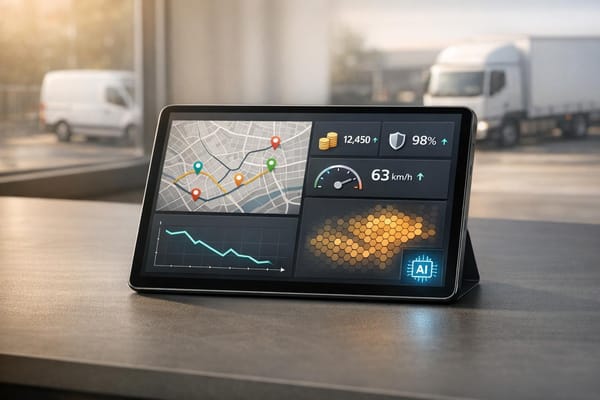
AI is revolutionising last-mile delivery by streamlining compliance and optimising operations to meet strict UK regulations.

AI is transforming last-mile delivery in the UK by addressing compliance challenges while improving delivery processes. With stricter regulations around emissions, workforce eligibility, and urban delivery zones, companies face growing pressure to avoid costly fines and operational disruptions. Here's how AI helps:
- Workforce Compliance: Automates right-to-work checks, reducing errors and fines (up to £60,000 per worker).
- Emissions Tracking: Assigns low-emission vehicles to restricted zones, ensuring access and avoiding penalties.
- Route Optimisation: Uses real-time data to adjust routes, cutting fuel costs and delivery times.
- Predictive Analytics: Forecasts demand, prevents failed deliveries, and improves resource allocation.
- Fleet Management: Tracks vehicle performance and driver behaviour to maintain compliance and safety.
AI-powered systems streamline compliance by integrating checks into daily delivery operations, saving time and reducing risks. For example, GRS Fleet Telematics offers tools starting at £7.99 per month, enabling businesses to monitor emissions, track vehicles, and meet regulatory demands efficiently.
With last-mile delivery becoming more complex, AI is no longer optional - it’s the key to staying compliant and competitive in an evolving regulatory landscape.
What do you need to know about AI and compliance?
AI-Driven Optimisation for Last-Mile Delivery
AI is reshaping last-mile delivery by tackling inefficiencies that have long plagued the industry. Instead of relying on outdated static planning, AI harnesses real-time data to make quick, informed decisions that improve delivery performance while staying within legal and regulatory boundaries.
This isn't just about automating processes. AI-powered systems learn from patterns, adjust to changing conditions, and refine operations in ways that manual methods simply can't match. This evolution is especially crucial for businesses under pressure to cut costs while meeting strict environmental and regulatory demands. The constant data-driven adjustments form the backbone of improvements in route planning and resource use.
Route Optimisation and Traffic Management
Traditional route planning relies on fixed schedules and historical data, which often fail to account for real-time challenges. AI flips the script by processing live data from multiple sources - like GPS tracking, traffic updates, weather conditions, and delivery time windows - to adjust routes dynamically throughout the day.
Companies using AI-driven predictive models have reported fewer empty miles, lower costs, and reduced emissions. Unlike conventional methods, AI systems adapt on the fly. For example, if a sudden traffic jam occurs, the system quickly identifies alternative routes and redistributes deliveries across the fleet. This is especially beneficial in busy UK cities, where roadworks, accidents, or events can disrupt traffic without warning.
Fleet telematics further boosts these capabilities. Systems like GRS Fleet Telematics provide real-time GPS tracking, geofencing, and route optimisation. Their dual-tracker technology ensures reliable data flow, enabling companies to monitor vehicles and adjust routes based on actual conditions. This is particularly useful during disruptions like snow or ice in the winter months, as AI can automatically reroute deliveries to maintain reliability.
Predictive Analytics for Demand and Resource Allocation
Predictive analytics is changing how delivery companies plan for customer demand and manage resources. By analysing historical data, seasonal trends, and external factors like public events, AI systems deliver accurate demand forecasts that streamline operations.
One major benefit is addressing delivery failures. AI identifies patterns that lead to unsuccessful attempts - such as recipient unavailability or inaccurate addresses - and adjusts operations to improve outcomes. It also helps with smarter fleet allocation, assigning deliveries to the right vehicles and drivers based on factors like vehicle capacity, location, traffic, and delivery windows. This reduces unnecessary mileage and ensures resources are used effectively.
During peak times, such as Christmas or Black Friday, predictive analytics becomes even more valuable. Companies can pre-position vehicles and staff in high-demand areas, cutting delivery times and improving customer satisfaction. Beyond fleet management, AI can enhance warehouse operations by predicting which products will be in demand in specific areas. Stock can then be positioned closer to these locations, reducing travel distances, costs, and emissions.
Fuel Efficiency and Impact on the Environment
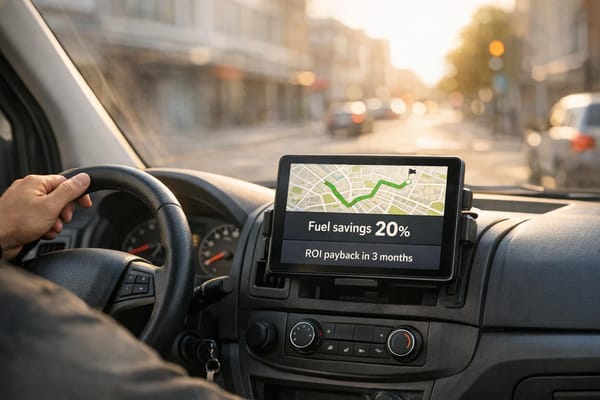
AI-driven systems also play a key role in cutting fuel consumption and meeting UK emissions standards. By optimising routes to eliminate unnecessary miles and reduce time spent in traffic, these systems deliver significant fuel savings and lower emissions.
A great example is DPD Group UK, which introduced fully electric, AI-powered delivery robots in Milton Keynes in partnership with Cartken. Over 18 months, these robots reduced local delivery emissions and improved efficiency. Following this success, the initiative is expanding to 10 more UK towns and cities, aligning with the logistics sector's push to cut emissions by 43% within the next six and a half years.
AI also helps match vehicles to routes. For instance, electric vehicles are prioritised for zero-emission zones, while larger vehicles are assigned to heavier loads, reducing the number of trips needed. Predictive maintenance, powered by real-time vehicle performance monitoring, addresses potential issues before they escalate, ensuring efficient fuel use and avoiding breakdowns. GRS Fleet Telematics provides solutions starting at £7.99 per month, offering reliable data for these advanced analyses.
Beyond saving fuel, AI reduces wear on roads and cuts urban air pollution by minimising vehicle movements. These benefits support urban sustainability goals and help companies comply with increasingly strict UK emissions regulations. By optimising operations, AI not only makes last-mile delivery more efficient but also contributes to cleaner, more sustainable cities.
Managing Compliance Challenges with AI
Last-mile delivery companies are under growing pressure to meet a variety of regulatory requirements. From verifying workers' eligibility to tracking emissions, the rules are becoming more intricate. AI offers a practical way to address these challenges, shifting compliance from being a manual headache to an automated, streamlined process.
The risks of non-compliance are serious. Companies can face steep fines and operational setbacks. Traditional manual methods simply can't keep pace with the speed of regulatory changes. This is where AI steps in, offering real-time monitoring and automated solutions to help businesses stay compliant. By embedding compliance into daily operations, AI provides practical tools for managing areas like workforce eligibility, emissions tracking, and documentation.
Workforce and Right-to-Work Compliance
Managing workforce compliance is no small feat in the last-mile delivery sector. High turnover rates and the prevalence of self-employment - 48% of couriers in the UK are self-employed - make it difficult to maintain accurate records and verify worker eligibility. Errors in this area can have severe consequences.
AI simplifies this process by integrating with DIATF-accredited digital identity platforms. These systems cross-reference government databases and automate document checks, reducing a task that used to take hours to just minutes. The result? Greater accuracy and fewer errors.
To put it into perspective, one-third of the 15 million annual right-to-work checks in the UK are now conducted through DIATF-accredited platforms. These AI-driven solutions not only speed up verification but also create detailed audit trails. They can even flag potential issues, such as document anomalies or account sharing, before they escalate into compliance violations.
For companies juggling seasonal demand or frequent subcontracting, AI offers continuous, adaptable monitoring. Alerts are automatically generated when documentation expires or when new workers require verification, ensuring compliance is maintained even as the workforce evolves.
Meeting Emissions Standards and Zero-Emission Zones
Workforce compliance is just one piece of the puzzle. Ensuring vehicles meet emissions standards is equally critical, especially with the UK's push towards net zero. Expanding zero-emission zones across cities mean that last-mile delivery companies must ensure only compliant vehicles operate in these areas.
AI helps by combining real-time vehicle tracking with emissions monitoring. It can automatically assign electric or low-emission vehicles to deliveries within restricted zones, avoiding costly penalties. Additionally, AI tracks vehicle emissions in real time, providing the data needed for inspections and compliance reporting.
A great example of this is DPD Group UK's use of AI-powered autonomous delivery robots. These fully electric robots operate in urban areas, using real-time tracking to ensure compliance with zero-emission regulations. This initiative required close collaboration with local authorities and advanced routing software to adapt to evolving rules.
Fleet telematics systems further enhance these capabilities. GRS Fleet Telematics, for instance, offers precise vehicle tracking and data analytics that integrate seamlessly with AI platforms. Their dual-tracker technology ensures reliable data collection, enabling companies to prove exactly which vehicles entered specific zones and when. This level of detail is invaluable during emissions audits or disputes.
AI also aids in planning for the future. By analysing demand patterns and regulatory updates, the system can suggest fleet upgrades and predict when additional electric vehicles will be needed. This proactive approach helps businesses stay ahead of stricter emissions standards.
Automating Documentation and Audit Trails
Regulatory inspections can occur without warning, and companies need to be ready with detailed documentation. Traditional paper records or basic digital systems often fall short when inspectors request in-depth information about deliveries, driver hours, or vehicle emissions over time.
AI makes this process seamless by automatically generating, storing, and organising digital records for every delivery, shift, and vehicle movement. This ensures that companies are always prepared for audits. The system even cross-references data to detect inconsistencies or missing information before they become issues. The result is a reliable digital trail that supports both operational efficiency and legal compliance.
Under the Modern Slavery Act 2015, businesses must demonstrate transparency in their supply chains. AI simplifies this by tracking subcontractor compliance and flagging potential issues. When inspectors request evidence of due diligence, companies can quickly produce detailed reports showing exactly what checks were performed and when.
GDPR compliance adds another layer of complexity. Logistics companies face costs ranging from £20,000 to £60,000 to meet data protection requirements. AI addresses this challenge with robust data security measures like encryption and access controls, while still maintaining the detailed records needed for compliance.
AI systems also simplify reporting. They can pull relevant data from across the organisation and format it to meet the specific requirements of different regulatory bodies. For companies using GRS Fleet Telematics, the integration adds even more value. Vehicle tracking data, driver behaviour metrics, and security alerts feed into the compliance system, creating a comprehensive operational overview. At just £7.99 per month, these solutions offer a scalable and cost-effective way to manage compliance as businesses grow.
Connecting AI with Fleet Telematics Systems
The real strength of AI in last-mile delivery compliance comes to life when it integrates with fleet telematics systems. This connection turns streams of raw data into actionable insights, offering a seamless way to handle both operational efficiency and regulatory requirements. Instead of treating compliance as a separate task, businesses can weave it directly into their daily workflows using smart telematics platforms. This integration ensures that every decision is backed by real-time data, reinforcing compliance efforts - a concept we’ve touched on earlier.
Fleet telematics systems gather a wealth of data, including vehicle locations, driver behaviour, fuel usage, and engine diagnostics. When AI processes this data, it creates a focused framework that supports compliance while optimising operations. This combination enables real-time decisions that not only keep vehicles compliant but also improve overall efficiency. This foundational setup also enhances tracking and security measures in real time.
Real-Time Vehicle Tracking and Security
Modern telematics systems powered by AI take vehicle tracking and security to a whole new level. They analyse movement patterns, detect anomalies, and send instant alerts for suspicious activity. A great example is GRS Fleet Telematics, which uses a dual-tracker setup: a primary hardwired tracker and a hidden Bluetooth backup system.
AI algorithms continuously monitor vehicle behaviour, flagging anything unusual - like unauthorised movements during off-hours or unexpected route changes. In cases of theft, the system can trigger alerts and even immobilise the vehicle to prevent further movement. Impressively, GRS Fleet Telematics reports a 91% recovery rate for stolen vehicles, showcasing the effectiveness of these AI-driven security features.
Beyond security, real-time tracking also simplifies compliance. For example, systems can automatically log details like zero-emission zone entries, driver hours, and vehicle locations. This creates detailed audit trails without requiring manual input from fleet managers.
Geofencing adds another layer of compliance support. With AI, businesses can enforce delivery zones, receiving alerts when vehicles stray from approved routes or enter restricted areas. This is especially useful in cities with complex delivery rules or time-based access restrictions.
Compliance Monitoring Through GPS and Data Analytics
When GPS data combines with AI analytics, it unlocks powerful tools for monitoring compliance. Traditional GPS systems only track location, but AI-enhanced telematics go further, turning that data into actionable compliance insights. For instance, the system can flag when vehicles exceed speed limits, idle excessively, or enter prohibited areas.
Emissions compliance becomes much easier with AI. By analysing telematics data alongside vehicle specs and route details, the system can track fuel consumption, pinpoint inefficient driving habits, and calculate emissions in real time. This data feeds directly into compliance reports, providing the documentation needed for regulatory checks.
One-third of the 15 million right-to-work checks conducted by UK businesses annually already use DIATF-accredited digital identity platforms.
AI-powered telematics systems can integrate with these platforms to ensure only authorised drivers operate specific vehicles. They match driver credentials with vehicle assignments, flagging any mismatches that could signal compliance issues.
AI also enables predictive compliance management by analysing historical data. It can forecast when vehicles need maintenance, when driver certifications are about to expire, or when fleet upgrades are necessary to meet new emissions standards. This proactive approach helps businesses avoid violations and stay ahead of regulations.
For example, GRS Fleet Telematics provides detailed analytics on driver behaviour, fuel efficiency, and operational metrics. These insights feed into AI systems that generate automated compliance reports, cutting down administrative workload while ensuring accuracy. Additionally, these insights contribute to improving driver safety and performance, as explored next.
Improving Driver Safety and Performance
AI-driven telematics systems are excellent at monitoring and enhancing driver behaviour, which directly impacts safety and compliance. By tracking key metrics like speed, braking, and route adherence, these systems provide real-time feedback to promote safer driving.
One standout feature is real-time coaching. Instead of waiting for monthly reports, AI systems can alert drivers immediately when they exhibit unsafe behaviours, such as speeding or harsh braking. This instant feedback helps drivers correct their actions before bad habits form.
Eco-driving analytics are another advantage. AI identifies fuel-wasting behaviours - like excessive idling or aggressive acceleration - and offers specific suggestions for improvement. This not only supports environmental goals but also reduces fuel costs.
The system also automates compliance with driver working time regulations. By tracking shift start and end times, breaks, and driving hours, AI ensures businesses meet complex working time rules. This eliminates the need for manual timekeeping and provides detailed records for inspections.
Driver identification features further enhance compliance. GRS Fleet Telematics integrates with digital identity platforms to verify driver credentials before vehicle operation, ensuring right-to-work compliance and preventing unauthorised use.
Performance analytics help pinpoint training opportunities and reward excellent drivers. AI can identify patterns suggesting when drivers need additional training or when they consistently demonstrate best practices. This data-driven approach improves fleet performance while supporting compliance with safety regulations.
As driver performance improves, compliance outcomes follow suit, reducing risks and costs. Companies using these integrated systems report notable improvements in safety, fuel efficiency, and regulatory compliance, proving the value of combining AI with fleet telematics systems.
The ROI of AI-Driven Compliance Solutions
AI compliance solutions are proving their worth by boosting efficiency, reducing risks, and strengthening security. These benefits not only justify the initial investment but also pave the way for long-term business growth.
With 85% of retail executives prioritising reduced total cost per order for last-mile delivery, the pressure to streamline operations is intense. Here's how AI delivers financial savings and minimises operational risks.
Cost Savings and Risk Reduction
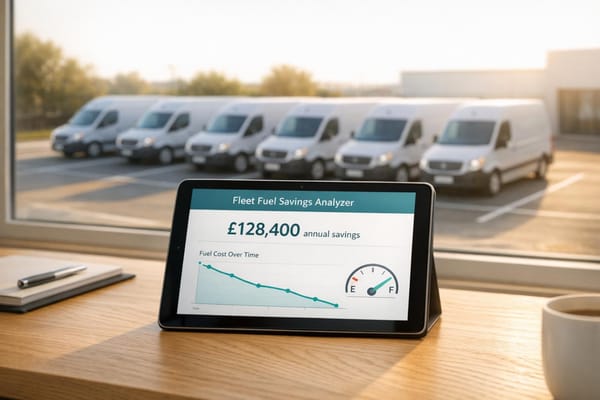
AI-powered route planning slashes costs by cutting fuel consumption, reducing empty miles, and preventing failed deliveries. These efficiencies also help businesses avoid fines of up to £60,000 per worker for compliance violations. By analysing real-time data - like GPS, traffic updates, and weather conditions - AI creates optimal delivery routes, significantly lowering the chances of failed delivery attempts.
In compliance management, AI systems have proven their value. For example, businesses using AI-driven customs and compliance tools have cut document preparation times by 70% and reduced HMRC rejection rates, which translates to lower administrative costs. Automated tracking of driver hours further prevents costly breaches.
But it’s not just about cutting costs. Enhanced security measures add another layer of financial protection by reducing theft-related losses.
Better Security and Theft Prevention
Vehicle theft is a major financial drain for last-mile delivery operations, with costs extending beyond replacing stolen vehicles to include operational delays, insurance claims, and lost cargo.
Advanced security technologies, such as dual-tracker systems with a 91% recovery rate and immobilisation features, mitigate these risks. At just £7.99 per month per vehicle, these tools offer excellent value, especially when a single van theft could result in tens of thousands of pounds in losses.
Real-time monitoring and geofencing provide added protection. These features alert businesses to unauthorised stops or route deviations, which is especially crucial for high-value shipments. Quick recovery of stolen vehicles minimises downtime, helping to maintain operational continuity and avoid productivity losses.
Long-Term Benefits for the Environment
AI systems also deliver environmental advantages that align with regulatory and sustainability goals. By optimising fuel use and reducing emissions, AI helps businesses comply with zero-emission zones and contribute to the UK's 43% reduction in delivery emissions target.
Staying compliant with zero-emission regulations not only avoids fines but also allows access to restricted areas. AI tools monitor emissions in real time and adjust routes to meet local requirements, ensuring smooth operations.
Beyond compliance, these efforts enhance brand image. Businesses that demonstrate environmental responsibility attract eco-conscious customers and partners, boosting loyalty and even allowing for premium pricing. Over time, the continuous learning capabilities of AI systems improve route efficiency and waste reduction, delivering consistent savings and environmental benefits.
Conclusion and Future Outlook
Key Points on AI and Compliance
Reflecting on the earlier discussions about operations and security, it’s clear that AI is transforming compliance in last-mile delivery. By streamlining processes like real-time route planning, predictive demand forecasting, and fleet management, AI not only boosts efficiency but also ensures adherence to UK regulations. These advancements contribute to cost savings and reduced emissions, aligning with regulatory standards .
When it comes to compliance, AI offers a range of benefits. Automated systems handle documentation, assist with right-to-work checks, and ensure compliance with stringent rules such as emissions standards and workforce verification. This is especially crucial in the UK, where companies bear responsibility for regulatory breaches, even when subcontractors are involved .
The impact of AI-driven platforms is tangible. For example, businesses using these systems for customs documentation have seen drafting times cut by 70% and a noticeable drop in rejection rates. Beyond compliance, AI contributes to savings through optimised fuel use and fewer failed deliveries. These highlights underscore the advantages explored in previous sections.
The Future of AI in Last-Mile Delivery
As regulations evolve, AI’s role in last-mile delivery will only grow. With stricter emissions rules and compliance requirements on the horizon, emerging technologies like autonomous vehicles, drones, and advanced AI systems are set to redefine the landscape.
Government initiatives, such as expanding zero-emission zones, are creating a more demanding regulatory environment. AI helps businesses navigate these challenges by integrating tools like real-time tracking and compliance monitoring. These capabilities build on the systems already in place, paving the way for smoother adaptation to future advancements.
AI is becoming indispensable for managing these shifts. It optimises routes, schedules electric vehicle charging, and ensures compliance with local restrictions. The integration of telematics with AI is becoming a standard, offering real-time vehicle tracking, enhanced security, and regulatory oversight. These comprehensive fleet management solutions are quickly becoming essential for staying compliant and operationally secure.
Looking forward, AI will enable more tailored delivery services while promoting greener logistics through better route planning and vehicle use . Its ability to learn and adapt over time ensures compliance systems remain effective as new regulations emerge. In essence, AI continues to reshape the delivery sector, striking a balance between operational efficiency and regulatory compliance.
FAQs
How can AI help last-mile delivery businesses comply with UK emissions regulations?
AI is transforming how last-mile delivery businesses in the UK address emissions regulations. By analysing traffic patterns, delivery schedules, and environmental conditions, AI-powered tools can map out smarter delivery routes, cutting unnecessary mileage. This not only reduces fuel consumption but also helps lower vehicle emissions, making operations more eco-friendly.
On top of that, AI can track vehicle performance and flag maintenance needs, ensuring fleets stay compliant with emissions standards. For businesses aiming to improve fleet management, platforms like GRS Fleet Telematics provide advanced tracking solutions. These tools not only help monitor emissions but also maintain operational efficiency.
How does predictive analytics enhance delivery efficiency and minimise failed deliveries?
Predictive analytics is transforming last-mile delivery by leveraging both historical and real-time data to foresee potential hurdles. This proactive approach enables businesses to fine-tune delivery routes, minimise delays, and make smarter use of their resources.
By spotting trends like peak delivery periods, traffic patterns, and customer preferences, predictive analytics significantly cuts down on failed deliveries. The result? Happier customers and reduced operational expenses - a win-win that makes the entire delivery process smoother and more dependable.
How can AI systems improve security and reduce the risk of vehicle theft in last-mile delivery?
AI systems play a key role in boosting security for last-mile delivery operations, offering tools like dual-tracker technology, real-time theft alerts, and impressive vehicle recovery rates. These features allow businesses to keep a close eye on their fleets and react quickly to any potential threats.
Take dual-tracker technology, for instance. By utilising multiple tracking systems, it ensures that vehicles can still be located even if one tracker is tampered with or disabled. Real-time alerts add another layer of protection by immediately flagging suspicious activity, giving businesses the chance to act swiftly and reduce risks. The results speak for themselves: with a recovery rate of 91% for stolen vehicles, these AI-driven solutions provide an effective way to protect valuable assets and maintain peace of mind.